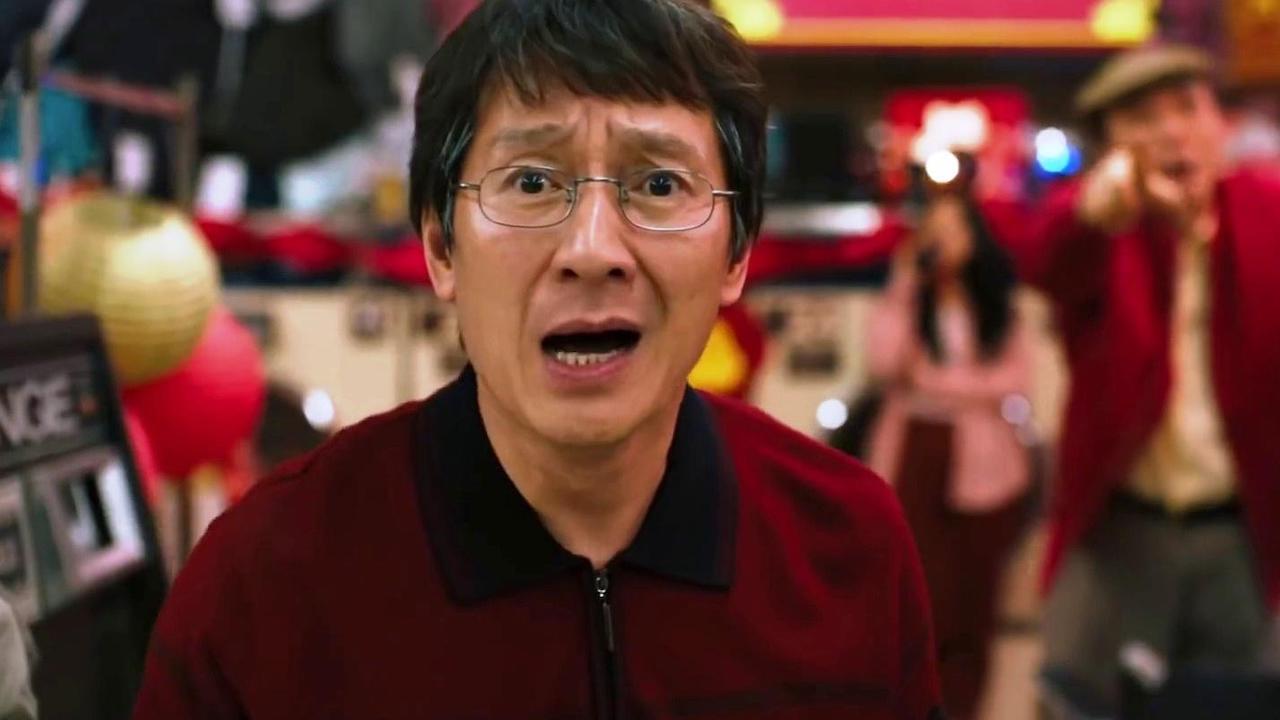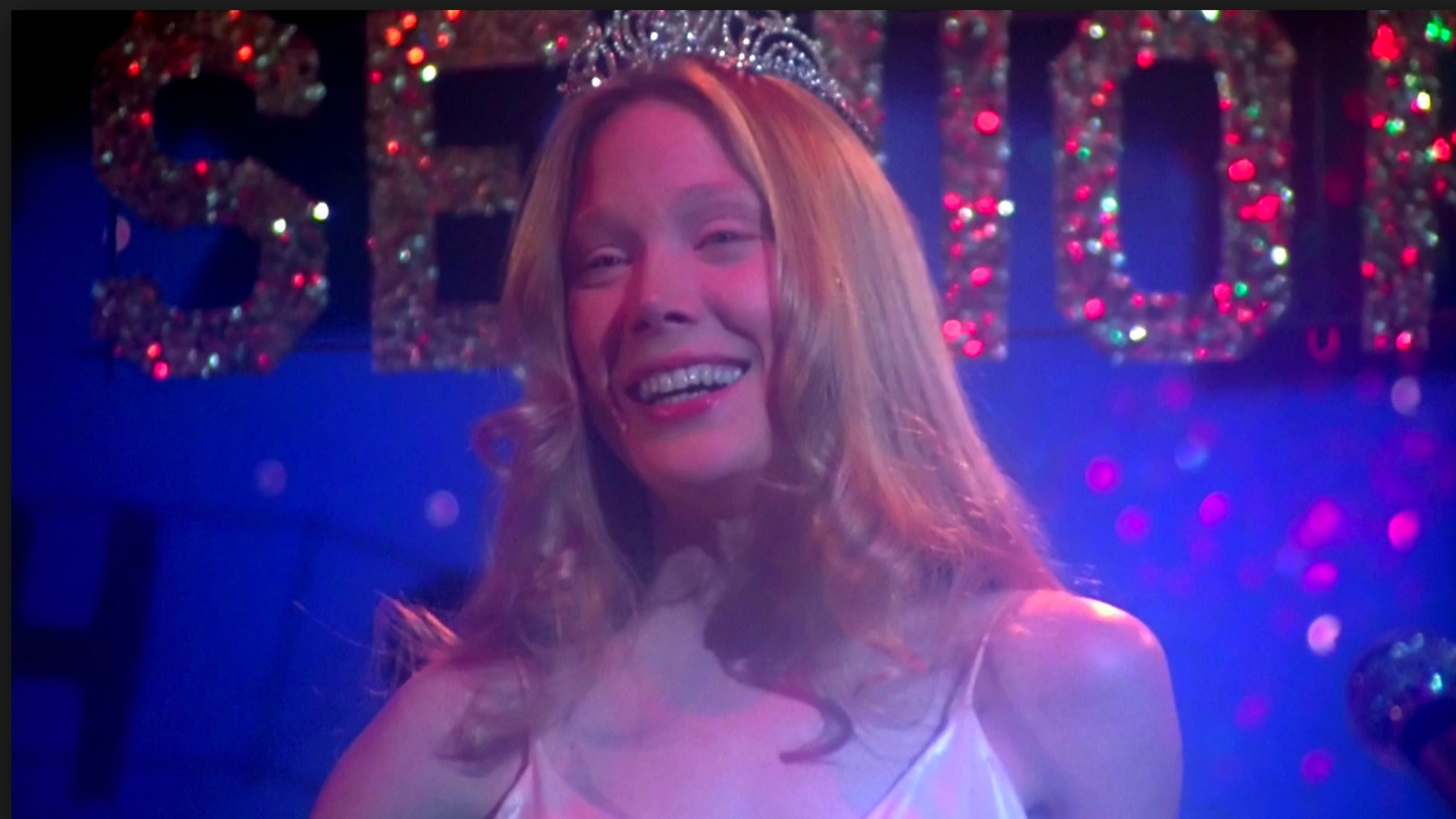




























Hollywood gets plenty of criticism for casting adults as teenagers, but what about the other way round?
Entertainment
Actors Who Despised Their On-Screen Partners


Chloë Grace Moretz was only 11 when she began preparing to play Mindy Macready, the pint-sized vigilante better known as Hit-Girl. Six months of weapons and stunt training allowed her to perform much of the action herself, while insurance rules handled the truly dangerous leaps. The controversy did not center on her capability, since she steals the film, but on whether a child should deliver extreme profanity between graphic violence. Moretz turned that discomfort into the character’s secret weapon, making Hit-Girl memorable precisely because the audience never forgets who is inside the costume. | © Marv Films

Christian Bale was 12 when Steven Spielberg selected him from more than 4,000 hopefuls to play Jim Graham, carrying a 154-minute war epic at barely 13 years old. Jim moves from privileged Shanghai schoolboy to starving internee, requiring Bale to register shock, adaptation, obsession, and emotional numbness without losing the child underneath. That load places a massive dramatic weight on a newcomer, yet his performance never feels coached into place. The fame afterward proved far less welcome, as Bale later described early success as the beginning of his complex relationship with acting. | © Amblin Entertainment

Macaulay Culkin spent years weaponizing childhood cuteness against cartoon burglars, so The Good Son made the unnerving choice to remove the joke. At 12, he played Henry, a smiling character who engineers a highway pileup, endangers his younger sister, and treats danger like a casual game. Culkin’s flat stare works because it clashes sharply with the Kevin McCallister image audiences brought from Home Alone. The film sometimes mistakes grimness for psychological depth, but asking a child star to carry a dark thriller built around a dangerous child remains uncomfortable casting. | © 20th Century Fox

Natalie Portman was 12 when she filmed her screen debut as Mathilda, an orphan who asks a hitman to teach her his trade and develops an attachment that Léon strictly turns down. Her parents required script changes and strict limits on fake smoking scenes, proving how carefully the team needed to handle the role. Portman is fearless, funny, and compelling, but the troubling elements arrived outside the performance. She has since described the intense public attention that followed the film as frightening, making its status harder to separate from what childhood fame cost her. | © Gaumont

Dakota Fanning was 15, the same age Cherie Currie had been when she joined the band, making the casting historically exact and ethically complicated. The story plunges her into heavy management issues, glamourous stagewear, and a heavily publicized scene with 19-year-old Kristen Stewart, all while Currie struggles to control her image. Fanning avoids playing her as a generic rebel, letting the bravado crack to reveal a teenager overwhelmed by the machinery around her. That accuracy gives the performance real sting, even as it raises questions about how literally the film needed to recreate Currie’s public life. | © River Road Entertainment

Sally Field playing Tom Hanks’s mother sounds like classic Hollywood arithmetic, given that she is only ten years older than he is. The filmmakers of Forrest Gump used this apparent miscasting for a practical purpose. Field first appears as the young mother of child Forrest, then ages across several decades as her son grows into Hanks, allowing one actor to anchor his entire life. The makeup team works overtime, but Field supplies the emotional continuity, keeping Mrs. Gump’s brisk humor and fierce protectiveness intact at every age. The numbers remain ridiculous on paper, but emotionally, the movie succeeds. | © Paramount Pictures

James Mangold built the emotional core of Logan around an 11-year-old newcomer who spends much of the film communicating through glares, snarls, and sudden bursts of action. Dafne Keen was age-appropriate for Laura, but the material surrounding her was unmistakably adult, delivering a dramatic road movie filled with grief and exhausted heroes. Keen never plays a simple sidekick, which is why she stands beside Hugh Jackman and Patrick Stewart without disappearing. Her intensity feels grounded, her silence feels deliberate, and the brief flashes of childhood land harder than any digital effect. | © 20th Century Fox

Kirsten Dunst was 11 when she played Claudia, a vampire whose body remains a child’s while her mind accumulates decades of resentment. That contradiction would challenge a seasoned performer, yet Dunst makes it look natural, shifting from charm to fury without turning Claudia into a standard horror trope. The production also required her to share an awkward onscreen moment with Brad Pitt, then around 30, an experience she later remembered as uncomfortable. Her Golden Globe-nominated performance remains extraordinary, exposing how casually prestige filmmaking once handed intense material to young actors. | © Warner Bros.

Angelina Jolie was 29 when Alexander reached theaters, while Colin Farrell, playing her son, was 28. Historical Olympias was roughly two decades older than Alexander the Great, yet director Oliver Stone attempted to manufacture that generational gap with severe makeup, regal posture, and a distinct accent. Jolie possesses enough authority to make the mother-son dynamic work in isolated scenes, but the tiny age gap remains obvious once noticed. Casting one actress across a long timeline explains the decision, even if it leaves the age math looking bizarre. | © Warner Bros. Pictures

Isabelle Fuhrman was only 10 when she played Esther, the composed adoptee eventually revealed as Leena Klammer, a 33-year-old woman posing as a nine-year-old child. Fuhrman had to plant adult calculation beneath a young face without spoiling the twist, relying on rigid posture, old-fashioned diction, and sharp glances. The sudden intensity gets the audience’s attention, while her precise control makes the deception believable. Here, the performer’s youth was not merely a casting gamble, but the engine powering the entire story. | © Dark Castle Entertainment

Claire Danes was 16 when production began on Romeo + Juliet, playing opposite a 21-year-old Leonardo DiCaprio in a feverish teenage romance. She was older than Shakespeare’s original character, who is 13 in the play, but young enough that the film’s dramatic narrative carried genuine adolescent energy. Danes refuses to make Juliet delicate wallpaper, letting her sharp intelligence cut through Baz Luhrmann’s visual style. Notably, Natalie Portman had previously been considered and passed over because her age gap with DiCaprio looked too stark on camera. | © 20th Century Fox

Jodie Foster was 12 when she stepped into the role of Iris, a vulnerable child navigating the toughest corners of Martin Scorsese’s New York in Taxi Driver. Foster underwent psychological evaluations before clearing the part, while her older sister Connie stood in for specific complex framing shots. Those protections act as major historical markers now, yet Foster approaches Iris without pretense, showing a character who is funny, guarded, frightened, and painfully young all at once. The performance earned an Oscar nomination, drawing its power from refusing to pretend that Iris understands the adult world around her. | © Columbia Pictures

Brooke Shields was 14 during production of The Blue Lagoon, while co-star Christopher Atkins was 18, playing cousins whose island survival turns into romance and parenthood. Adult doubles and specific hair styling handled delicate shots, but those precautions could not lessen the awkwardness of marketing the movie around teenagers. Shields later stated that a production like this would never receive approval today, reflecting changing industry standards. The tropical scenery remains striking, but the behind-the-scenes casting ages poorly for modern viewers. | © Columbia Pictures

Brooke Shields was just 11 when Louis Malle cast her in Pretty Baby as Violet, a 12-year-old growing up in a historical New Orleans venue. The role included complex themes and a marriage plot with photographer E. J. Bellocq, played by Keith Carradine, who was in his late twenties. Shields stated she did not feel distressed while making the film, but that does not settle the larger question of what adult filmmakers chose to stage, market, and present to audiences. The film remains a dramatic project wrapped around an ethical problem that time cannot soften. | © Paramount Pictures
Hollywood gets plenty of criticism for casting adults as teenagers, but what about the other way round?