
















• Lootday.com logo
  • Join today to claim your daily loot
English
    • News
    • Guides
    • Gaming
      • Codes
      • League of Legends
      • Lootday
    • Creators
    • Entertainment
    • Careers
    • Lootday
    • EarlyGame+
  • Login
  • Homepage My List Settings Sign out
  • News
  • Guides
  • Gaming
    • All Gaming
    • Codes
    • League of Legends
    • Lootday
  • Creators
  • Entertainment
  • Careers
  • Lootday
  • EarlyGame+
Game selection
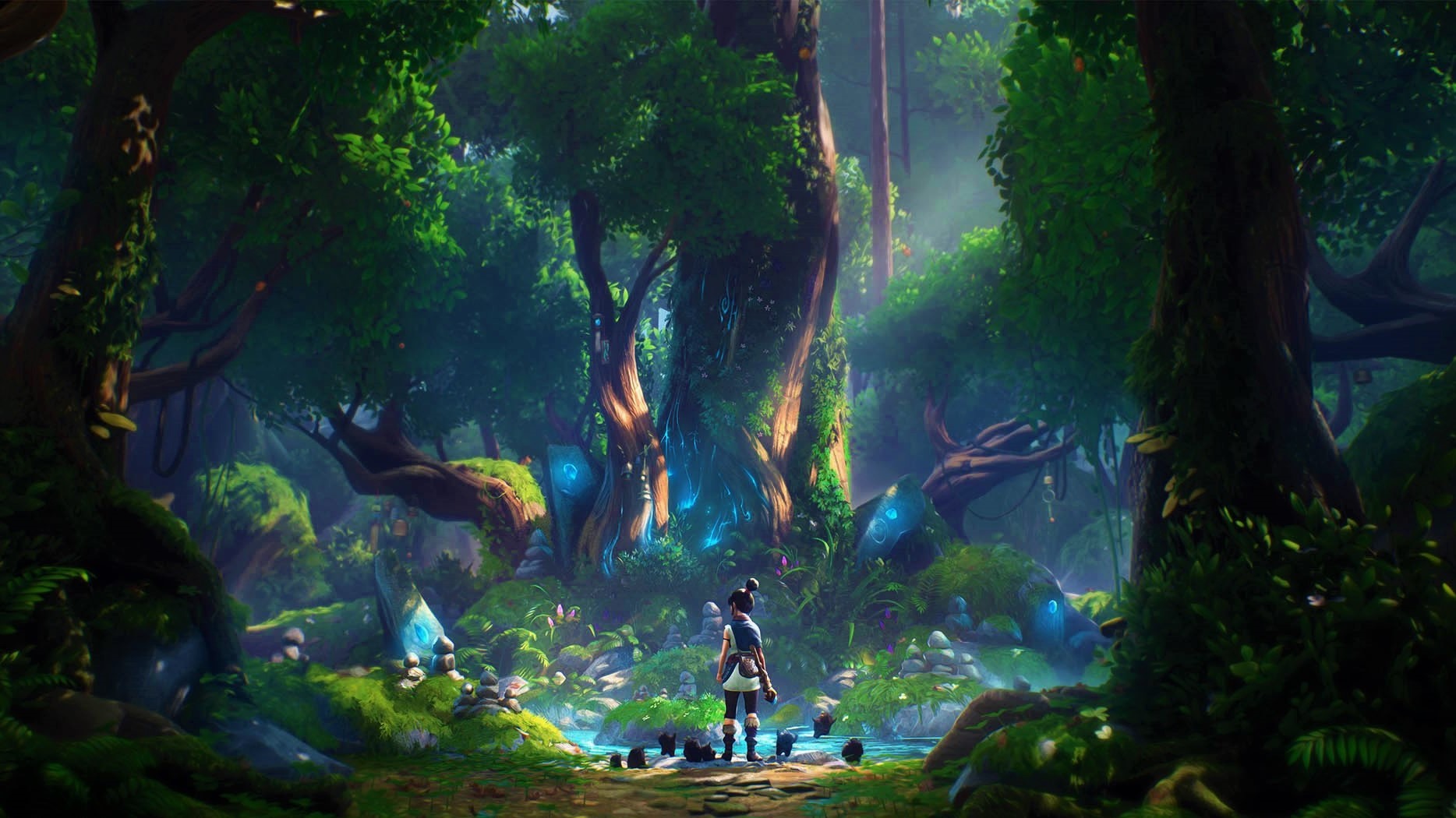
Kena
Gaming new
Enterianment CB
ENT new
Influencer 5229646 640
TV Shows Movies Image
TV shows Movies logo 2
Fifa stadium
Fc24
Fortnite Llama WP
Fortnite Early Game
LOL 320
Lo L Logo
Codes bg image
Codes logo
Smartphonemobile
Mobile Logo
Videos WP
Untitled 1
Cod 320
Co D logo
Rocket League
Rocket League Text
Apex 320
AP Ex Legends Logo
DALL E 2024 09 17 17 03 06 A vibrant collage image that showcases various art styles from different video games all colliding together in a dynamic composition Include element
Logo
Logo copy
GALLERIES 17 09 2024
News 320 jinx
News logo
Lootday bg
Guides
More EarlyGame
Logo copy

Galleries

Lootday bg

lootday

News

News

Codes bg image

Codes

Razer blackhsark v2 review im test

Giveaways

  • Copyright 2026 © eSports Media GmbH®
  • Privacy Policy
  • Impressum and Disclaimer
 Logo
English
  • English
  • German
  • Spanish
  • EarlyGame india
  • Homepage
  • Gaming

20 Video Game Franchises with No Bad Games

1-20

Ignacio Weil Ignacio Weil
Gaming - April 6th 2026, 21:00 GMT+2
Cropped Metal Gear

20. Metal Gear (1987)

Metal Gear could have coasted forever on stealth gimmicks and cardboard-box jokes, but the series kept mutating into something stranger, smarter, and louder than anyone expected. Even its messier chapters have ambition spilling over the edges: political paranoia, theatrical villains, anti-war fury, and Hideo Kojima dialogue that sounds like it arrived via encrypted fax. For a franchise this experimental, the batting average is almost rude. | © Konami

Cropped Wario Land

18. Wario Land (1994)

Mascot platformers usually aim for grace, cuteness, or speed, but greed turned out to be a much better guiding principle here. Wario is heavy, rude, smug, and weirdly lovable, and the games around him benefit from that personality at every level. In Wario Land, smashing through enemies and bulldozing through obstacles feels just as important as precision platforming, which gives the series a far more physical identity than most of its peers. It never chased elegance, and that was probably the smartest choice it could have made. The result is a franchise that stayed funny, scrappy, and mechanically distinct without ever producing a dud. | © Nintendo

Cropped Doom

18. Doom (1993)

Doom has survived decades of sequels, reboots, ports, reinventions, and enough imitators to fill a demon-infested warehouse, yet the core appeal has never been diluted. It understands rhythm better than most action games: move fast, shoot faster, keep the pressure high, and make every arena feel like heavy metal with health pickups. Even when the series changes shape, it still remembers exactly why people came to Mars. | © id Software

Cropped Persona

16. Persona (1996)

A franchise this stylish should have collapsed under its own personality a long time ago. Instead, it kept sharpening the mix of social simulation, psychological dread, turn-based combat, and coming-of-age drama until it became one of the most recognizable RPG voices in gaming. The menus, music, and visual flair grab attention first, but the real reason people stay with Persona is structure. These games usually know exactly when to slow down, when to hurt, and when to let their characters breathe. That kind of pacing control is rare in a genre that often confuses size with emotional weight. | © Atlus

Cropped Donkey Kong Country

16. Donkey Kong Country (1994)

Donkey Kong Country has always made platforming feel bigger than it needs to be, whether through Rare’s pre-rendered jungle swagger or Retro Studios’ later obsession with momentum, danger, and perfectly evil mine-cart sections. The series is playful without being soft, difficult without becoming joyless, and packed with music that has no business going that hard in a game about bananas. Every comeback only made the name look stronger. | © Rare

Cropped GTA

14. Grand Theft Auto (1997)

Open-world chaos is easy to sell and hard to sustain, especially once a franchise becomes big enough to start believing its own myth. What saved Grand Theft Auto was the fact that it never relied on scale alone; the cities need satire, grime, attitude, and just enough cruelty to feel alive. From its earlier top-down rebellion to the later blockbuster era, the series kept finding new ways to make crime fiction feel interactive rather than decorative. Even the weaker arguments around specific installments rarely turn into genuine embarrassment for the brand. That is an absurdly high batting average for a franchise this massive. | © Rockstar Games

Cropped Quake

14. Quake (1996)

Quake never gets enough credit for how many doors it kicked open at once: full 3D shooters, online deathmatch culture, gothic atmosphere, mod communities, and speedrunning obsession. The franchise shifted tones across entries, from Lovecraftian grime to arena-sport precision, yet the mechanical confidence stayed intact. Even when id Software changed the formula, Quake still felt like a machine built by people who understood movement as violence. | © id Software

Cropped Baldurs Gate

12. Baldur's Gate (1998)

Legacy can crush a role-playing series faster than bad combat ever could. The original games became foundational for computer RPG fans, which meant any return to that world was going to be judged mercilessly from the start. What makes Baldur’s Gate so impressive is that it never came back sounding like an empty echo of older greatness. Across its eras, the franchise kept delivering party-based storytelling, player freedom, and enough systemic complexity to make each run feel personal instead of prepackaged. Very few RPG names have survived long gaps, new technology, and changing developers this gracefully. | © BioWare / Larian Studios

Half Life 2

12. Half-Life (1998)

Half-Life made the first-person shooter feel like it had learned how to breathe. Instead of stopping the action for explanations, it pushed players through collapsing labs, military cover-ups, alien nightmares, and physics-driven problems with a confidence that changed the genre’s language. Valve has never flooded the market with entries, which probably helps the mystique, but the remarkable part is simpler: every official Half-Life game feels important, not merely available. | © Valve

Cropped Pikmin

10. Pikmin (2001)

At first glance, it looks almost too gentle to generate real tension. Then the clock starts ticking, your tiny army gets eaten by wildlife, and the whole mood changes in a second. That strange balance between charm and low-level panic is what gave Pikmin such a durable identity. The games never stopped being colorful or eccentric, but they also refused to become passive little garden toys with no stakes. Nintendo kept the structure focused enough that every rescue, route, and time-management decision still matters, and Pikmin remains one of the few strategy-adjacent franchises that can feel adorable and stressful at the same time. | © Nintendo

Cropped Super Smash

10. Super Smash Bros. (1999)

Super Smash Bros. should have been a novelty: Nintendo characters slap each other around, everyone laughs, credits roll. Instead, it became one of gaming’s most reliable party-fighting institutions, equally at home in dorm rooms, tournaments, family gatherings, and arguments about tier lists that last too long. Each entry expands the toy box without losing that instant, chaotic readability, which is why even casual players understand the joy of launching someone into orbit. | © HAL Laboratory

Cropped Sly Cooper

8. Sly Cooper (2002)

Coolness is usually the first thing people remember, but it was never the only thing holding these games together. The movement had snap, the stealth had purpose, and the writing gave the whole series an easy charm that kept it from becoming empty cartoon posturing. Heist energy runs through every part of the experience, from the rooftop traversal to the team dynamics, and that tone rarely slips into self-parody. Even when the mechanics widen out, the personality stays light on its feet. That is why the franchise still feels so complete years later, especially Sly Cooper at its best. | © Sucker Punch Productions

Cropped Animal Crossing

8. Animal Crossing (2001)

Animal Crossing has never needed dramatic boss fights or galaxy-ending stakes, because its most powerful weapon is making players care about turnips, wallpaper, and whether a digital duck is disappointed in them. The franchise runs on routine, softness, and tiny surprises, but underneath the coziness is a very sharp understanding of habit-forming design. Every entry finds a new way to make doing almost nothing feel like a precious appointment. | © Nintendo

Cropped God of War

6. God of War (2005)

Rage built the original identity, but craftsmanship is what stopped the series from burning itself out. The early games understood spectacle better than almost anyone in the action genre, then the later era found a way to slow everything down without draining the force out of it. When God of War shifted from Greek brutality to Norse introspection, the risk of collapse was obvious, yet the franchise only looked stronger for surviving that transition. Combat stayed weighty, the scale stayed huge, and the emotional material finally caught up with the production ambition. Reinvention usually leaves scars; here it mostly sharpened the brand. | © Santa Monica Studio

Cropped Yakuza

6. Yakuza (2005)

Yakuza can make players cry over brotherhood, then immediately ask them to manage a cabaret club, win a pocket-circuit race, or settle a street dispute involving absurd misunderstandings. That tonal whiplash should be fatal, yet the franchise turns it into a signature. Across brawlers, RPG reinventions, prequels, and spin-offs, the series keeps returning to loyalty, regret, and cities that feel dense with trouble, food, karaoke, and bad decisions. | © Sega

Cropped Uncharted

4. Uncharted (2007)

A lesser action series would have drowned in its own set pieces by now. Naughty Dog avoided that trap by making sure the explosions, collapses, and chase scenes always had character friction running underneath them. The climbing, gunfights, and puzzle-solving work because Uncharted never treats spectacle like a substitute for chemistry. Nathan Drake’s world has humor, momentum, and just enough bruised humanity to keep the franchise from feeling like a roller coaster with expensive graphics. Even the lighter or smaller entries still hit a quality line most blockbuster series would kill for. That kind of polish does not happen by accident. | © Naughty Dog

Cropped The Witcher

4. The Witcher (2007)

The Witcher franchise began rough around the edges, but even its first steps had the moral grime, political tension, and monster-hunting melancholy that would later define the series. Geralt’s world is rarely clean, and the games are at their best when every contract comes with a nasty little ethical bill attached. CD Projekt Red kept leveling up its craft with each entry, turning a cult RPG into one of gaming’s strongest fantasy names. | © CD Projekt Red

Cropped Batman Arkham

2. Batman: Arkham (2009)

Licensed superhero games used to get away with far too much just by wearing a famous logo. Then Rocksteady came in and proved that the fantasy of being Batman could carry real mechanical weight if the combat, stealth, and world design were treated seriously enough. The detective angle mattered, the movement felt predatory, and Batman: Arkham finally made Gotham feel like a place instead of a generic comic-book backdrop. Even when the scale grew, the pressure never fully disappeared from the experience. That darker undercurrent is a big reason the subseries stayed compelling instead of becoming a glossy checklist of familiar villains. | © Rocksteady Studios

Cropped Bioshock

2. Bioshock (2007)

BioShock built its reputation on atmosphere so thick you could practically hear the walls leaking. Rapture and Columbia are very different nightmares, but the franchise keeps circling the same uncomfortable territory: power, ideology, control, and the terrifying confidence of people who think their utopias are working. The shooting is only part of the package; the real hook is walking through a world that has already lost the argument with itself. | © Irrational Games

Cropped Dark Souls

1. Dark Souls (2011)

Dark Souls turned frustration into folklore. Its genius was never just difficulty, no matter how often the internet flattened it into a meme; the series thrives on mystery, level design, brutal fairness, and the strange comfort of learning a hostile world inch by inch. Every shortcut feels earned, every boss becomes a personal grudge, and every victory arrives with the quiet satisfaction of surviving something that never cared whether you did. | © FromSoftware

1-20

Most long-running video game franchises eventually stumble. A rushed sequel, a weird spin-off, a publisher chasing trends - sooner or later, the cracks usually show. But a rare few series have managed to keep their quality bar shockingly high, turning even their “weaker” entries into games fans still defend like courtroom lawyers with save files.
  • Facebook X Reddit WhatsApp Copy URL

Most long-running video game franchises eventually stumble. A rushed sequel, a weird spin-off, a publisher chasing trends - sooner or later, the cracks usually show. But a rare few series have managed to keep their quality bar shockingly high, turning even their “weaker” entries into games fans still defend like courtroom lawyers with save files.

Related News

More
Dark Souls II
Gaming
15 Games People Defend More Than They Actually Enjoy
Rachel Zegler
Entertainment
15 Rising Actresses About to Become A-List Stars
Mads Mikkelsen
Entertainment
15 Famous Actors Who Live Like Regular People
Anya Taylor Joy
Entertainment
15 Celebrities Who Were Discovered by Luck
Fear 1996
Entertainment
Top 15 Movies About Stalkers
Nick Menza
Entertainment
Top 15 Dead Metal Musicians We’ll Never Stop Mourning
G man half life
Gaming
15 Video Games With Characters Secretly Stalking You
Warcraft
TV Shows & Movies
15 Sci-Fi Movies With Flawless Worldbuilding
Lootday article thumbnail b
Lootday
How Do You Find The Right Lootday Offer For Your Playstyle?
Scary Movie
TV Shows & Movies
15 Highest-Grossing Movies of 2026
Songs My Brothers Taught Me
TV Shows & Movies
15 Hidden Gem Movies From Masterful Directors
Wiz Khalifa
Entertainment
15 Once-Famous Celebrities Who Quietly Faded Away
  • All Gaming
  • Videos
  • News
  • Home

Subscribe to our Newsletter

Sign up for selected EarlyGame highlights, opinions and much more

About Us

Discover the world of esports and video games. Stay up to date with news, opinion, tips, tricks and reviews.
More insights about us? Click here!

Links

  • Affiliate Links
  • Privacy Policy
  • Impressum and Disclaimer
  • Advertising Policy
  • Our Editorial Policy
  • About Us
  • Authors
  • Ownership

Partners

  • Kicker Logo
  • Efg esl logo
  • Euronics logo
  • Porsche logo
  • Razer logo

Charity Partner

  • Laureus sport for good horizontal logo

Games

  • Gaming
  • Entertainment
  • Creators
  • TV Shows & Movies
  • EA FC
  • Fortnite
  • League of Legends
  • Codes
  • Mobile Gaming
  • Videos
  • Call of Duty
  • Rocket League
  • APEX
  • Reviews
  • Galleries
  • News
  • Your Future
  • Lootday
  • Guides

Links

  • Affiliate Links
  • Privacy Policy
  • Impressum and Disclaimer
  • Advertising Policy
  • Our Editorial Policy
  • About Us
  • Authors
  • Ownership
  • Copyright 2026 © eSports Media GmbH®
  • Privacy Policy
  • Impressum and Disclaimer
  • Update Privacy Settings
English
English
  • English
  • German
  • Spanish
  • EarlyGame india