










• Lootday.com logo
  • Join today to claim your daily loot
English
    • News
    • Guides
    • Gaming
      • Codes
      • League of Legends
    • Creators
    • Entertainment
    • Careers
    • Lootday
    • EarlyGame+
  • Login
  • Homepage My List Settings Sign out
  • News
  • Guides
  • Gaming
    • All Gaming
    • Codes
    • League of Legends
  • Creators
  • Entertainment
  • Careers
  • Lootday
  • EarlyGame+
Game selection
Kena
Gaming new
Enterianment CB
ENT new
Influencer 5229646 640
TV Shows Movies Image
TV shows Movies logo 2
Fifa stadium
Fc24
Fortnite Llama WP
Fortnite Early Game
LOL 320
Lo L Logo
Codes bg image
Codes logo
Smartphonemobile
Mobile Logo
Videos WP
Untitled 1
Cod 320
Co D logo
Rocket League
Rocket League Text
Apex 320
AP Ex Legends Logo
DALL E 2024 09 17 17 03 06 A vibrant collage image that showcases various art styles from different video games all colliding together in a dynamic composition Include element
Logo
Logo copy
GALLERIES 17 09 2024
News 320 jinx
News logo
More EarlyGame
Logo copy

Galleries

Lootday bg

lootday

News

News

Codes bg image

Codes

Razer blackhsark v2 review im test

Giveaways

  • Copyright 2026 © eSports Media GmbH®
  • Privacy Policy
  • Impressum and Disclaimer
 Logo
English
  • English
  • German
  • Spanish
  • EarlyGame india
  • Homepage
  • Gaming

Franchise Fatigue: 20 Video Game Series That Have Been Milked Dry

1-20

Ignacio Weil Ignacio Weil
Gaming - April 22nd 2026, 15:30 GMT+2
Cropped The Last of Us 2

1. The Last of Us

What makes The Last of Us feel oddly overworked is that it only needed two mainline games to get there. This is not a case of sequel spam so much as constant prestige repackaging, with Part I, Part II Remastered, and yet another “complete” style presentation keeping the same material in circulation. When a series this small is always being refreshed, re-sold, or repositioned as the definitive version, even genuinely excellent work starts to feel a little too managed. The games still hit hard; the release strategy is what starts to feel overhandled. | © Naughty Dog

Cropped Five Nights at Freddys

2. Five Nights at Freddy’s

Panic in a cramped office was once enough to make Five Nights at Freddy’s feel fresh, nasty, and weirdly ingenious. Then the brand kept growing outward, adding more lore, more mascots, bigger spaces, and more elaborate mythmaking until the original nasty little spark got buried under its own backstory. Recent entries like Security Breach and Secret of the Mimic show how far the series has moved from its stripped-down roots. It is still recognizable in an instant, but the mystery has been stretched so far that the franchise now feels more busy than frightening. | © ScottGames

Cropped Skyrim

3. Skyrim (The Elder Scrolls V)

This is not fatigue for The Elder Scrolls as a whole. It is very specifically Skyrim fatigue, the kind that happens when one RPG gets remastered, upgraded, expanded, bundled, and dragged onto so many platforms that it begins to feel less like a classic and more like a permanent retail fixture. Bethesda turned one 2011 phenomenon into a long-running sales loop through DLC, Special Edition, Anniversary Edition, and Creation content, and the joke stopped being a joke years ago. People are still eager for Tamriel; they are just tired of being sent back to the same province. | © Bethesda Game Studios

Halo Infinite

4. Halo

There was a time when a new Halo release felt like the center of the medium for a week. Lately, the series has spent so long preserving itself, correcting itself, and trying to restore its old weight that maintenance has become part of the identity. Halo: The Master Chief Collection keeps the legacy polished, Halo Infinite remains the active anchor, and the brand lives in a strange state between reverence and repair. None of that erases what Halo means, but it does create fatigue of a different kind. The franchise feels less like a forward march now and more like a loop. | © Xbox Game Studios

Call of Duty Black Ops III

5. Call of Duty

Every year used to feel like a new deployment. Now Call of Duty often feels like one endless campaign with different packaging, another battle pass, another familiar subtitle, and another reason to reinstall something massive. The shooting remains polished because Activision rarely lets that part slip, but the larger rhythm has become almost aggressively predictable. Between Warzone, the constant seasonal churn, and the parade of Modern Warfare and Black Ops branding, the franchise no longer arrives like an event. It arrives like a scheduled utility bill, and that is never a flattering comparison for a blockbuster shooter. | © Activision

Cropped Pokemon

6. Pokémon

Nothing in games does endurance like Pokémon, and that is exactly why the fatigue can be hard to admit. The formula is still comforting, the creatures still work, and the brand still knows how to trigger pure brain-stem affection with one good reveal. But constant generations, remakes, DLC, side projects, and the quick pivot from Scarlet and Violet into The Hidden Treasure of Area Zero and then Pokémon Legends: Z-A keep the franchise in permanent motion. That kind of momentum builds visibility, not freshness. The series never really gets the chance to rest, and neither does the audience. | © The Pokémon Company

Cropped Assassins Creed III Liberation

7. Assassin’s Creed

A trip through Renaissance Italy once felt very different from sneaking across Revolutionary America or wandering ancient Egypt. That sense of discovery was the whole trick. The trouble is that Ubisoft kept scaling the series until exploration itself began to feel automated, another beautiful historical map packed with systems, markers, and obligations. Mirage tried to narrow the focus, while Shadows opened the machine back up again, but the broader pattern is easy to spot. Assassin’s Creed still sells fantasy travel better than almost anyone, yet it has become so sprawling that surprise rarely gets the first word anymore. | © Ubisoft

FIFA

8. FIFA/EA Sports FC

The name changed, the cover stars changed, the menus got another facelift, and the basic commercial engine stayed exactly where it was. That is why the jump from FIFA to EA Sports FC never really felt like a reinvention. It felt like a logo swap on one of the most annualized products in gaming. New features arrive, of course, and small on-pitch refinements matter to people who live inside these games, but the larger pattern remains familiar: another season, another Ultimate Team grind, another expensive nudge forward sold as a new era. Football does not stand still, but this formula barely blinks. | © EA Sports

LEGO STAR WARS The Force Awakens

9. LEGO

For a long stretch, a LEGO game was the easiest good time in the business. Pick a famous universe, break everything in sight, collect studs, enjoy a few gags, and move on feeling pleasantly unchallenged. The problem is that the formula got leaned on so hard across so many licenses that the charm started to sound rehearsed. Even something as large as LEGO Star Wars: The Skywalker Saga still carries the familiar rhythm of dozens of earlier games beneath the upgraded scale. Cute is powerful, but not powerful enough to hide repetition forever. Eventually the bricks start looking like parts from the same old box. | © TT Games

Cropped Sonic

10. Sonic the Hedgehog

Sonic has spent decades being rebooted in spirit without ever fully rebooting on paper. One release leans into speed, another into nostalgia, another into open-zone experimentation, and another into cross-era self-celebration, all while Sega keeps searching for the version of the hedgehog that sticks for good. Sonic Frontiers pushed the structure outward, and Sonic X Shadow Generations immediately turned the brand back into a glossy museum of itself. That constant self-adjustment keeps Sonic visible, but it also makes the franchise feel permanently mid-course-correction. Even the wins can feel like test runs for the next correction. | © Sega

Resident Evil

11. Resident Evil

What keeps Resident Evil from being a mess is the same thing that makes its fatigue feel sneaky: Capcom is usually very good at this. The remakes are polished, the numbered entries still matter, and the brand has avoided the full undead shuffle that wrecked other horror icons. Still, when one series keeps returning through major reimaginings, fresh sequels, and constant premium visibility, even strong quality control cannot fully stop the overexposure effect. Resident Evil 4 got rebuilt, Village extended the mainline, and the franchise never really left the stage. It is still healthy, just very, very present. | © Capcom

Mega Man

12. Mega Man

The odd thing about Mega Man is that it does not feel milked because Capcom keeps flooding the market with brand-new numbered adventures. It feels milked because the franchise keeps getting brought back as heritage product, one more legacy collection, one more reminder that the old work still sells. There is obvious value in preservation, and the classic games deserve it, but there is also a point where constant archival packaging starts to feel like a substitute for momentum. The Blue Bomber remains beloved; he just spends a suspicious amount of time being commemorated instead of meaningfully advanced. | © Capcom

Cropped Mortal Kombat

13. Mortal Kombat

No fighting series knows how to sell escalation quite like Mortal Kombat. New timelines, guest characters, story expansions, extra packs, movie skins, bigger editions, more blood, more noise, more reasons to re-enter the shop. Mortal Kombat 1 was pitched as a new beginning, but it still slid neatly into the familiar cycle of post-launch extensions and content layering that makes the series feel less dangerous than meticulously monetized. The gore still lands, the finishers still get reactions, and the mythology still has juice. What starts to wear thin is the sense that every reboot already has a season-pass roadmap taped to its back. | © NetherRealm Studios

Cropped castlevania

14. Castlevania

At this point, Castlevania fans are practically living on elegantly packaged déjà vu. Konami clearly knows the old games still have power, which is why the brand keeps resurfacing through compilations, retro revivals, bonus materials, and one more lovingly arranged return to Dracula’s castle. Dominus Collection is a solid example of how polished this preservation cycle has become. The catch is that the series now feels more comfortable revisiting its graves than building a new wing onto the mansion. Nostalgia can sustain a franchise for a long time, but when it becomes the dominant mode, immortality starts to look suspiciously like stasis. | © Konami

Street Fighter

15. Street Fighter

Arcade legends are supposed to have some swagger, and Street Fighter still does. What has changed is the business model wrapped around that swagger. A modern entry like Street Fighter 6 is less a single release than a carefully extended platform, with multiple year passes, added fighters, fresh stages, new editions, and a support plan built to keep the meter running. That makes perfect sense for the scene around it, but it also changes the emotional texture of the series. Instead of arriving with a clean, decisive punch, Street Fighter now tends to linger like a premium service that never quite stops billing. | © Capcom

Cropped Mario

16. Mario

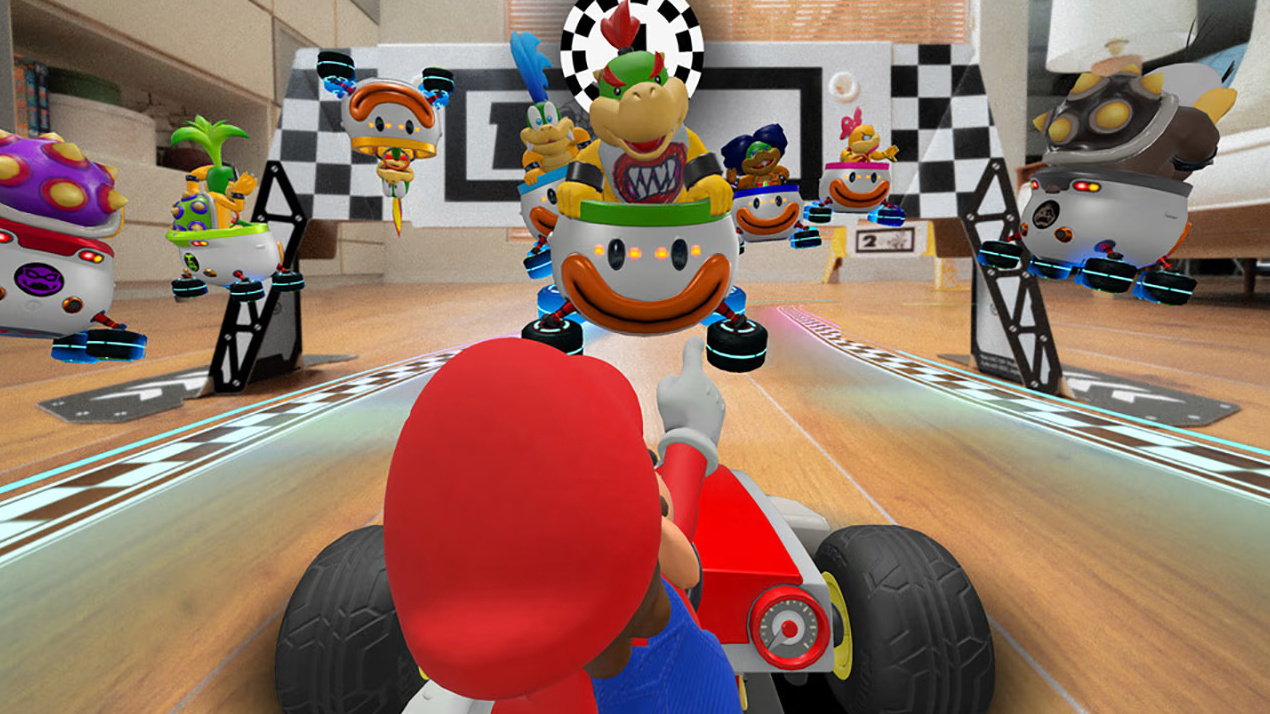
Nintendo’s mascot has the opposite problem of obscurity. Mario is everywhere, and the company is so good at using him that the ubiquity can almost hide itself. Almost. Platformers, kart racers, parties, sports titles, RPGs, remakes, anniversary pushes, and whatever else the hardware cycle needs all keep circling back to the same mustached insurance policy. Super Mario Bros. Wonder proved the core platforming still has life, and Mario Kart World showed how easily the brand can expand again, but saturation does not need low quality to become real. It just needs one character to become the answer to every commercial question. | © Nintendo

Cropped Final Fantasy

17. Final Fantasy

Grandeur has never been the issue with Final Fantasy. If anything, the series suffers from having too many ways to remain grand at all times. Mainline entries, MMOs, mobile games, spin-offs, remasters, and the sprawling Final Fantasy VII remake project have turned one legendary name into a permanently active ecosystem. Final Fantasy VII Rebirth alone is part of a three-game reimagining of one older classic, which says a lot about how the brand now operates. The ambition is real, and often impressive, but rarity used to be part of the magic. These days the logo shows up so often that awe has to compete with brand fatigue. | © Square Enix

Cropped donkey kong

18. Donkey Kong

For a character who disappears for stretches, Donkey Kong has an oddly repetitive aura. Every time Nintendo brings him back, the pitch tends to arrive wrapped in the same familiar ingredients: jungle iconography, brute-force platforming, nostalgia for older eras, and a reminder that this ape still matters. Donkey Kong Bananza gives the series a fresh visual push and a bigger modern frame, but it also shows how tightly the character is still tethered to legacy instincts. That is the funny part of DK fatigue. It is not caused by nonstop yearly overuse. It comes from seeing the same identity reheated whenever the brand returns. | © Nintendo

Cropped The Legend of Zelda Tears of the Kingdom

19. The Legend of Zelda

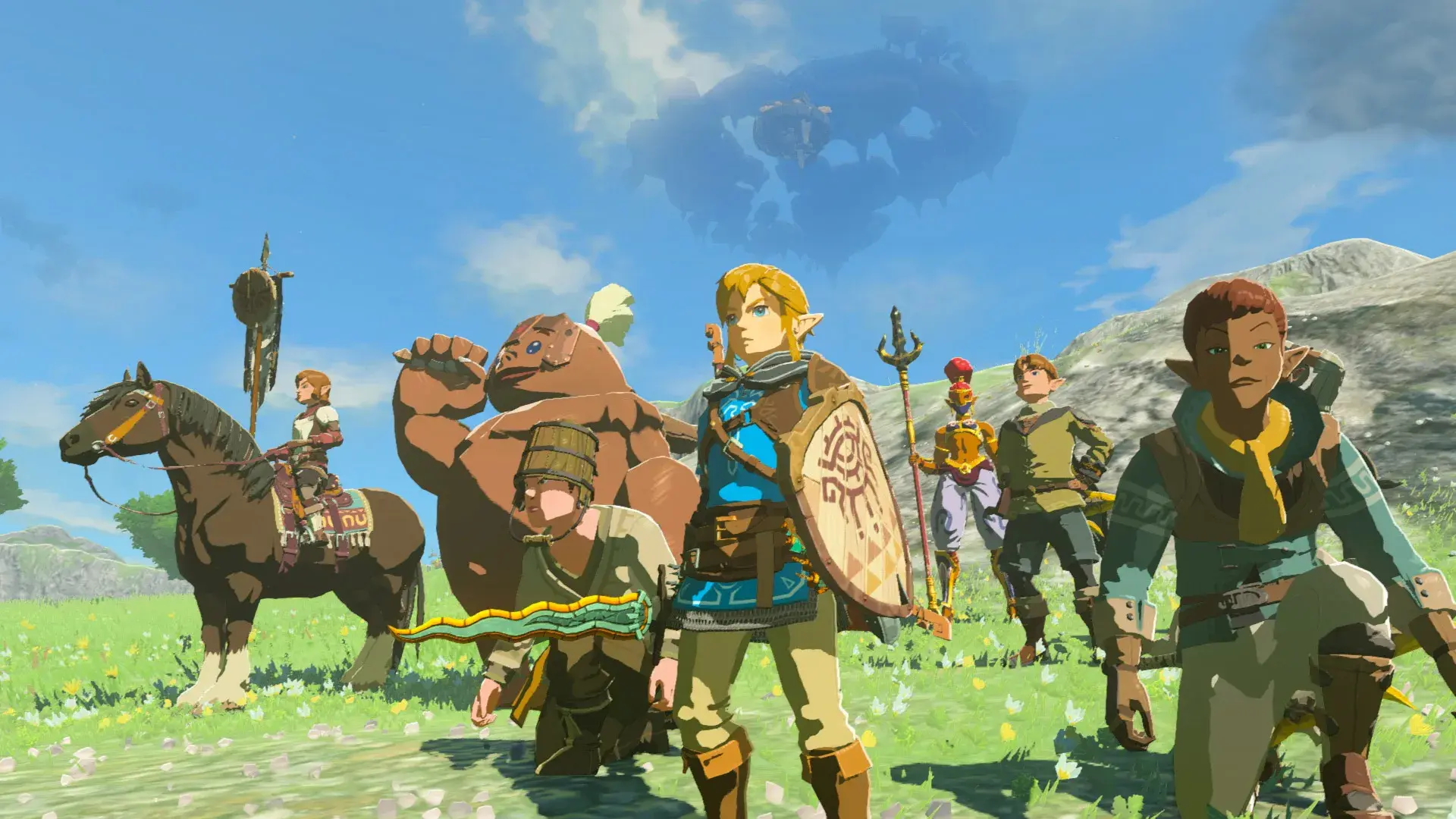
This one needs a careful line, because Nintendo has not cheapened The Legend of Zelda the way other publishers cheapen their biggest names. The fatigue comes from the sheer weight of the surrounding ecosystem. Between marquee adventures like Tears of the Kingdom, newer entries like Echoes of Wisdom, upgraded editions, subscription-library visibility, and constant prestige treatment, the series never really leaves the cultural storefront. That does not make the games less special, but it does change their texture a little. What once felt rare now feels permanently curated, always available in some polished form, always ready to be sold back as a moment. | © Nintendo

Cropped STAR WARS

20. Star Wars

A galaxy this large should feel limitless, yet Star Wars games often arrive carrying the same brand-management gravity as the films and shows around them. The names change, the studios change, the genres shift a little, but the franchise keeps circling the same corporate challenge: how to make a massive licensed universe feel exciting instead of continuously monetized. Jedi: Survivor delivered another polished single-player adventure, while Star Wars Outlaws pushed into open-world territory with post-launch add-ons already attached. There is still room for great games here. The fatigue comes from how often each new one feels like another assignment for an endlessly managed empire. | © Lucasfilm Games

1-20

There comes a point when a hit series stops feeling like an event and starts feeling like a factory line. The best video game franchises know how to evolve, surprise players, and justify another sequel, but plenty of big names have kept going long after the spark was gone. Some were stretched by safe ideas, annualized releases, or nostalgia doing all the heavy lifting. These are the gaming series that once felt essential and now feel like they are running on fumes.
  • Facebook X Reddit WhatsApp Copy URL

There comes a point when a hit series stops feeling like an event and starts feeling like a factory line. The best video game franchises know how to evolve, surprise players, and justify another sequel, but plenty of big names have kept going long after the spark was gone. Some were stretched by safe ideas, annualized releases, or nostalgia doing all the heavy lifting. These are the gaming series that once felt essential and now feel like they are running on fumes.

Related News

More
Taiga Kagami from Kurokos Basketball
Entertainment
15 Anime Side Characters Who Outshine the Protagonist
Government Cheese Season 1
TV Shows & Movies
15 Great Apple TV Shows No One Ever Talks About
Fright Night
TV Shows & Movies
Top 15 Best Horror Movies of the 1980s
Cropped 500 Days of Summer
TV Shows & Movies
15 Movies Where the Protagonist Realizes He’s the Villain
Mr Brooks
TV Shows & Movies
15 Near-Perfect 2000s Movies That Are Worth Rewatching Today
Haze
Gaming
15 Video Games That Nobody Defends Anymore
Edward Elric
Entertainment
15 Smartest Characters in Anime History
Nicole kidman moulin rouge cropped processed by imagy
Entertainment
15 Celebrities Who Went to High School With Other Celebrities
Chloë Grace Moretz in Kick Ass
Entertainment
15 Actors Who Were Too Young for Their Characters
The road 2009 cropped processed by imagy
TV Shows & Movies
15 Movies That Are 10/10 but You’ve Never Watched Them
A Plague Tale Series
Gaming
Top 10 Best Medieval RPGs to Get Lost In
Chadwick boseman black panther cropped processed by imagy
TV Shows & Movies
25 Famous Actors Who Died Too Soon
  • All Gaming
  • Videos
  • News
  • Home

Subscribe to our Newsletter

Sign up for selected EarlyGame highlights, opinions and much more

About Us

Discover the world of esports and video games. Stay up to date with news, opinion, tips, tricks and reviews.
More insights about us? Click here!

Links

  • Affiliate Links
  • Privacy Policy
  • Impressum and Disclaimer
  • Advertising Policy
  • Our Editorial Policy
  • About Us
  • Authors
  • Ownership

Partners

  • Kicker Logo
  • Efg esl logo
  • Euronics logo
  • Porsche logo
  • Razer logo

Charity Partner

  • Laureus sport for good horizontal logo

Games

  • Gaming
  • Entertainment
  • Creators
  • TV Shows & Movies
  • EA FC
  • Fortnite
  • League of Legends
  • Codes
  • Mobile Gaming
  • Videos
  • Call of Duty
  • Rocket League
  • APEX
  • Reviews
  • Galleries
  • News
  • Your Future

Links

  • Affiliate Links
  • Privacy Policy
  • Impressum and Disclaimer
  • Advertising Policy
  • Our Editorial Policy
  • About Us
  • Authors
  • Ownership
  • Copyright 2026 © eSports Media GmbH®
  • Privacy Policy
  • Impressum and Disclaimer
  • Update Privacy Settings
English
English
  • English
  • German
  • Spanish
  • EarlyGame india