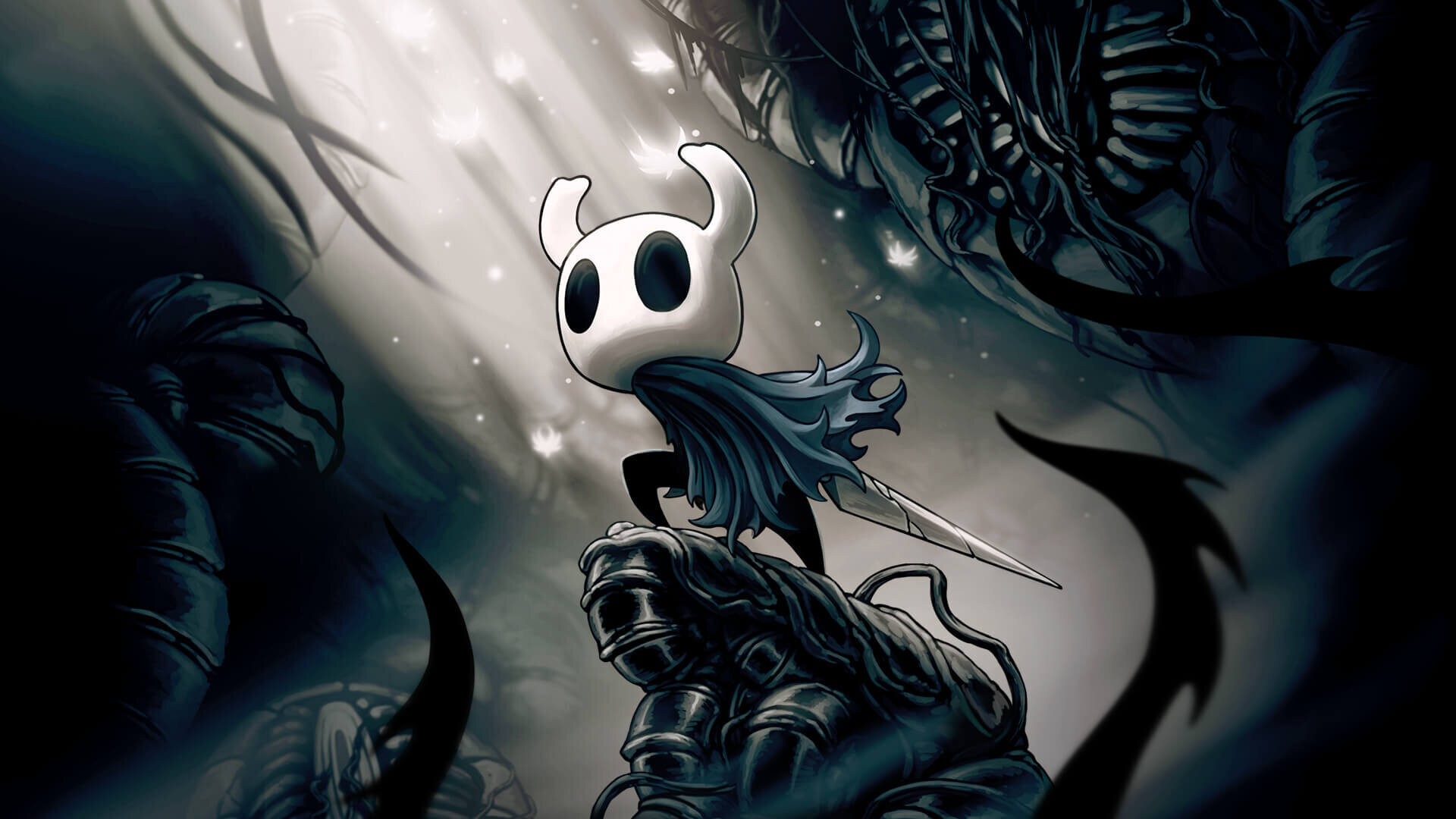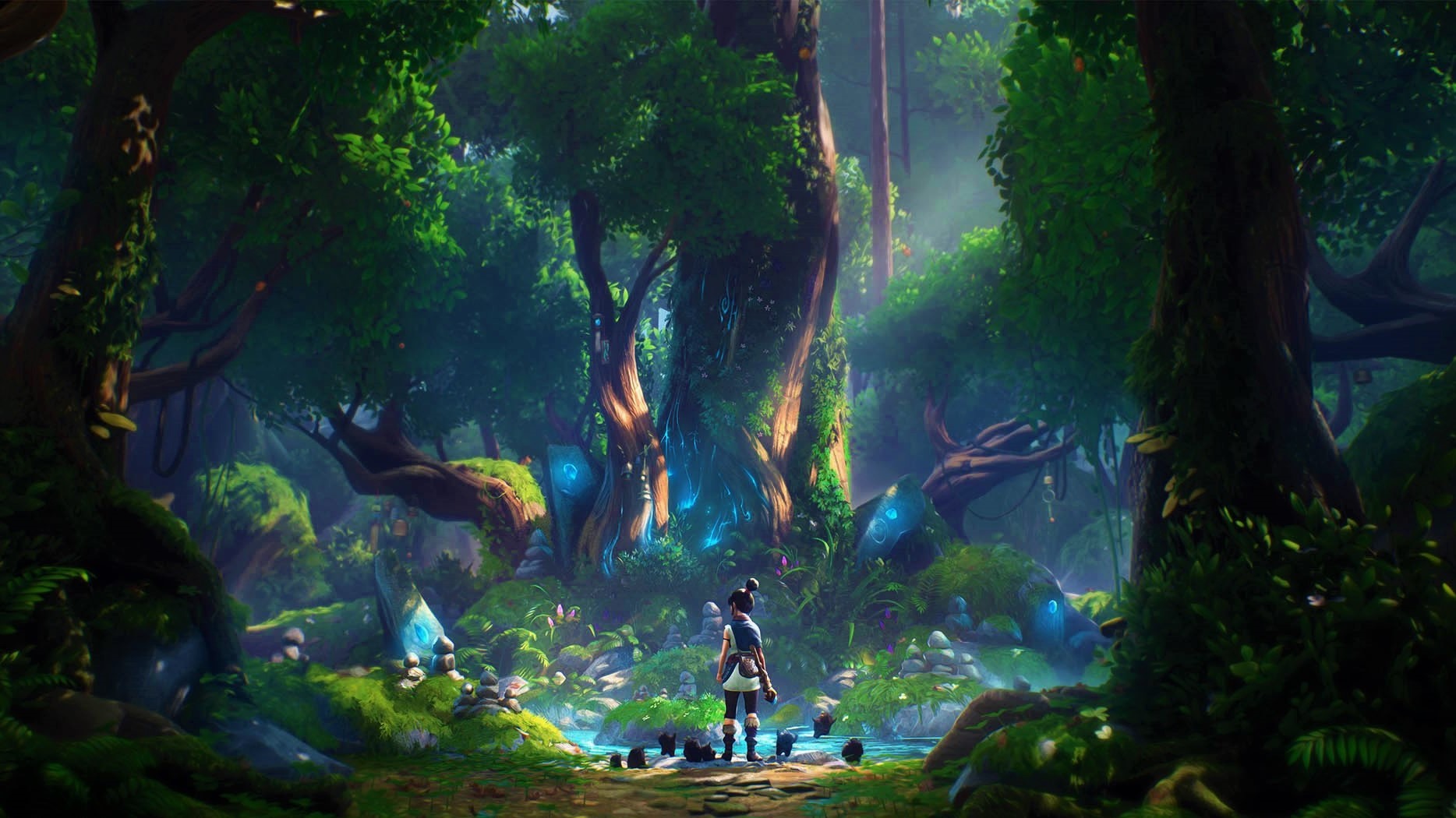

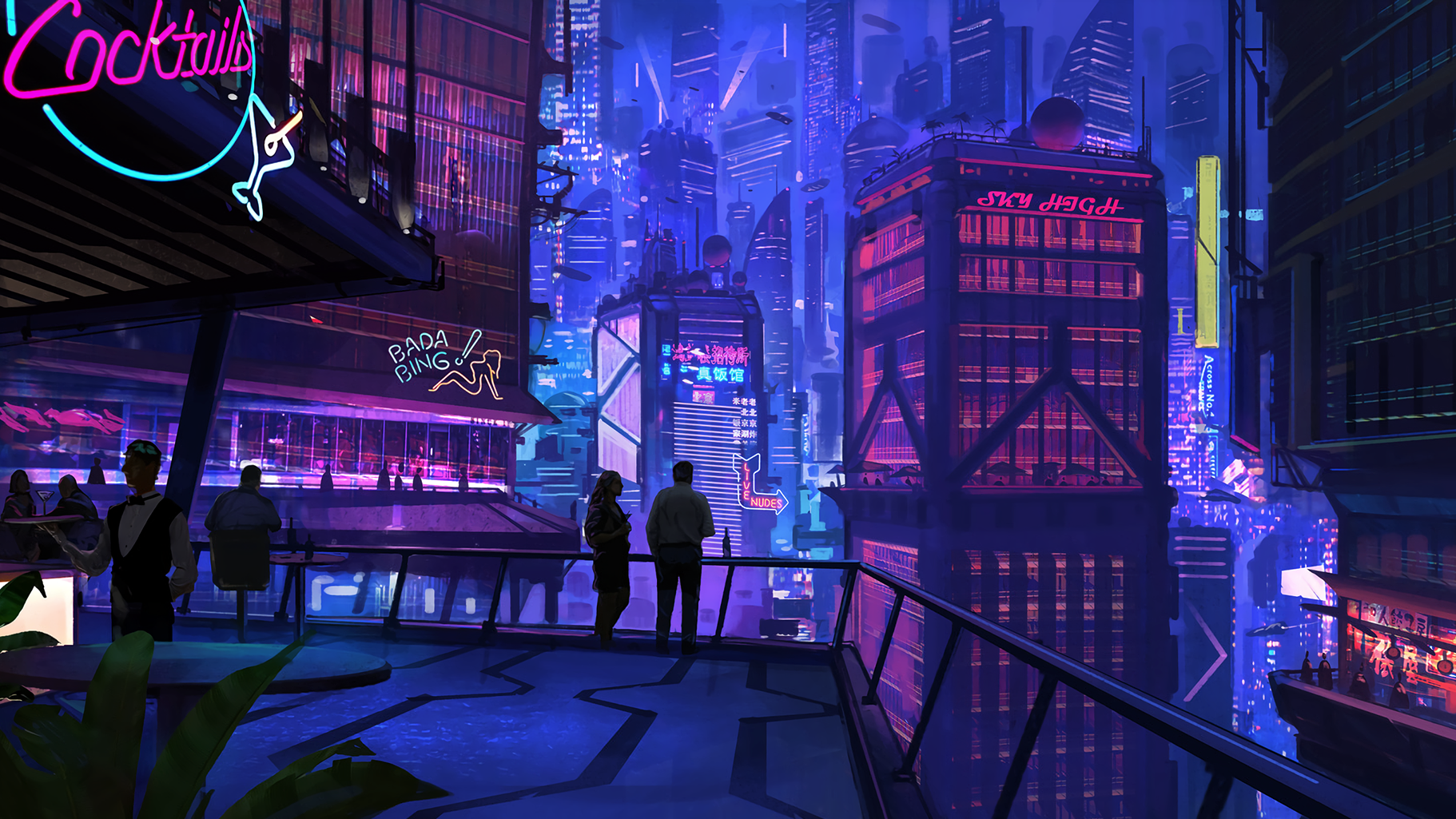
























Cutting-edge graphics date fast, but a rare few games made art choices so smart they still look stunning long after their console generation faded. Here are 15 video games that are aging with grace.
Still got it.
Explosions in Battlefield 4 still look like actual disasters instead of particle effects thrown at a wall. Buildings crumble floor by floor during the Levolution moments, and none of the destruction reads as dated. Water, smoke, and lighting hold up because DICE built the Frostbite engine around physical simulation instead of simple decoration. Most military shooters from this era look like plastic toys now, but this one still feels like an active warzone. | © Electronic Arts
Diablo II never relied on realism, so time never caught up with its aesthetic. The isometric camera keeps everything at a dark fantasy distance, rendering torchlight, blood, and gothic ruins in crisp sprite work that remains perfectly legible. Blizzard leaned into mood over raw detail to preserve the game's timeless visual appeal. More than twenty years later, Tristram remains the same grim, satisfying nightmare players fell in love with. | © Blizzard Entertainment
Gordon Freeman never says a word, but City 17 does all the talking in Half-Life 2. Valve built a crumbling Eastern Bloc dystopia out of physics puzzles, alien architecture, and secret police that still feels oppressive. The facial animation on characters like Alyx and Kleiner holds up because programmers built it on actual muscle structure. Most games from 2004 look like museum pieces, but this masterpiece still runs like a modern release. | © Valve
Faith Connors runs across rooftops in a city scrubbed clean of grime, navigating white concrete and glass under a vibrant orange or blue sky. Mirror's Edge leaned into flat colors and clean shapes instead of chasing photorealism, keeping the art style remarkably fresh. The red objects marking your path pop with the same intensity they did in 2008. While other games from this era look muddy today, this one retains the crispness of a high-end poster. | © Electronic Arts
Bright Falls still looks like a place that could swallow a person whole. Alan Wake leans on thick fog, towering pine trees, and flickering streetlights instead of raw hardware power, ensuring the atmosphere never depends on outdated tech tricks. Pages of the in-game manuscript flutter through wind and rain that hold up against modern lighting engines. The Pacific Northwest setting ages like a great campfire story. | © Remedy Entertainment / Epic Games
Borderlands 2 dodged the aging problem of its contemporaries by ignoring realistic graphics entirely. Gearbox drew the world with thick black outlines and comic book shading, transforming Pandora into a moving illustration. This stylistic choice ensures the guns, enemies, and desolate wastelands pop exactly as they did on release day. While realistic graphics chase a moving target, illustrations remain timeless. | © 2K Games
Team Fortress 2 skipped realism entirely and went straight for cartoon logic, preserving its visual appeal across decades. Valve utilized exaggerated silhouettes and Pixar-style shading instead of high texture resolutions, making every character class instantly recognizable at a distance. This design choice completely bypassed the uncanny valley issues plaguing other shooters of the era. A Heavy still looks like a Heavy, completely unaffected by the passage of time. | © Valve
Geralt's second outing traded the clunky combat of the original game for sharper action, and the visuals received a massive upgrade. Dense forests, war-torn villages, and candlelit interiors hold up because the revolutionary lighting work was so far ahead of its time. CD Projekt Red prioritized mood and atmospheric depth over raw polygon counts. A decade later, these damp swamps still feel incredibly immersive. | © CD Projekt
Fog served as a brilliant workaround for hardware limits in Silent Hill 2, ultimately defining the entire identity of the game. That gray haze hides the rough edges modern eyes would otherwise pick apart, allowing the crumbling apartments and rusted hospital halls to feel timeless. James Sunderland's world continues to unsettle players because the dread stems from masterclass sound design and empty spaces. Konami built psychological horror that transcends graphics cards. | © Konami
Proteus drops players on a tiny procedural island with no set goals, enemies, or explanations. Every tree, hill, and animal consists of simple, blocky shapes, with colors that shift dynamically alongside the seasonal soundtrack. This simplicity protects the game from aging, leaving no outdated textures or complex effects to expose its era. It feels less like an old indie title and more like a playable mood. | © Twisted Tree Games
Nintendo caught heat in 2002 for making Link look like a cartoon instead of the gritty teenager fans expected. However, the cel-shaded world of open oceans and toon-shaded islands in The Legend of Zelda: The Wind Waker successfully dodged the graphical decay that ruins realistic titles. Character faces carry genuine expression, and the vibrant color palette remains stunningly beautiful today. | © Nintendo
Every screen in Machinarium looks like a hand-painted canvas because the artists drew the assets by hand. The rusted robots and cluttered junkyards feel more like a storybook than a piece of running software. The game dispenses with dialogue and text explanations, focusing instead on a small robot named Josef solving puzzles in a world both melancholic and humorous. Fifteen years later, the art style has not aged a single day. | © Amanita Design
Portal never relied on realistic textures or complex lighting to impress, which is why the visual design remains incredibly sharp. The sterile white test chambers, bright orange portals, and clean laboratory aesthetics do not require massive graphical horsepower to feel convincing. GLaDOS delivers her lines over sparse, clinical rooms where the simplicity feels highly intentional, and the facility still looks like the work of a brilliant, vengeful intelligence. | © Valve
Ori and the Blind Forest transformed a hand-painted environment into an interactive work of art. Moon Studios designed every tree, glowing spore, and beam of light to feel alive, relying on artistic softness rather than raw hardware strength. The art style ages like a classic painting because the developers never chased realistic benchmarks. A decade after its release, the Nibel forest still looks freshly illustrated. | © Xbox Game Studios
Every frame of Cuphead was hand-drawn and inked on paper before being placed over actual watercolor backgrounds, preventing it from looking like a cheap digital filter. Studio MDHR strictly adhered to 1930s animation rules, incorporating scratchy line wobbles and authentic film grain. The bosses move with the iconic rubber-hose bounce of classic Fleischer cartoons, forcing players to study the beautiful animations to survive. This uncompromising commitment ensures the game looks flawless. | © Xbox Game Studios
Cutting-edge graphics date fast, but a rare few games made art choices so smart they still look stunning long after their console generation faded. Here are 15 video games that are aging with grace.