


















• EarlyGame PLUS top logo
  • Join to get exclusive perks & news!
English
    • News
    • Guides
    • Gaming
      • Codes
      • League of Legends
    • Creators
    • Entertainment
    • Careers
    • EarlyGame+
  • Login
  • Homepage My List Settings Sign out
  • News
  • Guides
  • Gaming
    • All Gaming
    • Codes
    • League of Legends
  • Creators
  • Entertainment
  • Careers
  • EarlyGame+
Game selection
Kena
Gaming new
Enterianment CB
ENT new
Influencer 5229646 640
TV Shows Movies Image
TV shows Movies logo 2
Fifa stadium
Fc24
Fortnite Llama WP
Fortnite Early Game
LOL 320
Lo L Logo
Codes bg image
Codes logo
Smartphonemobile
Mobile Logo
Videos WP
Untitled 1
Cod 320
Co D logo
Rocket League
Rocket League Text
Apex 320
AP Ex Legends Logo
DALL E 2024 09 17 17 03 06 A vibrant collage image that showcases various art styles from different video games all colliding together in a dynamic composition Include element
Logo
Logo copy
GALLERIES 17 09 2024
News 320 jinx
News logo
More EarlyGame
Esports arena

Polls

Razer blackhsark v2 review im test

Giveaways

Rocket league videos

Videos

Valorant Tournament

Events

  • Copyright 2026 © eSports Media GmbH®
  • Privacy Policy
  • Impressum and Disclaimer
 Logo
English
  • English
  • German
  • Spanish
  • EarlyGame india
  • Homepage
  • Gaming

Top 20 Most Addictive Video Games Of All Time

1-20

Ignacio Weil Ignacio Weil
Gaming - April 7th 2026, 23:55 GMT+2
Balatro

20. Balatro (2024)

At first, it feels like a clever little card run built around simple math and quick decisions. Then Balatro starts revealing how much room there is inside those rules, and that is when the obsession kicks in. A single joker can reshape an entire strategy, one lucky shop can turn a shaky build into a monster, and every failed attempt feels less like a loss than a draft that almost worked. That is why it becomes so easy to hit restart without thinking twice. The game keeps players locked in by making experimentation feel rewarding even when the run falls apart. | © LocalThunk

Rust

19. Rust (2018)

Sleep becomes part of the risk when a game refuses to pause its cruelty after logout. In survival sandboxes, that pressure can sometimes feel artificial, but Rust makes it personal through raids, betrayals, revenge runs, and the constant fear that hours of work could vanish while nobody is watching. Gathering resources is only the surface-level task; the real addiction comes from defending territory and trying to stay one step ahead of other players who want the same things. Every session can swing from quiet routine to total disaster with almost no warning. That permanent instability is what keeps people checking back in. | © Facepunch Studios

Call of Duty

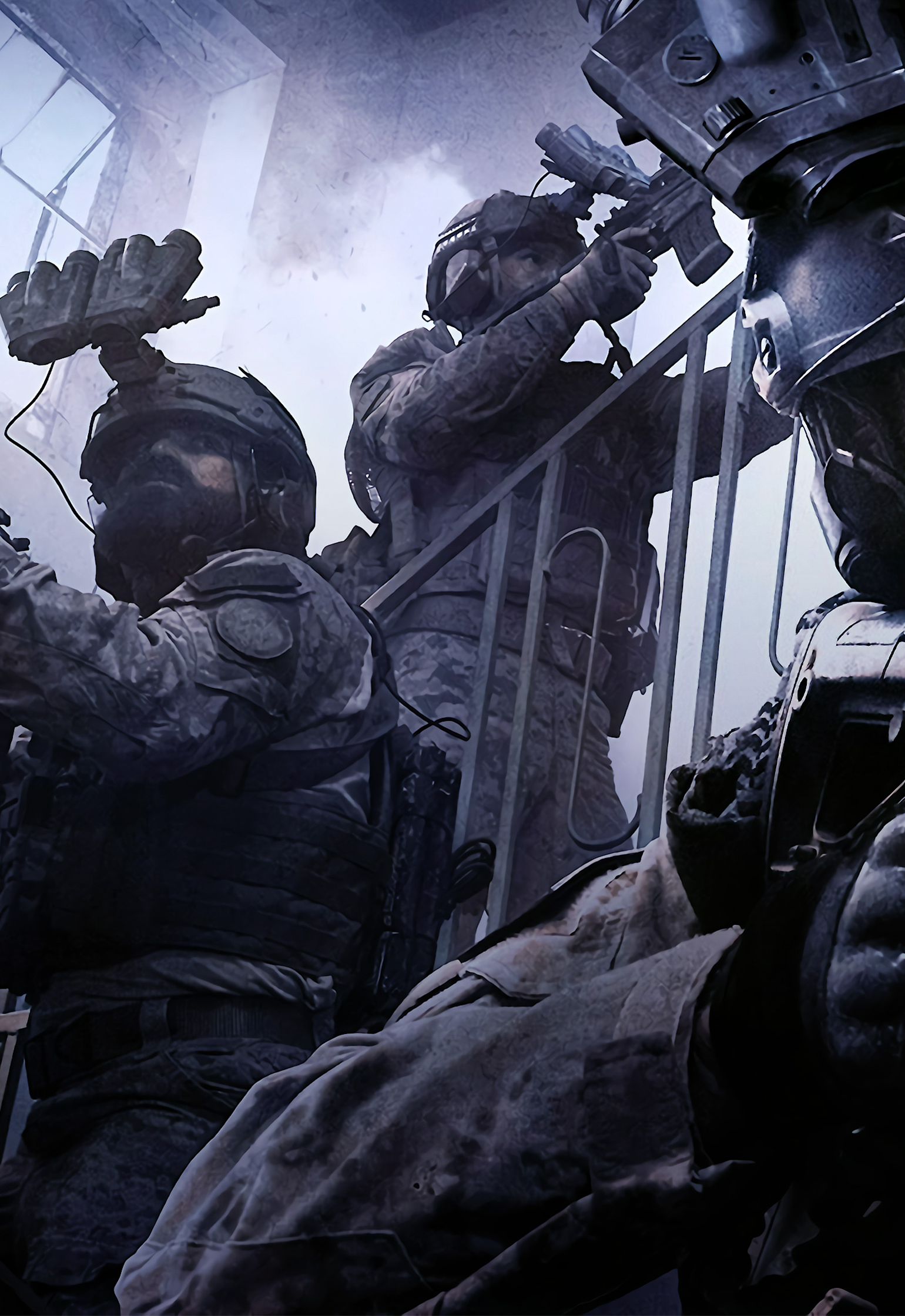
18. Call of Duty series (2003)

Reflex matters more than patience in a shooter built to keep momentum alive. Fast respawns, sharp gunplay, and a progression ladder that always seems one match away from another reward create a loop with almost no natural stopping point. A bad lobby makes revenge feel necessary, while a great one dares the player to queue again before the feeling cools off. Campaign spectacle helped shape the brand, but the real staying power came from multiplayer habits that turned spare minutes into lost evenings. Plenty of shooters have burned hot for a while, yet the Call of Duty series turned quick matches into a long-term ritual. | © Activision

Cropped Skyrim

17. The Elder Scrolls V: Skyrim (2011)

The funniest part about wandering through an open-world RPG is how quickly the original plan stops mattering. A trip to sell gear can become a cave dive, a dragon fight, a faction storyline, or an hour spent following some random path just to see where it leads. That constant drift is the real engine behind its longevity, because The Elder Scrolls V: Skyrim keeps making distraction feel more rewarding than discipline. The map is crowded with detours that rarely announce themselves as important until the player is already deep inside them. What looks like aimlessness from the outside is exactly what makes the experience so hard to put down. | © Bethesda Game Studios

Diablo 2 msn

16. Diablo II (2000)

Loot can keep a person in front of a screen longer than story ever will, especially when each run carries the faint promise of something game-changing. That promise is what gave Diablo II such a vicious hold, because the action never needed to be complicated to feel rewarding. Kill a mob, check the drop, compare the gear, go again, and somehow the repetition starts feeling more urgent instead of less. Dry spells do not weaken the pull either; they usually make the next attempt feel more necessary. That cycle kept turning dungeon clears into marathons for years. | © Blizzard Entertainment

Cropped Stardew Valley

15. Stardew Valley (2016)

There is no need for loud spectacle when progress itself is this persuasive. One more in-game day means one more harvest, one more fishing trip, one more gift for a neighbor, or one more push toward an upgrade that suddenly feels too close to ignore. The structure keeps feeding the player small rewards at such a steady pace that stopping can feel strangely unnatural. When Stardew Valley is at its best, it does not create urgency through danger, but through attachment to a routine that keeps paying off in quiet ways. That softer kind of addiction is still addiction, just wrapped in a much calmer package. | © ConcernedApe

Cropped Satisfactory

14. Satisfactory (2019)

A conveyor belt is never just a conveyor belt once efficiency starts taking over the brain. The appeal here is not only building a working factory, but redesigning it over and over until the whole thing feels cleaner, faster, and more satisfying to watch in motion. Somewhere along the way, Satisfactory turns logistical problem-solving into a compulsion, because every solution immediately exposes another weak point begging to be fixed. Power grids need expansion, layouts need rethinking, and production lines always seem one tweak away from becoming ideal. That pursuit of a better system can swallow an entire evening without much resistance. | © Coffee Stain Studios

The Sims

13. The Sims series (2000)

Ordinary life should not be this absorbing, but routine becomes strangely magnetic once every detail is yours to tweak. Rearranging a kitchen, fixing a relationship, steering a career, or engineering a disaster all carry the same dangerous quality: none of them feel like a good place to stop. The appeal of The Sims series has always come from that low-stakes control, where tiny adjustments pile up until an entire evening disappears into domestic micromanagement. Even the chaos helps, because a broken plan usually creates a better story than a smooth one. That balance between order and unpredictability is what keeps the simulation so easy to sink into. | © Electronic Arts

Cropped minecraft

12. Minecraft (2011)

The obsession here changes shape depending on who is holding the controller. One player vanishes into mining routes, another into elaborate building projects, another into survival prep, and someone else into machines that look closer to circuitry than play. That flexibility gave Minecraft its unusual grip, because the game never pushes everyone toward the same kind of fixation. It simply provides space, tools, and enough resistance to make improvement feel satisfying no matter what direction the player chooses. A world like that never runs out of reasons to stay open a little longer. | © Mojang Studios

Cropped Subnautica

11. Subnautica (2018)

Open water has a strange way of making curiosity feel reckless, which is a big part of why this survival game sticks so hard. The deeper the player goes, the more every expedition starts carrying real tension: oxygen, distance, inventory space, and the possibility of something massive moving in the dark. That pressure would already be enough, but Subnautica adds crafting, base-building, story breadcrumbs, and just enough mystery to make retreat feel unsatisfying. The ocean keeps offering one more blueprint, one more cave, one more signal to follow below the safe zone. It is an anxious kind of addiction, but a powerful one. | © Unknown Worlds Entertainment

Littlewood

10. Littlewood (2020)

Littlewood works like a soft-spoken time thief. Instead of pulling players in with danger or spectacle, it leans on the pleasure of rebuilding, organizing, decorating, and watching a peaceful town slowly take shape after the adventure is already over. That inversion gives the game a different rhythm from most life sims, but not a weaker one. Chores become satisfying, progression feels steady, and each day tends to end with one more task sitting just close enough to completion to feel irresistible. Rearranging the town layout, improving friendships, and unlocking fresh upgrades all feed the same gentle compulsion. It is a cozy loop with real staying power. | © SmashGames

Cropped Candy Crush

9. Candy Crush (2012)

Phone games rarely get described with the same intensity as bigger console releases, but the compulsion here was impossible to ignore. Bright colors, quick rounds, and that constant sense that the next level might finally be the clean one turned a simple matching puzzle into a ritual for millions of players. The genius of Candy Crush Saga is how neatly it mixes luck, planning, frustration, and reward without asking for much time upfront, because the low commitment is exactly what makes the sessions multiply. A few spare minutes on a train or in a waiting room can vanish almost instantly. That kind of convenience can be as dangerous as any giant RPG. | © King

Civilization

8. Civilization series (1991)

Time disappears in increments when every decision feels small enough to handle and important enough to make right away. A city needs orders, a border needs securing, a rival needs answering, and the plan to quit keeps getting pushed one turn further into the night. That pacing is the secret behind the Civilization series, which makes empire-building feel manageable moment by moment while quietly stretching a session far beyond what the player intended. Progress arrives in neat steps, but each step opens another branch that looks too meaningful to leave for tomorrow. That famous reputation was earned honestly, one vanished evening at a time. | © 2K

Total War WARHAMMER

7. Total War series (2000)

Grand strategy can already swallow entire afternoons before the first battle even begins, and then this franchise adds the extra temptation of stepping onto the field to watch the plan either work beautifully or collapse in real time. Campaign turns create their own momentum through expansion, diplomacy, army management, and the constant urge to finish just one more objective before getting up. Once the fighting starts, the scale changes but the grip does not. The Total War series has always thrived on that double hook, combining empire-building with tactical spectacle in a way that makes stopping feel awkward at almost any point. There is always another province, another war, another turn. | © Creative Assembly

Cropped Factorio

6. Factorio (2020)

Efficiency can be more intoxicating than action when a game understands how to make improvement feel endless. Belts begin to multiply, machines start feeding other machines, and before long the entire session revolves around fixing one bottleneck that somehow opened three more. That is the brilliance of Factorio: progress never arrives as a final state, only as a temporary version of something that could still run better. Expanding production feels rewarding, but tearing it apart and rebuilding it more cleanly can feel even better once the logic starts clicking. Hours vanish inside that cycle because optimization stops looking like work and starts behaving like compulsion. | © Wube Software

Rim World

5. RimWorld (2018)

Disaster is not a setback here. It is the engine. A colony can be running smoothly for a while, and then a raid, a mental break, a fire, or a medical emergency scrambles the entire plan in minutes. That instability is exactly what gives RimWorld its hold, because the game keeps turning management into storytelling without ever making the outcome feel fully safe. Every survivor has habits, weaknesses, and needs that can collide in ugly or hilarious ways, which makes even small problems feel strangely personal. The result is a strategy game that keeps players glued to the screen because the next crisis always feels like the start of a better story. | © Ludeon Studios

Cropped rocket league

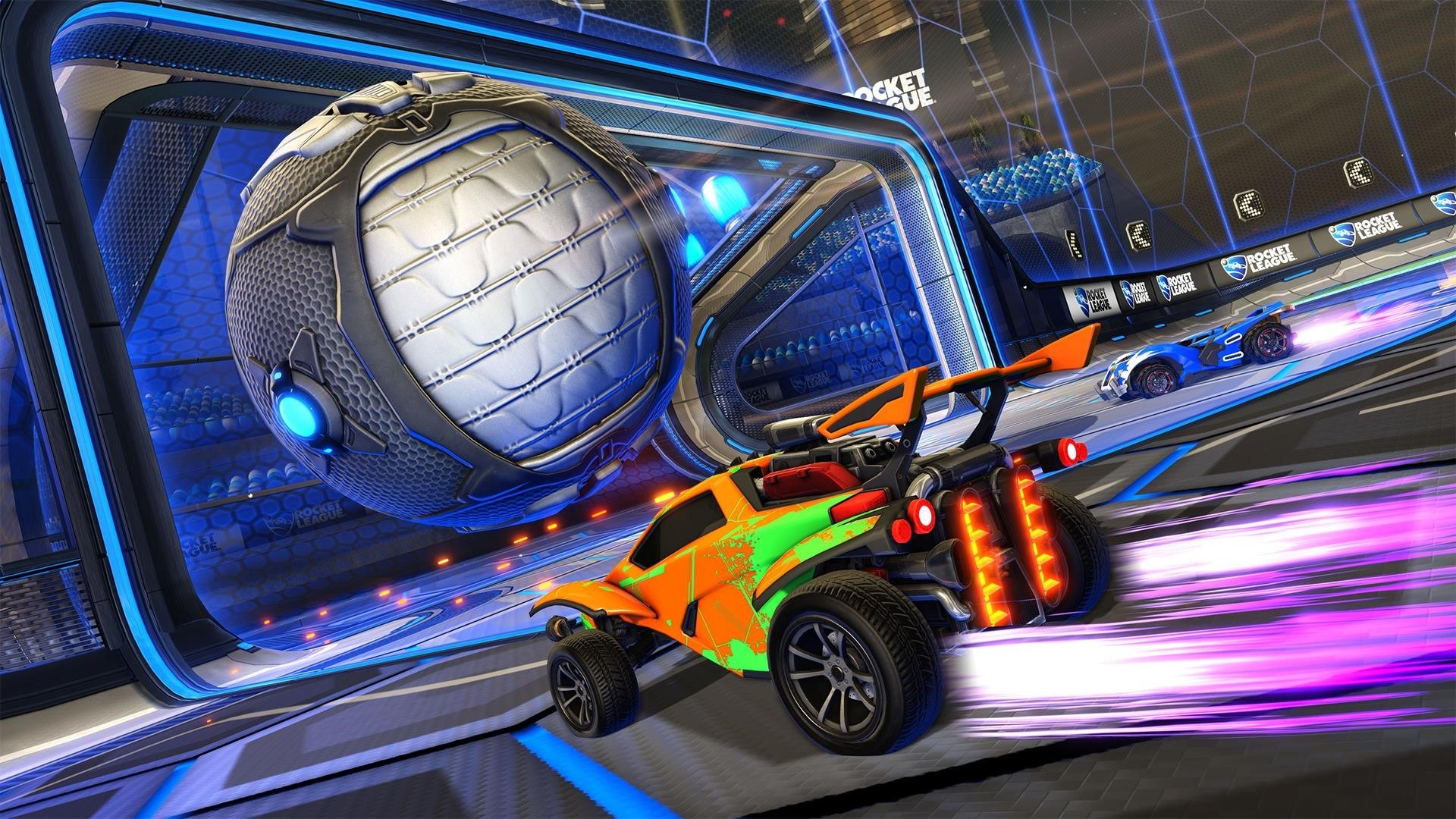
4. Rocket League (2015)

It takes almost no time to understand the premise, which is part of what makes the trap so effective. Cars, a ball, short matches, and a skill ceiling that keeps stretching the more confident the player becomes create a loop that is easy to enter and difficult to escape. One clean goal can carry a ridiculous amount of satisfaction, while one missed save can make another match feel mandatory. Over time, Rocket League turns mechanical improvement into its own addiction, because every session offers visible proof that timing, positioning, and control are getting sharper. That mix of simplicity and mastery keeps the game endlessly queueable. | © Psyonix

Cropped League of Legends

3. League of Legends (2009)

Competitive frustration usually drives people away. Here, it often drags them straight back into queue. A narrow loss feels fixable, a messy defeat feels personal, and one strong performance can convince the player that the next match will finally line up with how well they are actually playing. Somewhere inside that emotional swing, League of Legends became less of a game for many people and more of a recurring habit. Ranked pressure, shifting metas, and team chemistry keep reshaping the experience, but the compulsion still comes from wanting one cleaner result before logging off. | © Riot Games

Cropped Fortnite

2. Fortnite (2017)

A live-service giant only stays on top this long if it keeps finding new ways to pull players back in. Seasonal resets, map changes, limited-time events, battle pass progression, and the social ease of dropping into a squad all helped Fortnite become more than a battle royale. Even when the shooting is not at its sharpest, the game keeps surrounding each match with enough rewards, novelty, and shared momentum to make leaving feel mistimed. There is always another cosmetic to unlock, another weekly objective to clear, another update changing the tone of the whole experience. That constant renewal is what turned it into a habit for an entire generation. | © Epic Games

Cropped World of Warcraft

1. World of Warcraft (2004)

For a long time, daily routine and online routine blurred together for millions of players. Logging in was not just about combat; it meant checking professions, chasing gear, running dungeons, showing up for guild plans, and finding another piece of progress that felt too useful to postpone. What made World of Warcraft so consuming was the way it stacked those systems without letting any one of them feel final. Finish one goal, and three more are already waiting on another character, another reputation track, or another night with the same group. That layered sense of obligation and reward is why the game occupied so much real life as well as screen time. | © Blizzard Entertainment

1-20

A truly addictive game does not ask for your attention politely. It hijacks your evening, turns one mission into five, and makes “I’ll stop after this” feel like a joke you keep telling yourself. The best ones are built around momentum, and once it starts, it is hard to step away.

Across decades of gaming, a handful of titles have mastered that pull better than the rest. These are the releases that swallowed weekends, wrecked sleep schedules, and kept players coming back long after they meant to quit.


  • Facebook X Reddit WhatsApp Copy URL

A truly addictive game does not ask for your attention politely. It hijacks your evening, turns one mission into five, and makes “I’ll stop after this” feel like a joke you keep telling yourself. The best ones are built around momentum, and once it starts, it is hard to step away.

Across decades of gaming, a handful of titles have mastered that pull better than the rest. These are the releases that swallowed weekends, wrecked sleep schedules, and kept players coming back long after they meant to quit.

Related News

More
Mel Gibson
Entertainment
15 Actors Who Were Literally Discovered by Accident
The Sopranos
TV Shows & Movies
15 Shows You Should Watch if You Like The Sopranos
Spirited Away
TV Shows & Movies
15 Anime Movies With the Most Insane Visuals
Gene Simmons
Galleries
15 Celebrities Who Were Forced To Hide Their Ethnicity
Lady Gaga
Entertainment
These 15 Celebrities Are Obsessed With Tattoos
Half Life 2
Gaming
The 15 Most Ambitious Games in History
Cropped Metal Gear
Gaming
20 Video Game Franchises with No Bad Games
Bill Burr
Entertainment
15 Actors Who Refused to Film With Woke Scripts
Cropped Morbius
Entertainment
15 Blockbusters That Were Obviously Going to Flop
Jack and Jill Al Pacino cropped processed by imagy
Entertainment
15 Great Actors Who Couldn’t Save Bad Movies
Bella Ramsey
Entertainment
25 Actresses With The Most Unique Facial Features
The Sting 1973
TV Shows & Movies
25 Award-Winning Movies To Watch On Netflix
  • All Gaming
  • Videos
  • News
  • Home

Subscribe to our Newsletter

Sign up for selected EarlyGame highlights, opinions and much more

About Us

Discover the world of esports and video games. Stay up to date with news, opinion, tips, tricks and reviews.
More insights about us? Click here!

Links

  • Affiliate Links
  • Privacy Policy
  • Impressum and Disclaimer
  • Advertising Policy
  • Our Editorial Policy
  • About Us
  • Authors
  • Ownership

Partners

  • Kicker Logo
  • Efg esl logo
  • Euronics logo
  • Porsche logo
  • Razer logo

Charity Partner

  • Laureus sport for good horizontal logo

Games

  • Gaming
  • Entertainment
  • Creators
  • TV Shows & Movies
  • EA FC
  • Fortnite
  • League of Legends
  • Codes
  • Mobile Gaming
  • Videos
  • Call of Duty
  • Rocket League
  • APEX
  • Reviews
  • Galleries
  • News
  • Your Future

Links

  • Affiliate Links
  • Privacy Policy
  • Impressum and Disclaimer
  • Advertising Policy
  • Our Editorial Policy
  • About Us
  • Authors
  • Ownership
  • Copyright 2026 © eSports Media GmbH®
  • Privacy Policy
  • Impressum and Disclaimer
  • Update Privacy Settings
English
English
  • English
  • German
  • Spanish
  • EarlyGame india