
















• Lootday.com logo
  • Join today to claim your daily loot
English
    • News
    • Guides
    • Gaming
      • Codes
      • League of Legends
      • Lootday
    • Creators
    • Entertainment
    • Careers
    • Lootday
    • EarlyGame+
  • Login
  • Homepage My List Settings Sign out
  • News
  • Guides
  • Gaming
    • All Gaming
    • Codes
    • League of Legends
    • Lootday
  • Creators
  • Entertainment
  • Careers
  • Lootday
  • EarlyGame+
Game selection
Kena
Gaming new
Enterianment CB
ENT new
Influencer 5229646 640
TV Shows Movies Image
TV shows Movies logo 2
Fifa stadium
Fc24
Fortnite Llama WP
Fortnite Early Game
LOL 320
Lo L Logo
Codes bg image
Codes logo
Smartphonemobile
Mobile Logo
Videos WP
Untitled 1
Cod 320
Co D logo
Rocket League
Rocket League Text
Apex 320
AP Ex Legends Logo
DALL E 2024 09 17 17 03 06 A vibrant collage image that showcases various art styles from different video games all colliding together in a dynamic composition Include element
Logo
Logo copy
GALLERIES 17 09 2024
News 320 jinx
News logo
Lootday bg
Guides
More EarlyGame
Logo copy

Galleries

Lootday bg

lootday

News

News

Codes bg image

Codes

Razer blackhsark v2 review im test

Giveaways

  • Copyright 2026 © eSports Media GmbH®
  • Privacy Policy
  • Impressum and Disclaimer
 Logo
English
  • English
  • German
  • Spanish
  • EarlyGame india
  • Homepage
  • Gaming

15 Video Game Franchises That Lost Their Identity

1-15

Ignacio Weil Ignacio Weil
Gaming - August 24th 2026, 22:00 GMT+2
Cropped Call of Duty black ops 7

15. Call of Duty

Black Ops 7 may be the cleanest proof that Call of Duty no longer knows whether it is a military shooter, a co-op looter or a storefront with rifles. Its campaign is always online, cannot be paused, drops traditional checkpoints and builds missions around four players even when you enter alone. Add a surreal plot, boss fights, post-campaign grinding and cosmetic crossover energy leaking through the wider package, and the old promise of a tightly directed blockbuster war story feels remote. Multiplayer and Zombies still have teeth; the franchise surrounding them now resembles a platform designed to sell the next season. | © Activision

Saints Row

14. Saints Row

The final Saints Row did not fail because it stopped launching presidents into alien spaceships; it failed because nobody could tell what it wanted to replace that madness with. The reboot traded Johnny Gat and the old Saints for a younger crew discussing rent, student loans and their criminal venture as if Santo Ileso needed a disruptive startup. Its gunplay and mission design felt older than its slang, while bugs made the reset even less convincing. Volition closed the following year, leaving the franchise frozen on the game that stripped away its recognizable cast, aggression and sense of bad taste without finding a sharper identity. | © Deep Silver

Cropped Assassins Creed Origins

13. Assassin’s Creed

Black Flag may have doomed Assassin’s Creed by proving the series worked best when it barely behaved like Assassin’s Creed. Everything afterward has looked like an attempt to solve that contradiction: Unity chased co-op and launched broken, Syndicate lightened the mood, Origins rebuilt the formula as an RPG, and Odyssey and Valhalla buried the hidden blade beneath loot and enormous maps. Mirage promised the old style, Shadows split the difference, and Ubisoft’s newest answer is literally Black Flag Resynced. After this much reinvention, “Assassin” sounds less like an identity than a contractual word in the title. | © Ubisoft

Shadow of the Tomb Raider

12. Tomb Raider

Shadow of the Tomb Raider tried to answer complaints by adding larger tombs, yet it still treated Lara as a crafting, skill-tree-building guerrilla who happened to raid them between firefights. The next move is even more revealing: Legacy of Atlantis is remaking her original adventure for a second time, but recent gameplay has already drawn complaints for carrying Survivor-era crafting and progression into the classic design. A separate project, Catalyst, is supposed to unify Lara’s histories afterward. That is an awful lot of corporate archaeology for a heroine once defined by absolute confidence, twin pistols and the simple thrill of entering somewhere nobody else could. | © Crystal Dynamics

Halo Campaign Evolved

11. Halo

Halo: Campaign Evolved was supposed to prove Halo Studios understood what Bungie built; instead, its new material exposed the gap. Operation: Meteorite adds three prequel missions following Master Chief and Sergeant Johnson aboard a Covenant vessel, with veteran Halo novelist Troy Denning involved in the story. Reception split: some enjoyed the pulpy banter, while other reviewers called the arc forgettable or narratively limp, and fans singled out Lieutenant Williams’ predictable hostility and the Minister of Harmony’s bargain-bin Prophet routine. Server problems and missing competitive multiplayer damaged the package, but the writing cut deeper—the studio could reproduce Halo’s combat and iconography without consistently reproducing its voice. | © Xbox Game Studios

Far Cry 6

10. Far Cry

Far Cry 6 cast Giancarlo Esposito as a dictator, handed the player a rocket-launching backpack and still struggled to produce a personality stronger than its map icons. Traditional skill progression vanished into clothing perks, ammunition became an awkward enemy-type puzzle, and improvised Resolver weapons pushed the guerrilla fantasy toward theme-park chaos. Beneath those additions sat the same outposts, treasure hunts and base-clearing routine Ubisoft had been repainting for years. The latest Far Cry changed plenty of surface details while preserving a template so rigid that overthrowing a dictatorship started feeling like scheduled open-world maintenance. | © Ubisoft

Rainbow Six Siege

9. Tom Clancy’s Rainbow Six

Rainbow Six’s newest releases no longer pretend the old squad-planning game is coming back. Siege X refreshed the decade-old competitive shooter with a new mode, visual upgrades and another runway of seasonal operators, while Rainbow Six Mobile compressed that same attack-versus-defense formula onto phones. The one recent attempt to branch out, Extraction, recycled the operator roster for a co-op war against aliens. All three are recognizable extensions of Siege, not of the tactical series that once let players study blueprints and coordinate multiple teams before breaching a room. Ubisoft found a profitable identity—just not the one attached to Tom Clancy’s name. | © Ubisoft

Cropped Dragon Age The Veilguard

8. Dragon Age

Dragon Age: The Veilguard turned a long-awaited continuation into the series’ clearest identity break. Combat became a glossy action system with only two companions beside Rook and no direct control over them, while the sprawling history of previous saves was reduced to a tiny handful of imported decisions. Thedas remained full of familiar names, but the softer visual style, tidier morality and streamlined role-playing often made it feel as though BioWare had adapted its own lore for a different audience. Earlier sequels changed mechanics; The Veilguard changed the texture of the world itself, then ended support without an expansion to deepen what remained. | © Electronic Arts

Resident Evil Village

7. Resident Evil

Unlike most franchises here, Resident Evil did not lose its identity through a bad sequel; it repeatedly traded one successful identity for another. Resident Evil 4 abandoned fixed cameras, deliberate movement and much of the original puzzle-box tension for over-the-shoulder combat, producing a masterpiece that rewrote third-person action. Resident Evil 7 performed another clean break, switching to first person, a new protagonist and grimy, intimate horror—and that worked too. Requiem now combines Grace’s vulnerability with Leon’s acrobatic gunplay. Capcom’s reinventions are usually excellent; they have simply carried the series so far that the original Resident Evil survives more as DNA than a recognizable formula. | © Capcom

Castlevania Lords of Shadow

6. Castlevania

Until Belmont’s Curse arrives, the franchise’s newest original chapter remains Grimoire of Souls, an Apple Arcade title built around familiar heroes and live-service progression that is now being delisted before its servers shut down completely. Belmont’s Curse looks promising precisely because it returns to two-dimensional exploration, a Belmont and the Vampire Killer—but needing the team behind Dead Cells to remind Konami what Castlevania looks like says plenty. The franchise spent so long as collections, collaborations, mobile software and a Netflix brand that a normal console sequel now feels like a resurrection ritual. Its identity survived mostly through games made by everyone except Konami. | © Konami

Dying Light MSN

5. Dying Light

Dying Light: The Beast feels less like the next step than a professionally produced apology for Dying Light 2. It brings back Kyle Crane, restores nastier nights, leans harder into survival horror and gives the zombies the physical weight many players thought the sequel had misplaced. Even its standalone status is telling: the project began as an expansion before growing into the installment asked to reconnect the franchise with its first game. The Beast succeeds at that job, but a series with only three major releases has already needed a comeback tour. Techland recovered the parkour-and-terror identity; requiring such an obvious reversal earns the franchise its place here. | © Techland

Gotham Knights

4. Batman: Arkhamverse

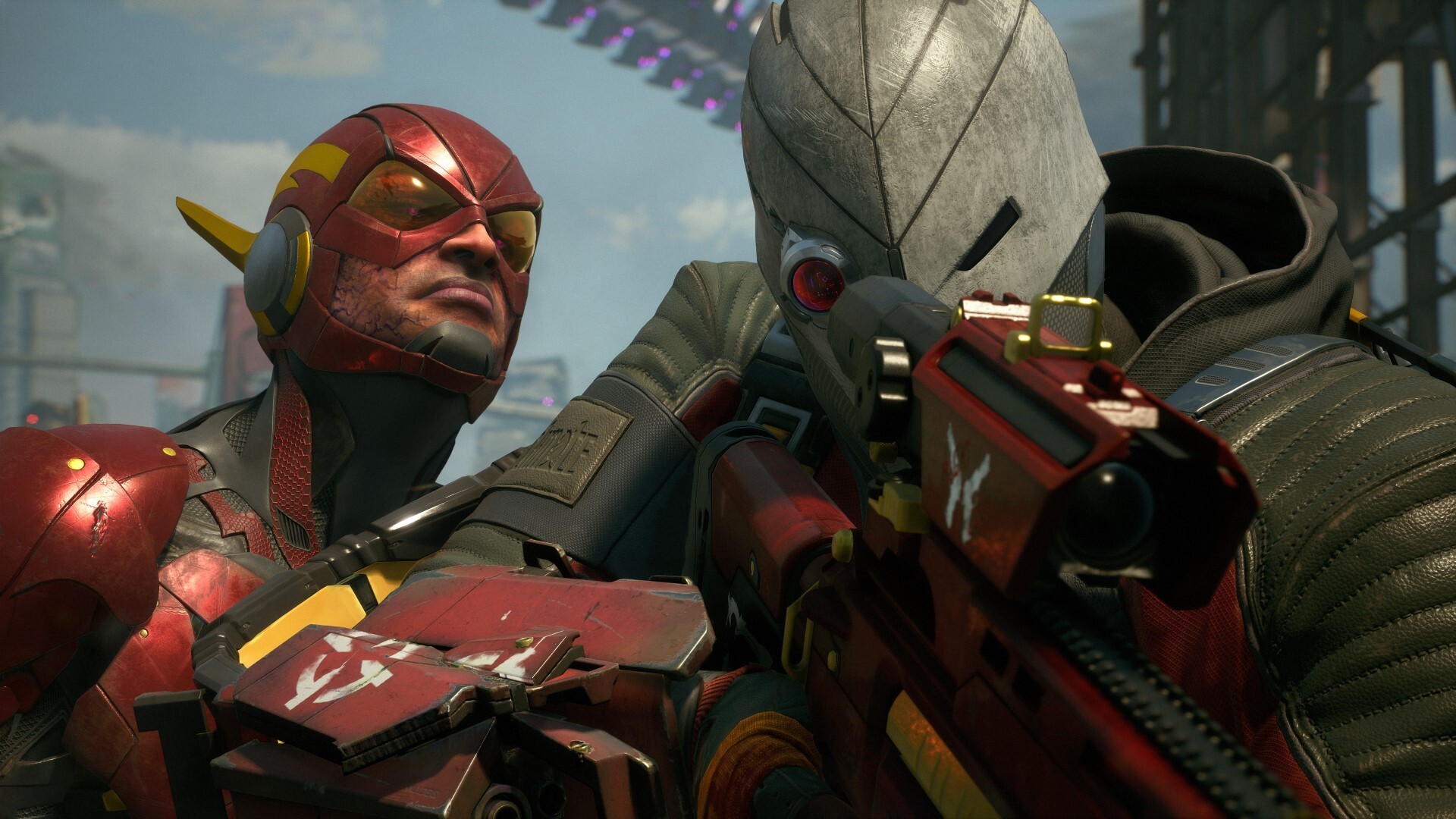
Suicide Squad: Kill the Justice League did not merely visit the Arkhamverse; it inherited the continuity and replaced nearly everything that made it worth revisiting. Predator encounters and free-flow combat gave way to four gun-wielding antiheroes chasing gear scores across repeatable missions, with battle passes and seasonal villains waiting beyond the campaign. Even Captain Boomerang spent more time comparing firearms than throwing boomerangs. The promised live-service future lasted less than a year before new content ended, leaving an offline mode and a story built around shooting corrupted versions of the heroes that made the universe valuable. Rocksteady turned gaming’s definitive Batman world into a short-lived loot treadmill. | © Warner Bros. Games

Cropped Watch Dogs 2

3. Watch Dogs

Watch Dogs: Legion made “play as anyone” its headline and accidentally demonstrated why stories usually pick someone. London offered an impressive supply of recruitable citizens, but procedural biographies, reused voices and interchangeable dialogue left the resistance without a human center. The irony became impossible to miss when the Bloodline expansion brought back Aiden Pearce and Wrench, and two actual characters immediately supplied more personality than the base game’s entire algorithmic army. Hacking still opened doors, hijacked drones and weaponized traffic, yet the techno-thriller had become a systems demo searching for a protagonist. Ubisoft has left Watch Dogs dormant ever since, with Legion as its unanswered identity crisis. | © Ubisoft

Cropped Wolfenstein The New Order

2. Wolfenstein

Wolfenstein: Youngblood took a reboot praised for ferocious single-player storytelling and rebuilt it as a co-op experiment with RPG levels, repeated districts and enemies that could absorb bullets for having the wrong number above their heads. B.J. Blazkowicz disappeared so his daughters could trade sitcom banter across Neu-Paris, while armor types and progression gates interrupted gunplay that previously felt brutal and immediate. Playing with a friend could be entertaining, but the structure seemed borrowed from whichever online action game had wandered past Bethesda’s office. Youngblood remains the latest released chapter, allowing a side project to become the public image of MachineGames’ otherwise focused reboot. | © Bethesda Softworks

New Ghost Recon

1. Tom Clancy’s Ghost Recon

Ghost Recon Breakpoint launched without AI squadmates, placed its supposedly isolated soldier in a social hub, and pasted loot rarity and gear scores onto weapons that should have been judged by caliber rather than color. Ubisoft later added teammates and created Immersive Mode specifically to remove much of its own progression system—an extraordinary amount of work devoted to making Ghost Recon less unlike Ghost Recon. The canceled battle royale Frontline suggested the lesson still had not landed. A newly announced installment now promises credible military storytelling and tactical action, while Ubisoft updates Wildlands for modern hardware. Even the publisher appears to know which version fans actually want back. | © Ubisoft

1-15

A logo can survive long after the idea behind it has disappeared. Series once defined by stealth, survival horror, street racing or tactical combat have been stretched into open worlds, live-service experiments and trend-chasing sequels that barely resemble their ancestors. Reinvention was never the problem; forgetting why players cared was. These 15 video game franchises changed so drastically that even longtime fans may struggle to explain what they are supposed to be anymore.
  • Facebook X Reddit WhatsApp Copy URL

A logo can survive long after the idea behind it has disappeared. Series once defined by stealth, survival horror, street racing or tactical combat have been stretched into open worlds, live-service experiments and trend-chasing sequels that barely resemble their ancestors. Reinvention was never the problem; forgetting why players cared was. These 15 video game franchises changed so drastically that even longtime fans may struggle to explain what they are supposed to be anymore.

Related News

More
Lanterns
Galleries
15 Easter Eggs You Might've Missed From DC's Lanterns
The Blood of Dawnwalker
Galleries
15 Best Games Releasing in September 2026
Punch Out
Gaming
Nintendo Has Forgotten and Neglected These 15 Game Franchises
Tony hawk underground shrek cropped processed by imagy
Gaming
Top 10 Most Absurd Guest Characters in Video Games
Demons Souls
Gaming
15 Video Games Everyone Pretends to Love
Death Stranding 2019 mads mikkelsen cropped processed by imagy
Gaming
20 Video Game Endings You Probably Didn’t Understand
Capone
TV Shows & Movies
Tom Hardy's Top Movie Roles, Ranked From Worst To Best
Legend
TV Shows & Movies
15 of the Best High-Fantasy Movies to Get Lost in
Apocalypse Now
TV Shows & Movies
15 Movies From 20th Century That Are Unquestionably Masterpieces
Horizon Forbidden West
Gaming
15 Open-World Games Worth Playing for Their Exploration Alone
The Lich King World of Warcraft
Gaming
The 15 Best Video Game Villains of All Time
Mortdecai 2015 cropped processed by imagy
TV Shows & Movies
25 Awful Movies That Were Pulled From Theaters
  • All Gaming
  • Videos
  • News
  • Home

Subscribe to our Newsletter

Sign up for selected EarlyGame highlights, opinions and much more

About Us

Discover the world of esports and video games. Stay up to date with news, opinion, tips, tricks and reviews.
More insights about us? Click here!

Links

  • Affiliate Links
  • Privacy Policy
  • Impressum and Disclaimer
  • Advertising Policy
  • Our Editorial Policy
  • About Us
  • Authors
  • Ownership

Partners

  • Kicker Logo
  • Efg esl logo
  • Euronics logo
  • Porsche logo
  • Razer logo

Charity Partner

  • Laureus sport for good horizontal logo

Games

  • Gaming
  • Entertainment
  • Creators
  • TV Shows & Movies
  • EA FC
  • Fortnite
  • League of Legends
  • Codes
  • Mobile Gaming
  • Videos
  • Call of Duty
  • Rocket League
  • APEX
  • Reviews
  • Galleries
  • News
  • Your Future
  • Lootday
  • Guides

Links

  • Affiliate Links
  • Privacy Policy
  • Impressum and Disclaimer
  • Advertising Policy
  • Our Editorial Policy
  • About Us
  • Authors
  • Ownership
  • Copyright 2026 © eSports Media GmbH®
  • Privacy Policy
  • Impressum and Disclaimer
  • Update Privacy Settings
English
English
  • English
  • German
  • Spanish
  • EarlyGame india