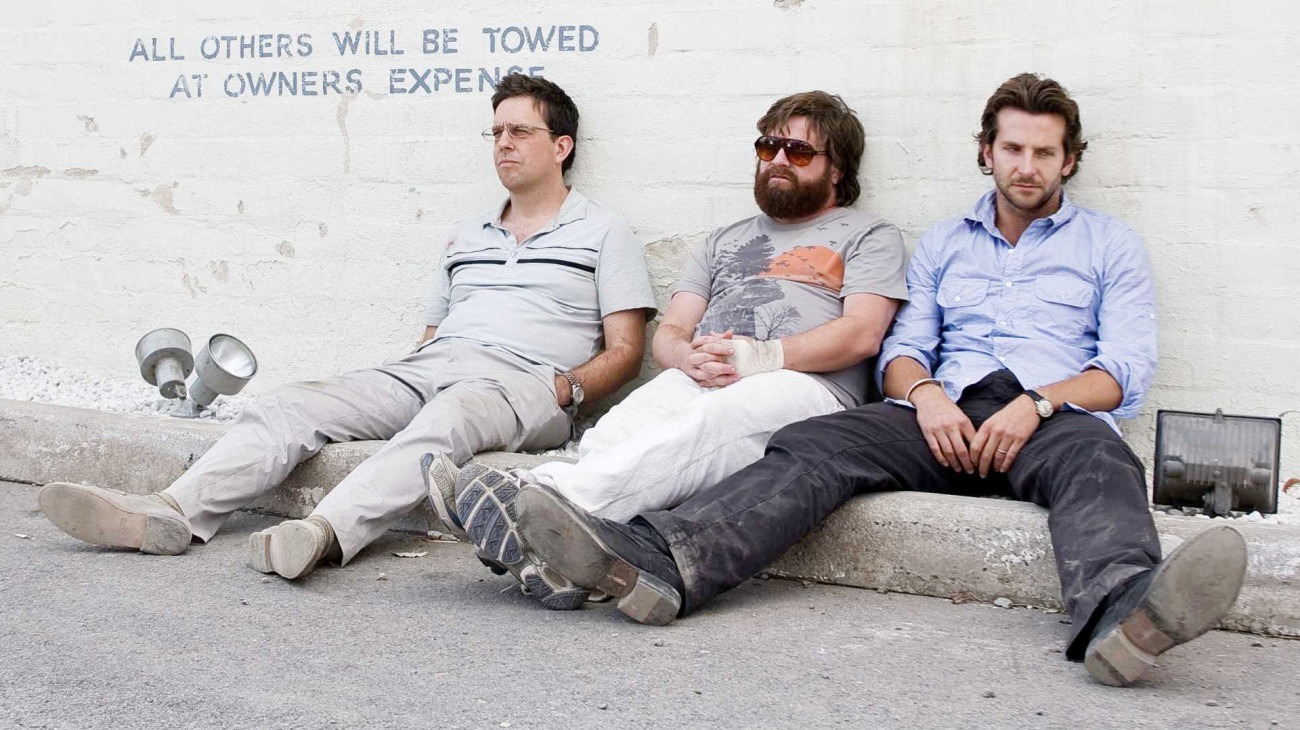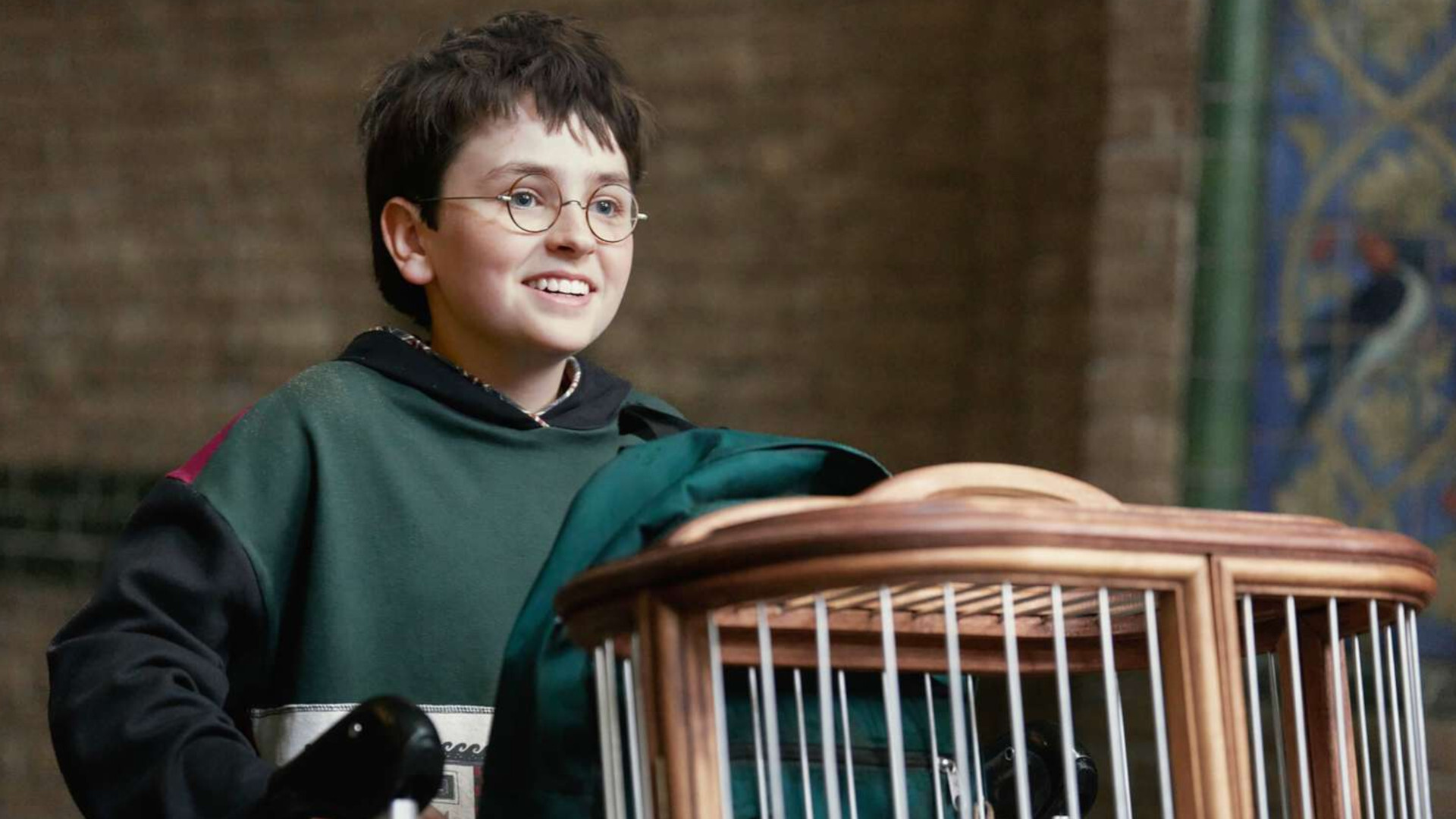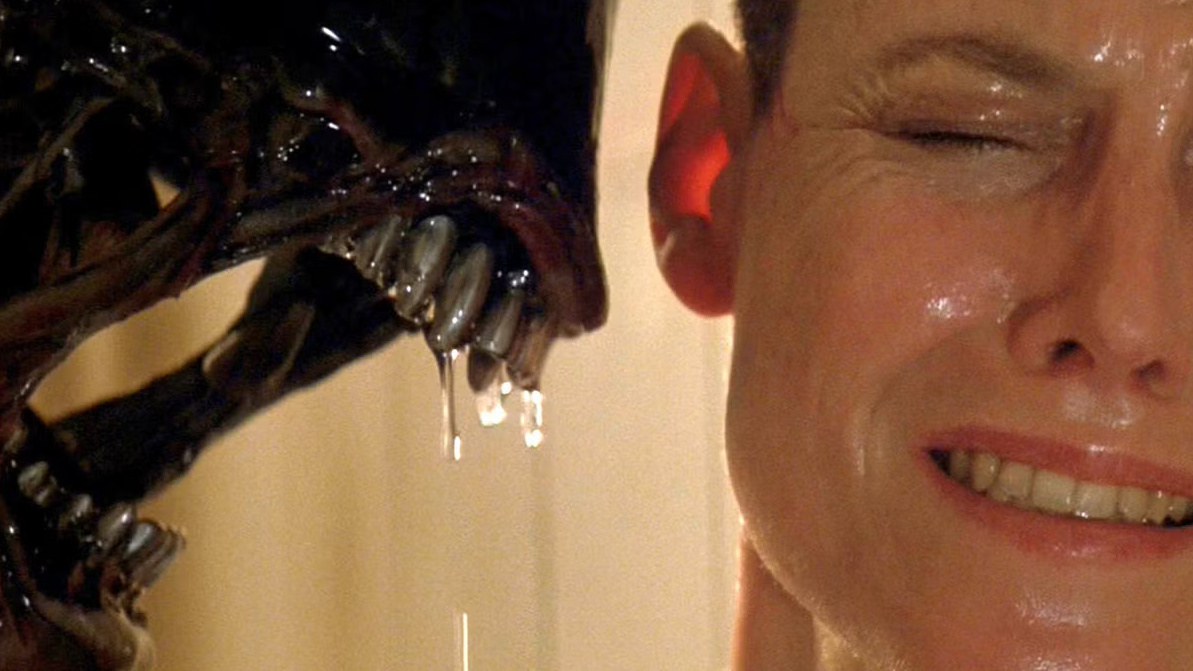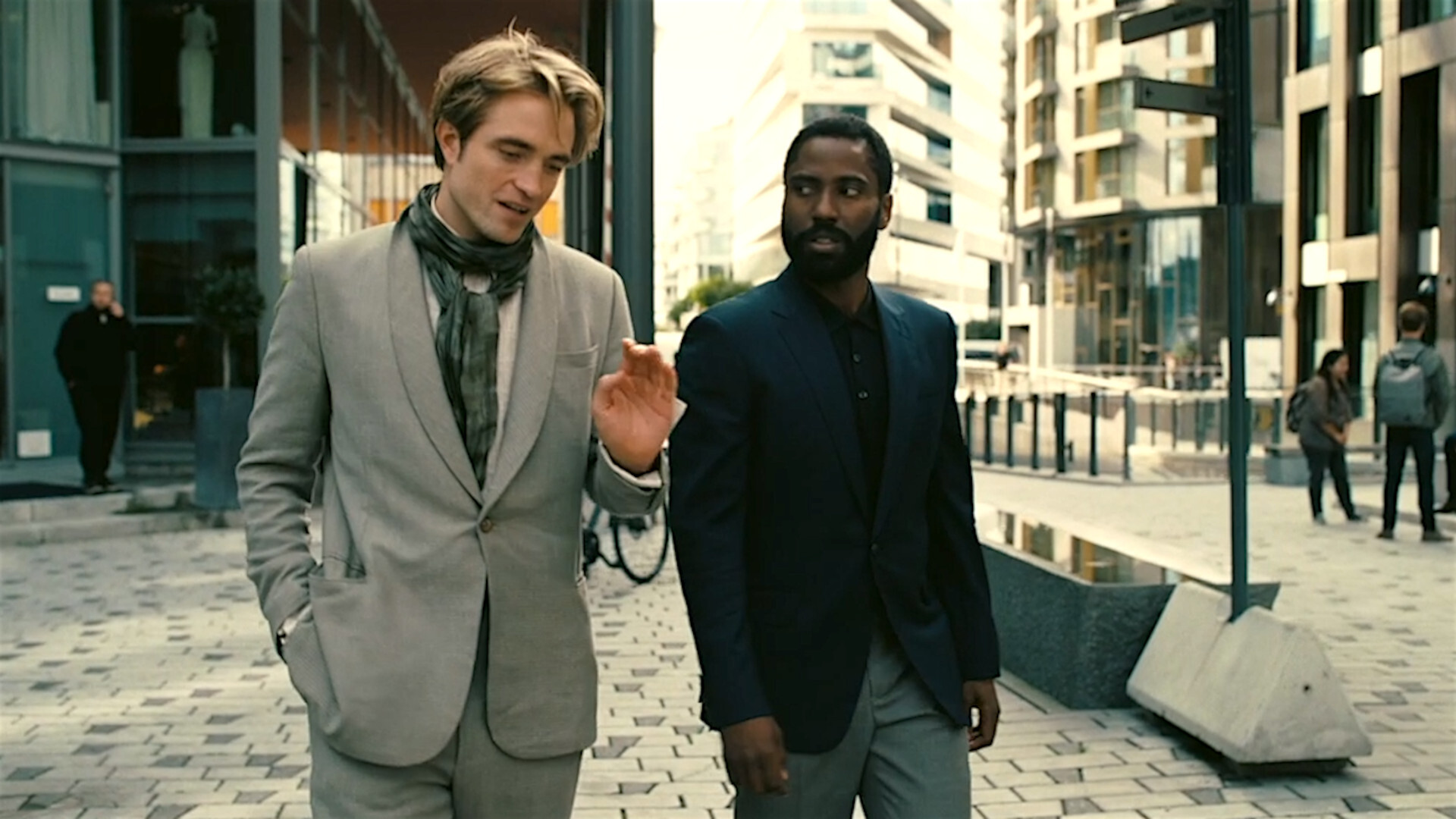




































Hollywood has a complicated history with addiction, and a lot of movies get it embarrassingly wrong. These 15 didn't flinch, showing the reality of drug addiction in ways that are uncomfortable to watch and impossible to look away from.

Florence Pugh carries A Good Person through territory that could have been manipulative in less capable hands, playing a woman whose pill addiction starts after a car accident that kills her fiancé's sister. The film refuses to make addiction look glamorous or simple, showing how quickly prescription painkillers can hijack a life that seemed perfectly stable. Zach Braff writes scenes that feel uncomfortably real, especially the moments where Pugh's character tries to function normally while everything falls apart. What makes it work is how the recovery process looks messy and uncertain rather than inspiring. | © Metro-Goldwyn-Mayer
Permanent Midnight strips away the rock star mythology that usually comes with addiction stories and focuses on the mundane horror of functional dependency. Ben Stiller plays a successful TV writer who maintains his career while steadily destroying everything else with heroin, and the performance feels uncomfortably real in ways that avoid both glamorization and easy sympathy. The film captures how addiction becomes a job in itself, requiring constant management and lies that eventually consume more energy than the actual work. What makes it different from other addiction films is how it shows someone who never hits a dramatic rock bottom, just a slow fade into nothing. | © Artisan Entertainment
The Panic in Needle Park drops you into the day-to-day reality of heroin addiction without any Hollywood filter or redemption arc to soften the blow. Al Pacino and Kitty Winn play addicts whose relationship exists entirely within the rhythm of scoring, using, and scrambling for the next fix. The camera stays uncomfortably close to needles going into veins and the desperate mathematics of street-level drug deals. Everything about it feels like documentary footage that happened to catch two great performances. | © 20th Century Fox
Rocketman refuses to pretend that Elton John's addiction was just a footnote in an otherwise glamorous story. The film shows how cocaine and alcohol became tools for managing the gap between his public persona and private pain, turning success into another form of prison. Instead of sanitizing the ugliness, it lets the musical numbers carry both the euphoria and the crash that come with substance abuse. The result feels like watching someone's actual relationship with drugs rather than a cautionary tale designed to teach lessons. | © Paramount Pictures
Mulholland Drive uses Hollywood's dream factory as the perfect backdrop for addiction's warping of reality. Lynch turns the film into a puzzle where nothing stays consistent, mirroring how substances fracture perception and memory until you can't tell what actually happened. The movie's famous structure break halfway through feels like watching someone's high crash into brutal sobriety. What looks like glamorous Los Angeles mystery becomes a nightmare about losing yourself completely. | © Universal Pictures
Naked Lunch turns William S. Burroughs' unfilmable novel into a fever dream where typewriters become talking insects and reality dissolves into paranoid hallucination. David Cronenberg doesn't just show drug addiction. He makes you experience the complete mental breakdown that comes with it, where every surface might be crawling, and every conversation might be a trap. The movie commits so fully to its surreal logic that withdrawal and psychosis become indistinguishable from each other. | © 20th Century Fox
Fear and Loathing in Las Vegas turns drug addiction into a neon-soaked fever dream that somehow makes the chaos feel both cartoonish and genuinely disturbing. Johnny Depp and Benicio del Toro stumble through Vegas as their characters dissolve into paranoid, sweating messes, but the film never lets you forget that the drugs are eating them alive beneath all the surreal comedy. Terry Gilliam shoots their binges as hallucinations come to life, complete with melting faces and hotel carpets that turn into reptiles. The movie works because it shows how addiction warps reality into something unrecognizable while still being impossible to look away from. | © Universal Pictures
Rachel Getting Married turns a wedding weekend into an exhausting marathon of family dysfunction, with Anne Hathaway playing a rehab patient whose return home reopens every wound her addiction has caused. The handheld camera work makes you feel trapped at the same uncomfortable dinner table, listening to passive-aggressive toasts and watching relatives navigate around years of built-up resentment. Hathaway's performance strips away any romanticism about recovery, showing how addiction doesn't just hurt the user but creates a ripple effect of broken trust that doesn't magically heal. The wedding becomes secondary to watching a family try to celebrate while pretending their biggest problem isn't sitting right there at the head table. | © Sony Pictures Classics
Enter the Void follows a drug dealer through Tokyo's neon-soaked underbelly, then keeps following him after he gets shot and dies in a bathroom. Gaspar Noé films the whole thing from a first-person perspective that never breaks, creating something between a fever dream and a bad trip that stretches for two and a half hours. The camera floats through walls, dives into memories, and hovers over intimate scenes with the relentless curiosity of a disembodied consciousness. Most movies about drugs focus on the highs and lows, but this one asks what happens when you can't come down at all. | © IFC Films
Beautiful Boy turns a father's memoir into something that feels uncomfortably close to real life, tracking the slow destruction that happens when addiction moves into a family. Steve Carell and Timothée Chalamet cycle through the same painful pattern of hope and relapse without any of the dramatic beats you expect from addiction movies. The film refuses to offer easy answers or cathartic moments, instead showing how everyone involved becomes trapped in a cycle that has no clear endpoint. What makes it work is how it captures the exhausting, repetitive nature of loving someone whose disease keeps winning. | © Amazon Studios
Oslo, August 31st follows a recovering heroin addict through one day of temporary freedom from rehab, and that single day becomes everything. Anders wanders through his old city, visits friends, goes to a job interview, and quietly weighs whether life is worth continuing. The film never dramatizes addiction with showy breakdowns or needle-focused scenes. Instead, it captures the exhausting weight of trying to rebuild when you can barely remember who you were before everything fell apart. | © The Criterion Collection
Pure S follows four heroin users through Melbourne’s underground drug scene after a woman dies of an overdose, turning the next 24 hours into a frantic search for another score. What makes it hit so hard is how little distance it puts between the viewer and the users’ routines, panic, humor, and exhaustion. It does not treat addiction as tragedy from the outside. It drops you inside the cycle and refuses to make it cleaner, safer, or more cinematic than it is. | © Apogee Films
Heaven Knows What follows Harley, a homeless heroin addict in New York, through cycles of scoring, using, and surviving that feel more like documentary footage than traditional narrative. The Safdie Brothers cast real people from the streets, including lead actress Arielle Holmes, who based the script on her own published diary about addiction. Every moment of desperation feels authentic because it comes from lived experience rather than research or imagination. The result is raw in a way that makes other addiction films look polished by comparison. | © RADiUS-TWC
Trainspotting takes the bold approach of making heroin addiction look simultaneously repulsive and seductive, refusing to choose between condemning or romanticizing the lifestyle. Danny Boyle's camera work pulls you into the rush and the crash with equal intensity, turning Edinburgh into a playground where euphoria and degradation happen in the same grimy apartment. The film's energy never stops moving, even when showing rock-bottom moments like the infamous toilet scene or baby neglect. Mark Renton's narration cuts through any pretence about addiction being either purely tragic or secretly glamorous. | © Miramax Films
Requiem for a Dream builds horror not from jump scares or gore, but from watching four people methodically destroy themselves while chasing their dreams. Darren Aronofsky uses rapid-fire editing and a pounding score to make every high feel frantic and every crash feel like falling off a cliff. The movie refuses to glamorize addiction or offer easy answers, instead showing how drugs become a solution that creates worse problems. What stays with you isn't the shock value but how normal these characters seem before everything goes wrong. | © Artisan Entertainment
Hollywood has a complicated history with addiction, and a lot of movies get it embarrassingly wrong. These 15 didn't flinch, showing the reality of drug addiction in ways that are uncomfortable to watch and impossible to look away from.