For every show that's unfairly trashed, there's one that absolutely earns every bit of the criticism thrown its way. These 15 series got a bad reputation for a reason, and no amount of defending them changes the fact that the critics had a point.
The hype was a lie.
The Goop Lab turns Gwyneth Paltrow's wellness brand into a Netflix series where expensive pseudoscience gets the documentary treatment it absolutely does not deserve. Each episode follows Paltrow and her team as they explore topics like energy healing, psychic mediums, and vampire facials with the kind of breathless enthusiasm usually reserved for actual scientific breakthroughs. The show presents every unproven wellness trend as equally valid, creating a dangerous blur between genuine health advice and profitable nonsense. Watching celebrities get expensive placebos while talking about "vibrations" feels like being trapped in the world's most irritating wellness retreat. | © Netflix
Emily's Reasons Why Not lasted exactly one episode before ABC pulled it from the air, making it one of the fastest cancellations in television history. The show followed a self-absorbed career woman making pro-and-con lists about her romantic decisions, but every character felt like a collection of annoying quirks rather than an actual person. Heather Graham's lead performance couldn't save dialogue that sounded like it was written by someone who had only heard about relationships secondhand. The swift cancellation became more famous than anything that actually happened in the episode itself. | © ABC
Allen Gregory tried to make a seven-year-old sociopath into the center of a family sitcom, and the result was as uncomfortable as it sounds. The show followed a pretentious child who spoke like a tiny adult, obsessed over his teacher, and treated everyone around him with shocking cruelty while the writing seemed to think his behavior was charming. Jonah Hill's voice work made the title character even more grating, turning what might have been satirical into something that just felt mean-spirited and weird. FOX pulled it after seven episodes, which was still six episodes too many. | © FOX
The Swan took women who considered themselves unattractive and put them through months of extreme plastic surgery, dental work, and personal training before revealing their new faces in a beauty pageant format. The show treated major surgical procedures like a makeover montage, with contestants isolated from mirrors and family while doctors rebuilt their faces according to conventional beauty standards. What made it particularly grim was how the format implied these women needed to be completely reconstructed to have value, then pitted them against each other in a final competition where only one could win. The cruelty was built into every layer of the concept. | © FOX
Kid Nation dropped 40 children aged 8 to 15 in a ghost town with minimal adult supervision and told them to build a functioning society. The premise sounds like a fascinating social experiment until you realize it mostly involved watching kids argue about chores, break down crying, and occasionally get hurt while cameras kept rolling. CBS marketed it as Lord of the Flies meets reality TV, but what they delivered was something that felt more exploitative than educational. The show lasted one season before getting buried under lawsuits and child labor investigations. | © CBS
The I-Land dumps ten people on a mysterious island with no memory, then spends seven episodes making Lost look like a masterwork of subtlety and logic. The twist reveals come fast and nonsensical, the dialogue sounds like it was written by someone who learned human speech from a manual, and the whole thing plays out like a expensive student film that somehow got a Netflix budget. Every choice feels wrong in a way that suggests nobody involved understood what made the shows they were copying actually work. The result is so aggressively stupid that it becomes almost fascinating to watch unfold. | © Netflix
Cop Rock tried to solve the problem nobody asked for: what if a gritty police procedural suddenly burst into song and dance numbers? The show committed completely to its bizarre concept, having hardened detectives belt out ballads during murder investigations and staging elaborate choreographed sequences in courtrooms. Steven Bochco's reputation couldn't save a premise that felt like someone lost a very expensive bet. Watching cops sing their way through drug busts created exactly the kind of tonal whiplash that makes something instantly cancellable. | © ABC
AfterMASH tried to capture the magic of M*A*S*H by following three characters home from the Korean War to a veteran's hospital in Missouri. The problem was that M*A*S*H worked because of the ensemble chemistry and the way war created natural drama and stakes. Watching Potter, Klinger, and Mulcahy deal with hospital bureaucracy and bland personal problems felt like watching a tribute band play your favorite songs with half the instruments missing. The show proved that sometimes the lightning really can't strike twice, no matter how beloved the original was. | © CBS
Iron Fist had everything it needed to work: a martial arts billionaire with mystical powers, a connection to the broader Marvel universe, and the momentum from three successful Netflix shows before it. Instead, it delivered wooden fight scenes that looked like they were choreographed during lunch breaks, a lead performance that made watching paint dry seem dynamic, and writing that somehow made ancient mystical warriors boring. The show's approach to martial arts felt especially insulting, taking one of the most visually exciting genres and turning it into something you'd change the channel to avoid. Danny Rand might have been the Immortal Iron Fist, but the show killed its own buzz faster than any villain ever could. | © Netflix

Secret Invasion promised a paranoid thriller where shape-shifting Skrulls had secretly replaced key figures across the Marvel universe, but it delivered something much smaller and duller instead. The show traps Samuel L. Jackson's Nick Fury in a sluggish spy story that barely uses its alien invasion premise, while most of the replacements turn out to be random government officials nobody cares about. Six episodes somehow feel both overstuffed with boring political maneuvering and completely empty of the massive consequences the setup demanded. What should have been Marvel's version of Invasion of the Body Snatchers ended up feeling more like a very expensive episode of a procedural nobody asked for. | © Disney+
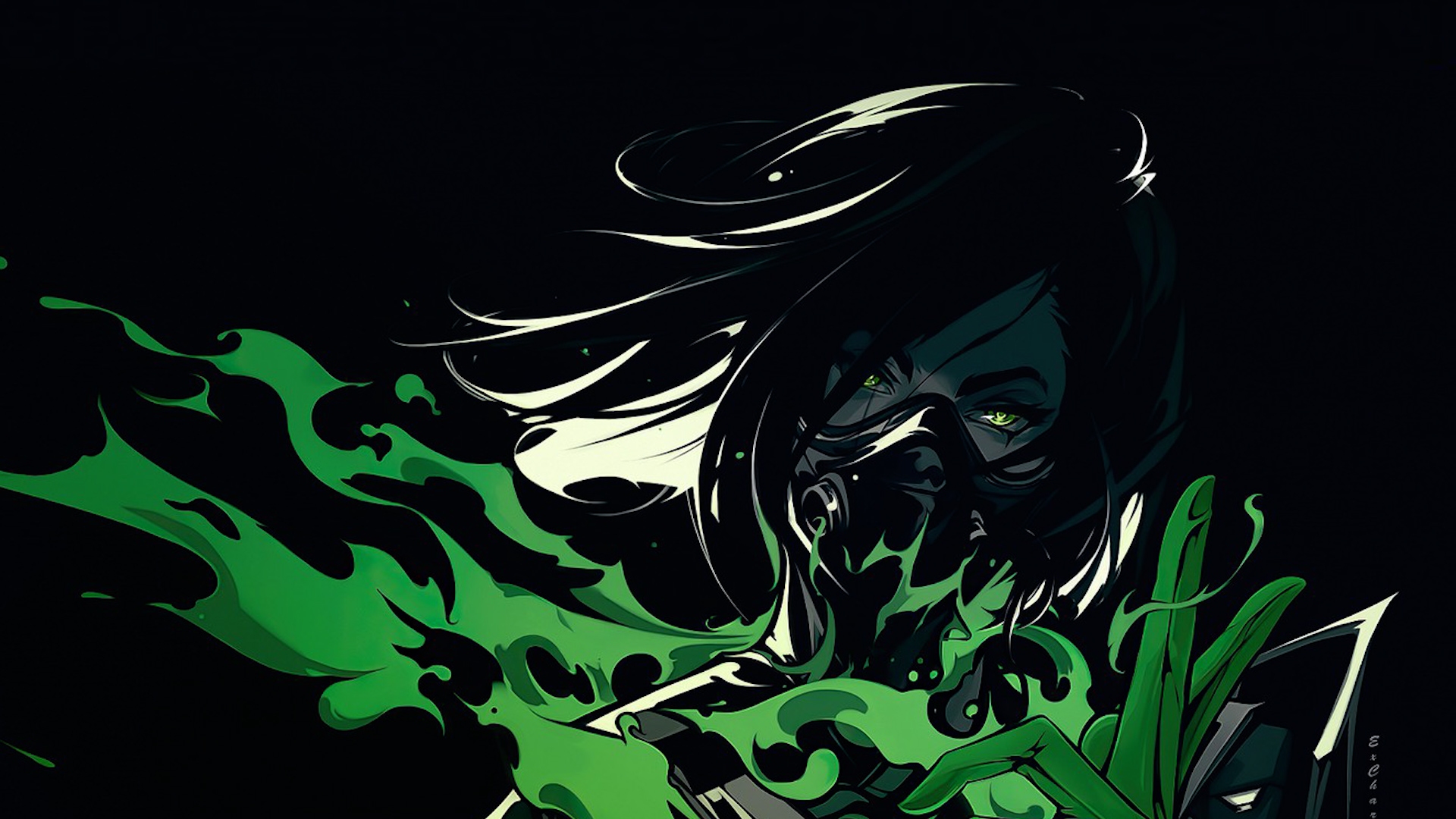
The Idol promised a dark satire about pop stardom but delivered something that felt more like an expensive fever dream about the music industry written by people who had never actually met a pop star. Every episode seemed designed to shock rather than illuminate, piling on graphic content and bizarre character choices that made the whole thing feel less like commentary and more like exploitation dressed up as prestige television. The show burned through storylines so recklessly that major plot points would appear and disappear within single episodes, leaving viewers wondering if anyone involved had actually planned where this was all supposed to go. What should have been a sharp critique of celebrity culture instead became exactly the kind of shallow, self-indulgent mess it was supposedly trying to expose. | © HBO
Heil Honey I'm Home! tried to turn Adolf Hitler into a sitcom neighbor, complete with laugh track and domestic squabbles with Eva Braun. The British comedy imagined Hitler and his wife living next door to a Jewish couple, mining genocide for punchlines in a format borrowed from I Love Lucy. Only one episode aired before the network pulled it, because some ideas are so fundamentally broken that even the most optimistic producers have to admit defeat. The concept alone guaranteed failure before a single joke could land. | © Galaxy Entertainment
Inhumans had every advantage Marvel could offer and still managed to feel like a expensive fan film shot in a parking lot. The show took characters with potentially fascinating powers and trapped them in bland storylines, awkward dialogue, and production values that made the royal family of Attilan look like they were cosplaying at a budget convention. Even the dog got better reviews than most of the human cast. Marvel's TV experiments had produced some genuine hits by 2017, which made this failure feel even more baffling. | © ABC
Velma takes the beloved Scooby-Doo formula and strips away everything that made it work in the first place. The show turns Velma Dinkley into a cynical, mean-spirited character who spends most episodes delivering pop culture references and social commentary that feels forced into every scene. Without Scooby-Doo himself, the mysteries become secondary to watching characters who seem designed to annoy each other as much as they annoy the audience. The result feels like someone actively trying to make viewers nostalgic for the original cartoons they grew up loving. | © HBO Max

For every show that's unfairly trashed, there's one that absolutely earns every bit of the criticism thrown its way. These 15 series got a bad reputation for a reason, and no amount of defending them changes the fact that the critics had a point.