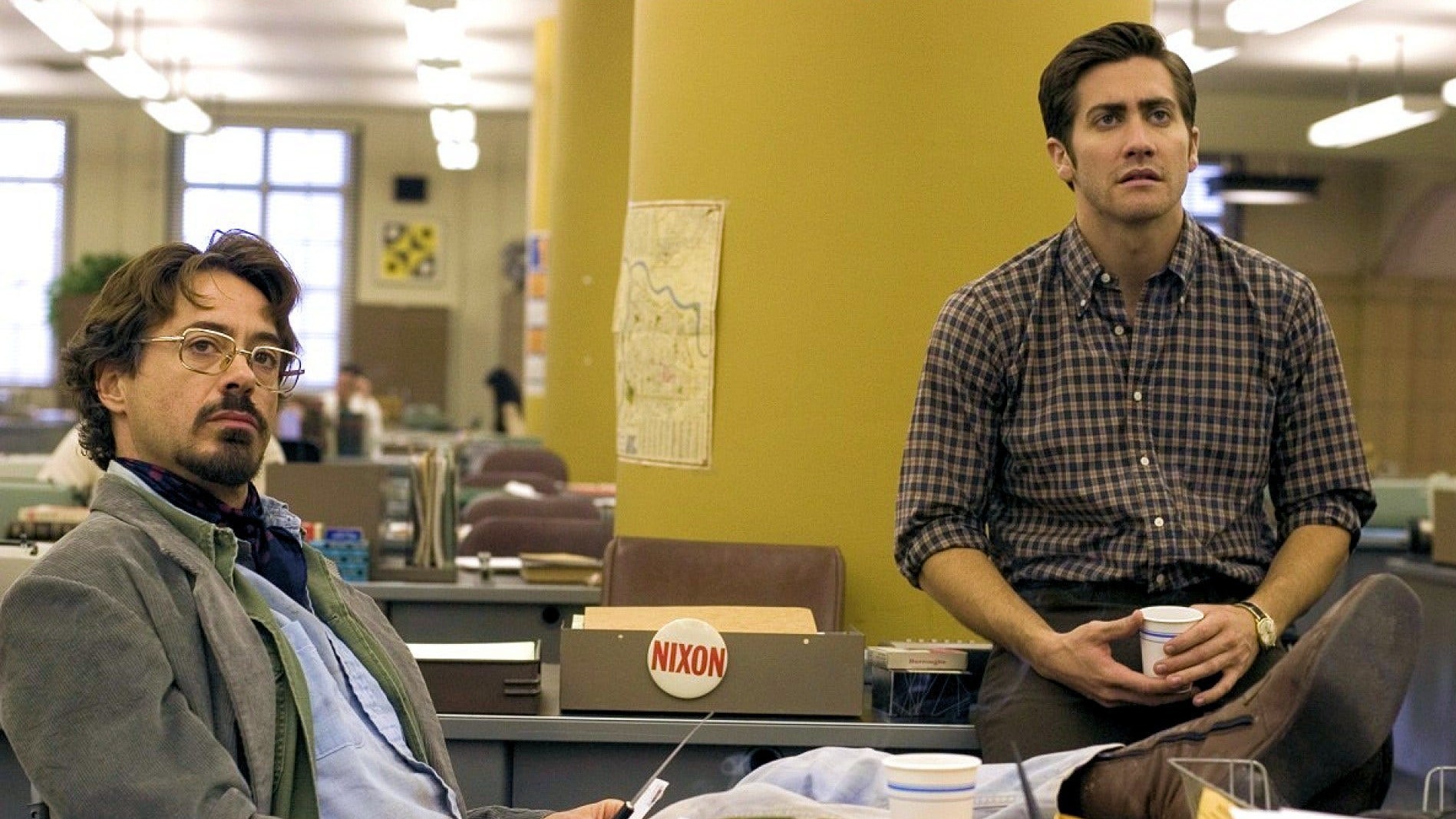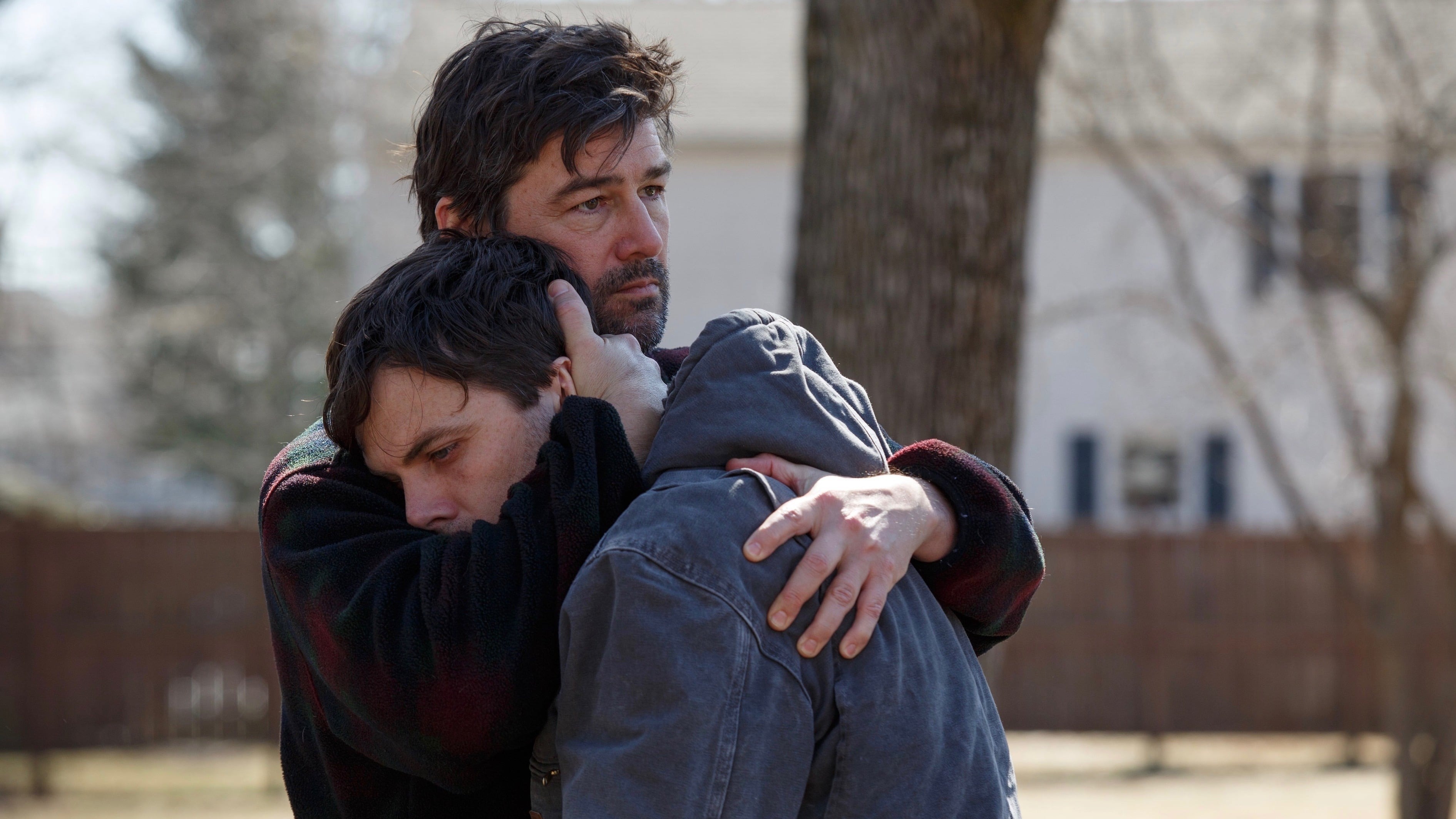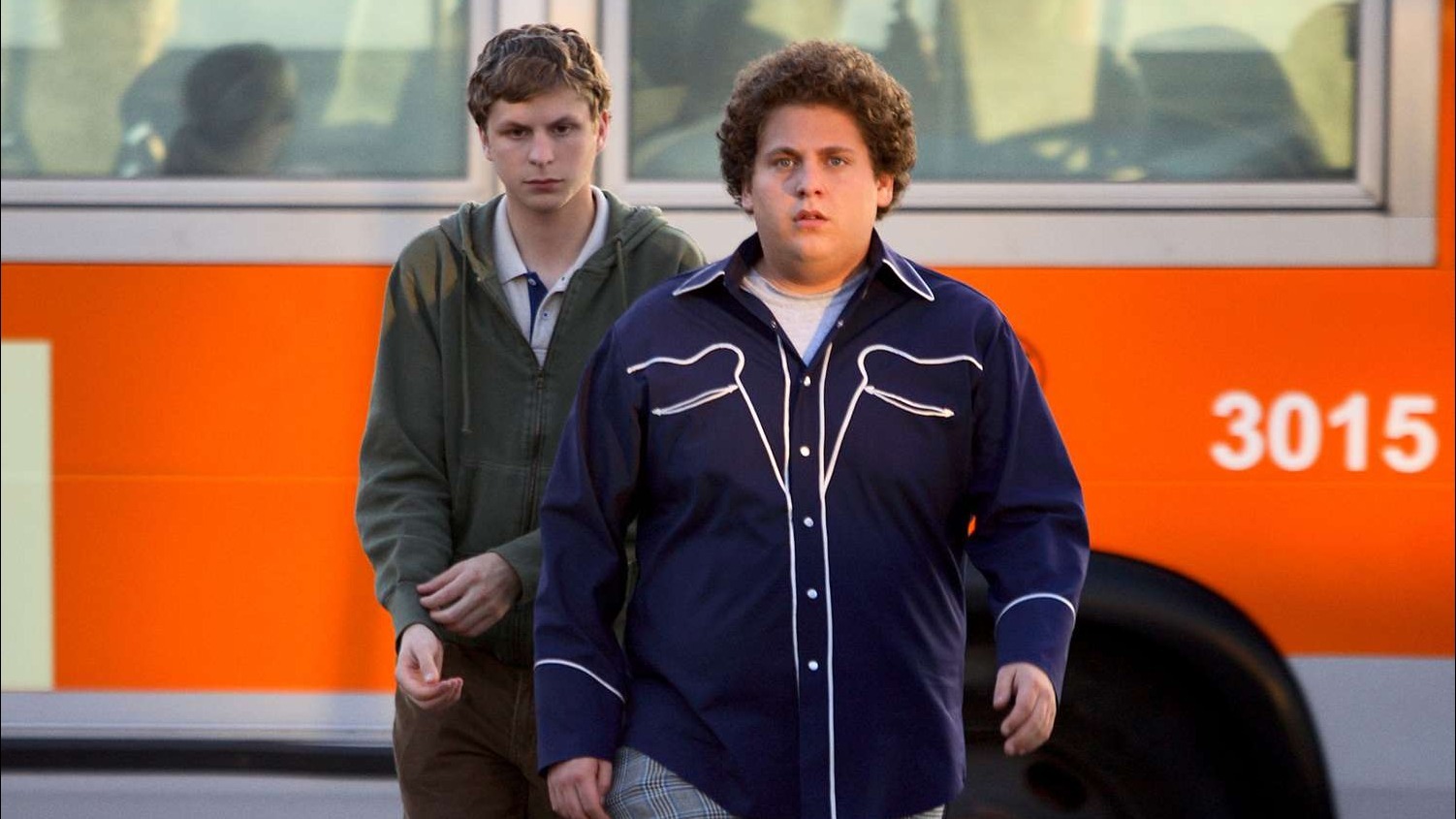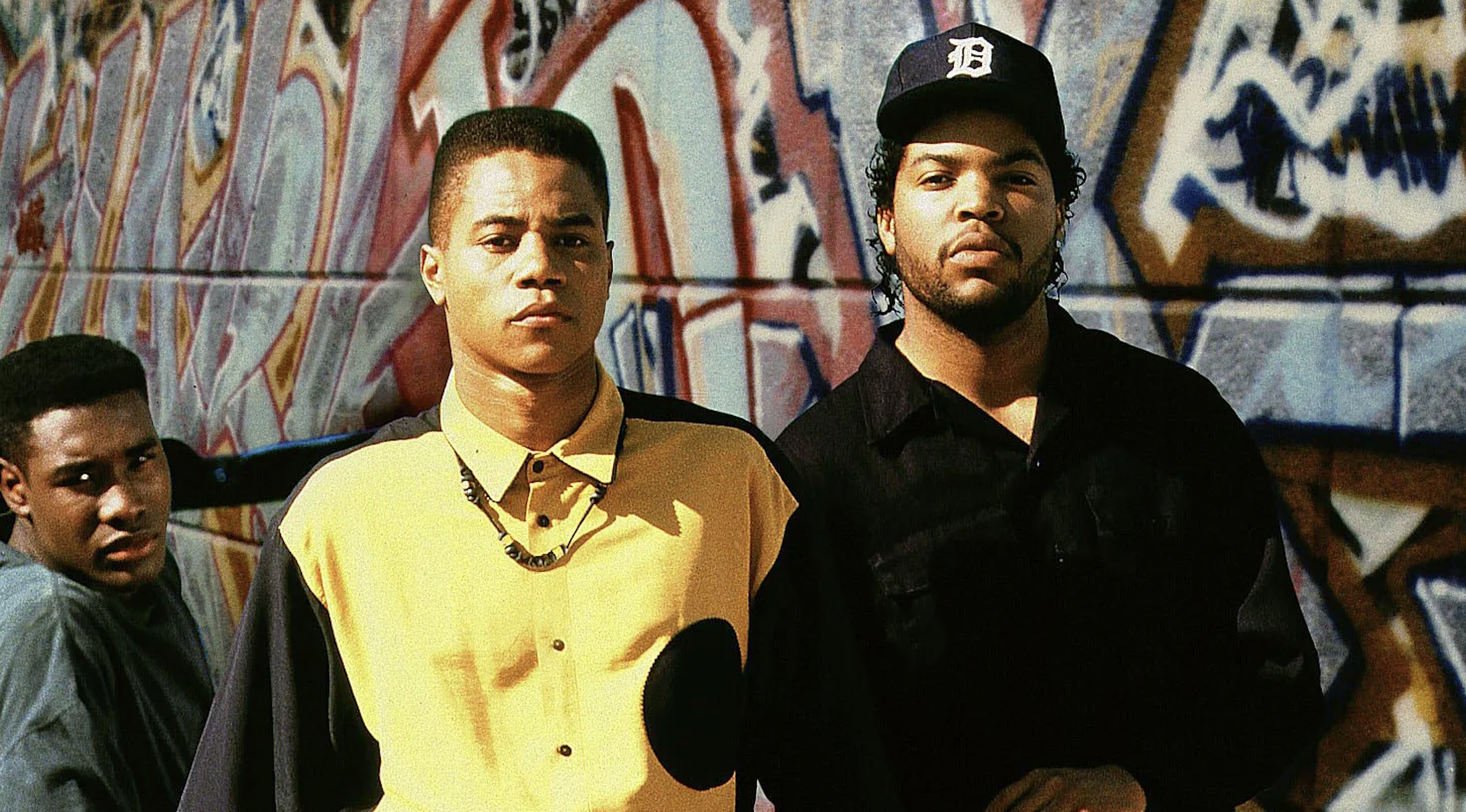





























Every director stumbles eventually, but a rare few somehow never did. Here are 15 directors who never made a bad movie.
Entertainment
15 of the Worst Christmas Movies of All Time


A woman hiding Jews in a cramped sewer system for over a year does not sound like material for anything hopeful. Agnieszka Holland found a way through it anyway with In Darkness, refusing to clean up the fear or the filth for comfort. Her films keep circling history's worst moments without ever turning them into lessons. That refusal to simplify is exactly why they still land. | © Sony Pictures Classics

Steve McQueen does not let the camera look away, and that is the whole point. In 12 Years a Slave, a single shot of a man barely surviving a hanging stretches on until it becomes unbearable, and that is intentional. He builds scenes around endurance instead of spectacle, letting silence do the damage dialogue could not. Watching his work feels less like entertainment and more like bearing witness. | © Fox Searchlight Pictures

Two girls on a beach in 1990s France, and almost nothing else happening on the surface. That is Water Lilies, and it is where Céline Sciamma figured out how to make quiet longing feel loud. By the time she made Portrait of a Lady on Fire, that same patience had turned into something close to perfect, a love story told almost entirely through glances. Few directors trust stillness this much and still make it ache. | © Pyramide Distribution

Call it the Lubitsch touch, that strange trick where a closed door says more than a love scene ever could. Ernst Lubitsch built entire careers out of implication, letting audiences fill in the parts he wisely left out. The Shop Around the Corner turns two coworkers who can't stand each other into one of the warmest romances on film. Comedy this light usually ages badly, but his never did. | © MGM

Three Best Director Oscars and somehow William Wyler still feels underrated. He had a habit of pushing actors through take after take until something true finally cracked through, and in Ben-Hur that discipline built a chariot race nobody has topped since. His films rarely announce themselves as important while you're watching them. They just quietly turn out to be the ones you remember decades later. | © MGM

A grifter in a wheelchair, a man in a dress, a corpse narrating his own murder. Billy Wilder built an entire career out of premises that should have failed and somehow never did. Some Like It Hot still gets quoted by people who have never seen another black and white film in their life. He moved between comedy and noir like the two genres owed him nothing. | © United Artists

Berlin in the 1920s gave Fritz Lang a city skyline to tear apart on screen. Metropolis turned that skyline into towers of glass and machinery that still get copied in movies today. He later made M, a film about a child murderer that somehow made you sit with the mob chasing him too. Few filmmakers shaped how an entire genre would look before that genre even had a name. | © Universum Film Distribution

Class war rarely comes with a staircase this well designed. Bong Joon Ho built Parasite around literal levels, rich above, poor below, flood water rising right on schedule. The film won Best Picture without losing a single ounce of its anger on the way there. He proved a subtitle never had to be a barrier when the story underneath was this sharp. | © CJ Entertainment

Nobody draws soot the way Hayao Miyazaki draws soot. Those little dust sprites in Spirited Away carrying coal twice their size are more charming than most studios manage with a full cast. His worlds run on forests that breathe and pigs that used to be men, and none of it ever needs explaining twice. Growing up on his films means never quite trusting a tidy ending again. | © Toho

There is a scene in Magnolia where every character sings along to the same Aimee Mann song, alone in their own rooms. Paul Thomas Anderson has always found a way to make isolation feel like it still belongs to a larger story. There Will Be Blood gave Daniel Day-Lewis a monologue about milkshakes that somehow became part of the cultural bloodstream. His films trust an audience to sit with discomfort longer than almost anyone else working today. | © Paramount Vantage

Quentin Tarantino made his name on conversations that have nothing to do with the plot and everything to do with tension. Think of two hitmen discussing fast food before a job in Pulp Fiction, dialogue so good you forget violence is coming. He jumbles timelines, buries genre references in every frame, and still keeps the whole thing readable. Nobody else gets away with making bloodshed feel this much like jazz. | © Miramax Films

Big ideas and even bigger set pieces are Christopher Nolan's whole deal. He bent time in Inception, folded it again in Tenet, and somehow kept audiences following along without a map. What makes it work is the insistence on doing it practically, real explosions, real locations, real stakes. Going to one of his movies still feels like an event instead of just a release date. | © Universal Pictures

Suspense had a different meaning before Alfred Hitchcock got his hands on it. He figured out that showing a bomb under the table beats surprising the audience with it, tension stretched out instead of sprung. The shower scene in Psycho barely shows anything and still ruined showers for an entire generation. That kind of control over an audience's nerves has never really been matched. | © Paramount Pictures

Decades into his career, Martin Scorsese is still finding new ways to make guilt look cinematic. His camera moves like it's part of the conversation, restless and alive, whether it's tracking through a nightclub in Goodfellas or sitting with an old man's regret in The Irishman. He never lets his criminals off easy, no matter how charming they get. Few filmmakers have made consequence feel this unavoidable. | © Netflix

One shot in 2001: A Space Odyssey, a bone thrown into the air turning into a spaceship, sums up Stanley Kubrick's whole career in four seconds. He worked slowly, obsessively, reshooting until actors forgot what the scene was even about. Every genre he touched, horror, war, science fiction, came out looking like nobody had made one before. That kind of control is rare, and it never once felt cold. | © MGM
Every director stumbles eventually, but a rare few somehow never did. Here are 15 directors who never made a bad movie.