






































A few years ago, the internet wanted to storm Area 51; now the target is Scientology’s centers.

It brings to mind the hype of 2019, when millions of people announced online that they would storm the restricted military zone Area 51 in Nevada to supposedly free hidden aliens. What began back then as an absurd Facebook joke and ultimately became more of a festival meme than a real invasion has received a 2026 reboot: the so-called “Scientology Speedrun.”
Young People Storm Scientology Centers
Here, too, the basic idea is initially absurd, ironic, and very typical of the internet. Young people film themselves running into Church of Scientology centers and trying to get as deep into the building as possible before being stopped. But what seemed like a harmless prank video has since become a trend that is now occupying police, security services, and media outlets in the United States, Canada, Australia, and Germany.
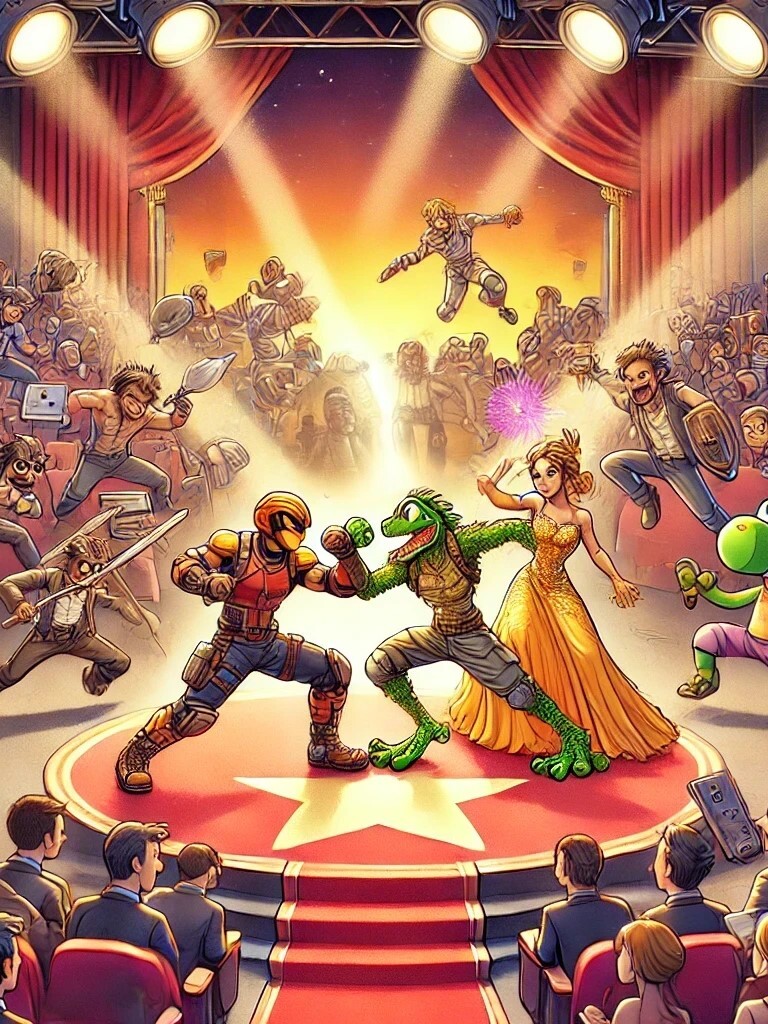
The term “speedrun” comes from gaming culture. Speedrunning usually means completing a video game as quickly as possible or finishing a specific section in record time. Applied to Scientology buildings, it becomes a kind of real-world level: Who gets the farthest? Who reaches the “backroom”? Who gets thrown out in the most spectacular way? That exact idea quickly turned the videos into a challenge on TikTok, Instagram, and YouTube.
The trend began in Los Angeles and spread across social media within just a few weeks. Participants there are said to have entered, or attempted to enter, Scientology buildings in conspicuous costumes, including dressed as Minions; the church responded, among other measures, with tighter security and by removing door handles at some Hollywood locations.
A Global Phenomenon And An Alleged “Hate Crime”
Clips of these runs were also compiled and used by the internet to create floor plans of the premises, which in turn help new speedrunners move through the centers more quickly and avoid possible capture for as long as possible.

Other parts of the world have now also become part of this dynamic. In late April 2026, the Berliner Zeitung in Germany reported that young people were planning to “storm” a Scientology location in Charlottenburg, meaning the U.S. trend had arrived here as well. This is especially explosive because, in Germany, Scientology has long been viewed as more than just a religious movement. Security authorities such as the Baden-Württemberg Office for the Protection of the Constitution describe the organization as strictly hierarchical and globally controlled. It is precisely this image that apparently makes Scientology such an appealing target for young internet users: mysterious, controversial, and loaded with pop-cultural associations.
Scientology itself no longer portrays the incidents as harmless pranks, but as targeted attacks. The organization speaks of illegal trespassing, harassment, and disruptions of religious institutions. In L.A., according to the Los Angeles Times, authorities even examined whether individual incidents could be classified as possible hate crimes, as Scientology itself has at times described the actions. The Guardian also reports that Scientology does not view the actions as legitimate protest or journalism, but as coordinated attacks on its facilities.
A Disservice To Criticism Of Scientology?
It must also be emphasized that, while many users and runners say these actions are part of a critique of Scientology and its treatment of its members — especially defectors — the clips have by now also become a stage for a collective internet performance for some.
For years, there have repeatedly been statements from former Scientologists and reports about the danger Scientology poses to its members, as well as to the outside world. These accounts speak of psychological pressure, abductions, and coercion.
This is exactly where the trend becomes politically delicate. Many people who are critical of Scientology have little sympathy for the organization. Yet critics in particular are now warning against handing Scientology ammunition with actions like these. Former Scientologist and actress Leah Remini, one of the organization’s best-known public critics, has reportedly warned that the stunts could help Scientology more than harm it: they distract from serious allegations and allow Scientology to present itself as a persecuted victim.
That concern is not unfounded. Scientology repeatedly presents itself as a misunderstood religion facing discrimination. So when young people damage doors, harass staff, or burst into ongoing events, the organization can use precisely those images — not as evidence of criticism of Scientology, but as supposed proof of hostility toward it. A meme aimed at a controversial organization then becomes a PR opportunity for its victim narrative.
Consequences for the Stormers?
On top of that, some participants in these runs claim online that they feel followed or watched after their actions. Such statements are difficult to verify independently in individual cases, but they fit into an older narrative surrounding Scientology, according to which critics, defectors, and opponents fear surveillance or intimidation.

Leah Remini herself has also made allegations such as harassment, surveillance, and intimidation in legal disputes against Scientology; Scientology regularly denies such claims. For that very reason, former members warn against recklessly provoking an organization that critics accuse of using precisely such methods.
The Scientology Speedrun is therefore more than just another TikTok trend. It shows how quickly online humor can turn into real-world boundary-crossing. As with Area 51, it all begins with a seemingly absurd joke: nobody means it seriously, everyone is just playing along. But once real buildings, real employees, real police, and real criminal complaints are involved, the ironic distance disappears. What looks to viewers like a chaotic clip can mean trespassing, property damage, or bodily harm for those involved.
The real tragedy of the trend is that it does not necessarily strengthen criticism of Scientology. On the contrary: anyone who seriously wants to talk about alleged abuses, accounts from defectors, or the organization’s power structures risks being drowned out by Minion costumes, TikTok noise, and security scuffles. The speedrun may make Scientology look ridiculous in the short term – but it also gives the organization an opportunity to portray itself as the target of a digital mob. And that may ultimately be the trend’s biggest mistake.