






























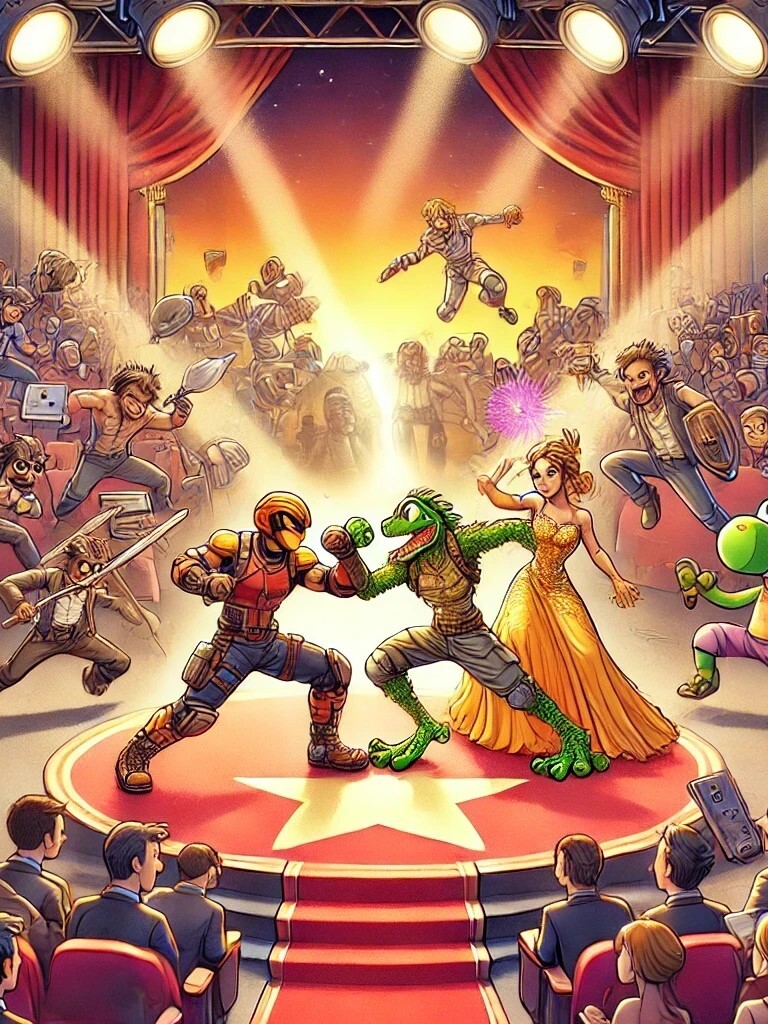





A university in California is handing out scholarships for difficult video games, proving that all those “gaming is pointless” lectures may have been wrong after all.

Every gamer has heard it at some point. Maybe from parents, teachers, or that one relative who still thinks gaming is just a phase: “Video games won’t help you in real life.” Well, a university in California begs to differ.
The University of Silicon Valley now rewards outstanding gaming achievements with scholarships worth up to $15,000 per year. Depending on the game and the specific challenges completed, applicants are sorted into different categories. In simple terms: the harder the achievement, the more financial aid you can unlock.
Platinum Trophies Can Pay For College
Located in the heart of Silicon Valley, the university has always focused on innovation and forward-thinking ideas. Its newest program, the “Max Achievement Scholarship,” rewards exceptional in-game accomplishments across a wide range of genres.
According to the university, the scholarship is designed to recognize core skills like perseverance, strategic thinking, and creative problem-solving. Those qualities, they argue, translate directly into academic success and future careers. As the university puts it:
“If you’ve earned it in-game, it can count toward your future.”

To many gamers, that probably isn’t groundbreaking news. Players have argued for years that gaming teaches valuable real-world skills. The difference now is that those abilities are being officially recognized and, in some cases, rewarded with real money.
That doesn’t mean you can spend all day grinding your favorite game and automatically earn a degree, though. The university also evaluates essays, academic performance, and the overall potential of each applicant.
Some of the most valuable achievements are incredibly difficult to secure. For example, completing all three Dark Souls games and earning every single trophy qualifies an applicant for the highest tiers of the scholarship. The same goes for reaching a blitz chess rating of over 2,400 on Chess.com.
To keep things organized, the university created its own ranking system featuring “Mastery” and “Legendary” tiers. Every achievement is mapped to specific cognitive skills and educational qualities. Best of all, if your favorite game isn’t listed, you can submit your accomplishment alongside a written explanation to have it reviewed individually.
You can find the full tier lists and application requirements here.
Gaming Trains More Than Just Hand-Eye Coordination
For years, people have accepted that gaming can improve reaction speed and coordination. But anyone who has ever fought their way through a Soulslike knows that beating those games requires much more than fast reflexes.
These titles are infamous for their brutal difficulty and frustrating boss fights. Players fail repeatedly, learn from their mistakes, and somehow find the motivation to keep trying. The University of Silicon Valley compares that gameplay loop to crucial real-life skills like goal-setting, self-organization, strategic thinking, and resilience.
Researchers even use the term “resilient flow” to describe how players learn to actively process frustration instead of avoiding it.
Games like Dark Souls teach players that failure isn’t the end of the road—it’s just part of the process. Meanwhile, MMORPGs and live-service titles add even more transferable skills to the mix, from teamwork and communication to long-term planning and resource management.
From “Pointless Hobby” To Recognized Skill?
For a long time, the older generation saw spending hundreds of hours in virtual worlds as nothing more than wasted time. This scholarship suggests that perception might finally be starting to shift.
Of course, a platinum trophy won’t replace a degree or years of professional work experience. But the underlying skills many gamers develop along the way can absolutely be useful outside the digital world.
The University of Silicon Valley is one of the first higher-education institutions to actively reward those abilities. Whether other universities will follow suit remains to be seen. Who knows—maybe one day listing your gaming achievements on your resume won’t sound ridiculous anymore.
People will likely keep debating whether video games deserve to be treated like traditional accomplishments. But one thing is clear: the days when gaming was automatically dismissed as a waste of time may slowly be coming to an end.
Anyone who has spent years exploring the lands of Azeroth or Lordran, or has built an entire village for numerous NPCs in Terraria, has likely trained far more than just their reflexes.
Did you ever think a video game could help pay for college? Let us know in the comments!
