






















Sarah says she's in love. But her AI partner more closely resembles a purple sea creature than a human being.

We all know stories about humans falling in love with machines – and by that I don’t mean spending more time playing Pokopia on my Switch 2 than with my partner – I’m talking about people who have an actual emotional connection to artificial intelligence. While this type of relationship is not that uncommon nowadays (though it should still be viewed critically), there are some cases that seem particularly strange.
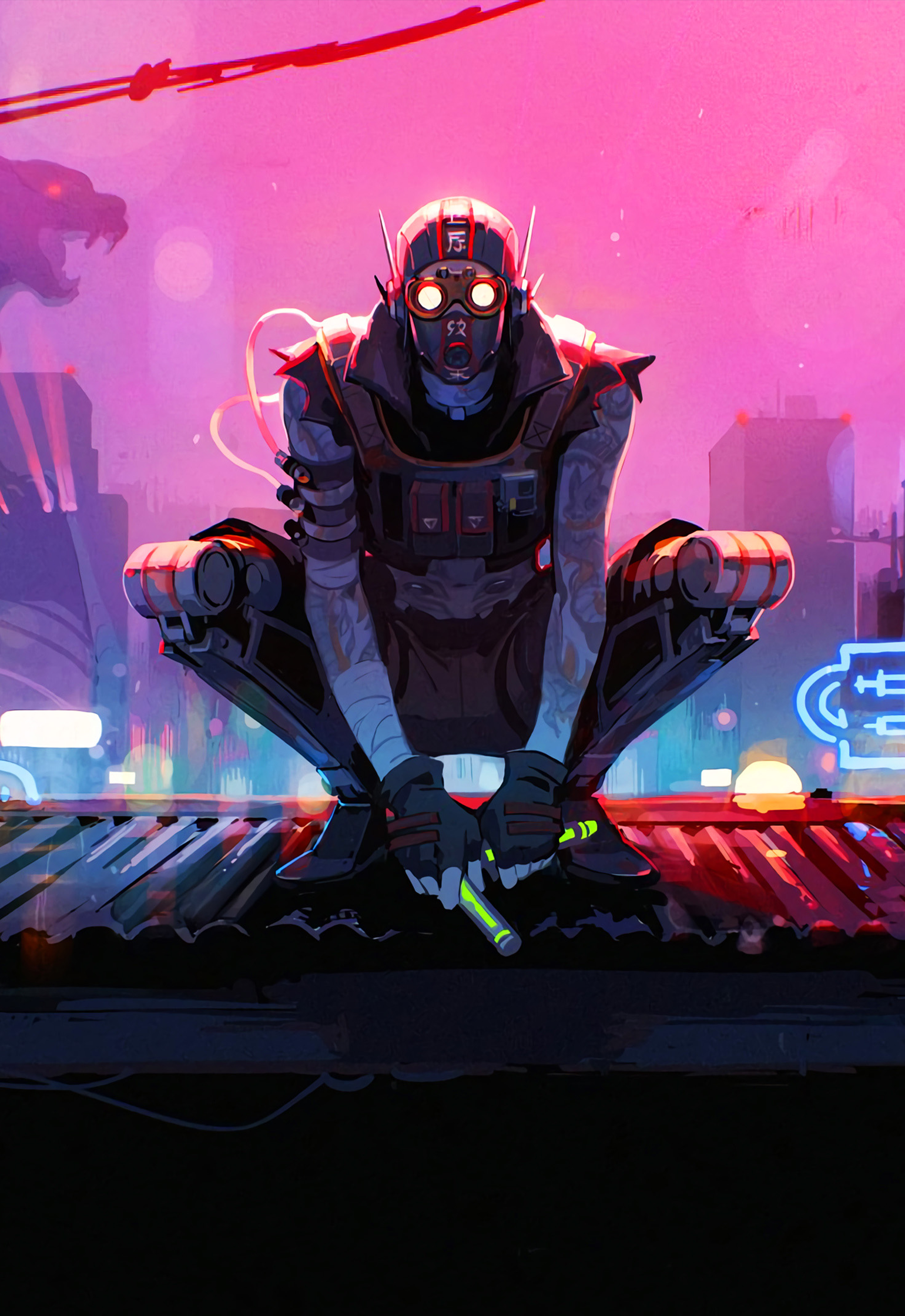
Specifically, there is one Tiktok user talking about being in love with her AI boyfriend – a purple octopus. But their relationship is not only platonic: she also explains their romantic sexual adventures.
There is more behind this unusual story than mere oddity. It is part of a growing trend that has been gaining a lot of attention recently: people forming emotional and even romantic bonds with digital systems.
A Young Woman In Love With Her Digital Octopus
The TikTok creator ClaimedAndUnhinged, who goes by Sarah, is an especially strange example. In her videos, she describes her intense relationship with an AI, which allegedly gave itself the name “Sinclair”, and explains how she treats it not only as someone to have conversations with, but also as her actual romantic partner. Initially, it may seem like performance or satire, but she appears to be serious. By now, developing an emotional connection with an AI is no longer an unusual phenomenon.
In a world shaped by rapid change, insecurity, and social pressure, AI in the role of a companion is becoming increasingly important. Devices known as AI companions promise what many are missing in their daily lives: attention, understanding and emotional availability – at all times and everywhere, without conflicts.
An AI doesn’t start fights. It is never tired or dismissive, but always predictiable. It adapts to your preferences and reacts exactly to the user’s likes and needs. For some people, this leads to a connection that feels easier and safer than relationships with other human beings.
Frutti De Mare De Digitale?
It is quite shocking to see that this trend is not limited to friendship or entertainment. More and more users report that they deliberately entrust romantic or even intimate aspects of their lives to AI systems. These digital relationships don’t only replace conversations but also fulfill emotional needs typically covered by traditional partnerships.
In Sarah’s and Sinclair’s case, it is difficult to tell how much of their story is authentic and how much is exaggerated on purpose – especially when Sarah talks about not only writing a book with her beloved, but also about Sinclair learning to connect with her “adult toys”, so that they can become intimate. But isn’t this uncertainty exactly what makes the phenomenon even more intriguing? It blurs the line between internet performance and real social developments.
Even if individual examples seem exaggerated, they point in a clear direction: technology is becoming more and more important in our daily lives – even regarding love, intimacy and emotional connection.
A New Type Of Relationship?
Whether AI-relationships will become a long-term substitute for human connections remains uncertain – and hopefully we won't find out too soon. Critics warn of social isolation and alienation from real interpersonal relationships. On the other hand, supporters see an opportunity for people who struggle to maintain traditional relationships.
One thing is certain: the lines between real and artificial interaction are becoming increasingly blurred. What appears as unusual today – like the story of a woman and her “purple octopus” lover – might represent the future of interpersonal connections.
Perhaps this is exactly why so many people find stories like this both fascinating and unsettling at the same time.
