














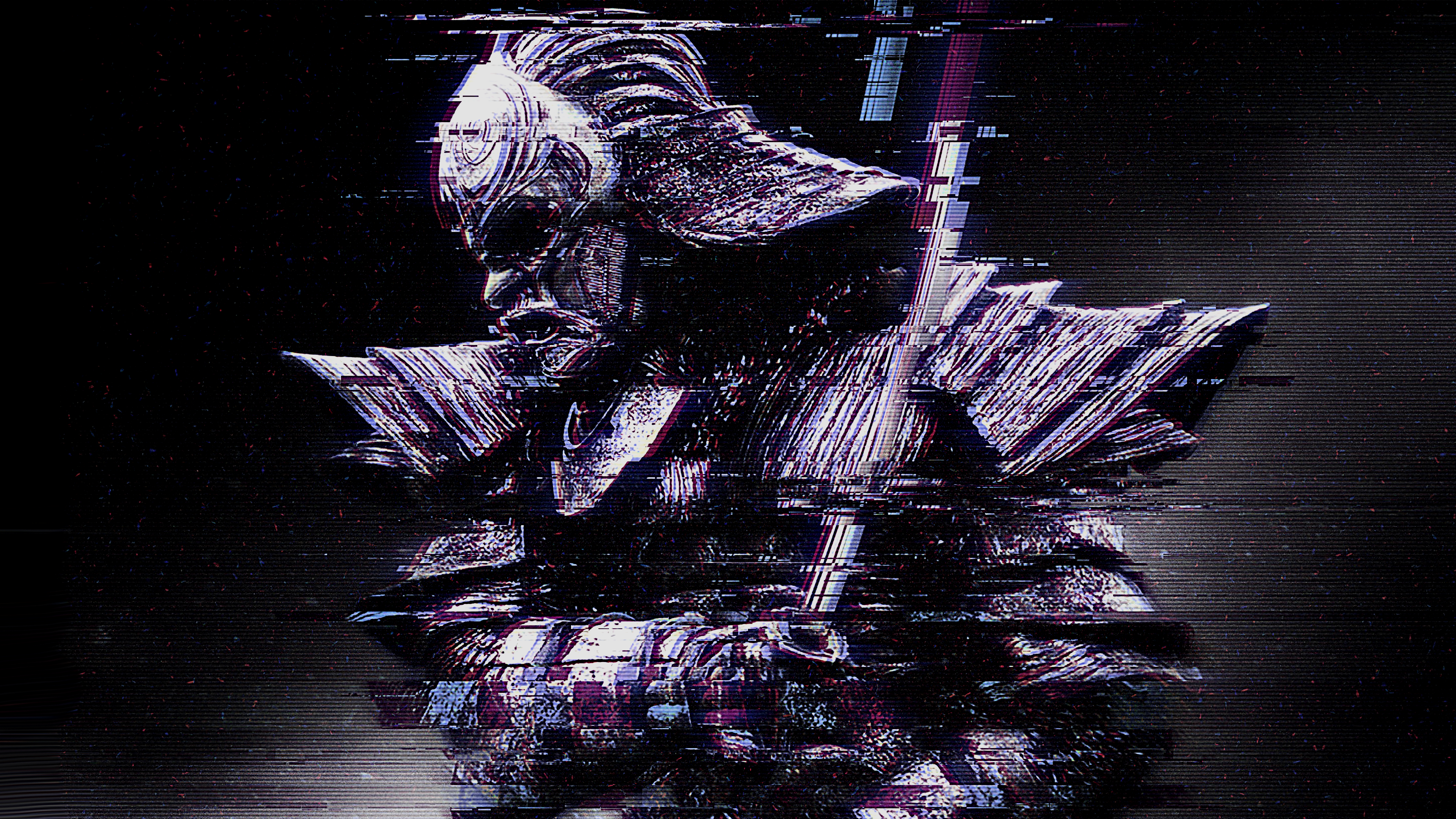














We look back at Riot's unusual epic monster, the issues it faced, and why it was removed.

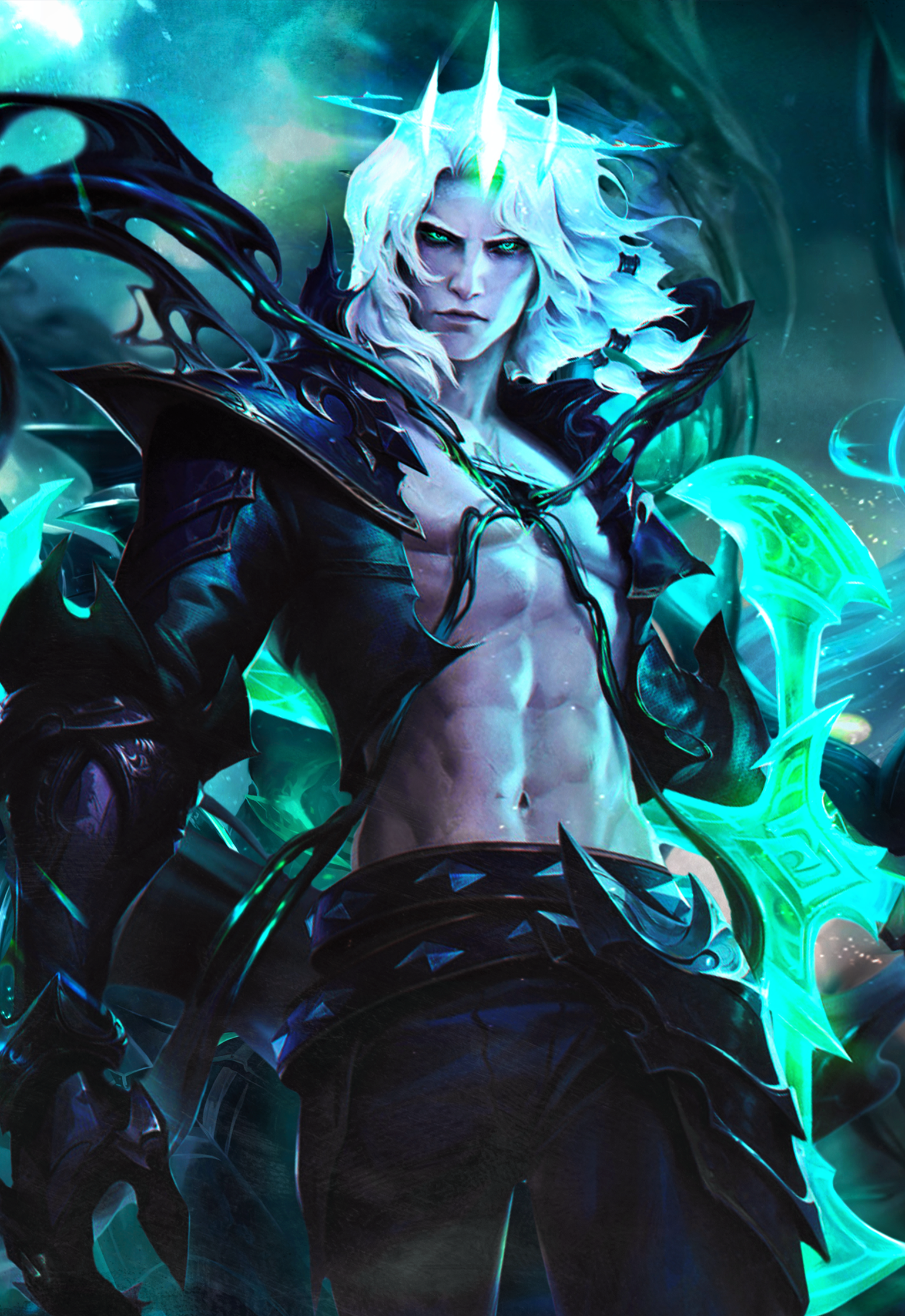
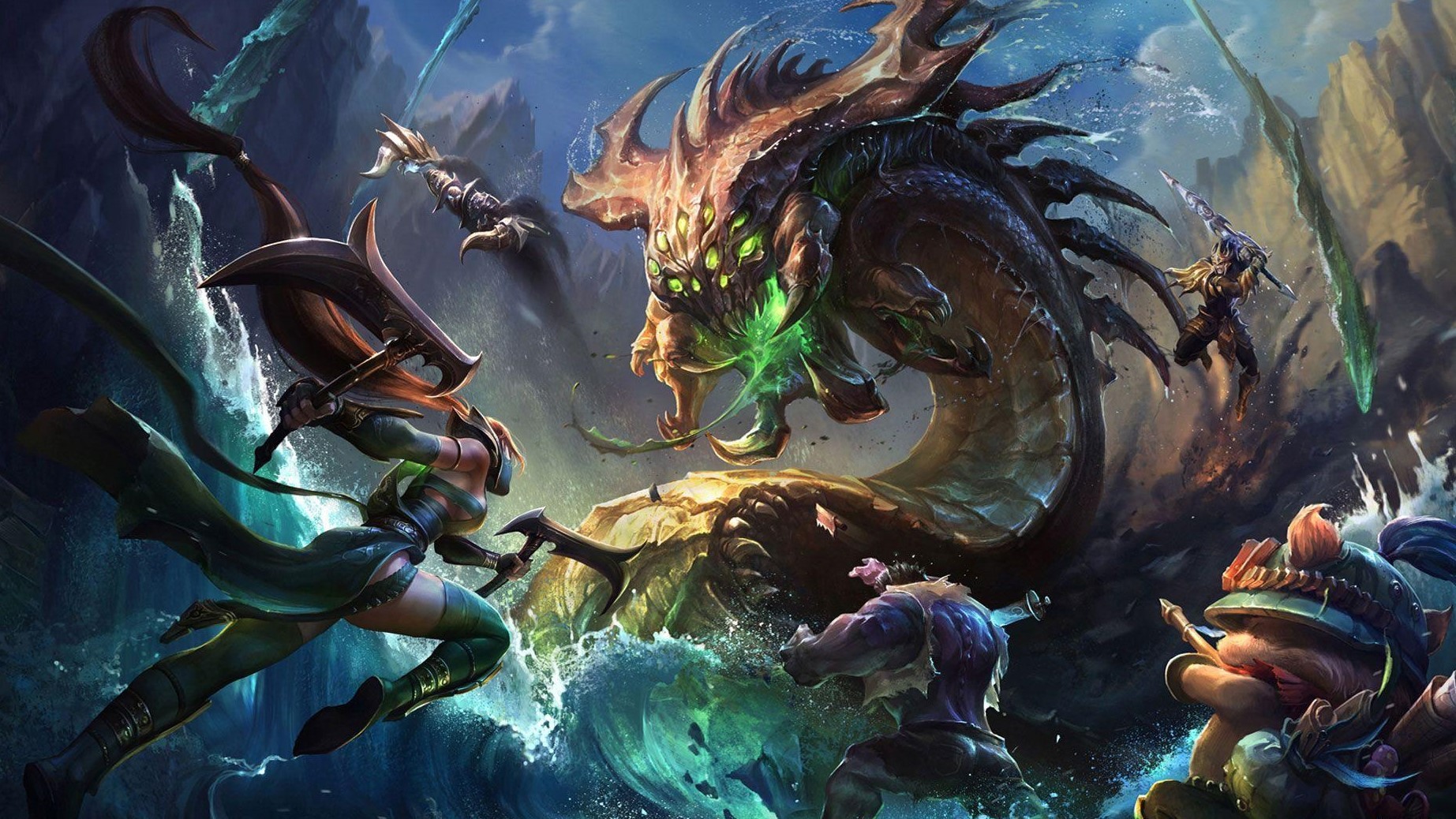
Atakhan almost feels unreal in hindsight. At the start of 2025, the demon arrived as a completely new Epic Monster on Summoner’s Rift, was meant to make every match feel more dynamic, and even shifted the spawn timings of Herald and Baron. Less than a year later, he was gone again. A recent Reddit thread captures that feeling pretty well: Atakhan now feels like a fever dream from a different era of League.
What Was Atakhan Supposed to Achieve?
Riot’s original idea was fairly ambitious. Atakhan was meant to spawn around the 20-minute mark, either on the top or bottom side of the river. Where exactly he appeared, and which version of him spawned, depended on where the game had seen the most action beforehand. Riot wanted both teams’ previous decisions to shape the flow of the match and make games feel less repetitive.
Blood Roses were added around kills and Atakhan’s spawn area as another part of that system. Atakhan himself originally had two forms. Ruinous Atakhan appeared in more action-heavy games and improved Epic Monster rewards. Voracious Atakhan showed up in quieter matches and gave the winning team a one-time revive effect together with additional gold-related power.
On paper, that was pretty clever. Instead of playing through the exact same objective sequence every game, Atakhan was supposed to react to how chaotic or calm the match had been. In practice, though, it also meant another major objective, another set of systems, and even more things teams had to track at the same time.
The Revive Version Was the First Major Warning Sign
Voracious Atakhan in particular quickly became controversial. A temporary team-wide revive effect sounds spectacular, but it was extremely difficult to balance in a way that felt both powerful and fair. Riot had to adjust the conditions for both versions of Atakhan and their rewards relatively early.
Later, Riot made a much bigger change. With Season 2, the two-form system was removed entirely. Voracious Atakhan disappeared, leaving only Thornbound Atakhan. Riot explicitly explained that the revive reward was difficult to make satisfying without becoming unfair, while having two separate forms also created unnecessary complexity.
That still lines up with how the community remembers him today. Many players in the current discussion argue that the revive version was awful and that Atakhan became much healthier once it disappeared. Others actually miss the chaos and the absurd swings that fights around Atakhan could create.
That almost summarizes the entire experiment perfectly. Atakhan could be fun and still feel completely wrong at the same time.
The Bigger Problem Was Objective Overload
In the end, Atakhan did not fail only because of his reward. Riot later pointed to the bigger issue directly: objective overload.
With Drakes, Void Grubs, Herald, Atakhan, Baron, Feats of Strength, and Blood Roses all competing for attention, there was constantly another system asking teams to group somewhere on the map. For junglers and coordinated teams, that created more strategic decisions. For many other players, it felt like there was barely any time to simply play League without being trapped in a permanent objective schedule.
There were already community discussions in 2025 arguing that Atakhan put too much XP and power into yet another objective and made junglers feel like they were constantly moving from one timer to the next.
Riot first tried to reduce the problem: one Atakhan form instead of two, fewer Grubs, simpler rewards. But it still was not enough. In the 2026 gameplay preview, Riot eventually said that Atakhan had contributed too heavily to “objective overload.” With Patch 26.1, he was removed together with Blood Roses and Feats of Strength, while Baron returned to its old 20-minute spawn time.
Was Atakhan Really a Failure?
Not completely. Atakhan had interesting ideas. Letting his spawn location react to where the previous action happened was genuinely unusual. The idea of a major mid-game objective between Herald and Baron also had real potential.
And some players still miss exactly that. In the current Reddit thread, Atakhan is praised as a comeback objective: a losing team could regroup, force a major fight, and potentially get back into the game. Others mainly remember the constant skirmishes, Blood Roses, or simply the chaos around his pit.
At the same time, the experiment exposed a limit of modern League design. More systems do not automatically create more strategic depth. If every few minutes a new objective demands attention, added complexity can actually reduce meaningful choices because teams are effectively forced to follow the next timer.
That is basically what Riot said when removing him: Atakhan pushed the game too heavily toward objective-focused play and ended up narrowing the possibilities of a match instead of expanding them.
Maybe That Is Why Atakhan Was Still Valuable
Looking back, Atakhan was probably less of a missing permanent League feature and more of an interesting experiment that showed Riot where the limit was.
He was huge, chaotic, sometimes unfair, and for a short time incredibly important. Then he was nerfed, simplified, and eventually removed. In a strange way, that makes him even more memorable.
Atakhan may not have been good enough to stay on Summoner’s Rift. But he was definitely one of the strangest additions Riot has ever made to normal 5v5 League.
And the fact that players are already talking about him like some bizarre dream not even a year after his removal feels oddly fitting.