
































More and more modern LoL champions need major updates.
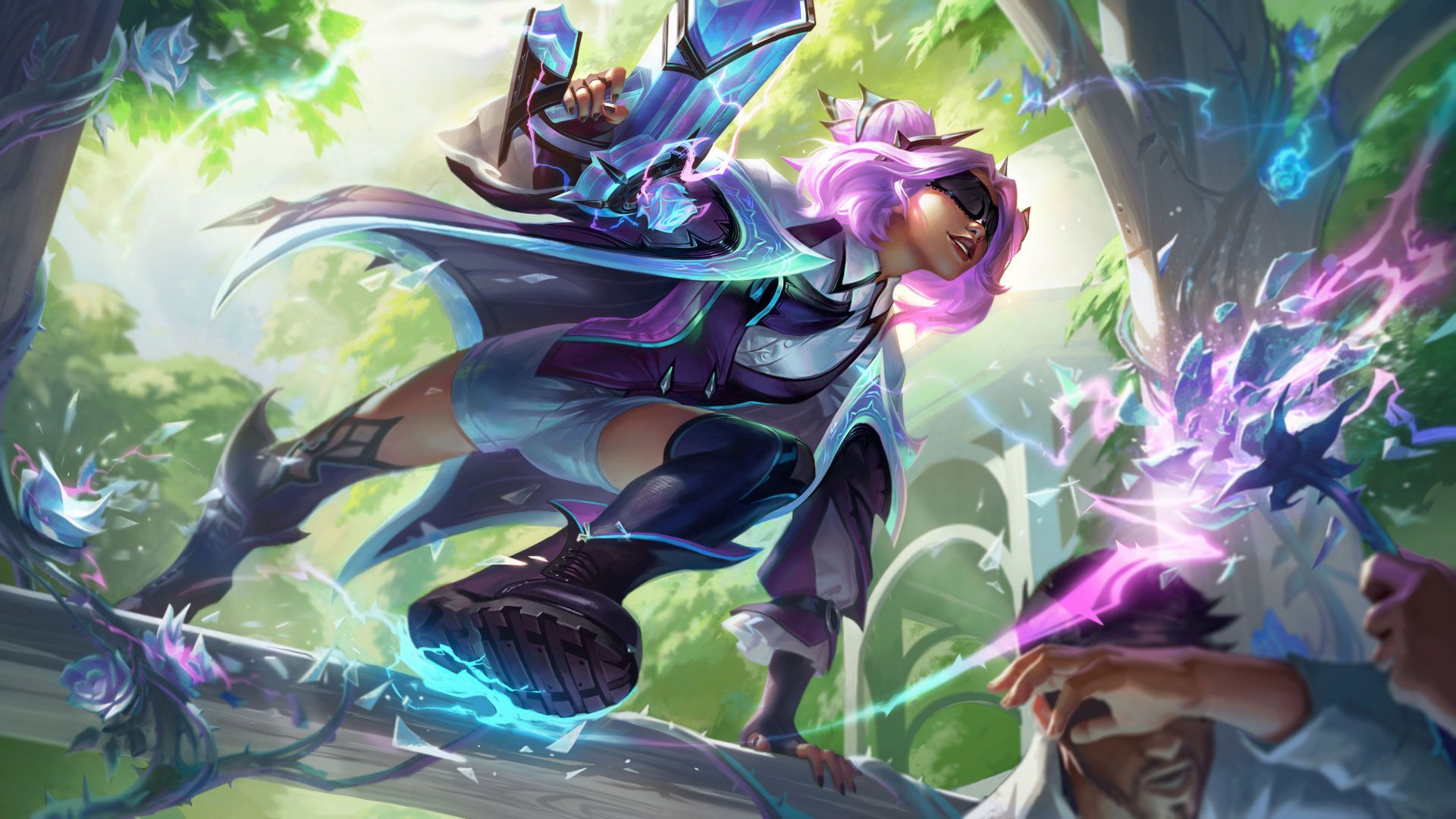
Mel is getting another major overhaul with Patch 26.22. She is far from the only example: Zeri, K’Sante, Bel’Veth, Naafiri, Aurora and Smolder have all been changed significantly since release. A recent Reddit thread therefore raises an uncomfortable question: are modern League champions becoming too experimental – or is that simply the price Riot has to pay if it still wants to create genuinely new ideas after almost 200 champions?
2022 Was the Turning Point
The thread deliberately starts with 2022 – and that year’s champion class is indeed striking.
Zeri had to be fundamentally adjusted multiple times after proving almost impossible to balance, especially in pro play. K’Sante was also heavily reworked several times and remains one of the clearest examples of a champion whose Solo Queue win rate can stay low while still generating enormous draft priority in coordinated play.
Bel’Veth was originally sold heavily around the fantasy of a scaling Void hypercarry, but for a long time developed more into an extremely strong early- and mid-game jungler. Riot later shifted more of her kit back toward scaling.
Nilah and Renata Glasc, meanwhile, were not repeatedly reworked, but they belong to the less popular champions in their respective roles. This is where the discussion becomes more complicated: is a champion badly designed just because fewer people play them? Not necessarily.
Renata, for example, is deliberately matchup- and team-dependent. Her strongest abilities work particularly well against engage and in coordinated situations. That makes her less universal than a Lux or Jinx, but not automatically a failed champion.
Zeri and K’Sante Show the Real Problem
The better examples of genuine design problems are Zeri and K’Sante.
Both were built around unusual mechanics meant to clearly separate their champion fantasies from older designs. For Zeri, that meant her unconventional auto-attack structure and extreme mobility. K’Sante was designed to be both tank and carry, switching between those two identities. That sounds exciting – but it creates huge balance problems.
The more a champion can do things that break the game’s usual rules, the wider the gap often becomes between average and elite players. A mechanic can be completely harmless in Silver while professional players exploit it so efficiently that the champion still has to be permanently picked or banned despite a normal win rate.
That is exactly why Riot had to do more than just change numbers on both champions. Mechanics had to be removed, shifted or restructured. That is different from a champion simply dealing five percent too much damage after release. Numbers are relatively easy to fix. When the core mechanic is the problem, a midscope becomes necessary.
Mel Is the Latest Example
Riot itself described this problem unusually openly this week.
Rebuttal was supposed to be one of those new mechanics that permanently expanded League: not just blocking projectiles, but actually sending them back. Riot itself compared that design bet to abilities like Yasuo’s Wind Wall or Sylas’ ultimate – mechanics that created entirely new interactions when they were introduced.
For a few months, it apparently worked. Then Mel’s situation deteriorated significantly. According to Riot, her win rate dropped to around 45 to 47 percent and her pick rate fell sharply – while her ban rate remained high. That is almost the perfect warning sign for problematic champion design: a champion is statistically weak, and opponents still do not want to play against them.
Riot ultimately concluded that reflect could not be meaningfully balanced on a normal ability. With Patch 26.22, the mechanic is being removed completely. That is not a standard balance pass. It is Riot admitting that a central design idea did not work.
Experimental Champions Are Not Automatically Bad Champions
The other side of the discussion matters just as much. League has existed since 2009. Riot has already built most of the simple champion archetypes: the classic mage, the straightforward tank, the basic auto-attack marksman, the assassin with a dash.
If new champions are not supposed to feel like slightly altered versions of older picks, designers increasingly have to experiment with more complex or unusual mechanics. And some of those experiments will fail.
One Reddit comment summarizes that idea pretty well: with almost 200 champions, Riot has to become more creative, and sometimes an idea that sounds great on paper turns out to be almost impossible to balance in practice.
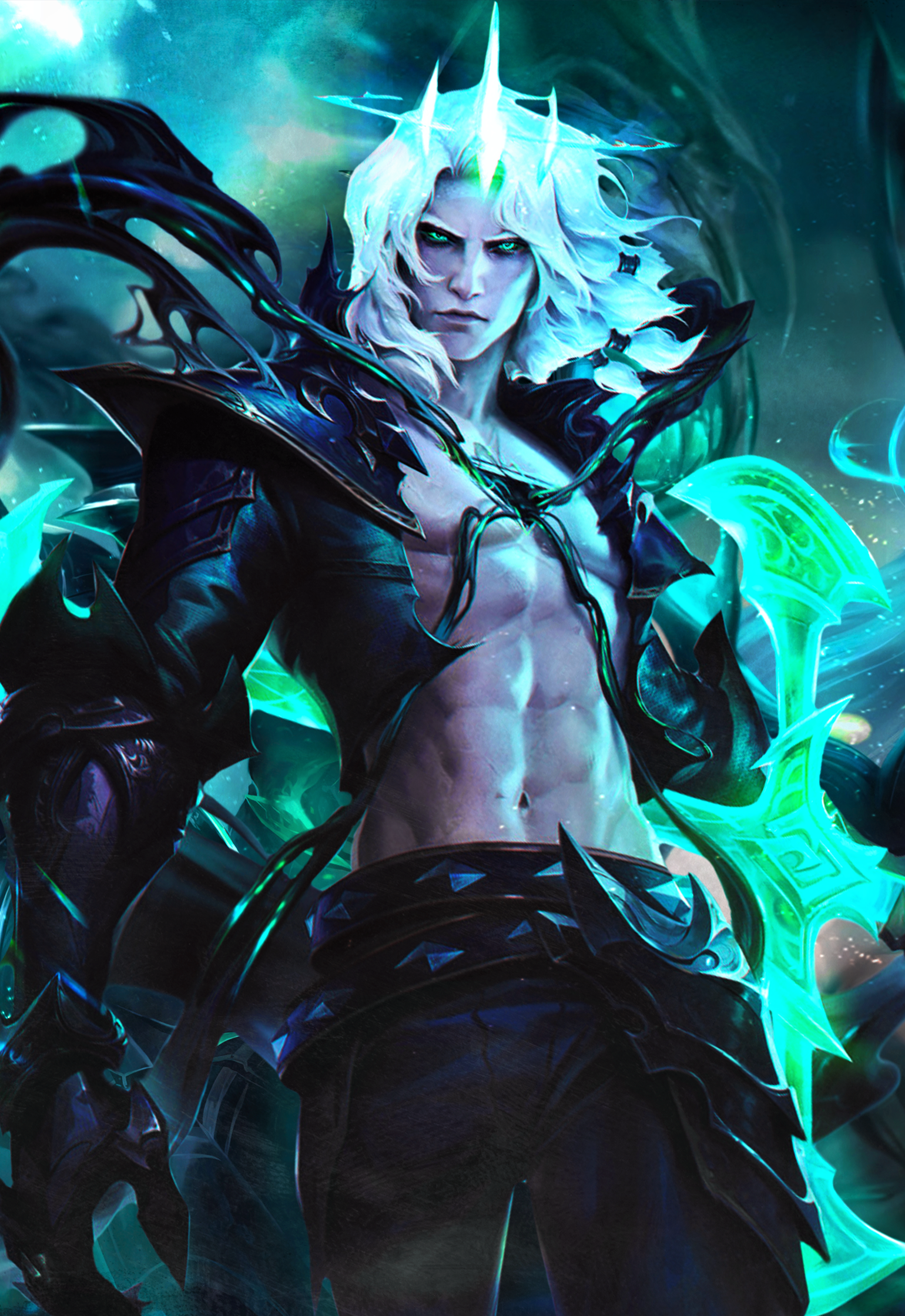
At the same time, there are plenty of more recent counterexamples. Hwei has one of the largest kits in the game but mostly needed numerical adjustments rather than a full rework. Vex is relatively simple, has a clear anti-dash niche and is often mentioned in the discussion as one of the cleaner modern champion designs. And not every niche pick has to reach Lux- or Yasuo-level popularity.
Is That Why Riot Slowed Champion Releases?
It is also interesting how much Riot has changed its release strategy.
In 2020, the company still stated that it wanted to release roughly six new champions per year – one for each position and two for mid lane. By 2021, Riot had already acknowledged that it could not always maintain that pace. Today, far fewer new champions are released than during that period.
It would be too simplistic to interpret that directly as Riot admitting its champion design had become worse. A growing roster also means more balance work, more skins, more voice work, more technical interactions and an increasingly difficult learning curve for new players.
Riot’s stronger focus on midscopes, ASUs and existing champions can therefore simply be a smarter use of resources. The Reddit thread still has a point, though: if a new champion needs major structural changes only a few months or years after release, something in the original design clearly did not land perfectly.
Maybe Less Really Is More
The real lesson is probably not that Riot’s champion team has suddenly become bad at its job.
The problem is that League has reached a point where innovation is getting harder and harder. Every truly new mechanic has to work alongside almost 200 existing champions, cannot break pro play, has to remain understandable for normal players, and still needs enough personality for people to actually want to play the champion.
That is an almost impossible balance. Zeri, K’Sante and Mel show what happens when Riot leans too far into experimentation. Champions like Vex show that a clearer, simpler concept does not automatically have to be boring.
Maybe Riot’s slower release pace is therefore exactly the right consequence. Fewer champions mean more time to test mechanics, modernize existing picks and make sure a new release actually fills a meaningful long-term gap in the roster.
Because a new champion should not only feel exciting on release day. Ideally, they should still feel like the same champion two years later.