







































One of the most requested features for many years is on its way to the Rift.

League of Legends is finally getting a voice chat for full teams. Riot will start testing the feature with Patch 26.20 in North America and Oceania first, while Europe is set to follow later. The reason is not a lack of interest, but moderation: EUW and EUNE are much harder to support because of their language diversity.
Riot Is Expanding Voice Beyond Premades
Until now, voice chat in League has mostly been limited to premade groups. With Team Voice, Riot wants to expand that functionality to the entire team. In the most recent Dev Update, Andrei “Meddler” Van Roon and Paul “Pabro” Bellezza explain that players should be able to talk not only to their arranged party but to everyone on their team.
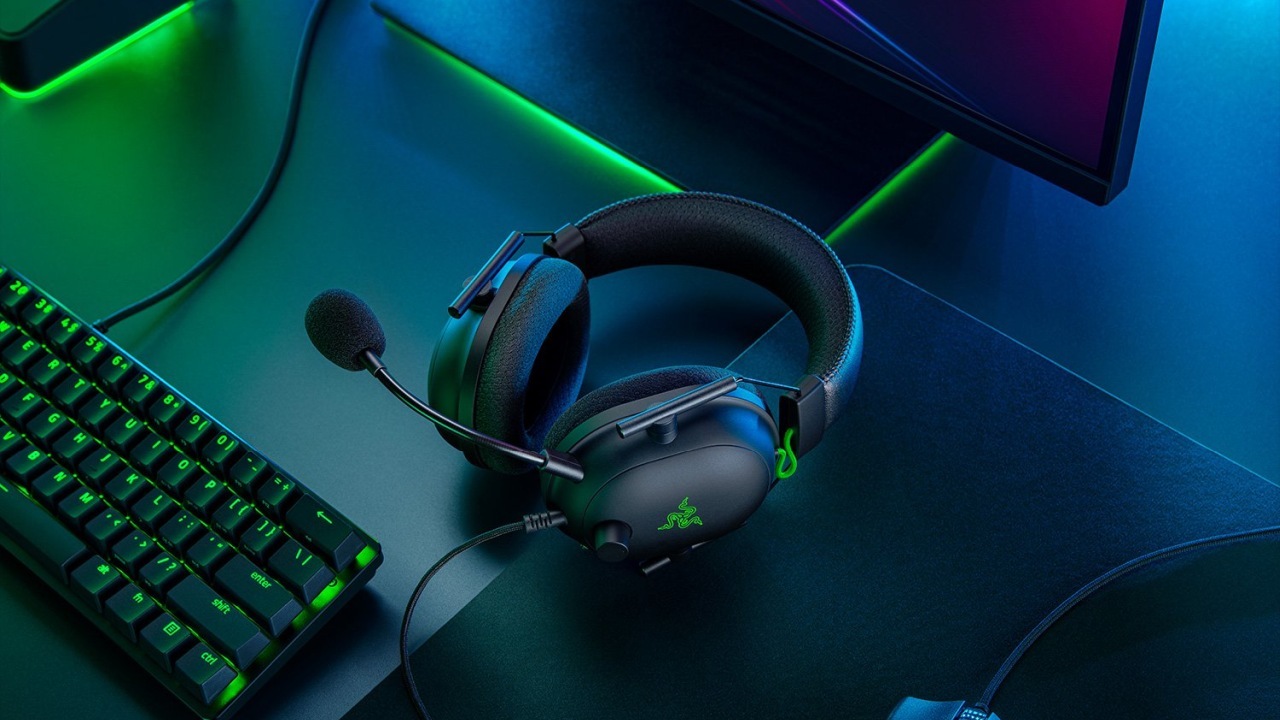
Riot puts it pretty directly in the official summary: it is expanding voice so players can “chat with everyone on your team.” At the same time, this is not meant to be an unfiltered voice channel. Riot mentions “a wide range of tools,” including better noise suppression, faster connection and more stability.
That matters because League is a game where seconds decide objectives, ganks and teamfights. Pings help, text chat is often too slow, and many Solo Queue games collapse because players are not on the same page. A functioning Team Voice system could be huge around Baron, Dragon, invades or lane swaps.
Honor Level 3 Becomes the Entry Requirement
The most interesting part is not just the technical rollout but access. Riot wants speaking in Team Voice to be tied to Honor Level 3 or higher. Players below Honor Level 3 will still be able to listen, according to Sheep, but they will not be able to speak.
That is clearly Riot’s attempt to reduce the biggest concern around voice chat: League is not exactly famous for being a calm community. Many players fear that Team Voice will not only bring better calls but also more flame, more pressure and more uncomfortable situations.
Riot seems very aware of that. In the TL;DW summary, the developers say they want to make sure they can provide “appropriate moderation,” which is why access will be tied to Honor Level 3+.
That also turns Team Voice into a test for the Honor system. If good behavior no longer only unlocks cosmetic rewards but also access to important communication features, Honor suddenly becomes much more meaningful.
Why Europe Is Coming Later
NA and Oceania getting Team Voice first will likely annoy many European players. But from Riot’s perspective, the decision makes sense. Europe is one of the most complex voice-chat environments possible, because EUW and EUNE include a huge number of languages, accents and communication styles.
According to Sheep, Meddler explained that EU has one of the widest varieties of spoken languages, making detection and moderation more complex. He also added that Riot is starting with less complex regions while testing and improving the system.
That is more than a technical excuse. Text moderation is already difficult. Voice moderation is even harder because tone, language, slang, background noise and context all matter. A system that works reasonably well in English-heavy regions does not automatically work just as well in Europe.
Voice Chat Could Change Solo Queue
From a gameplay perspective, Team Voice could change League significantly. In Solo Queue, many mistakes are not mechanical mistakes, but communication mistakes. A jungler sees a gank angle, but the lane reacts too late. A support wants to roam, but mid does not know. A team starts Baron while the ADC is still taking a wave.
Voice could make those situations cleaner. One quick call is often stronger than five pings. Champions and roles built around timing could benefit especially junglers, engage supports, roaming mid laners and shotcalling players in general.
At the same time, voice will not automatically make every game better. Some players do not want to talk, others do not want to listen, and toxic communication can ruin a game faster than bad text chat. That is why mute, report and moderation tools will be crucial.
A Risky, But Necessary Step
Team Voice is probably one of the biggest social feature changes League has seen in years. Riot knows better communication can improve the game. But Riot also knows the same feature can quickly become a problem in a toxic environment.
That is why the slow rollout makes sense. NA and Oceania become the test regions, Honor Level 3 acts as a filter, and Europe comes later once Riot has more confidence in moderation and detection. For EU players, that is frustrating but understandable.
In the end, Team Voice could genuinely change League. Not because every Solo Queue team will suddenly shotcall perfectly, but because League has always been a game built around communication. Riot is now trying to bring that communication directly into the team – without bringing the worst parts of the community with it.