




































Stargate Universe, the latest of three Stargate series, ended in 2011 after just two seasons, leaving fans with a major cliffhanger. A third season seems unrealistic since it's been more than a decade since the show ended, but there have been hints about how the story could have progressed. Nevertheless, recent developments suggest that fans of the Stargate franchise may have reason to hope for new stories in the future.
Stargate Universe was always the odd one out in the franchise – and that’s why people still argue about it like it ended last week. Where SG-1 and Atlantis thrived on adventure-of-the-week momentum, SGU aimed for a messier, more serialized survival story: limited air, limited trust, and a ship that never felt like it “belonged” to the people living on it.
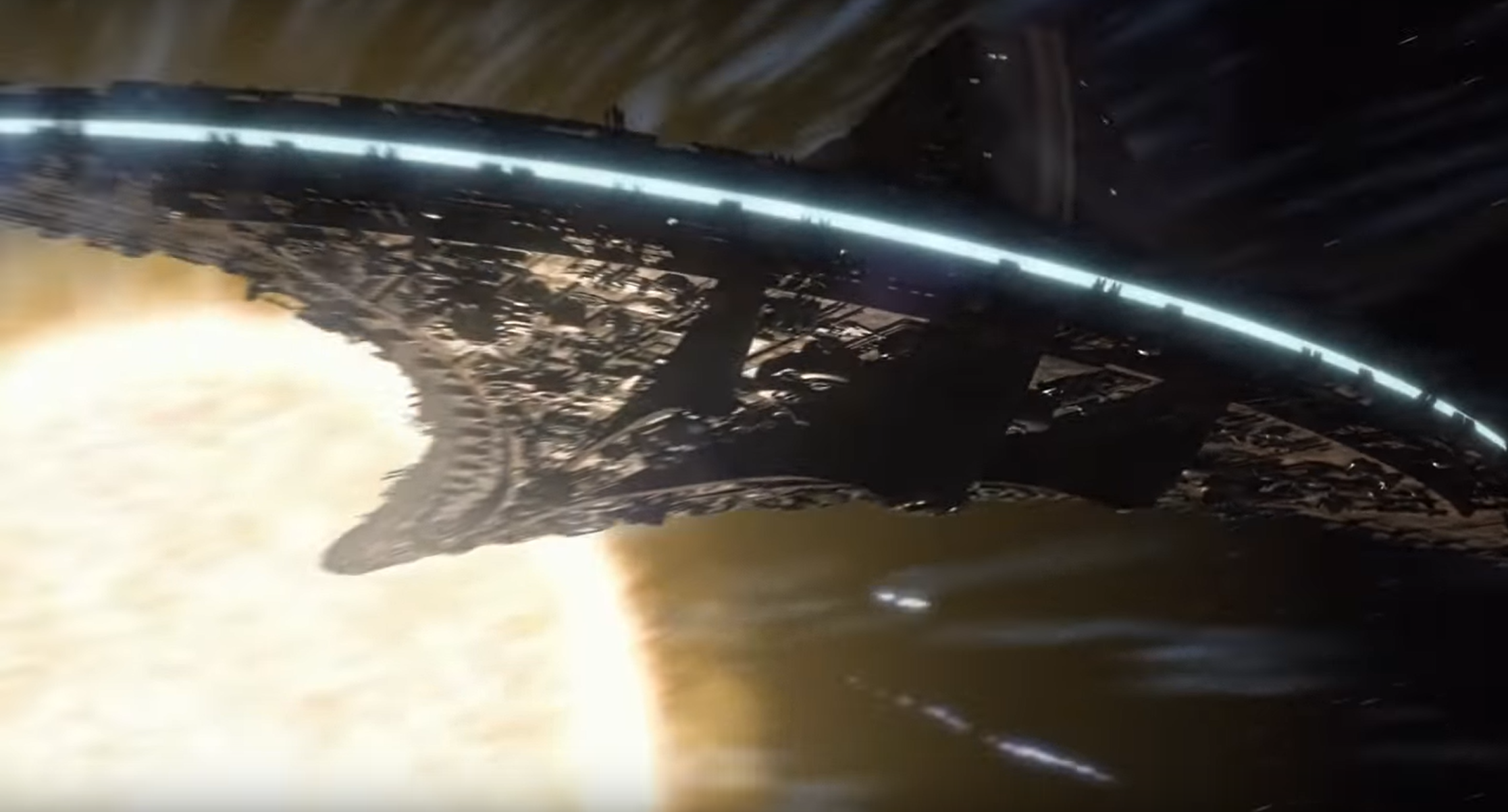
The premise did a lot of heavy lifting. A mixed group of soldiers, scientists, and civilians is thrown onto Destiny, an Ancient vessel launched long before Earth’s modern era. They’re not exploring for fun; they’re trapped on a mission that’s been running for eons, chasing a cosmic mystery that the Ancients believed was worth everything.
That sense of scale made the show’s ending hit harder. It didn’t wrap up with a victory lap or a neat goodbye – it ended with a plan, a sacrifice, and one character left awake with the worst job in the universe: keep everyone alive long enough to reach the next galaxy.
Why Stargate Universe Ended Where It Did
The final episode, “Gauntlet,” aired in 2011 and effectively turned Destiny into a lifeboat aimed at deep space. Ratings had cooled compared to earlier Stargate runs, the show’s darker tone split parts of the fanbase, and the series never got the runway it needed to fully pay off its slow-burn arcs. Whatever combination of factors ended it, the result was the same: SGU stopped mid-sentence.
And that sentence was a brutal one. With enemy drone ships making normal resupply stops suicidal, Destiny’s crew chooses a desperate workaround: a single long FTL jump to a new galaxy where the threat won’t be waiting at every star. The catch is time – roughly three years – which means stasis for almost everyone… and a last-minute stasis pod failure that forces one person to stay behind.
Eli Wallace is the one who stays awake. It’s a choice that fits SGU’s tone perfectly: not a grand speech, not a parade, just a guy staring down dwindling resources and the possibility that he’ll die alone so everyone else gets a chance to wake up.
What The Writers Said Could Have Happened Next
The simplest continuation is also the one fans cling to for sanity: Eli fixes the damaged pod in time, gets into stasis, and the crew wakes up together after the jump. The fun (and terrifying) twist is that stasis doesn’t guarantee a clean timetable – Destiny could arrive late, systems could drift, or something could interrupt the wake-up, turning “three years” into a time jump that completely reshapes who (and what) is waiting in the new galaxy.

A darker version keeps Eli awake the entire journey. That doesn’t just mean rationing food and oxygen; it means surviving isolation, improvising life support, and making Destiny function like a one-person submarine in intergalactic space. Season 3 could have leaned into Eli documenting the trip through kino logs, wrestling with the ship’s limitations, and slowly discovering that Destiny reacts differently when there’s only one heartbeat on board.
Then come the wilder sci-fi exits: Eli could have survived by merging with Destiny’s systems (uploading his consciousness into the ship), or the ship could have been boarded mid-transit by an outside force – Earth, an unknown alien faction, or even humans from far in the future with their own agenda. Any of those routes keeps the core promise intact: the rescue is only half the story, because Destiny’s mission was always bigger than getting home.
Stargate’s Comeback Makes Destiny Relevant Again

For a long time, “Will SGU ever continue?” felt like a permanent no. Time passes, casts scatter, and reviving a niche, serialized sci-fi drama isn’t easy – especially one that ended with half the characters literally frozen in place.
But the larger franchise picture has changed. A new live-action Stargate series is officially in development for Prime Video under Amazon MGM Studios, with franchise veteran Martin Gero attached to lead the project. That doesn’t automatically mean “Stargate Universe Season 3” is happening, but it does mean the door is open for the franchise to revisit old canon instead of tiptoeing around it.
Side fact: Thanks to an interview, we also have an idea about how the other Stargate spin-off, Stargate Atlantis, would have continued – more on that here.
If the new series wants a high-impact legacy thread to pull, Destiny is basically the perfect option: a mythic ship, a missing crew, and a mission that points straight at the biggest unanswered question in SGU. It can be resolved in an episode, a season arc, or a slow-burn reveal – and it would instantly reward longtime fans without requiring newcomers to watch two full seasons to feel the emotional punch.
So, Will We Ever Get A Real Ending?
A traditional “Season 3” with the same format and cast still feels like a long shot, but SGU doesn’t need a carbon-copy continuation to finally land the plane. All it takes is one decisive narrative move: confirm what happened to Eli, confirm when the crew woke up (or why they didn’t), and show whether Destiny kept chasing that cosmic signal… or became a tomb drifting between galaxies.
Until then, SGU remains one of sci-fi TV’s most compelling unfinished stories – not because it ended with explosions, but because it ended with hope, fear, and a ship disappearing into the dark on a mission that was never meant to be safe.