

























Tormentum II recaptures the original’s disturbing visual identity while delivering a more ambitious, detailed, and difficult-to-put-down point-and-click adventure.

For fans of eldritch horror, the work of H. R. Giger, and those Iron Maiden album covers that seemed to promise forbidden music, Tormentum: Dark Sorrow left an impression that was difficult to forget. OhNoo Studio combined point-and-click gameplay with a universe of rusted metal, diseased flesh, and impossible architecture that still retains an unmistakable identity. Eleven years later, the Polish studio returns with Tormentum II, a sequel that understands exactly what made the original special.
A Simulation Turned Into a Prison
The story stands independently from the first game. This time, we control David, a programmer attempting to escape a technology-dominated dystopian reality by creating a simulation. After witnessing his own death, he awakens trapped inside the world he was building. He must travel through islands, prisons, and wastelands without knowing whether he has become trapped inside his program or entered a particularly cruel version of the afterlife.
The writing is deliberately poetic, cryptic, and occasionally confusing. Characters speak like figures from a half-remembered dream, while ideas about identity, death, and creation hide behind metaphors. This can make the events difficult to follow, but it strengthens the dreamlike atmosphere. David does not understand what kind of reality he inhabits, and the game makes sure we do not either.
A World as Beautiful as It Is Grotesque
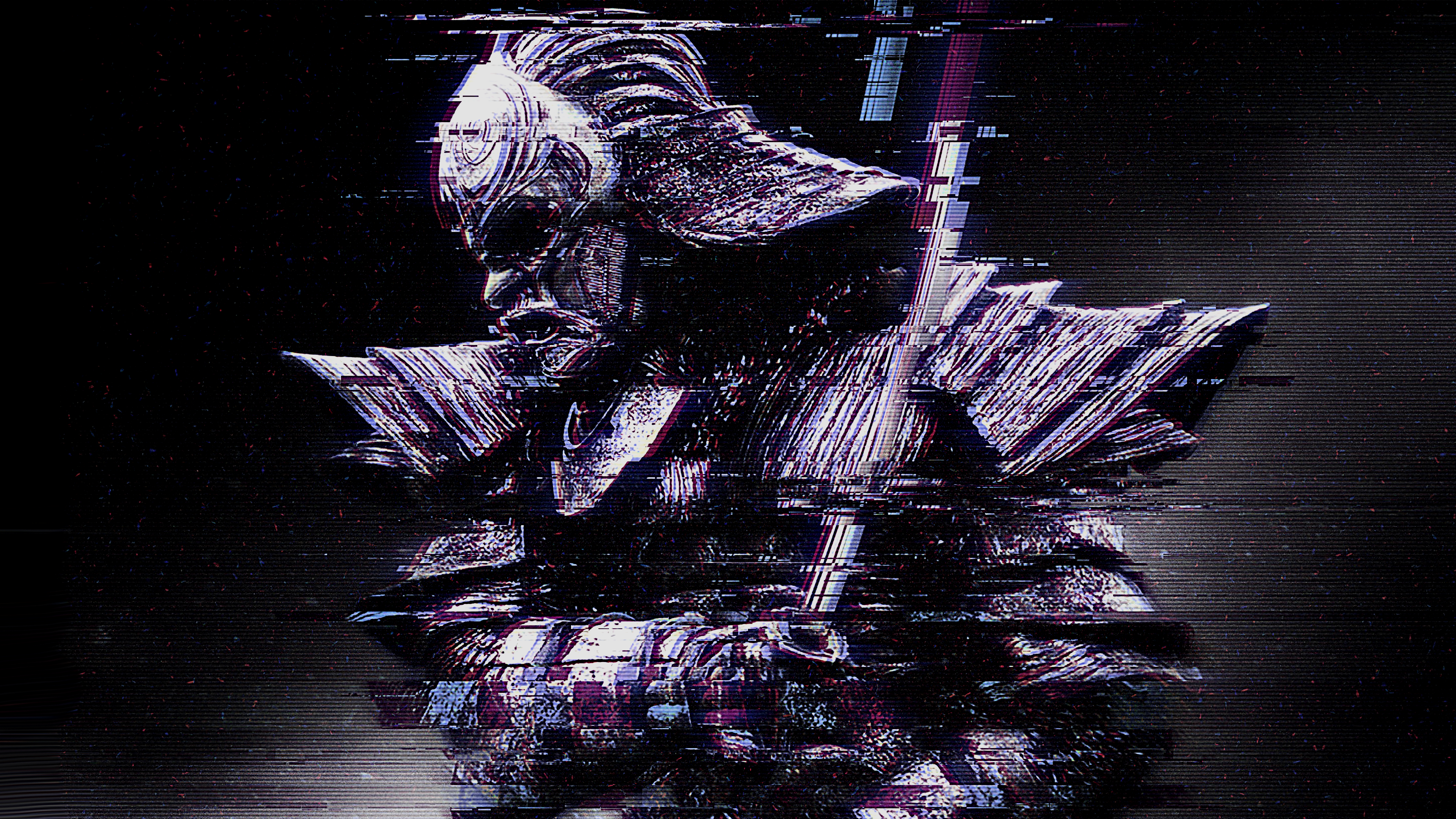
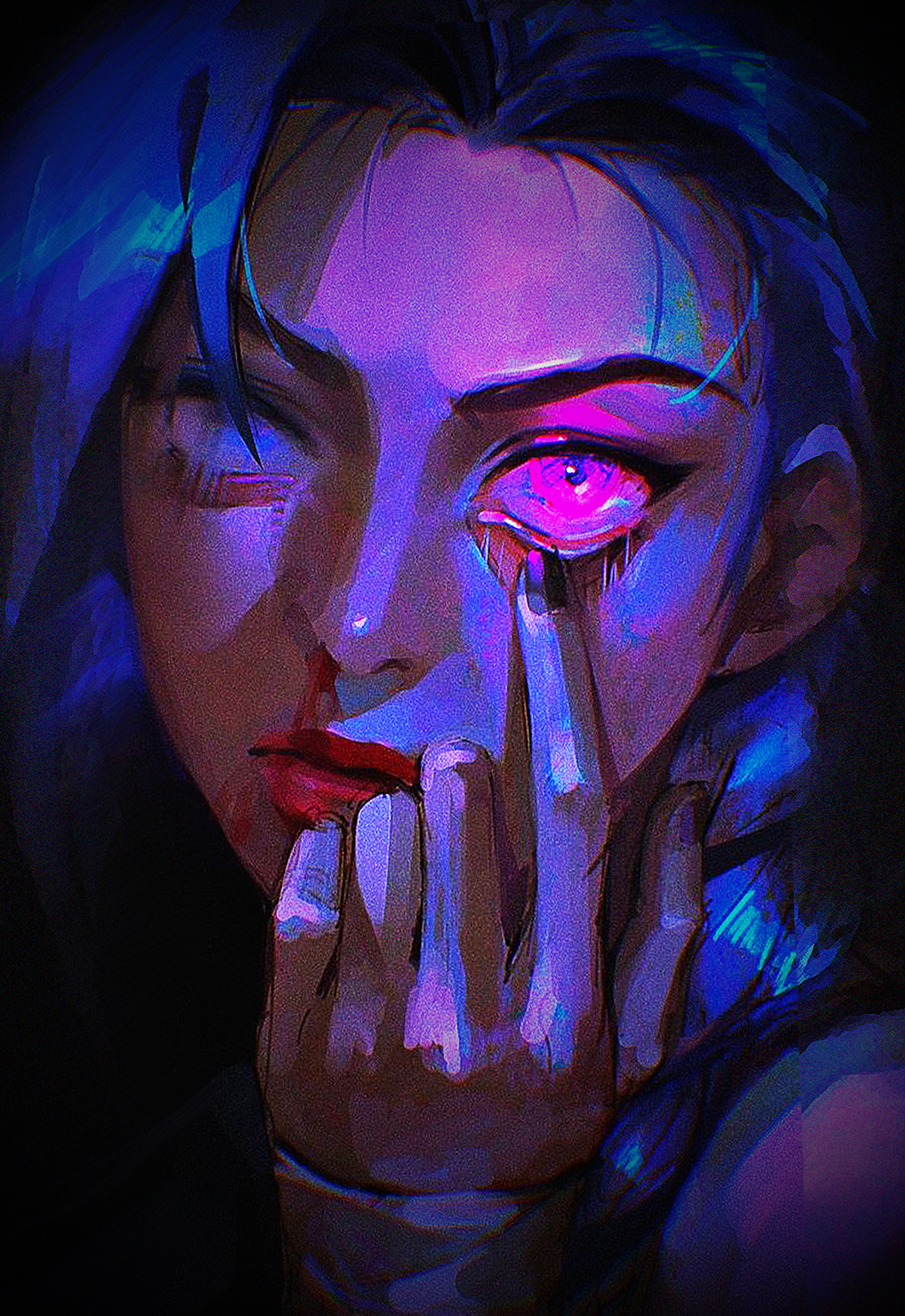
The greatest attraction of Tormentum II is its visual design. Its hand-drawn environments combine Giger’s biomechanical forms with the desolate landscapes of Zdzisław Beksiński and echoes of Mariusz Lewandowski’s dark surrealism. The result is a kind of cyberpunk made of flesh, where machines appear to have organs and buildings look as though they might awaken if someone fed them.

The improvement over the original is immediately apparent. Every environment is covered in scars, pipes, bones, symbols, and mechanisms, with the same care applied to gargantuan structures as to the smallest button panel. The 2D animations are subtle, but they are enough to transform these backgrounds into paintings that have begun moving of their own accord.
That attention to detail can also make interactive elements difficult to distinguish from the scenery. An important object may disappear among dozens of visually complex shapes, turning exploration into a methodical hunt with the cursor. Thankfully, the game includes a dedicated button that highlights interactable objects, keeping the visual clutter from becoming a constant source of frustration.
Puzzles Without Inventory Alchemy
Unlike many traditional point-and-click adventures, Tormentum II does not base its challenges on combining objects until you somehow produce a solution nobody could have imagined. Its puzzles focus on observing the environment, manipulating mechanisms, and interpreting symbols. That does not make it an easy game: several challenges demand attention and patience, especially when their clues are scattered across different screens.
The puzzles fit naturally into the world instead of feeling like obstacles placed there to slow your progress. The only exception comes when the difficulty lies not in understanding a solution, but in finding the tiny interactive element needed to carry it out. Even so, deciphering these impossible machines is satisfying and avoids much of the absurd logic historically associated with the genre.
A Nightmare That Knows How to Listen
The soundtrack accompanies each environment without trying to steal the spotlight, alternating between unsettling ambient sounds and heavier moments closer to metal. Music, illustrations, and animations work together to create the sensation of exploring an illustrated album that has begun to move.

Mechanically, Tormentum II may appear to be a modest production. It does not attempt to reinvent the point-and-click genre or compete through enormous systems; its achievement lies in its cohesion. Every background, creature, and sound seems to have emerged from the same nightmare, an admirable accomplishment from a small independent studio in Eastern Europe.
Verdict: 7/10 (or 9/10 If You’re Really Into the Art Style)
Its writing can be overly opaque, while the absence of a tool for identifying interactive objects creates avoidable frustration. Nevertheless, very few adventures offer a world this strange, elaborate, and immediately recognizable. OhNoo Studio has not merely returned to Tormentum; it has proven that its nightmare still had new places in which to trap us.