

































At only $50 new, Star Wars Zero Company is easy to recommend. For fans of turn-based tacticals, it's a must-buy, and for newcomers, it's the perfect entry point.
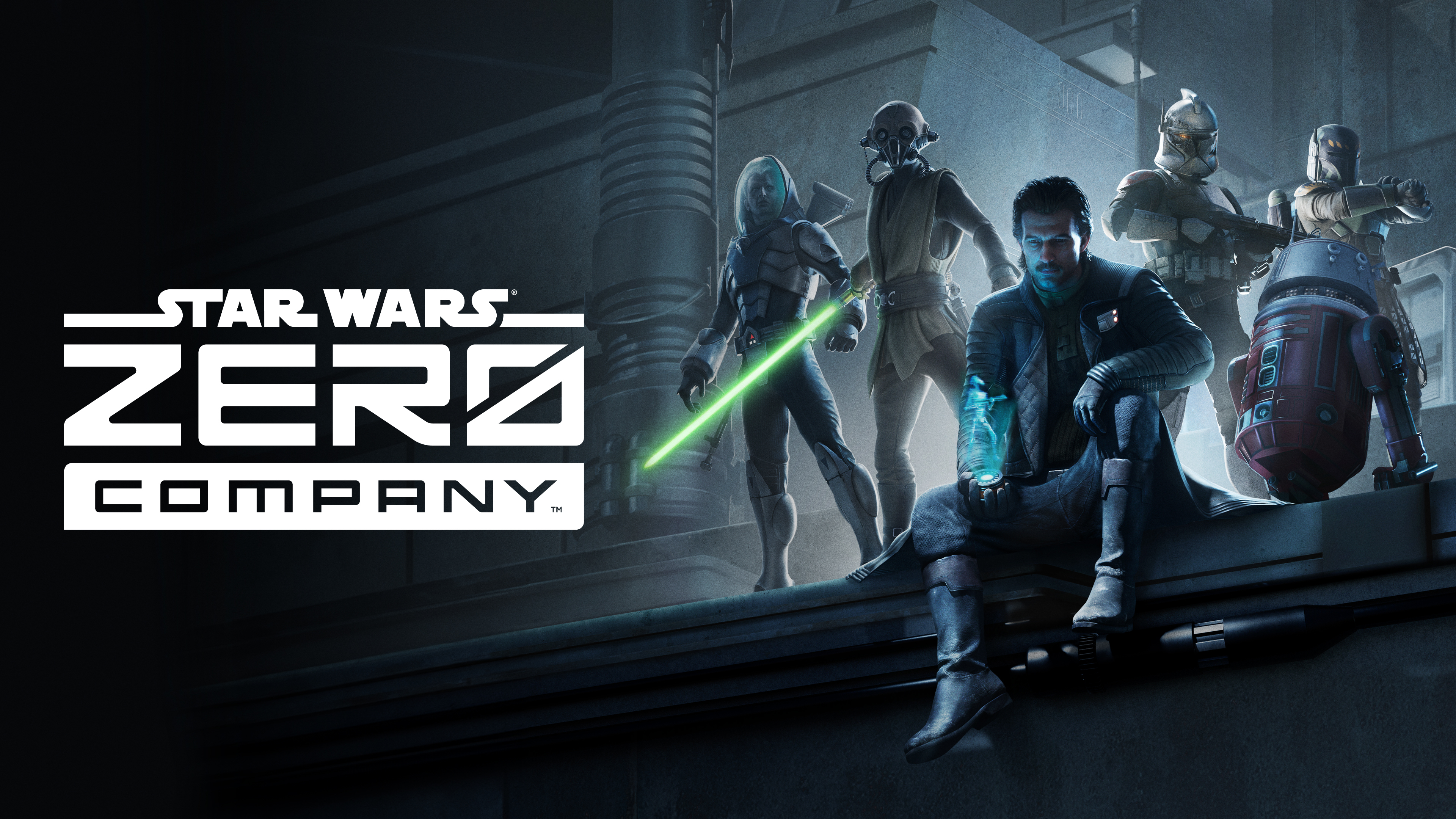
As much as I want to be original, “Star Wars XCOM” is a perfect description of Zero Company. And as a big fan of turn-based tacticals, I mean that as a resounding compliment.
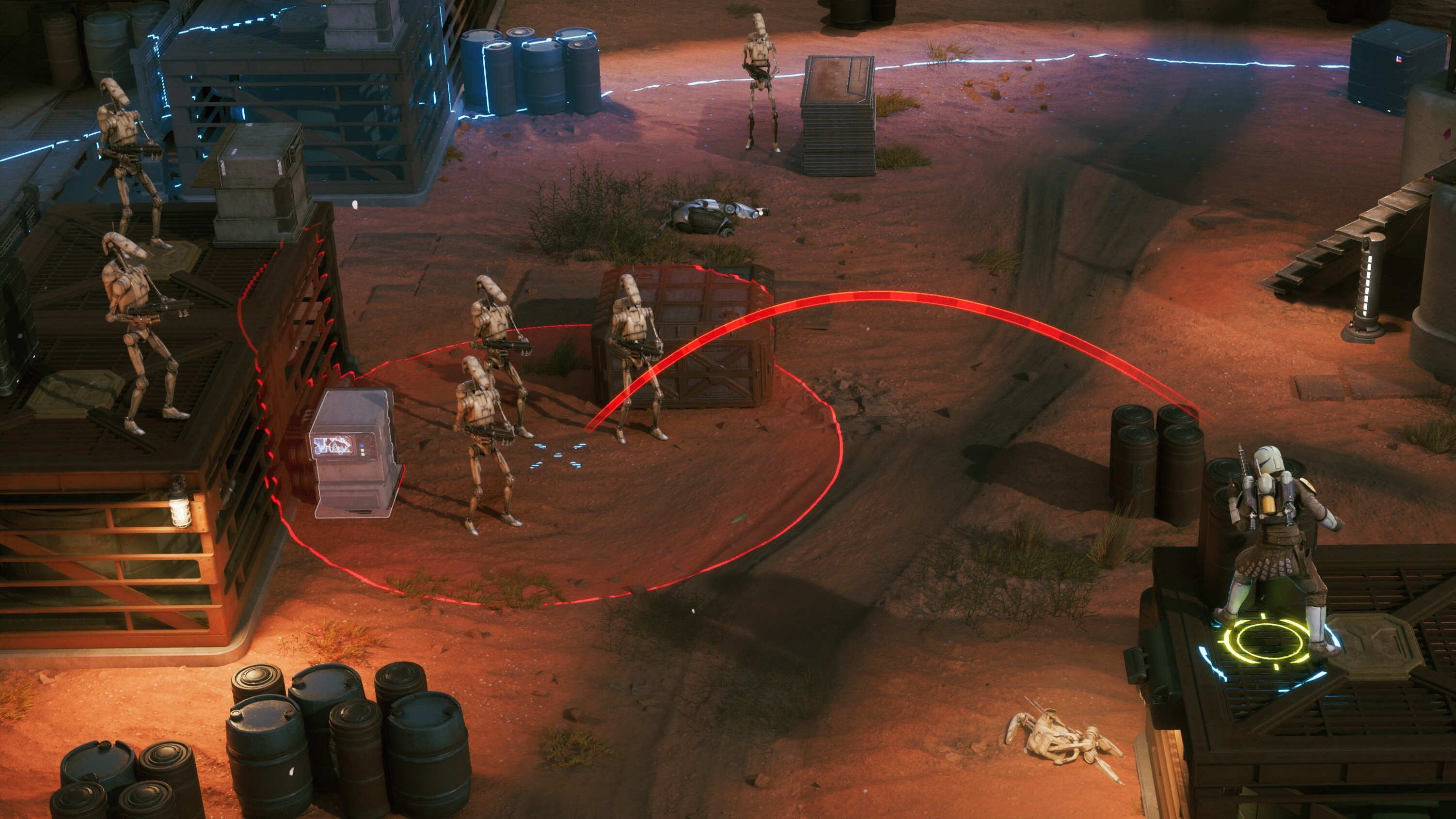
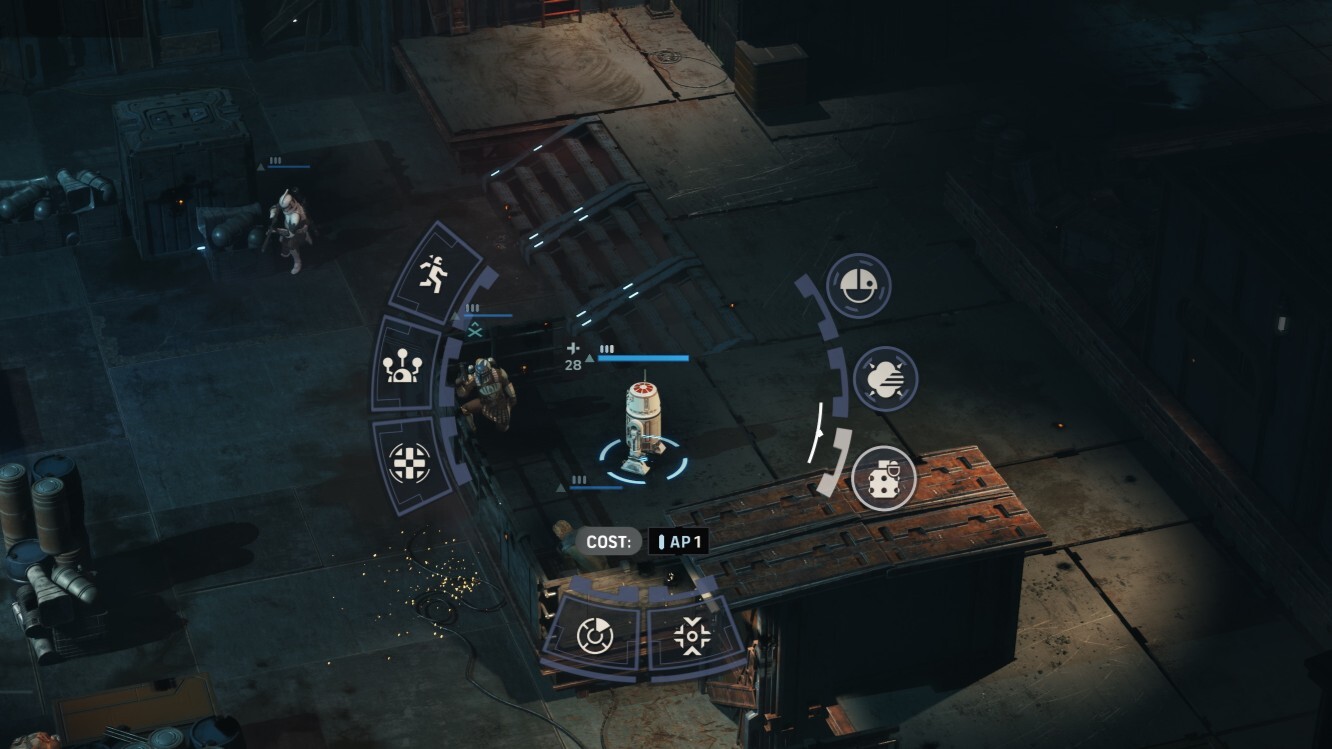
It has everything we’ve come to expect of the genre. Hundreds of combat scenarios split across main and side missions and an overarching goal to achieve in a set number of cycles. Grid-based movement, with cover and flanking, and a percent-based chance to hit. An action point economy, with standard actions like Overwatch as well as class-specific ults. And a base of operations where we recruit new allies and buy equipment. All of it is done very well.
| Rating | 8/10 |
|---|---|
| Platforms | PC, PlayStation 5, Xbox Series X|S |
| Price | $49.99 |
Just an XCOM Reskin?
While “Star Wars XCOM” is a useful shorthand, the game isn't purely iterative. Zero Company adds several elements that broaden the appeal of the genre and make it approachable for newcomers. And don’t worry, that’s not a polite way of saying the game is easy. But for those who might be hesitant about isometric games, for example, there are also sections of the game that take place in third-person and then dynamically adjust when combat starts.
These sections are normally at the beginning of missions and only really involve you running towards the combat in third person before the camera adjusts. But I think it’s intelligent and serves a purpose: bridging the psychological gap between the RPGs they are used to and the world of tactical games, which can feel clinical. It turns the characters, who are well written and voiced, into actual people, not just pawns.
The most significant difference is in how it treats your squad. Zero Company puts much more emphasis on making its Operators feel like actual RPG characters, with their own personalities, relationships, abilities, and customization.
That also changes the way you approach combat. You're still dealing with cover, flanking, action points, and the ever-present possibility that a percentage-based shot will betray you, but there is much more emphasis on combining your squad's abilities. Building a team that works well together is just as important as finding the perfect position on the battlefield.
It gives the game a slightly more heroic feel than XCOM. Your squad feels less like a collection of soldiers you are training for a war and more like a group of misfits who have gradually become a team.
A Great Entry Point for Tactical Games
And there will be tons of players new to the genre, pulled in by the IP alone. Thankfully for those Star Wars fans, there’s far more here than I was expecting; they aren’t using the IP as a generic skin.
The game is set during the Clone Wars, where you run a mercenary crew based out of the Ring of Kafrene, from Rogue One. You can onboard Tognaths, Ovissians, and Weequays. You meet Anakin, fight the Hutt Cartel, and recruit a rogue Padawan. And along the way, there are hundreds of deep-cut lore references to enjoy.
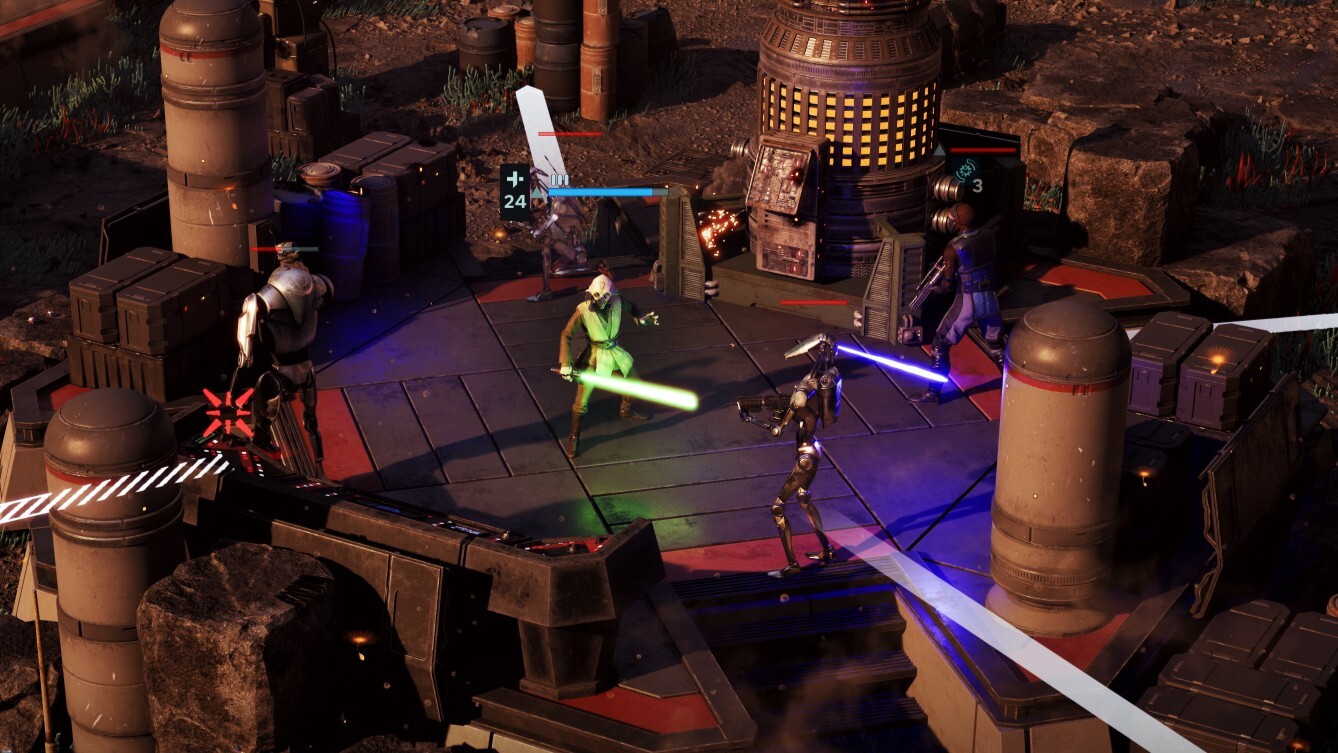
And I think this is where Zero Company makes the strongest case for newcomers. It doesn't strip away the complexity that makes tactical games good, but it gives you a much more familiar way into them. The characters are presented like RPG companions, the story is heavily cinematic, and you're constantly given a reason to care about what is happening outside of the battlefield.
That matters because the genre can be intimidating. If you've never played XCOM or something similar, being dropped onto a grid and immediately having to understand cover, action points, flanking, overwatch, abilities, and hit percentages can feel like being handed a spreadsheet and told to have fun. Zero Company does a much better job of hiding that complexity behind a game that feels like a Star Wars RPG.
Once you're comfortable, there's plenty of depth underneath. The game isn't holding your hand forever, and experienced tactical players will quickly find themselves thinking several moves ahead and experimenting with squad compositions.
Technical Performance
On my main PC, Zero Company ran extremely well. I'm using a mid-to-high-end system with a Radeon 7900 XT, and I was able to push around 140 frames per second at a good resolution. I also didn't encounter any significant bugs during my playthrough, which is worth highlighting because the game is clearly demanding.
That experience isn't universal, though. There have been plenty of reports from players of stuttering, freezes, crashes, frame-rate drops, and occasional problems with enemy turns getting stuck. Some players have also reported camera issues and other smaller bugs.
The biggest surprise for me was how poorly it runs on Steam Deck. My Deck was still handling new releases surprisingly well last year, but in 2026 it feels like we're finally reaching the point where the hardware is running out of steam. Zero Company is one of those games where that becomes obvious.
It isn't Steam Deck Verified, and community testing suggests that maintaining a stable 30 FPS is difficult even at very low settings. That's a shame because a turn-based single-player game feels like it should be a perfect fit for a handheld, but the hardware simply isn't up to the job here.
Where Zero Company Falls Short
There are still a few minor improvements to be made: the galaxy map is clunky and takes a lot of getting used to, the camera often gets “stuck” between vertical layers, and power creep needs to be addressed. But the only major issue I foresee is replayability.
The maps aren’t procedurally generated like most games in this genre; they’re all created by hand. Amazing the first time you see them, less so the tenth. There is an upside to that, of course: the developers can design encounters around specific environments, objectives, and set pieces, and it makes your first time through each map feel much more deliberate. But it also means the game doesn't have the same potential for endless replayability as a more procedurally generated tactical game.
The cycle structure forces you to push on with main missions without leaving enough time to smell the roses. And the nail in the coffin? No new game plus. Well, you keep all your customizables, but none of your crew or upgrades.
Verdict: 8/10
If you enjoy turn-based tacticals, this is the best we’ve had in years and a must-buy, and if you haven’t tried them before, Zero Company is an ideal entry point. My only deductions were given for poor replayability, but this might be fixed in future updates.