







































The House Dreams Along With Them delivers creative puzzles and a house full of secrets, though its story leaves something to be desired.
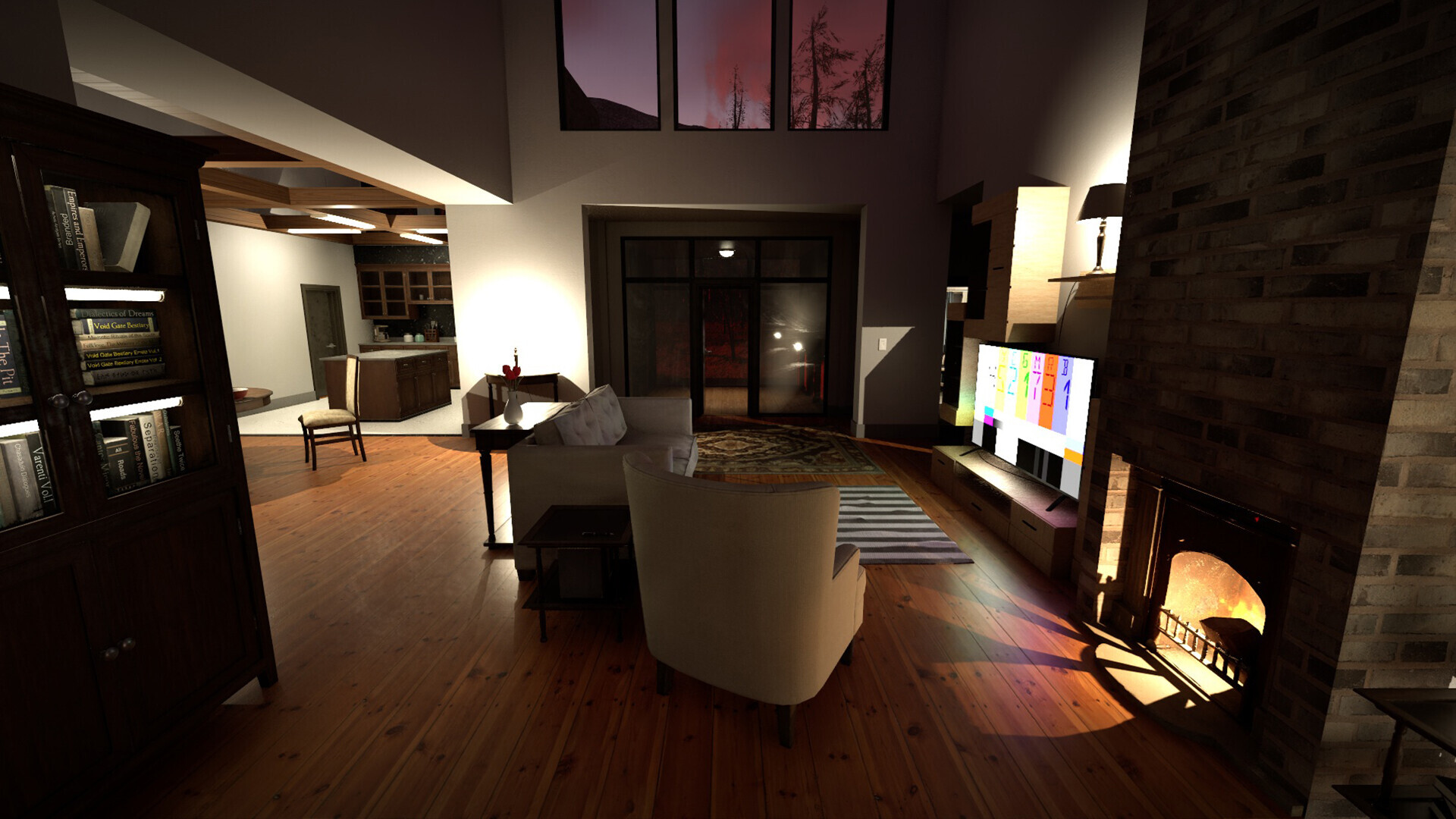
I admit I went into The House Dreams Along With Them feeling a little skeptical. At first glance, many of its visual elements look like they came straight from a generic asset library, which made me worry there wouldn't be much personality behind them either. I was wrong. Beneath that uninviting exterior is a puzzle game with good ideas and, more importantly, the ability to turn them into something worth discovering.
Its greatest strength is how it makes you question what you see. A room can hide far more than it first suggests, a detail might only make sense long after you discover it, and solving a puzzle doesn't always mean you're finished with it. The house grows more interesting the longer you spend inside, though the answers its story provides don't always live up to the questions.
| Rating | 7/10 |
|---|---|
| Platforms | PC (Windows) |
Renovating a House in Your Sleep
The premise is simple: you explore an empty house and enter the dreams associated with its rooms to solve puzzles. Complete one and return, and that part of the house is now furnished. It's a rather unusual way to save yourself a trip to a furniture store, but also an effective way to make your progress visible. Every solution leaves its mark on the place you return to.
That structure is easy to grasp, leaving the puzzles themselves to complicate matters. Rather than spending too much time explaining what you need to do, the game can focus on changing how you do it. Some challenges also contain paths to other puzzles, which in turn lead to further discoveries around the house. Solving one thing feeds your curiosity about the next.
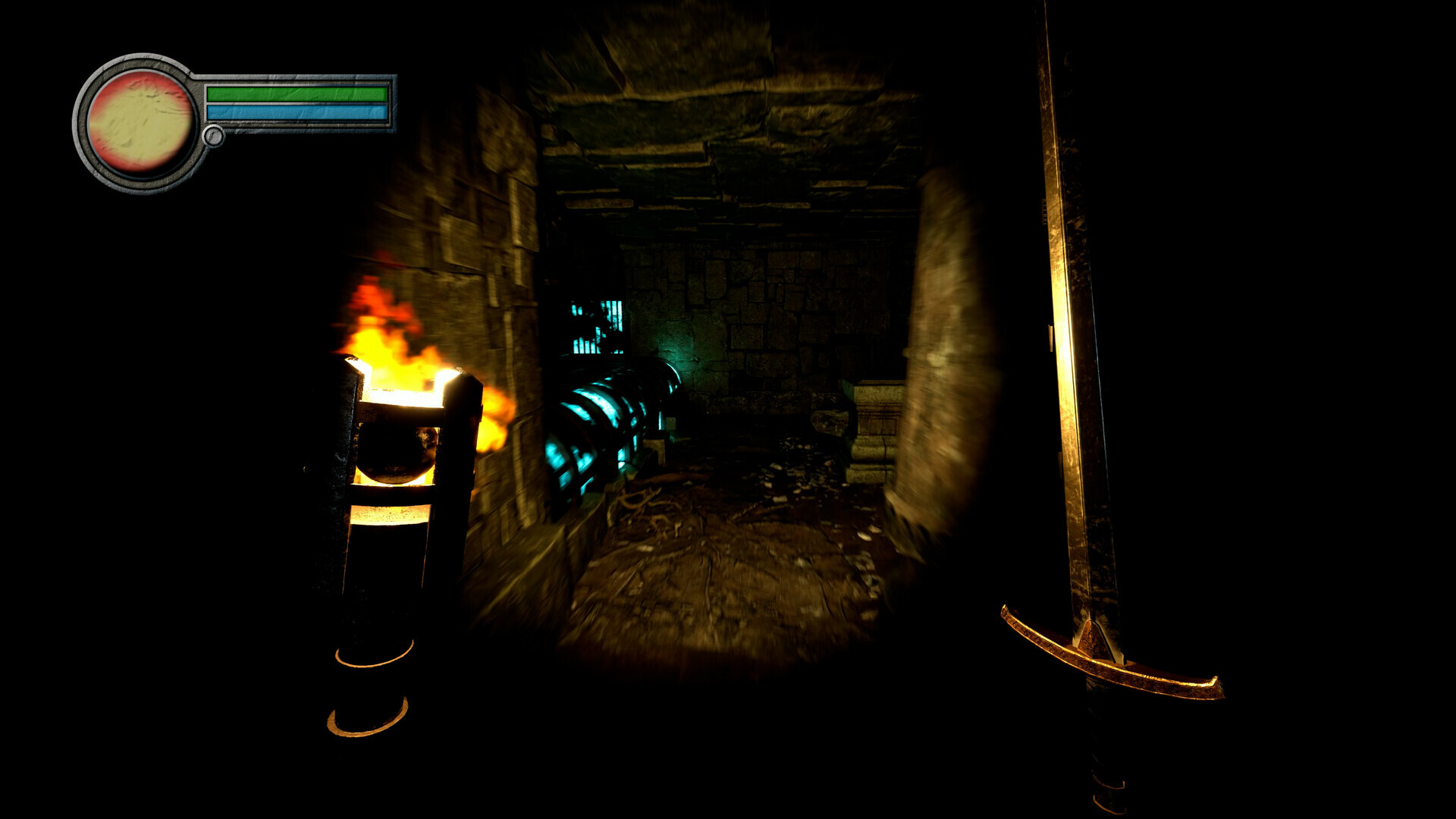
This is where it reminded me most of The Witness: the need to think beyond a puzzle's apparent boundaries. Treating what's in front of you as an isolated problem isn't always enough. You also have to question whether you've correctly understood where it begins, where it ends, and which elements belong to it. That willingness to make you reconsider the rules was one of the things I enjoyed most.
The Feeling That You're Still Missing Something
I found myself wandering through the house with the constant feeling that I was overlooking a secret. Perhaps there was another puzzle to solve, or something I'd dismissed as decoration deserved a second look. Making the player suspicious of everyday objects is quite an achievement, especially when that unease comes from the possibilities of the environment itself.
There are also little touches that play with the fourth wall without turning every discovery into a grand announcement of how clever it all is. Pay attention to the different television channels; saying any more would spoil some of the fun. These details add to the uncertainty about what kind of place you're exploring and how far its rules extend.
That creativity even reaches the controls. Using the mouse wheel to open and close your eyes is one of those ideas that sounds minor on paper but contributes a great deal to a game's identity. In an adventure built around dreams and observation, deciding when to look feels particularly appropriate. I found that connection between such a simple action and the experience of exploring more interesting than many of the explanations about the nature of the house.
Getting Stuck Doesn't Mean Running Out of Options
I particularly appreciated the observation system, which records the clues you find. When you're trying to connect pieces of information, the last thing you need is another problem: remembering where you saw something that might now be important. Keeping those observations handy cuts down on backtracking and helps you recognize what deserves your attention without solving the puzzle for you.
The different areas of the house also have difficulty indicators, but you're free to choose where to go next. If a challenge has you stumped, you can leave it for later and try another. This does wonders for the pacing: getting stuck no longer means bringing your entire playthrough to a halt.
That flexibility keeps investigating enjoyable even when you aren't finding answers. You can always switch to a different problem, explore another possibility, and come back later. For a game that depends so heavily on keeping your curiosity alive, giving the player that freedom is a smart decision.
A Story That Never Quite Drew Me In
With everything this house hints at, I wanted a story that pulled me in more. The setting encourages you to look for meaning behind its oddities, but the dialogue and explanations frequently lean on academic-sounding jargon that I struggled to turn into something I could connect with. Understanding the words and finding a reason to care about what they're saying are two separate challenges.
I'll admit that this obscurity has its own appeal. Trying to figure out what the house is and what's happening is part of the experience, and an overly direct explanation could take something away from it. The problem comes when that intrigue fails to deliver a satisfying narrative payoff. I enjoyed investigating how the house worked far more than I felt invested in its story.
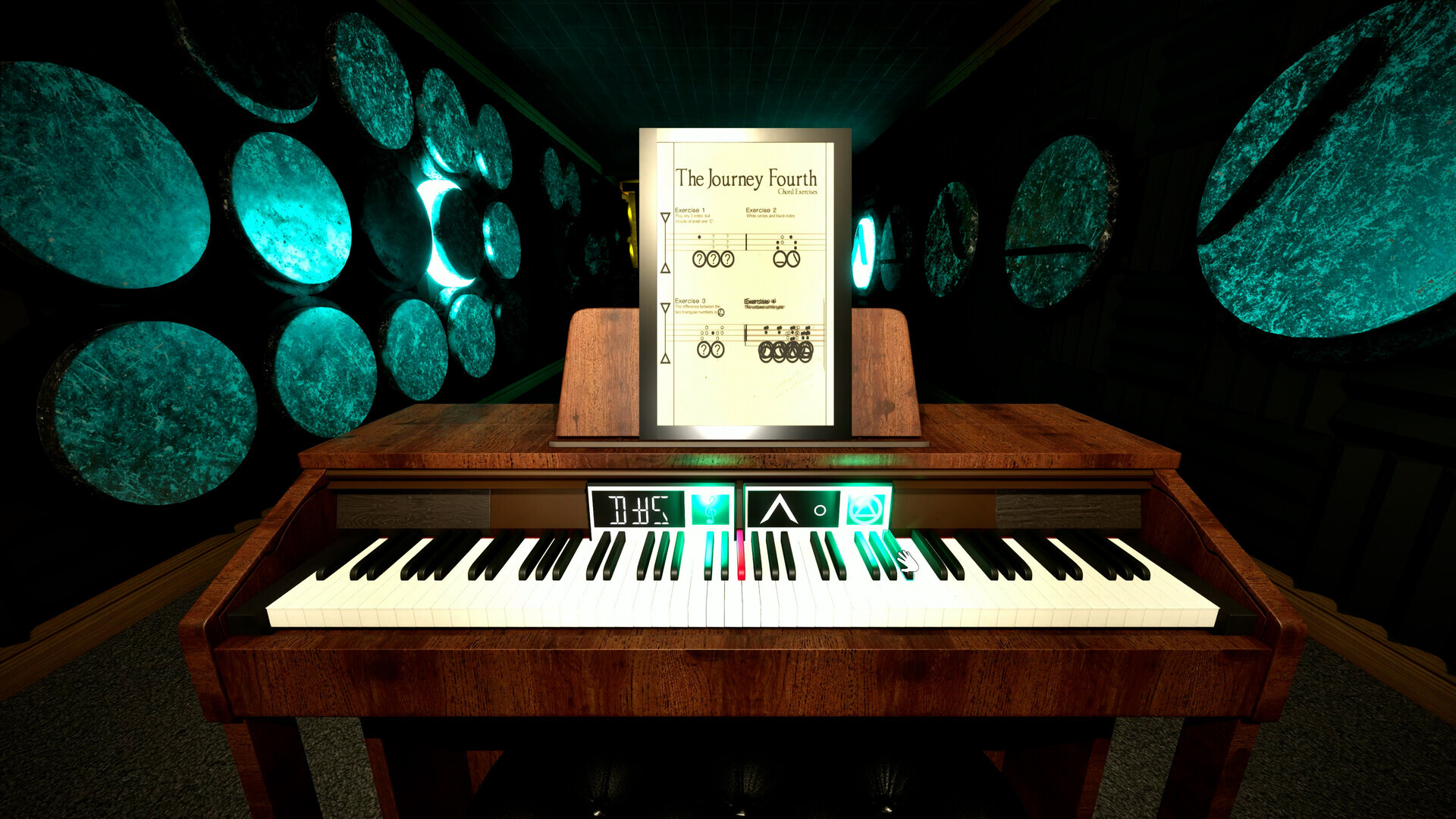
Perhaps I didn't get the ending that would have changed my understanding of everything that came before it. I also doubt I'll find it easy to complete the game fully without consulting a guide. For that reason, I wouldn't say it lacks answers or a more interesting story hidden among its secrets. What I can say is that my time with it left me feeling a little empty: I couldn't tell whether I'd missed something important or was expecting more from the narrative than it was going to give me.
Verdict: 7/10
The House Dreams Along With Them deserves a chance if you're looking for a puzzle game willing to experiment. Its visuals made me hesitate and its story never quite drew me in, but its inventive challenges, observation system, and freedom to change direction kept me interested. Its best moments come when you discover an unexpected connection or realize there's still something to solve in a room you thought you knew. I wish the story had left an equally lasting impression; even so, I left this house glad I'd stepped inside.