
































Tombwater blends exploration, weapons, and Wild West horror into an enjoyable soulslike, though awkward fast travel and a lack of challenge hold it back.
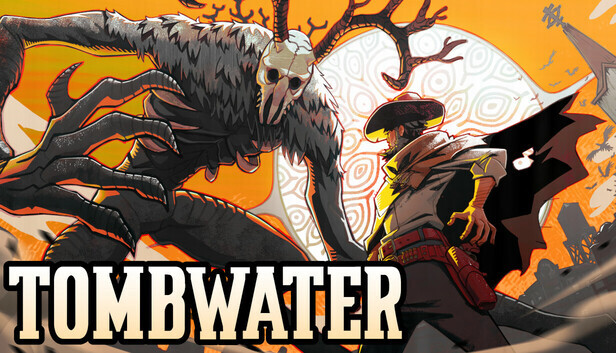
I reached the final third of Tombwater with roughly $8,000 in my pocket and very little I wanted to buy. For a game that punishes death by taking your money, that’s a curious position to be in. The monsters could keep my savings; finding something worth spending them on was proving much harder.
That contradiction captures a fair amount of my experience. Tombwater understands the appeal of exploring a dangerous world, stumbling across an unexpected weapon, and changing your approach because you’ve found a new toy. It does that well enough to keep you playing. Some of its borrowed soulslike conventions contribute less than they should, however, while certain decisions about getting around the map test your patience more than your skill.
Moth Atlas’ action RPG brings that formula to a supernatural Wild West, presented in 2D from a top-down perspective. Revolvers, blades, and spells share the spotlight in an adventure that combines soulslike combat with metroidvania-inspired exploration. It’s a promising combination, and it makes its strongest case whenever you wander off the main path to see what’s hiding out there.
| Rating | 7/10 |
|---|---|
| Platforms | PC (Windows) |
| Price | $24.99 |
There’s Always a Good Reason to Take a Detour
Exploration did the most to keep me moving forward. Not every area or dungeon is mandatory, but venturing into one might lead to a boss and, beyond that, a new weapon or spell. Those rewards have a tangible effect on your playthrough: you return from an excursion with another way to tackle whatever comes next.
I started with the most basic class, without a particular strength dictating my approach, and went through several phases as I progressed. Sometimes I leaned heavily on my firearm; elsewhere, I preferred getting close and handling things with a melee weapon. There were also stretches where most of the fun came from testing the spells I’d picked up. New equipment regularly tempted me away from tools that were already doing the job perfectly well.
Charms reinforce that flexibility. The system recalls Hollow Knight: passive bonuses that you combine within a limited number of slots, with upgrades scattered throughout the world allowing you to expand that capacity. It’s one of Tombwater’s strongest features, giving you room to adjust your character and mix combat styles without making every change feel like you’re abandoning your previous approach.
The damage types made less of an impression. Fire, poison, ice, and other effects are available, but their interactions felt fairly similar in practice. The weapons and spells encouraged me to experiment; their elemental effects didn’t always offer an equally convincing reason to switch things up.
A Good Bestiary Could Use a Meaner Streak
Tombwater also makes good use of its enemies. Many creatures belong to specific areas, and some only appear a couple of times. I appreciated that willingness to reserve designs for particular locations rather than scatter recolored versions of the same monster across the entire map.
Entering a new region means getting acquainted with its inhabitants and watching how they attack before charging in. That variety gives each area its own identity and keeps encounters interesting even after you’ve grown comfortable with your equipment.
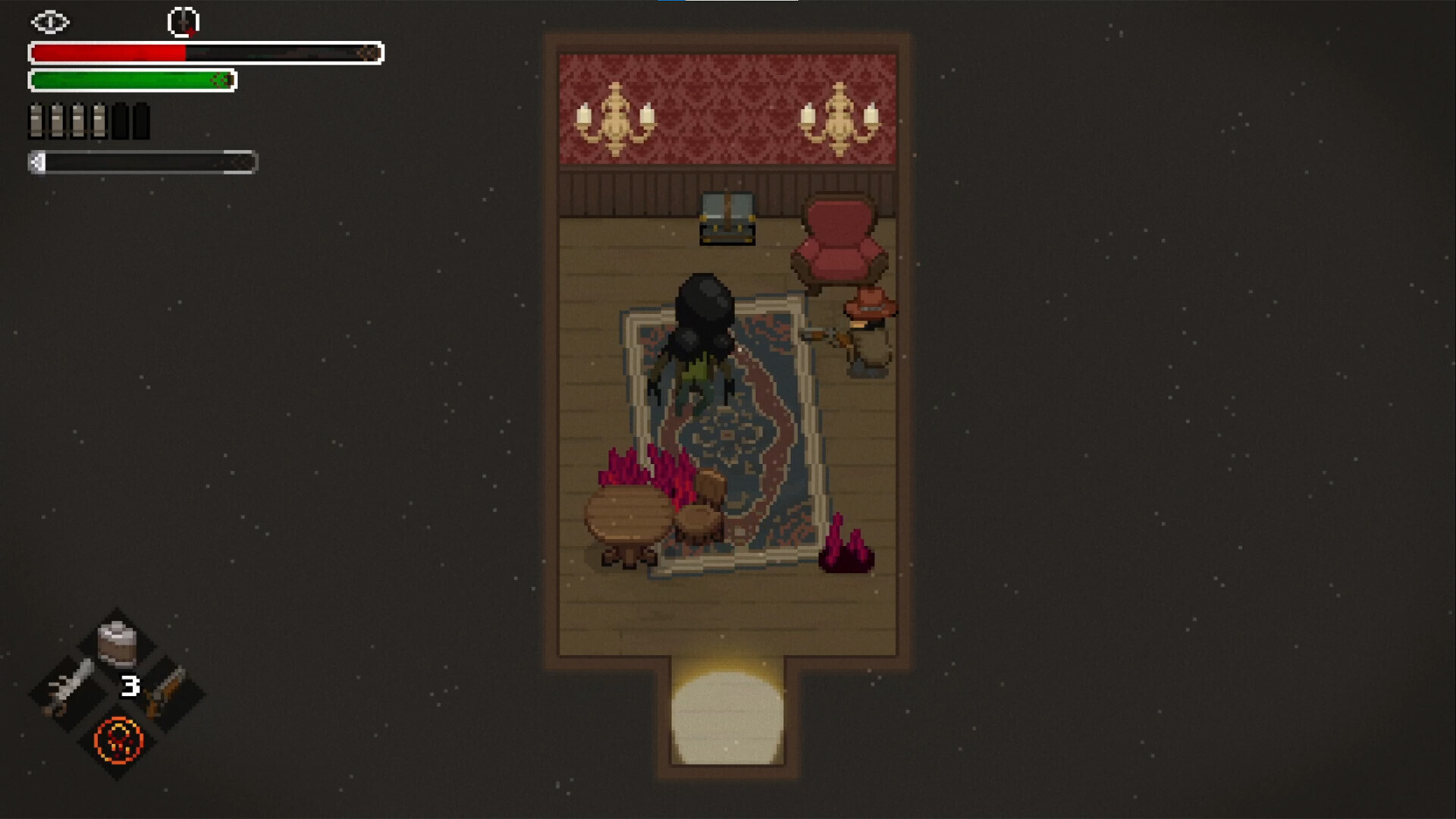
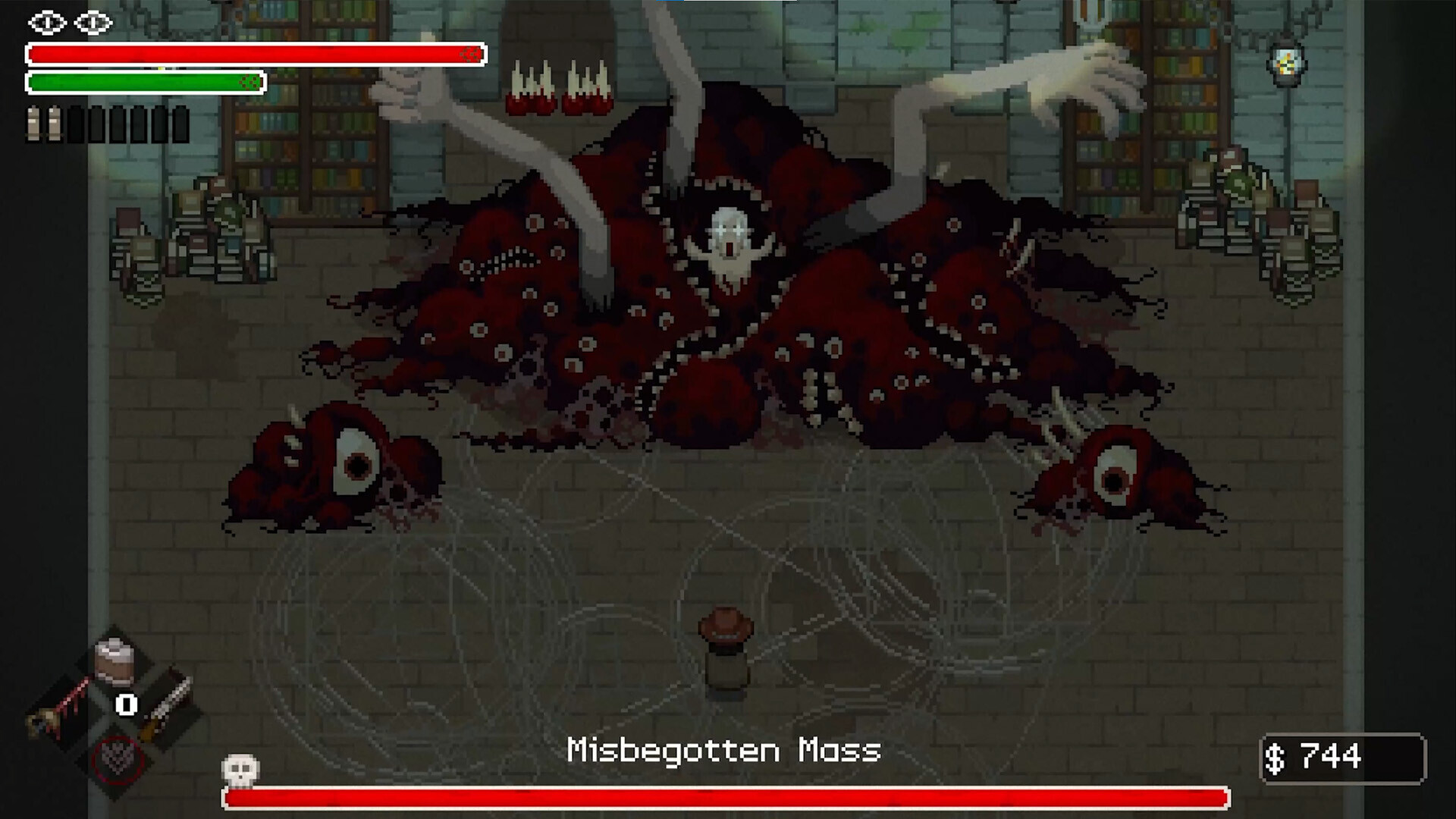
The bosses follow suit. Their different fighting styles help individual encounters stand apart, and their number felt about right: enough to give the adventure a steady rhythm without turning every step forward into another exhausting procession of health bars.
I just wish they had put up more of a fight. I never encountered a fight that made me think I’d need more than a couple of attempts. The variety was there, but I rarely felt compelled to squeeze everything I could out of the combat system.
That’s different from saying the game lacks options: Tombwater includes damage settings that let you adjust the difficulty. My criticism concerns the challenge I encountered during my playthrough, which left me wanting tougher fights and a difficulty curve that made better use of all those tools.
Dying Is Too Cheap
Resting at a camp respawns enemies, as soulslike tradition demands. It makes sense in a world you’ll be crossing repeatedly, keeping familiar routes populated and asking you to decide whether to fight or push through as quickly as possible.
Losing money, on the other hand, eventually meant very little to me. Tombwater treats money and experience as separate resources, and with relatively few vendors or purchases that interested me, accumulating dollars was much easier than finding a use for them.
About two-thirds of the way through the adventure, I had roughly $8,000. For reference, the most expensive items I remembered seeing cost around $300. With that much to spare, losing the cash I was carrying hardly seemed worth worrying about.
A playstyle built around gadgets and their upgrades will give you more reasons to spend. Even so, the economy stopped creating much tension fairly early in my run. The punishment still existed, but it had lost much of its power to make me reconsider a risk.
Fast Travel Arrives Late and Drops You Too Far Away
My biggest problem with Tombwater was how much time I spent retracing familiar paths. I unlocked fast travel roughly two-thirds of the way through my playthrough. Until then, uncertainty about where to go next could turn into a trek from one end of the map to the other.
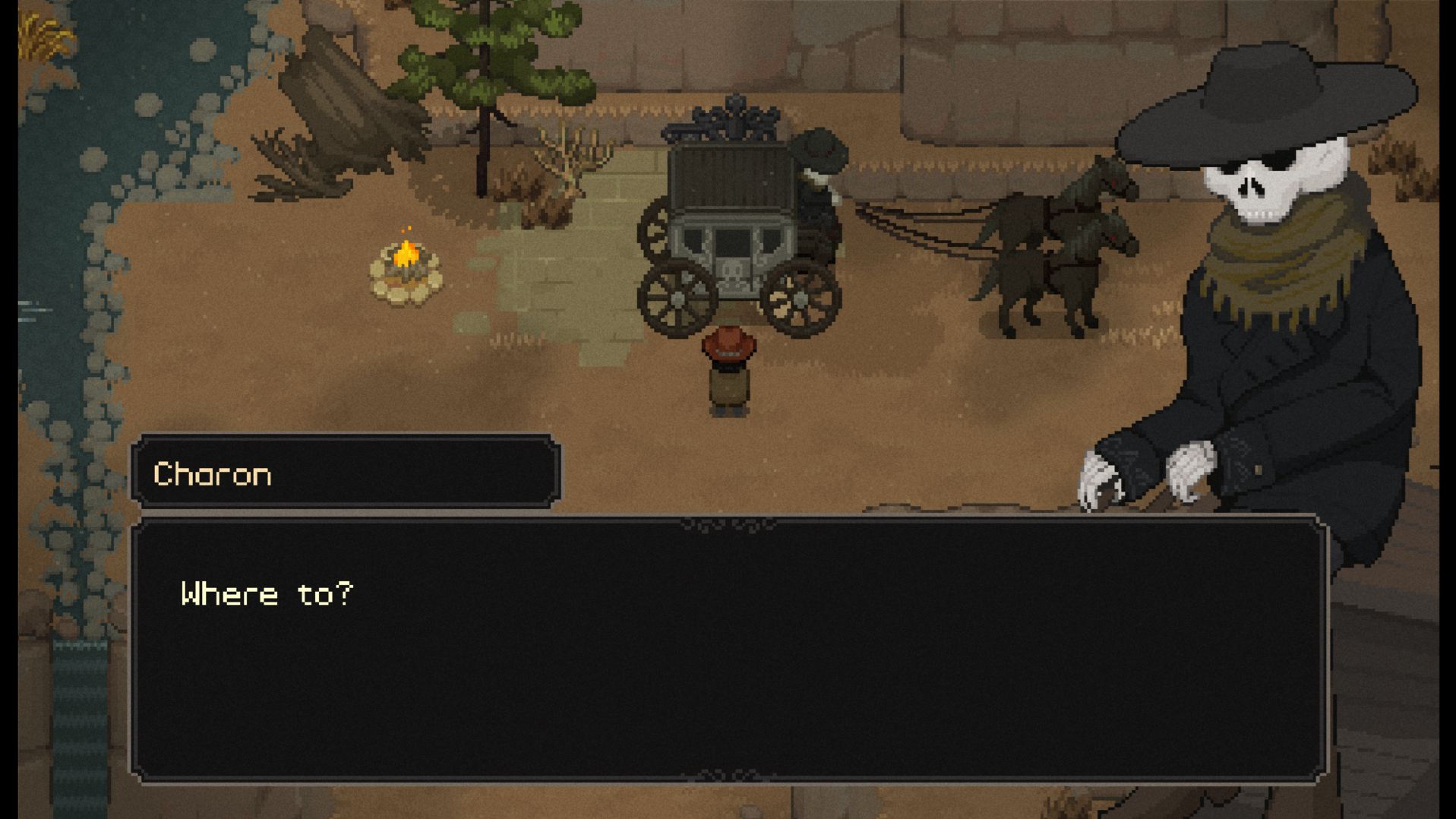
The guidance isn’t always much help, either. You can reach the end of an area and discover that you’re missing something required to progress, without being entirely sure where to find it. That means backtracking and trying your luck elsewhere. Exploring out of curiosity is enjoyable; walking down the same corridors again because you picked the wrong corner of the map is considerably less so.
There is a character who offers directions, but he’s located in the central area. To find out where you need to go, you first have to travel to the person who can tell you. The central station would have worked much better as a hub you could return to directly, particularly when all you need is a pointer toward your next objective.
Unlocking fast travel doesn’t entirely solve the problem. Instead of traveling between camps, you use bellposts, posts with bells that you must have activated beforehand. I spent much of my journey finding these without fully understanding what they would eventually do, and their appearance doesn’t help: they blend into the scenery far too easily.
Their placement frustrated me even more. Reaching Lake District, for example, meant traveling to a nearby area and covering a substantial distance on foot. I wasn’t expecting to materialize outside every doorway, but I did want the system to cut down more effectively on journeys I’d already made enough times.
Tombwater makes you want to discover its map, but it’s much less successful at making return trips enjoyable.
A World With Character, but an Uneven Art Style
The art direction left me with mixed feelings. Some characters look distinctly cartoonish alongside the more serious, unsettling designs. At times, they seemed to belong to different interpretations of the same world.
Exaggerated or even comical characters can work perfectly well in a horror game. Here, though, I didn’t always find a consistent visual style connecting those extremes, and certain character designs felt out of place beside their surroundings.
I also missed having a New Game Plus mode for picking up achievements left unfinished. With so many weapons, spells, and combinations available, starting again with my upgrades intact would have been a good excuse to keep experimenting. Rebuilding a character from scratch for a couple of missable achievements is a much less tempting proposition.
Verdict: 7/10
I enjoyed Tombwater more for what I found while exploring than for the challenge of obtaining it. Its variety of weapons, spells, charms, and enemies sustains an entertaining adventure, with enough worthwhile rewards to tempt you down one more side path. Awkward fast-travel placement, repeated journeys, and an economy that takes the sting out of dying keep its parts from working equally well. As a pocket-sized soulslike, it has plenty of charm and offers ample room to experiment without constantly getting stuck. I just wish its monsters had made me work a little harder, and its roads had made me walk a little less.