

































A ranking of Natalie Dormer’s most compelling acting roles, chosen for impact rather than hype. A sharp, self-aware look at the performances that reveal her range, restraint, and lasting screen presence.

Some actors walk into a scene and quietly tilt the balance without making a fuss. Natalie Dormer has built a career on that exact skill, turning sharp glances and controlled delivery into something far more memorable than big speeches. You don’t always notice it right away, but you definitely feel it by the end.
What follows is a look at the performances where that presence clicks into place most clearly. No filler, no obligatory mentions – just roles that show how she bends genres, elevates material, and makes even the smallest moments feel deliberate. Fifteen standouts, each earning its spot for entirely different reasons.
15. The Scandalous Lady W (2015)

What Natalie Dormer brings to The Scandalous Lady W is a sharp awareness that scandal is rarely accidental. Her Lady Seymour Worsley isn’t reckless, nor is she naïve; she’s someone navigating a rigid social system while fully understanding its hypocrisies. Dormer plays her with a composed intelligence that quietly resists the moral panic swirling around her. The acting choice that stands out most is restraint – anger, fear, and defiance are all present, but carefully rationed. Rather than pleading for sympathy, she lets the character’s clarity speak for itself. It’s a performance that feels modern without breaking the period illusion, which is harder to pull off than it looks.
14. City of Life (2009)

Early in her career, Natalie Dormer appears in City of Life as part of a broader ensemble rather than a narrative focal point, and she adjusts her performance accordingly. The role doesn’t demand dominance, but it does require believability, and Dormer leans into naturalism instead of flourish. Her character feels like a real person moving through a specific environment, not a thematic device. Small reactions do most of the work, grounding scenes that could otherwise drift into abstraction. There’s a noticeable lack of theatrical signaling, which suits the film’s intersecting structure. It’s subtle, controlled work that shows discipline rather than ambition.
13. Casanova (2005)

In a film overflowing with charm and excess, Casanova gives Natalie Dormer an early chance to prove she doesn’t need either to register. Her performance finds humor in timing and awareness rather than broad gestures, allowing her to stand out without competing for attention. Dormer understands that in romantic comedy, reaction shots can be more revealing than dialogue, and she uses that to her advantage. The character never feels like decoration, despite the genre’s tendency to lean that way. There’s a sense of confidence beneath the lightness, as if she already knows where to draw the line. It’s playful, but never careless.
12. The Hunger Games: Mockingjay – Part 2 (2015)

By the time Mockingjay – Part 2 arrives, Natalie Dormer has fully settled into a mode where stillness becomes the point. Her performance avoids emotional peaks, instead projecting certainty and control with unsettling calm. Dormer plays authority as something already secured, which removes the need for persuasion or volume. Even moments that appear compassionate feel calculated, as though empathy itself is being deployed strategically. In a film dominated by spectacle, her scenes work precisely because they resist it. Power here is quiet, efficient, and unapologetic.
11. The Hunger Games: Mockingjay – Part 1 (2014)

Natalie Dormer’s introduction in Mockingjay – Part 1 is all about planting uncertainty rather than resolving it. The performance carefully avoids over-definition, allowing multiple interpretations to coexist. Dormer uses controlled delivery and minimal expression to keep intentions deliberately opaque. This approach fits the film’s transitional nature, where alliances are fluid and motives remain unstable. Nothing is pushed too far, too fast. Instead of making declarations, she lays groundwork, trusting patience over immediacy. The result is a character who feels quietly dangerous long before that danger is confirmed.
10. Penny Dreadful: City of Angels (2020)

What makes this role click is the way Natalie Dormer treats villainy as something fluid rather than fixed. In Penny Dreadful: City of Angels, she plays Magda, a shapeshifting demon who moves through 1930s Los Angeles by exploiting social tension instead of brute force. Each incarnation has its own physicality and cadence, avoiding the feel of one performance in different disguises. Manipulation becomes a technique, not a personality trait. Charm is always present, but it’s never reassuring. The character’s menace comes from calculation, not volume.
9. White Lies (2013)

Nothing about this performance rushes to explain itself. White Lies thrives on tension built through omission, and Natalie Dormer leans fully into that rhythm. Her character feels emotionally withheld, not distant, which keeps every interaction quietly charged. Instead of signaling twists or inner turmoil, Dormer lets restraint do the narrative work. Silence becomes part of the dialogue rather than a pause between lines. The result is a performance that sustains unease without theatrical escalation. It’s controlled, deliberate, and perfectly aligned with the series’ psychological tone.
8. Picnic at Hanging Rock (2018)

Authority here is built on routine, not dominance. In Picnic at Hanging Rock, Natalie Dormer plays repression as something carefully maintained rather than instinctively imposed. Her performance is rigid in the best sense, matching the series’ hypnotic pacing and suffocating atmosphere. Emotional restraint isn’t absence but pressure, slowly accumulating without release. Dormer resists dramatic signals, allowing discomfort to emerge organically. The character’s control feels brittle, which makes every moment of stillness unsettling. It’s a performance that unsettles by refusing to move when you expect it to.
7. Audrey’s Children (2024)
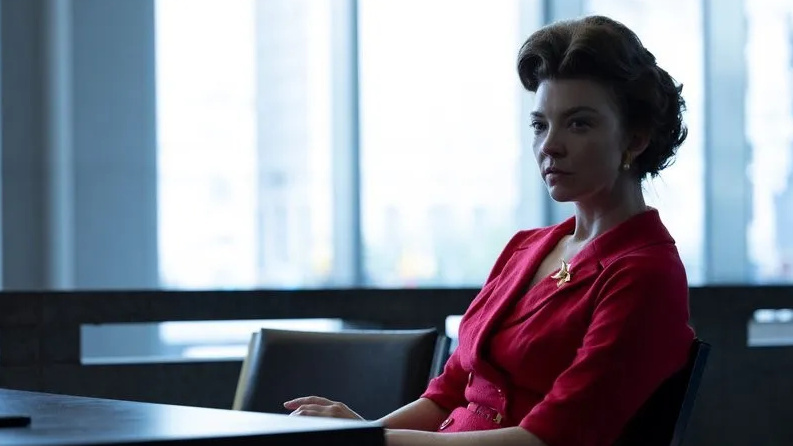
Biographical performances often chase inspiration, but this one prioritizes responsibility. Natalie Dormer approaches Audrey’s Children with a focus on intellect, resolve, and moral consistency rather than emotional flourish. Playing Dr. Audrey Evans, she grounds the role in action and consequence instead of myth-making. Moments that could tip into sentimentality are deliberately restrained. Dormer allows conviction to feel practiced, even routine, which gives the character credibility. The performance carries weight without asking for admiration. It’s seriousness without self-importance.
6. The Dark Crystal: Age of Resistance (2019)

Strip away facial expression, and intention has nowhere to hide. That limitation becomes an advantage in Natalie Dormer’s voice performance for The Dark Crystal: Age of Resistance. Authority is conveyed through cadence, pacing, and precise emphasis rather than volume. Each vocal choice feels intentional, ensuring the character holds presence within a crowded ensemble. Dormer adapts to the heightened fantasy language without losing clarity or control. Emotion is shaped through rhythm, not exaggeration. Even unseen, the performance feels anchored and deliberate.
5. The Fades (2011)

Before prestige horror became fashionable again, The Fades leaned into bleakness without irony, and Natalie Dormer matched that tone head-on. Her performance brings a sharp, volatile energy that grounds the supernatural elements in something recognizably human. Dormer doesn’t play fear as fragility; instead, it’s edged with defiance and emotional instability that feels intentional rather than chaotic. The character operates on instinct, but the acting never does. Even when the series pushes toward extremity, she keeps the role anchored in emotional logic. There’s a rawness here that suits the show’s uncompromising worldview. It’s genre work that takes character seriously, even when the story gets dark fast.
4. The Professor and the Madman (2019)

Surrounded by obsession, intellect, and theatrical intensity, Natalie Dormer chooses restraint as her defining tool in The Professor and the Madman. Rather than competing with the film’s louder performances, she grounds her role in emotional clarity and steadiness. Dormer gives the character a sense of purpose that cuts through the surrounding turmoil. Her scenes act as counterweights, reminding the story that brilliance often carries collateral damage. The performance is measured without being passive, firm without being cold. It adds texture to a narrative dominated by extremes. Sometimes stability is the most disruptive presence in the room.
3. Rush (2013)

Speed and ego drive Rush, but Natalie Dormer approaches the film from an entirely different angle. Her performance introduces emotional perspective into a story consumed by rivalry and obsession. Dormer resists the temptation to heighten drama artificially, instead grounding her role in realism and consequence. Reaction matters more than declaration, and she understands that perfectly. The stillness she brings sharpens the contrast with the film’s relentless motion. Rather than mirroring the central conflict, she reframes it. It’s a smart, disciplined performance that adds depth without demanding attention.
2. The Tudors (2007)

This is the role that first revealed how adept Natalie Dormer is at playing power as perception. In The Tudors, her Anne Boleyn is intelligent, strategic, and acutely aware of how performance shapes survival. Dormer balances warmth and calculation without flattening the character into archetype. Silence often carries more weight than dialogue, and she uses it ruthlessly. Ambition is framed as intellect rather than aggression, which makes the character’s rise feel earned and her fall inevitable. The performance helped redefine how historical figures could be portrayed on television. It remains a career-defining turning point.
1. Game of Thrones (2012)

What makes this Natalie Dormer’s finest role isn’t scale or screen time, but precision stretched across years of storytelling. In Game of Thrones, Margaery Tyrell survives by understanding people faster than they understand themselves. Dormer plays charm as strategy, warmth as leverage, and empathy as a political instrument without ever announcing the trick. The performance thrives on adaptability, shifting tone depending on who’s in the room and what’s at stake. Nothing is wasted – every glance, pause, and smile is calibrated. Even in a series built on excess, she succeeds through control. It’s a masterclass in sustained character work, and the clearest expression of everything she does best.