














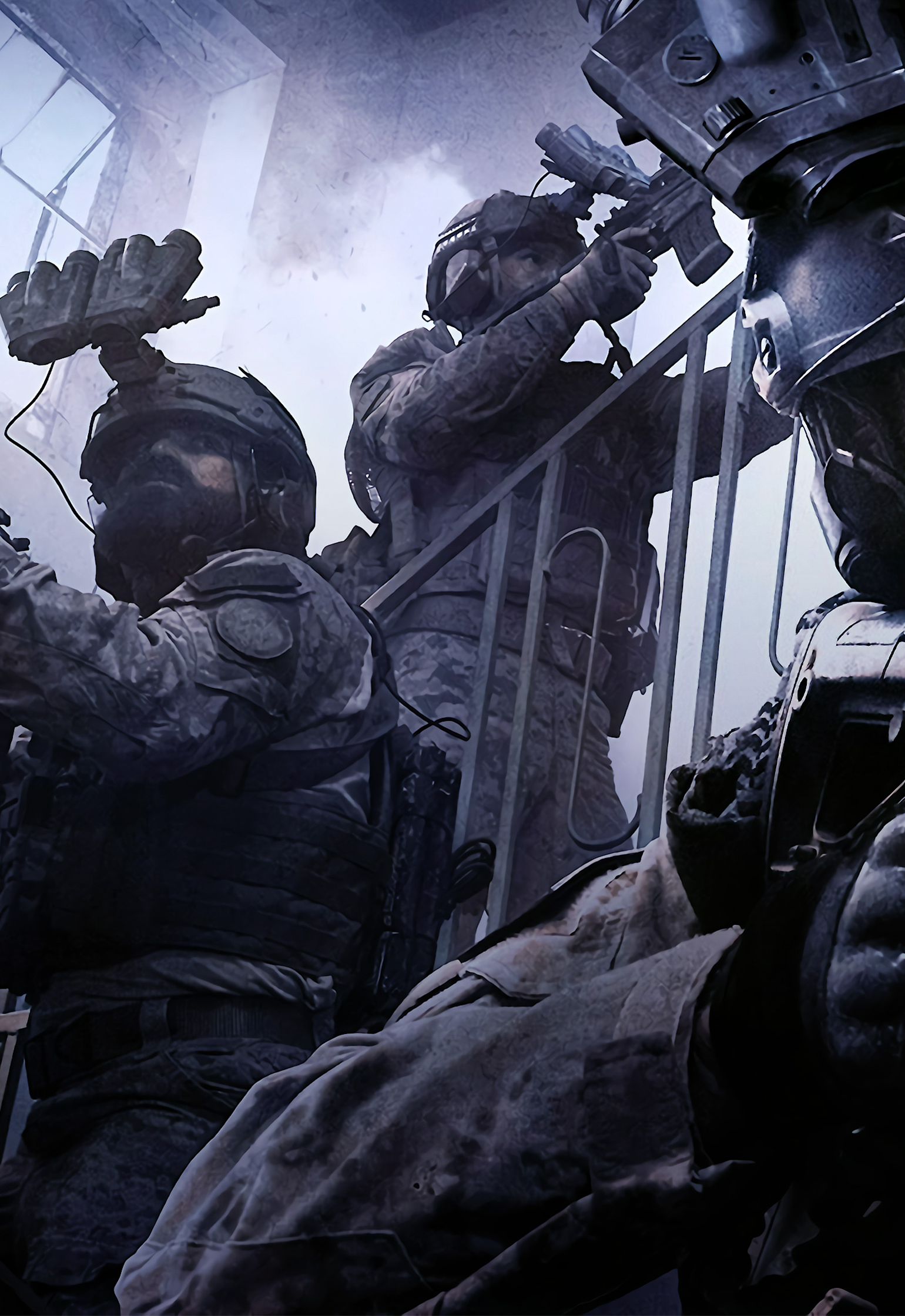



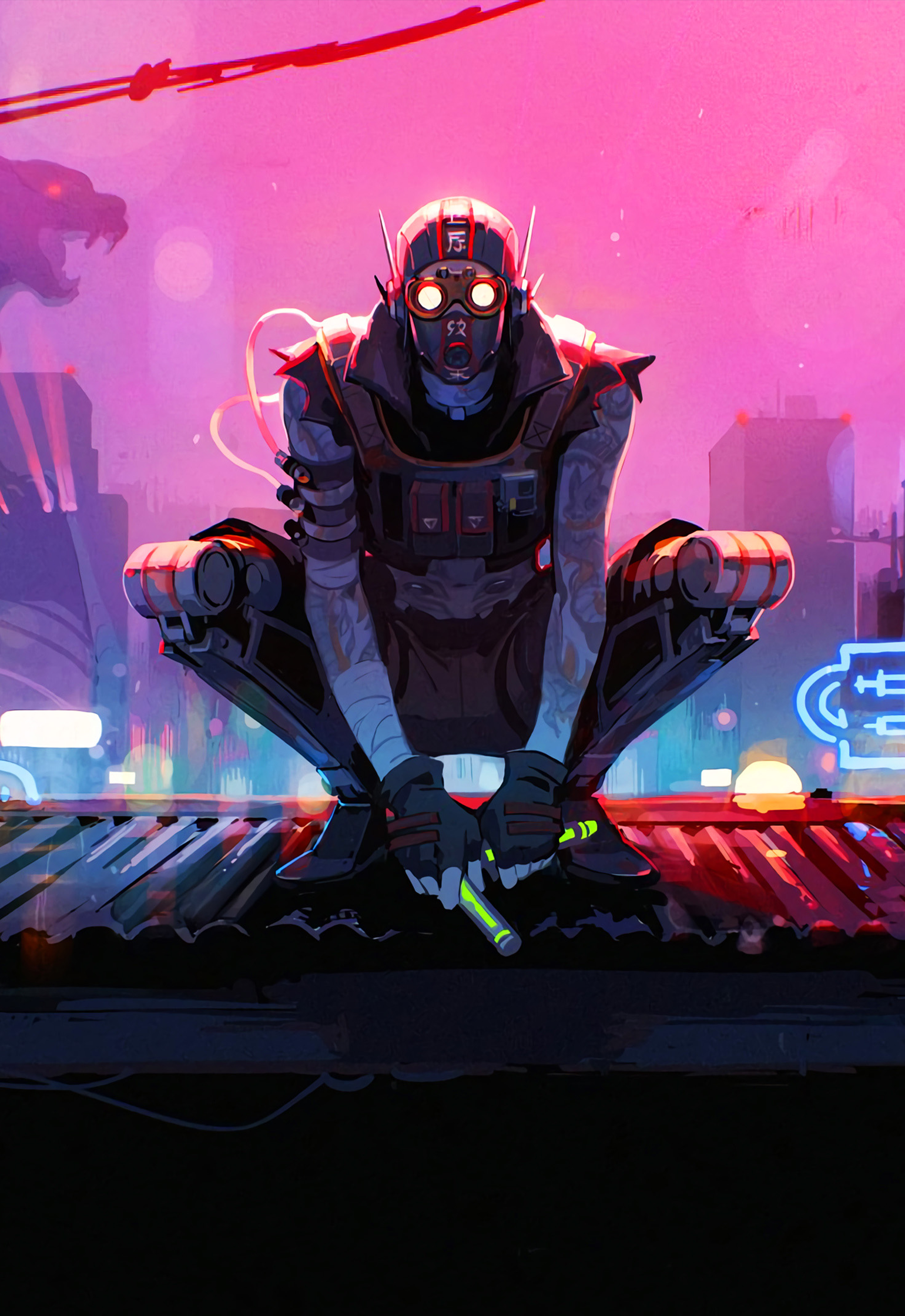
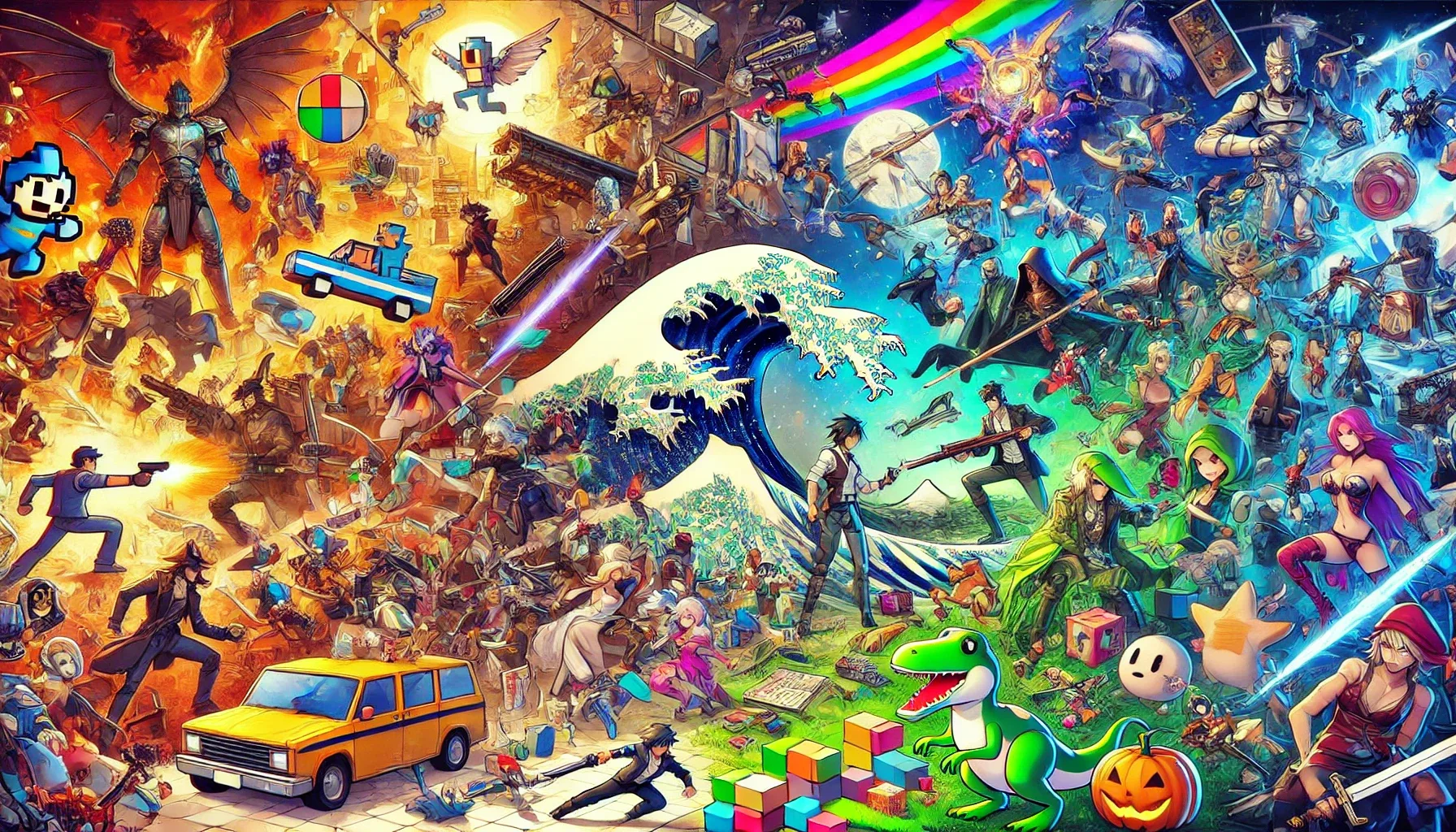







Some games are just better when you have someone to share them with, and these 15 are proof of that. Each one was built with co-op in mind, offering stories that feel richer and more rewarding when you're playing alongside someone else.
Evil West throws vampires, cowboys, and steampunk gadgets into the same blender and somehow makes it work through pure commitment to the chaos. The game knows exactly how ridiculous it sounds to have you punching bloodsuckers with electrified gauntlets in the Wild West, so it leans into every over-the-top moment with genuine enthusiasm. Co-op amplifies the absurdity perfectly, letting two players chain together brutal combos while the story delivers one-liners that would make a B-movie proud. Flying Wild Hog built something that feels like a Saturday afternoon action flick you can actually play. | © Focus Entertainment
Dead Space 3 takes the horror franchise's trademark necromorph nightmares and asks what happens when two people face them together. The co-op transforms Isaac Clarke's lonely descent into madness into something closer to an action movie, where having a partner changes both the scares and the storytelling in ways that feel surprisingly natural. Playing solo still works, but the game clearly wants you to bring a friend along for the ride through frozen planets and space station horrors. The shift toward more action-heavy gameplay upset some series purists, but it created one of the few horror co-op experiences that actually knows how to use two players. | © EA
Far Cry 5 drops you and a friend into rural Montana to take down a doomsday cult, but the real draw is how it lets you approach every outpost, mission, and boss fight however you want. The story about religious extremism gets heavy-handed fast, yet none of that matters when you're coordinating helicopter attacks or watching your partner accidentally set half the forest on fire with a flamethrower. Ubisoft built this playground for chaos, and it delivers best when you stop worrying about the plot and start experimenting with the ridiculous arsenal they handed you. Co-op makes every plan go sideways in the most entertaining way possible. | © Ubisoft
Never Alone asks one player to control a young Iñupiaq girl and another to guide her arctic fox companion through Alaska's frozen wilderness, but the real draw isn't the platforming. The game weaves authentic Alaskan Native stories into every level, with elders from the community sharing traditional tales that unlock as you progress. Cultural documentation rarely feels this organic in a video game, especially when the storytelling comes directly from the people whose heritage inspired it. Playing together means experiencing folklore that most games would never touch, wrapped in cooperative puzzles that actually require both characters to survive. | © E-Line Media
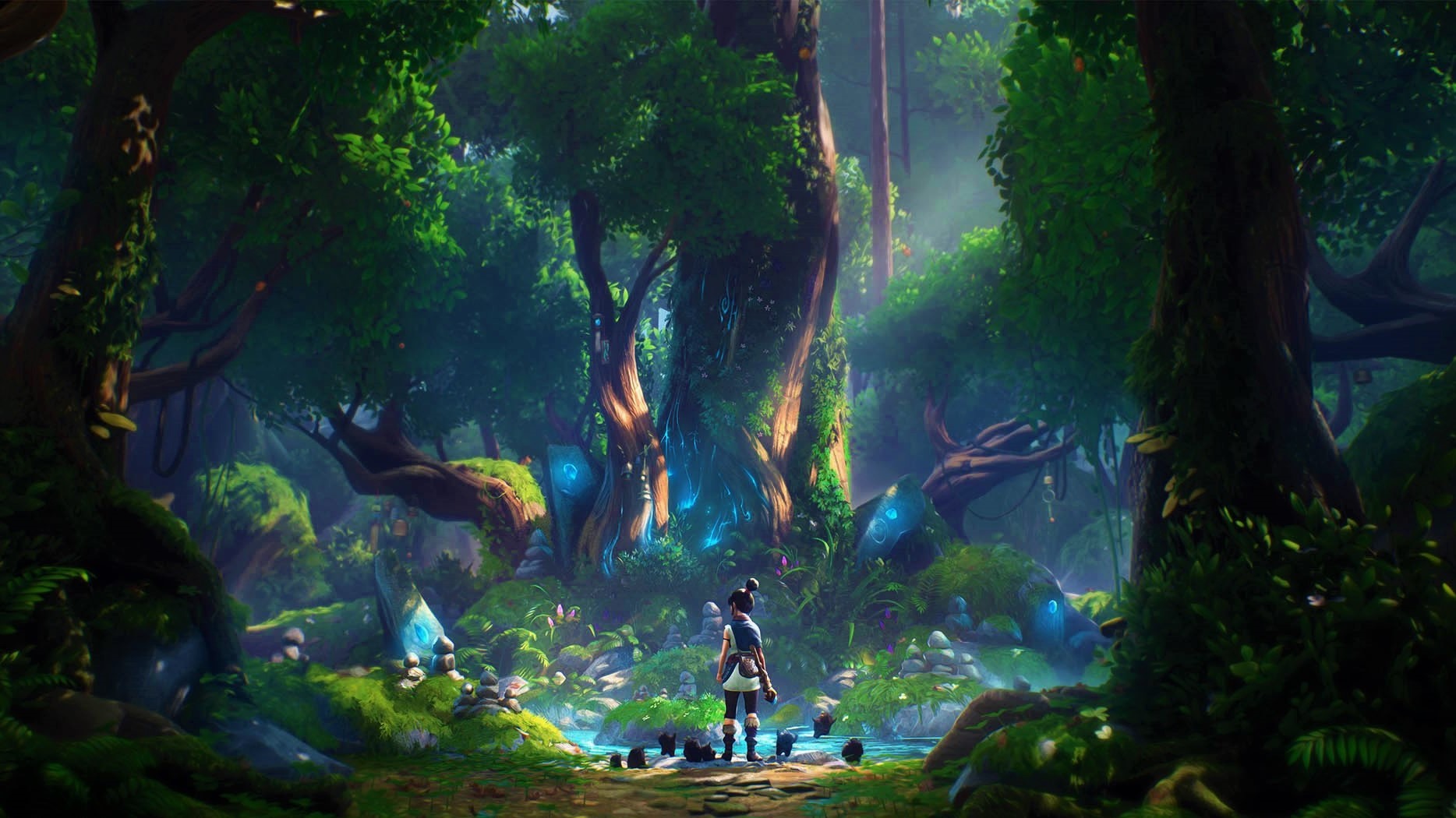
Child of Light wraps a fairy tale about a girl trying to return home inside a turn-based RPG that looks like a storybook illustration come to life. The second player jumps in as a floating firefly companion, helping solve puzzles and providing support during battles without needing to learn complex mechanics. Ubisoft built something that feels genuinely collaborative rather than just tacking on a co-op mode, because the firefly role matters in every fight and exploration sequence. The watercolor art style and rhyming dialogue might sound precious on paper, but they create a warm fantasy world that works perfectly for playing together. | © Ubisoft
We Were Here traps two players in a mysterious castle where communication becomes the entire game. One person gets stuck in a library full of cryptic symbols while the other wanders rooms filled with puzzles that only make sense when you describe them perfectly over voice chat. The whole experience lives or dies on how well you can translate what you're seeing into words your partner can actually use. It turns every conversation into a high-stakes game of telephone where getting the details wrong means starting over. | © Total Mayhem Games
Bokura traps two players in separate black-and-white worlds where the same events look completely different to each person. One player might see a friendly dog while the other sees a monster, forcing constant communication to figure out what's actually happening. The game turns every simple interaction into a puzzle that can only be solved through talking, making it impossible to play effectively with someone who won't speak up. It's one of the few co-op games that completely falls apart if you try to stay quiet.
Dying Light turns the zombie apocalypse into a parkour playground where running across rooftops feels more important than any weapon you might find. The day-night cycle completely changes how you play, because stumbling around after dark means facing faster, deadlier infected that can actually climb after you. Co-op makes the terror manageable and the exploration addictive, especially when your friend accidentally alerts a horde while you're both trapped on a roof. Four players scrambling through a zombie-infested city creates exactly the kind of chaos that makes survival games memorable. | © Warner Bros. Interactive Entertainment
As Dusk Falls turns a roadside motel robbery into a sprawling family drama that spans decades, but the real hook is how it lets multiple players vote on every major decision together. The game uses a distinctive comic book art style that makes even quiet conversations feel cinematic, while the story jumps between timelines to show how one violent night ripples through two families for years. When your co-op partner votes to lie to the police while you want to tell the truth, the tension becomes part of the experience rather than a problem to solve. What starts as a simple heist story becomes something much messier and more human. | © Xbox Game Studios
Spiritfarer is a cozy management game about building a boat, cooking meals, and taking care of passengers who are all, gently and inevitably, waiting to die. The game wraps grief in warmth and routine, letting you grow attached to each character before guiding them through their final moments. It is one of the few games that treats death as something to sit with rather than fight against. The second player can drop in as Daffodil the cat, helping with tasks while the main story stays focused on Stella's role as the ferry master to the afterlife. | © Thunder Lotus Games
Split Fiction throws two players into a shared, ever-shifting adventure that blends genres like sci-fi and fantasy in unexpected ways. Rather than separate storylines, both players experience the same narrative through different roles and abilities. The magic comes from its asymmetrical design – each player handles unique mechanics, so progress depends on coordination, timing, and constant communication. One might control the environment while the other navigates or fights, turning every moment into a collaborative puzzle. | © Hazelight
Borderlands 2 figured out that the best way to tell a story in a loot shooter is to never let the story get in the way of shooting things with friends. The writing keeps the tone light and irreverent while Handsome Jack delivers some of the most quotable villain dialogue in gaming, all wrapped around a campaign designed so four people can drop in and out without breaking anything important. It's the rare sequel that took everything annoying about the original and fixed it while doubling down on the mayhem. Co-op here feels like organized chaos, where everyone gets to be the main character at the same time. | © 2K Games
A Way Out forces two players to break out of prison together, and it never lets either person take a break from the partnership. The entire game is built around split-screen cooperation, meaning one player might be distracting a guard while the other sneaks past, or both are frantically coordinating an escape sequence in real time. Director Josef Fares designed every moment to require genuine communication between players, turning what could have been a standard action game into something that lives or dies on how well you work with your partner. The story takes some wild swings in its final act that most players either love or find completely ridiculous. | © Electronic Arts
It Takes Two forces two players to solve puzzles that literally cannot be completed alone, turning cooperation from a nice-to-have into the entire point. The game hands each player different abilities for every section, so one person might shrink down to navigate tight spaces while the other controls time, making communication essential rather than optional. Director Josef Fares built every mechanic around the idea that relationships require two people working together, even when they are in the middle of falling apart. The divorce story gets heavy, but the gameplay stays playful enough that couples can laugh through scenarios that might hit uncomfortably close to home. | © Electronic Arts
Baldur's Gate 3 lets you and your friends make terrible decisions together, then spend the next hour arguing about whether seducing the vampire was strategically sound or just a really special fantasy. The game tracks every choice across a sprawling campaign that changes based on who your party romances, betrays, or accidentally sets on fire during what should have been a simple negotiation. Co-op amplifies the chaos because now four people are simultaneously trying to pickpocket the same NPC while someone else is starting a fight with the town guard. It turns a single-player RPG into a collaborative disaster where the real story becomes whatever ridiculous mess your group creates. | © Larian Studios
Some games are just better when you have someone to share them with, and these 15 are proof of that. Each one was built with co-op in mind, offering stories that feel richer and more rewarding when you're playing alongside someone else.