Video games have gotten so good at storytelling that some of them hit harder than any movie or book. These are the games that caught players completely off guard with gut-punch moments they were absolutely not prepared for.
Emotional damage ahead.
Days Gone builds its entire zombie apocalypse around one man's desperate search for his missing wife, and that focus makes all the difference. The game takes time with quiet moments between Deacon and Sarah's relationship through flashbacks, showing you exactly what he lost before throwing him into a world where hope feels impossible. Most open-world games treat emotional beats as checkboxes, but this one lets grief drive every motorcycle ride across the wasteland. When the truth about Sarah finally comes out, it hits harder because you spent forty hours understanding what she meant to him. | © Sony Interactive Entertainment
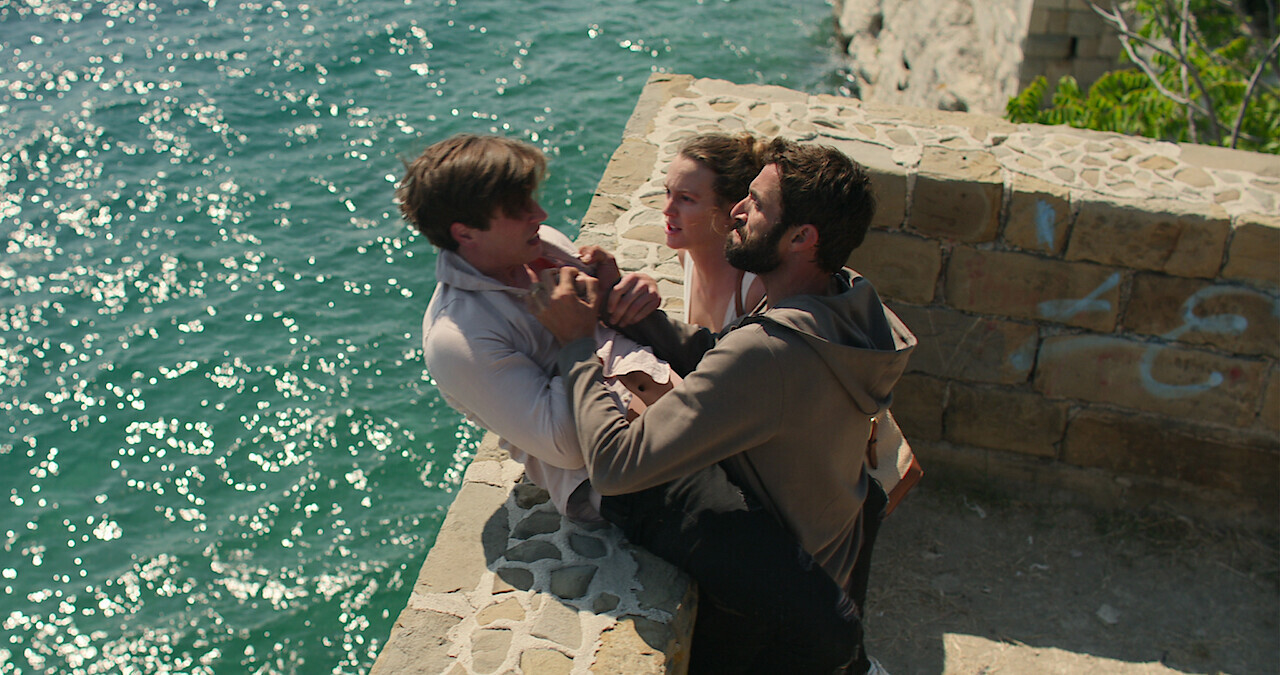
Split Fiction follows two strangers thrown together by circumstance, trading sharp dialogue and reluctant cooperation as they try to navigate a world that never quite explains itself. The game builds its emotional weight through their growing bond, letting small, human moments of trust and humor slowly replace the distance between them. What feels at first like an unlikely partnership gradually becomes something genuine, as they begin to rely on each other in ways neither of them expected. It’s only at the very end that the truth lands – that both of them have been carrying their own quiet, devastating losses the entire time. The story reframes everything you’ve seen, turning their connection into something deeper: not coincidence, but recognition. | © Hazelight

SOMA asks one simple question about what makes you human, then spends ten hours systematically destroying every answer you give it. The underwater horror setting works as more than atmosphere because the ocean becomes a metaphor for drowning in your own identity crisis. By the time you reach the ending, the game has made consciousness itself feel like a trap. Nothing prepares you for how existentially brutal those final moments hit. | © Frictional Games
Shadow of the Colossus asks you to kill sixteen massive, ancient beings to save someone you love, then spends every boss fight making you feel terrible about it. Each colossus moves with deliberate grace and shows no interest in fighting you until you start climbing up their bodies to stab them in their weak spots. The game turns every victory into a small tragedy, as these creatures die slowly and beautifully while haunting music swells. By the end, you realize you were never the hero of this story. | © Sony Interactive Entertainment
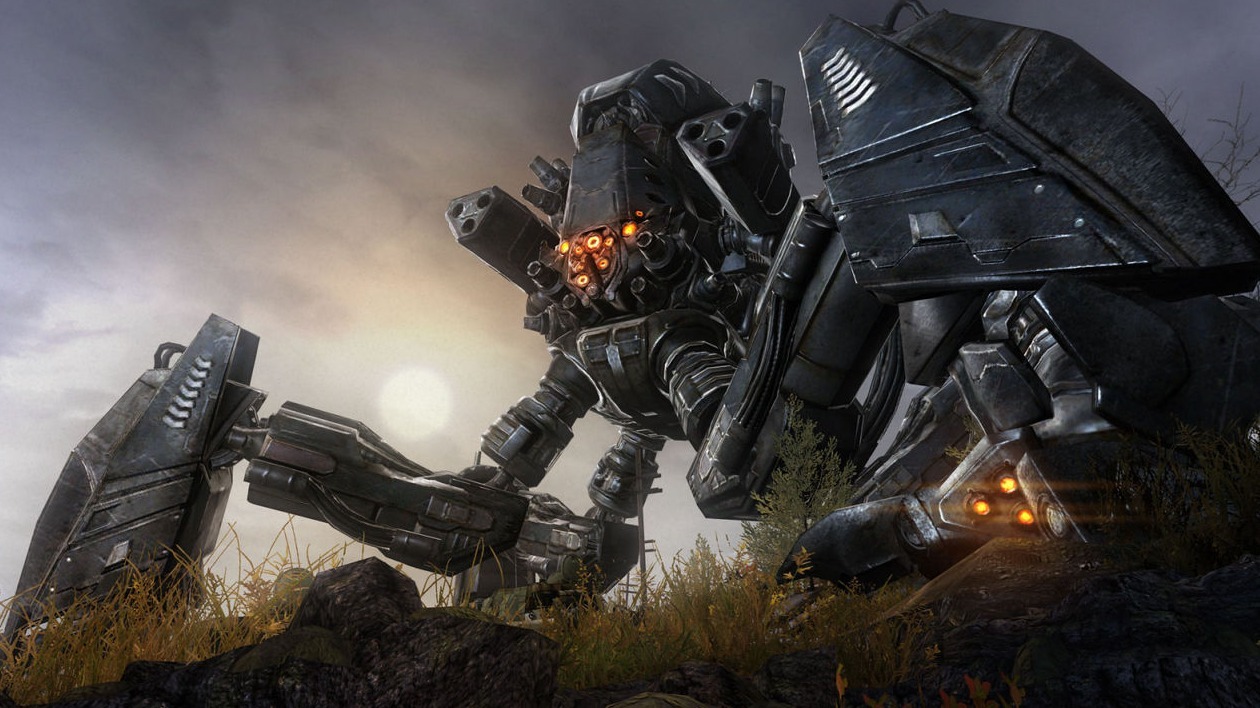
Titanfall 2 builds a campaign around the bond between a pilot and his giant robot buddy, then spends six hours making you care about both of them before ripping it all away. The game disguises itself as a slick sci-fi shooter, but every mission is really about two unlikely partners learning to trust each other in increasingly impossible situations. BT-7274 starts as cold military hardware and slowly becomes something closer to a friend, which makes his final sacrifice hit like a sledgehammer. The tears come from realizing you just lost the best teammate you never knew you needed. | © EA
Mass Effect 3 forces you to watch characters you've spent three games caring about make their final stands against impossible odds. The game builds to moments where longtime companions sacrifice themselves in ways that feel both inevitable and completely unfair, especially when Mordin heads into that tower, or Thane fights his last fight. BioWare knew exactly which emotional buttons to press after years of building these relationships, and they pressed every single one. The ending controversy somehow made the pain worse, because even the backlash couldn't undo how much those earlier sacrifices hurt. | © EA
A Plague Tale: Requiem forces you to watch a teenage girl slowly lose her little brother to a supernatural plague that makes him increasingly dangerous to everyone around him. The game builds its emotional weight through small moments between Amicia and Hugo, letting you feel their sibling bond deepen right as the curse makes it impossible to maintain. What starts as a story about protecting family becomes something much harder to process when protection might mean letting go. The rats are terrifying, but watching Hugo slip away piece by piece is what stays with you. | © Focus Entertainment
Gris turns depression into a platformer where your character literally loses her voice and watches the world drain of color around her. The game refuses to explain what happened or why she's grieving, instead letting you slowly restore fragments of a watercolor world that feels like it's dissolving in real time. Every jump and puzzle becomes an act of rebuilding something that was broken, with no enemies or failure states to get in the way of that process. The final moments hit hard because they reveal how much beauty was always there, waiting to be seen again. | © Devolver Digital
Before Your Eyes controls entirely through blinking, which sounds like a gimmick until you realize the game is using your actual eyes to pull you through a dying man's memories. Every blink moves time forward, forcing you to watch precious moments slip away whether you want them to or not. The mechanic becomes cruel when you desperately want to stay in a scene, but your eyes naturally blink anyway, yanking you out of your character's childhood or a tender moment with his mother. It turns the simple act of blinking into an emotional weapon that makes you complicit in your own heartbreak. | © Skybound Games
Celeste turns a platformer about climbing a mountain into something much harder to shake off. The game follows Madeline as she battles both treacherous terrain and her own anxiety, with each death and retry becoming part of a larger story about learning to live with mental illness rather than conquering it. Every spike that kills you and every ledge you miss feels deliberate, because the game uses its punishing difficulty to mirror the exhausting work of fighting your own mind. The tears come not from cheap manipulation, but from recognizing your own struggles in a character who keeps climbing anyway. | © Matt Makes Games
Life is Strange hands you time-rewind powers and then uses them to make every choice feel worse. The game lets you undo conversations and peek into alternate outcomes, but that safety net becomes a trap when you realize some consequences can't be reversed no matter how many times you try. Max's photography obsession and her complicated friendship with Chloe anchor a story that starts with typical teen drama and spirals into something much darker. The finale forces you to decide whether saving one person is worth destroying an entire town. | © Square Enix
Ori and the Blind Forest opens with a ten-minute sequence that kills off a parent figure and destroys a forest home before you even learn the controls. The game builds its entire emotional foundation on loss and restoration, making every collectible spirit light feel like you are literally bringing life back to a dying world. Moon Studios wrapped environmental storytelling around platforming mechanics so tightly that jumping between branches becomes an act of healing. You spend the whole game trying to undo that opening tragedy, and somehow the effort matters more than whether you succeed. | © Microsoft Studios
NieR: Automata starts as a stylish action game about androids fighting machines, then slowly reveals that nothing you think you understand about the story is actually true. The game makes you play through multiple perspectives before pulling back the curtain on what both sides are really fighting for, and why that fight might be completely pointless. By the third playthrough, when the machines start showing more humanity than the androids ever did, the existential weight hits like a truck. The final ending sequence turns other players into literal guardian angels, creating one of the most unexpectedly moving multiplayer moments ever designed. | © Square Enix

The Last of Us Part II makes you play as the person who killed the character you loved most from the first game. That choice split the fanbase down the middle, but it also created something genuinely uncomfortable in a medium that usually lets players stay morally clean. Watching Ellie destroy herself and everyone around her in pursuit of revenge feels less like entertainment and more like watching someone you care about make terrible decisions you cannot stop. The tears come from recognizing that this is what grief actually looks like when it wins. | © Sony Interactive Entertainment
To the Moon takes two scientists through the dying memories of an old man who wants to fulfill his childhood dream of reaching the moon. The twist comes when they start rewriting his past to make that dream possible, only to discover why he forgot about it in the first place. What starts as a simple wish becomes a story about love, loss, and the memories we bury to protect ourselves. The 16-bit graphics make the gut punch hit even harder because you're not expecting something that looks so simple to destroy you so completely. | © Freebird Games
Video games have gotten so good at storytelling that some of them hit harder than any movie or book. These are the games that caught players completely off guard with gut-punch moments they were absolutely not prepared for.