




















Some games don’t just land – they stick. Years later, people still talk about them, replay them, argue over them. These are the games released since 2010 that feel as close to perfect as the medium gets.

The gold standard.
Persona 5 Royal revisits a beloved story without dulling any of what made the original resonate in the first place. New characters and expanded moments give both fresh faces and familiar ones room to surprise you emotionally, often when you least expect it. The result feels definitive, the kind of game that leaves no doubt you chose the right version to experience. | © P-Studio
Portal 2 takes everything that worked in the original and expands it in smarter, more confident ways, especially through a longer campaign and a stronger story. The puzzles stay clever without feeling padded, and the writing adds humor and personality that carries the experience forward effortlessly. It may not shock players the way the first game did, but as a refinement of a great idea, Portal 2 feels just about flawless. | © Valve
The Last of Us blends survival, stealth, exploration, and action into something that feels relentlessly tense from start to finish. Instead of leaning on cheap scares, it builds pressure slowly through scarce resources, unforgiving enemies, and an atmosphere that never lets you relax. Strong characters, smart systems like listening mode, and carefully placed action moments come together to redefine what survival-focused games could be at the time. | © Naughty Dog
Red Dead Redemption 2 has only grown in stature since 2018, slowly earning its place at the top of “best of the decade” lists as time passed. The open world and its inhabitants feel uncannily real, creating a sense of place and authenticity that few games have matched even years later. Some mission design choices feel restrictive by modern standards, but they hardly diminish what remains one of the most technically accomplished and immersive games ever made. | © Rockstar Games
Horizon Zero Dawn succeeds because its world-building does the heavy lifting, even when the main story doesn’t always hit as hard as it could. Aloy’s Focus turns exploration into investigation, pushing players to slow down and study ruins, machines, and forgotten traces of the past like an open-air crime scene. That mix of advanced technology layered onto a primitive world gives the setting its identity and makes simply moving through it consistently engaging. | © Guerrilla Games
The Witcher 3: Wild Hunt still stands as a benchmark for story-driven RPGs, especially for players who care more about writing, characters, and meaningful quests than raw mechanics. It blends old-school, dialogue-heavy roleplaying with a modern open world in a way that still feels confident and cohesive a decade later. Minor annoyances like map clutter barely register when weighed against its atmosphere, emotional storytelling, and the lasting pull of Geralt’s world. | © CD Projekt
Minecraft became the best-selling game ever by doing something deceptively simple and scaling it endlessly. Built around interactive blocks and open-ended systems, it gives players the same creative freedom as LEGO, only without real-world limits. Between multiple modes and a thriving multiplayer scene, it’s grown into a platform where people don’t just play, but build entire worlds that continue to surprise even non-gamers. | © Mojang Studios
God of War reintroduced Kratos in a way that felt confident, focused, and surprisingly restrained, cementing the reboot as one of Sony’s strongest PS4-era titles. Every piece fits together cleanly, from combat and exploration to music, pacing, and technical polish, all working toward a clear vision that rarely stumbles. By respecting its past while pushing the series forward, God of War stands as one of the most successful franchise reinventions games have pulled off. | © Jetpack Interactive
Balatro looks simple at first, like a clever spin on Poker that shouldn’t hook you for long, then suddenly hours are gone. The rules are easy to grasp, but every run pushes you to rethink synergies, stretch the system, and squeeze out one more hand just to stay alive. It doesn’t need flashy visuals or a heavy story either, because Balatro proves that tight, endlessly engaging gameplay is sometimes all a game really needs. | © LocalThunk
Elden Ring pulled in players who had never touched a Soulslike before, thanks to its striking dark fantasy tone and the promise of something bigger than anything FromSoftware had done. The challenge is tough but fair, and the open world invites curiosity, letting players wander far off the intended path as long as they’re brave enough to survive. Deep build variety ties it all together, encouraging experimentation, personal playstyles, and endless reasons to return. | © FromSoftware
Baldur's Gate 3 leans fully into the strange freedom of Dungeons & Dragons, giving players room to create almost any kind of character and live with the consequences. Roleplaying feels genuinely open-ended, whether you’re saving everyone in sight or burning bridges just to see what happens next. Combat and storytelling work together beautifully, allowing wild, creative solutions in fights and backing it all up with sharp writing that raises the bar for turn-based RPGs. | © Larian Studios
Hades II builds on a game that already helped define the modern roguelike wave, then somehow pushes past it. The combat runs deeper and more demanding, while the world and characters expand the mythology in ways that feel directly tied to the original rather than loosely inspired by it. Everything that worked before is sharper here, making Hades II feel less like a follow-up and more like the series fully hitting its stride. | © Supergiant Games
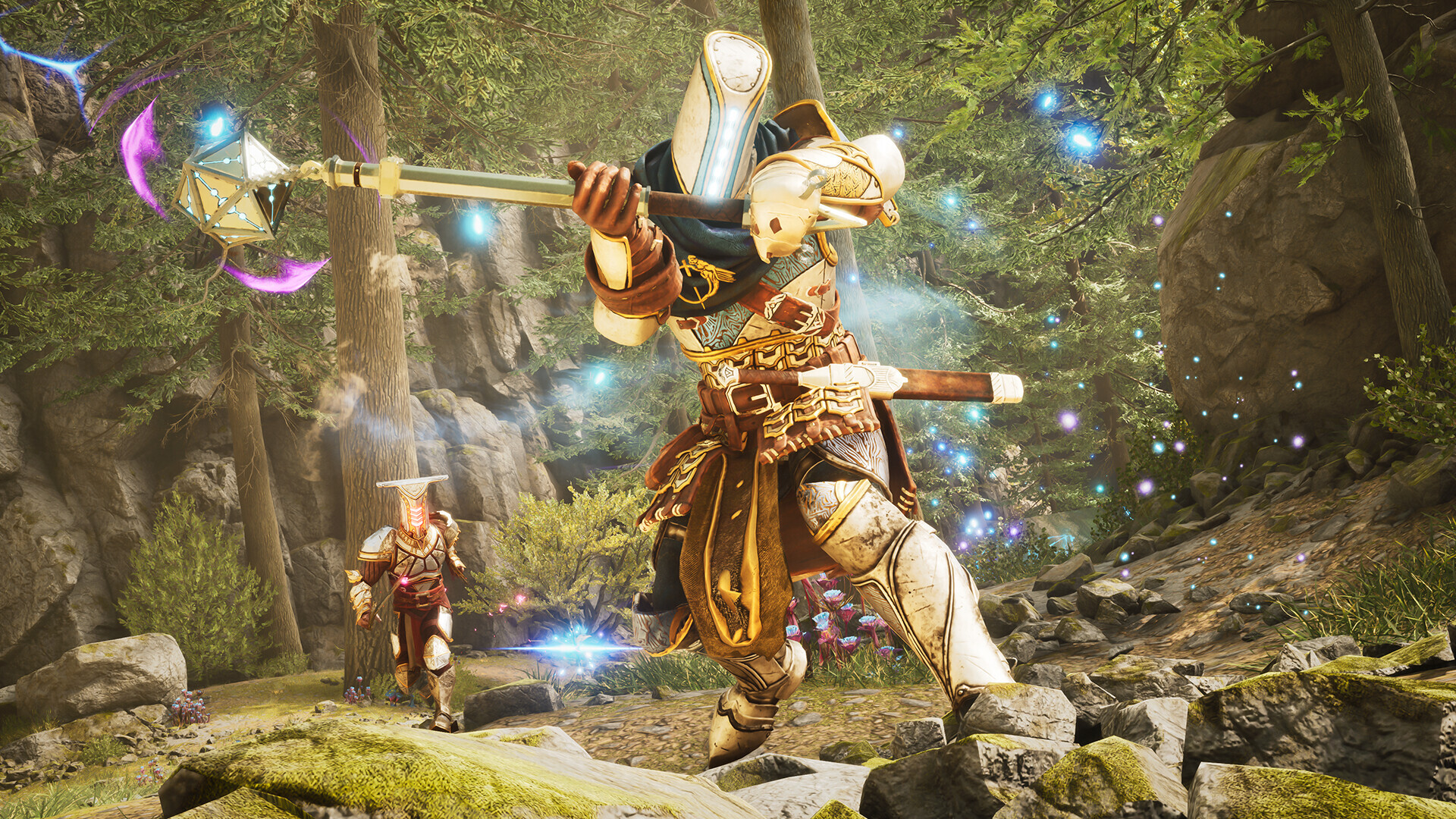
Clair Obscur: Expedition 33 came out of nowhere, proving how far a smaller studio can go when it’s given time, freedom, and a clear creative vision. The game wraps a Belle Époque–inspired world around a turn-based system that feels fresh, pulling in even players who usually avoid the genre thanks to its timing-based dodges and parries. Mastering those mechanics is deeply rewarding, and while it may still be too new to be universally crowned, the experience already feels like something special. | © Sandfall Interactive
The Legend of Zelda: Breath of the Wild arrived as a massive moment for Nintendo, doubling as the Switch’s launch title and instantly redefining what a Zelda game could be. The real magic lies in the freedom, letting players tackle shrines, enemies, and entire regions in almost any order, even to the point of intentionally breaking the game. While later entries refined its ideas, the original still feels special thanks to a world that reacts to physics, rewards curiosity, and constantly invites creative problem-solving. | © Nintendo
Hollow Knight: Silksong started life as a small DLC idea, but years of extra development let Team Cherry turn it into a fully realized game that easily stands on its own. The difficulty is harsh, sure, but the combat feels so precise and satisfying that every loss feels like a reason to explore deeper, chase upgrades, and refine Hornet’s build. Combat alone wouldn’t be enough, though, and Silksong seals its status with an eerie world and a subtle story that quietly unfolds for players willing to look beyond the surface. | © Team Cherry
Some games don’t just land – they stick. Years later, people still talk about them, replay them, argue over them. These are the games released since 2010 that feel as close to perfect as the medium gets.