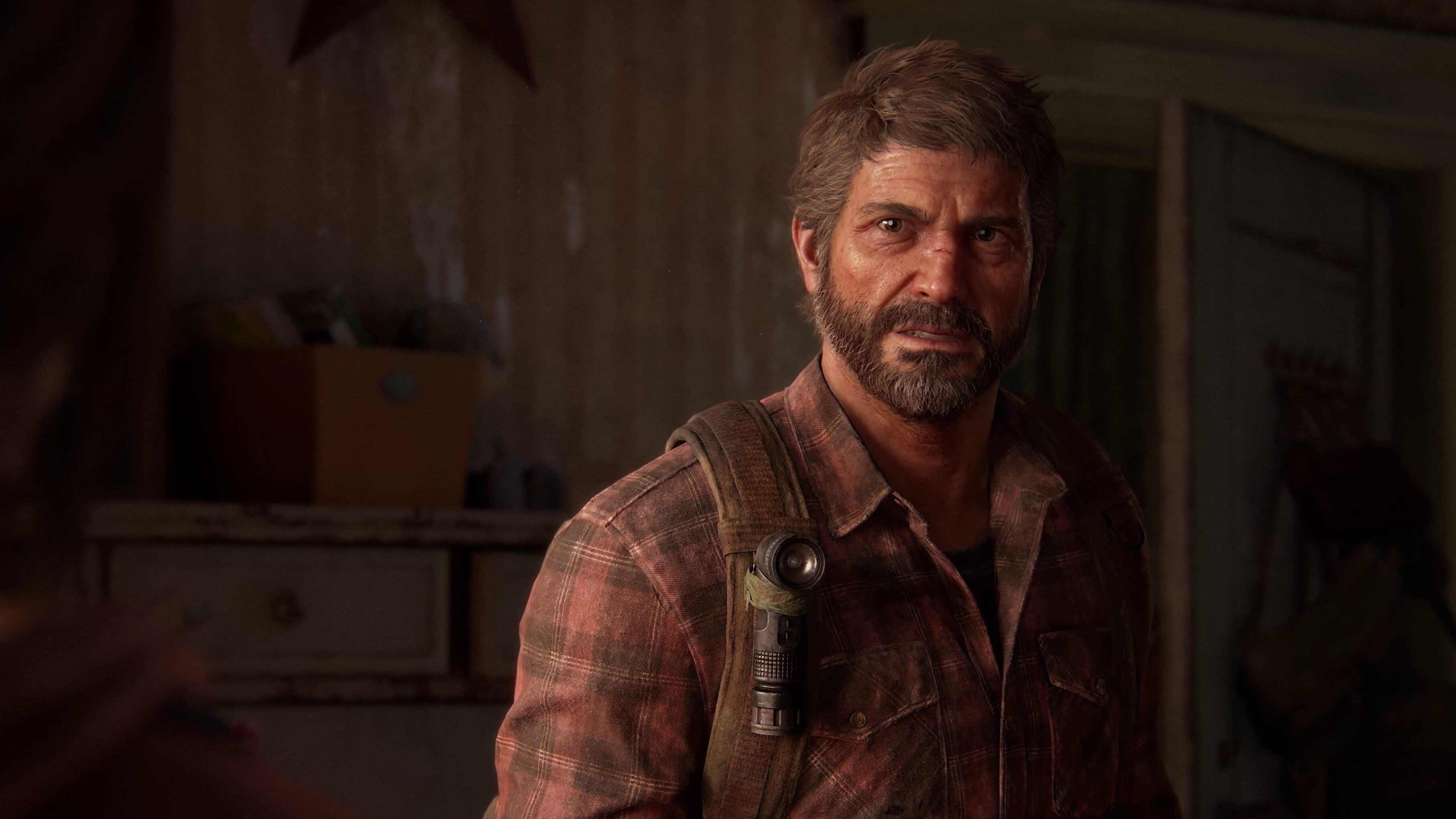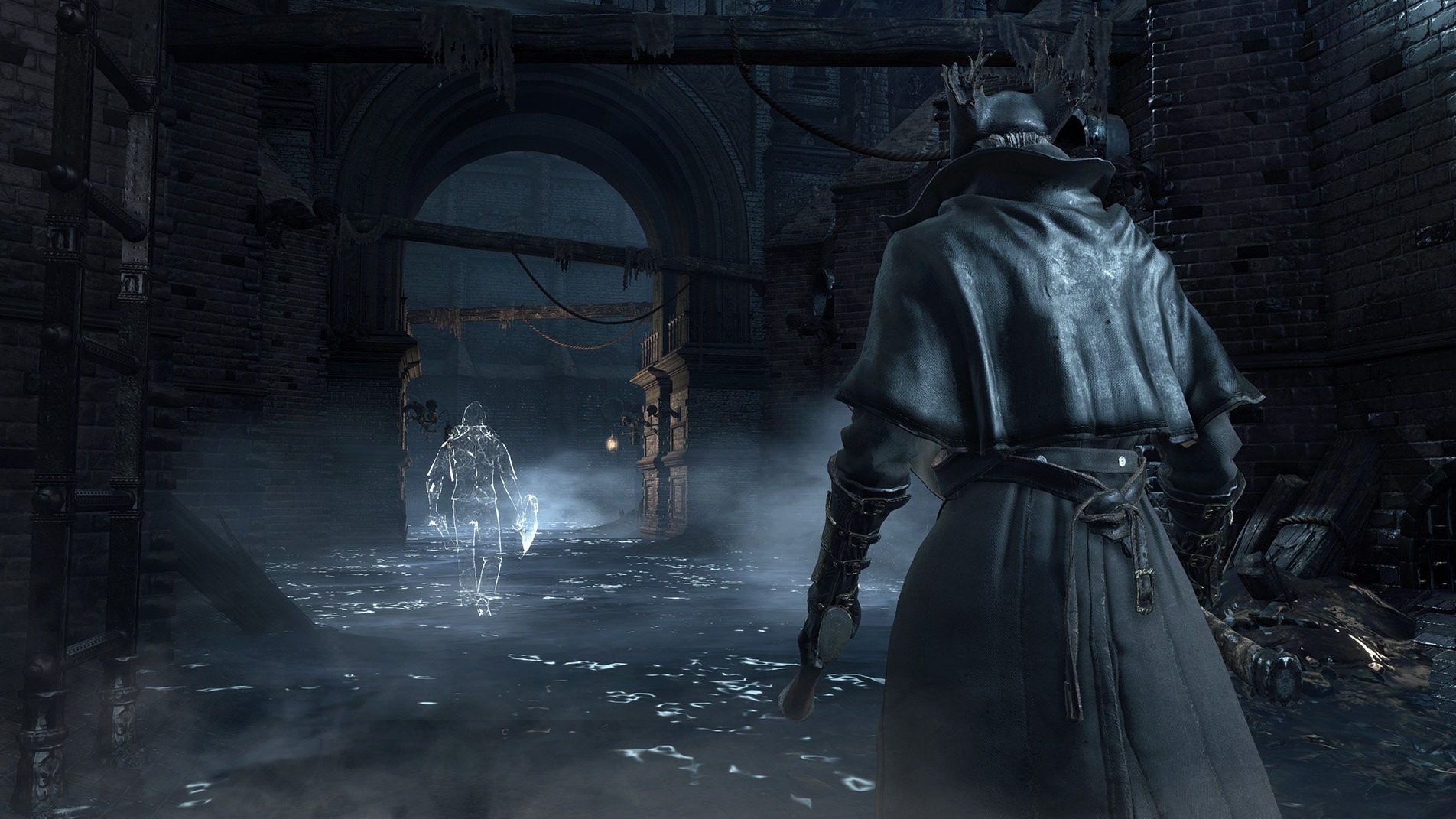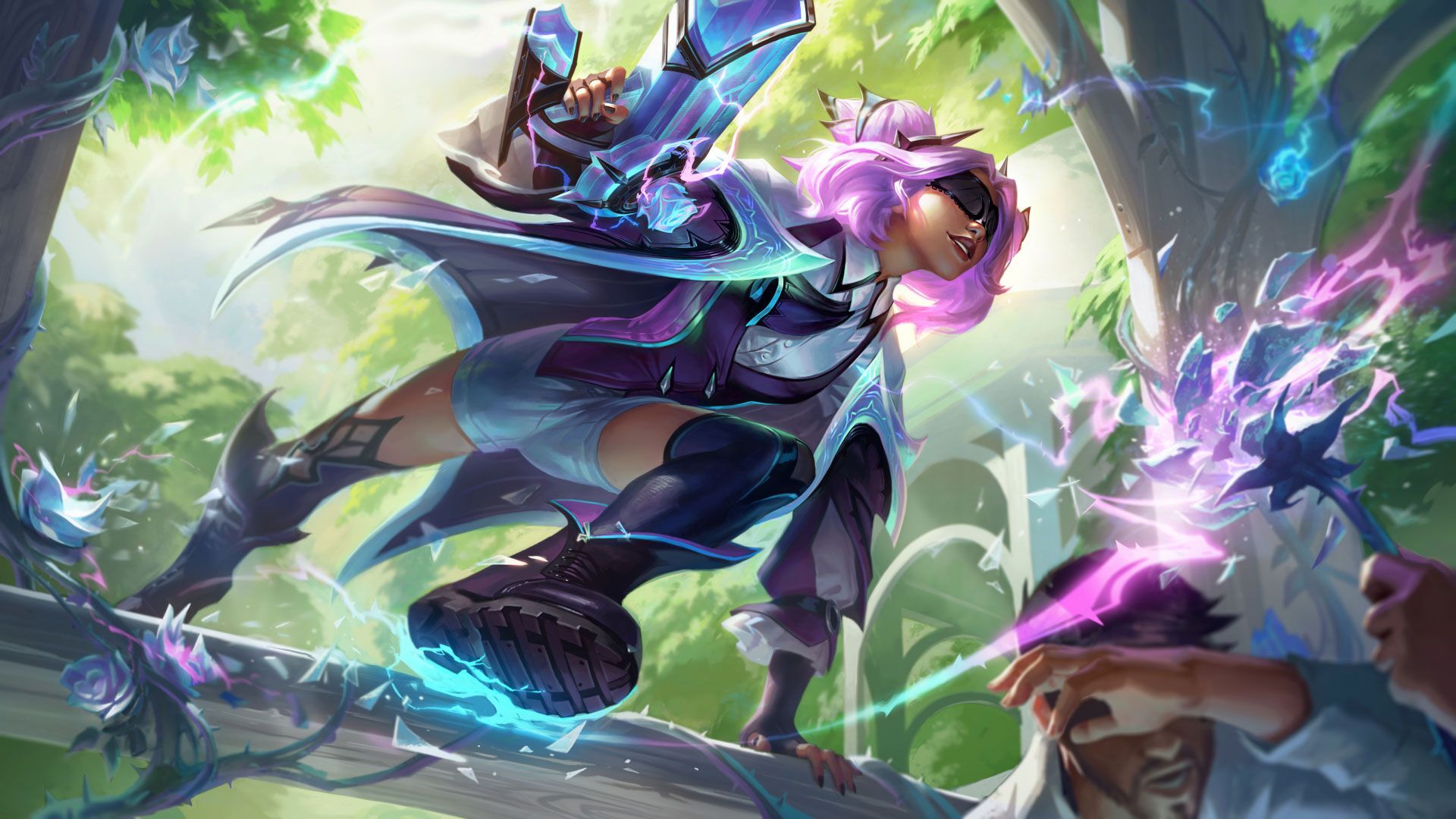
























Some games refuse to age. Years pass, hardware evolves, but their visuals still hold up. These are the titles that somehow look just as striking today as they did back then.
Gaming
15 Video Games That Aged Flawlessly


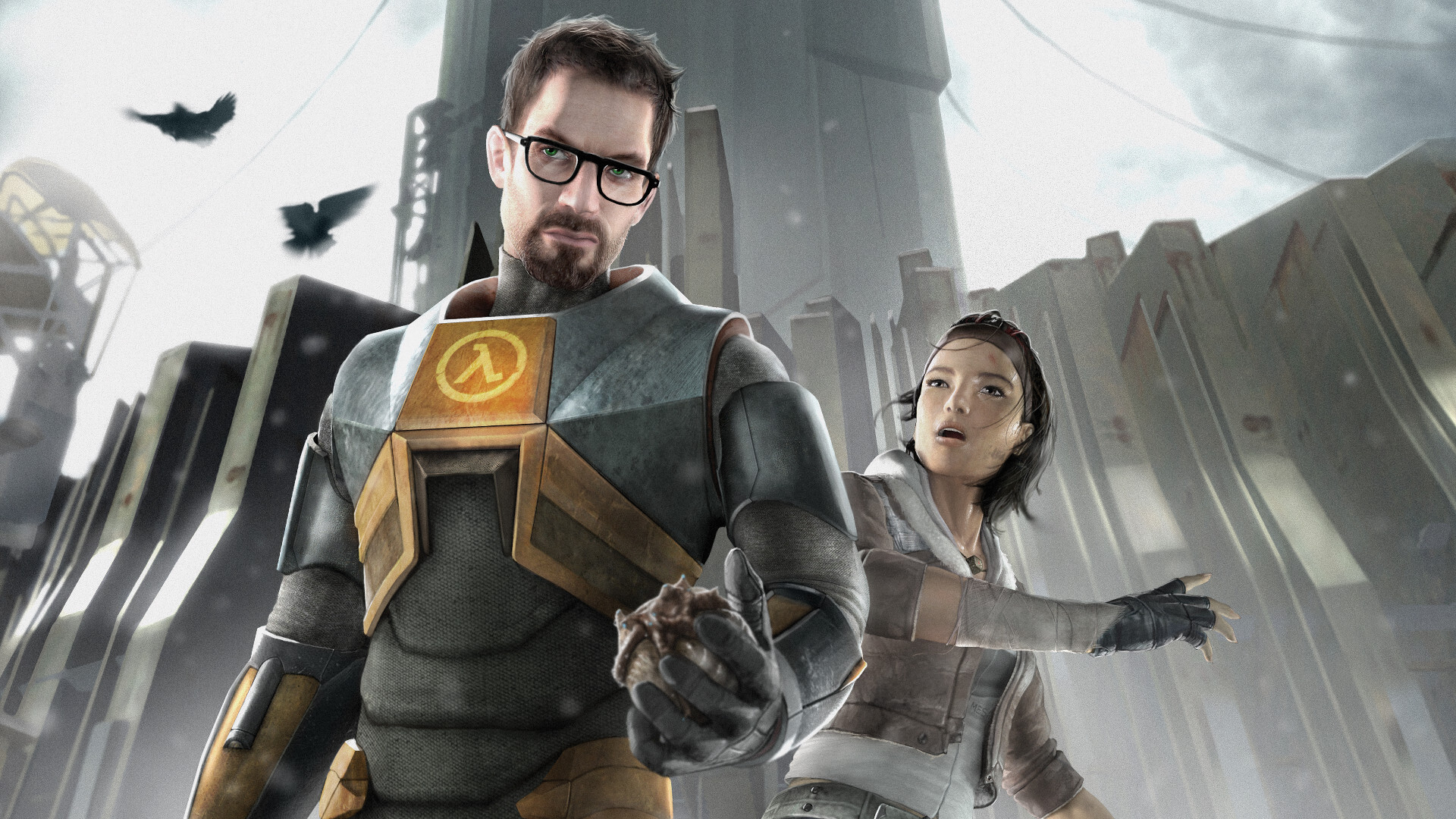
Half-Life 2 proved that physics could be more than a gimmick by making gravity itself feel like a weapon worth mastering. The Gravity Gun turns everyday objects into ammunition, letting you fling saw blades and concrete blocks with the same precision that other games reserve for bullets. Valve built an entire world where every piece of debris has weight and purpose, making mundane environments feel interactive in ways that still surprise players twenty years later. That technical foundation holds up because it was designed around play, not spectacle. | © Valve

Team Fortress 2 turned cartoon violence into an art form, with character designs so expressive and exaggerated that every death feels like a Looney Tunes gag. The game's bold, angular style was already unusual for a shooter in 2007, but sixteen years later, it still looks more distinctive than most modern competitors trying to chase realism. Each of the nine classes moves and fights with such a personality that you can recognize them from their silhouettes alone. Valve built a multiplayer shooter that ages like an animation instead of technology. | © Valve

Warcraft III built entire worlds out of pixels and somehow made them feel more alive than most modern games with ten times the polygons. The cutscenes still hold up because Blizzard understood that strong art direction beats raw technical power every time, giving each faction a distinct visual personality that made orcs, humans, undead, and night elves instantly recognizable even in the heat of battle. Twenty years later, the character animations have more personality than entire AAA releases, and the spell effects still pop off the screen with satisfying weight. This is what happens when a studio cares more about making things look right than making them look realistic. | © Blizzard Entertainment

Far Cry 2 drops you into a sun-baked African warzone where everything breaks, rusts, and falls apart exactly when you need it most. Your guns jam mid-firefight, your car breaks down in the middle of nowhere, and malaria attacks hit at the worst possible moments. The game refuses to let you feel like an action hero, instead making you feel like a desperate mercenary barely surviving in a place that wants you dead. Most shooters make you feel powerful, but this one makes you feel mortal. | © Ubisoft

Baldur's Gate 2 proves that hand-painted backgrounds and detailed sprite work can outlast any polygon count. The environments feel like actual places you could walk through, from the twisted spires of Spellhold to the bustling markets of Athkatla, each area dense with visual storytelling that modern games often skip for flashier effects. Twenty-four years later, the art still pulls you into conversations with party members because everything looks deliberate and lived-in. Most RPGs age like old screenshots, but this one ages like a painting. | © Interplay Entertainment

Darksiders throws biblical apocalypse mythology into a blender with Zelda-style dungeon crawling and God of War combat, then somehow makes that combination work. War rides through a devastated Earth solving environmental puzzles between brutal fights against demons and angels, wielding everything from a massive sword to a revolver called Mercy. The art direction commits completely to its heavy metal album cover aesthetic, painting everything in deep reds and dramatic shadows that still look striking today. Most games would collapse under this much tonal weight, but Darksiders carries it with the confidence of a band that knows exactly how ridiculous and awesome it wants to be. | © THQ

Portal 2 proves that great art direction beats raw polygon count every single time. Valve built these sterile test chambers and crumbling facility backrooms with such clean, purposeful design that every surface still looks intentional rather than outdated. The game's humor lands just as hard now because it comes from sharp writing and perfect voice acting, not flashy effects that age poorly. Thirteen years later, those white panels and orange gels create a timeless aesthetic that most modern games still can't match. | © Valve

Valheim takes the survival genre's usual formula of crafting, building, and dying repeatedly, then wraps it in Norse mythology and some of the most surprisingly beautiful low-poly visuals in recent memory. The game proves that smart art direction beats raw technical power every time, creating forests and coastlines that feel both ancient and timeless despite using deliberately simple graphics. Four years later, those blocky textures and carefully chosen lighting still make other survival games look overly busy by comparison. It turns out you don't need photorealism when you have a clear vision of what you want players to feel. | © Iron Gate Studio

Dishonored gives you a dozen different ways to solve every problem, then makes each choice feel like it actually matters. The art style blends Victorian architecture with whale oil punk technology in a way that feels both familiar and completely alien. Arkane Studios built a world where you can possess a rat, blink through shadows, or just walk up and stab someone, and somehow all of these approaches feel equally valid. The game trusts you to find your own path through Dunwall without ever making you feel like you picked the wrong one. | © Bethesda Softworks

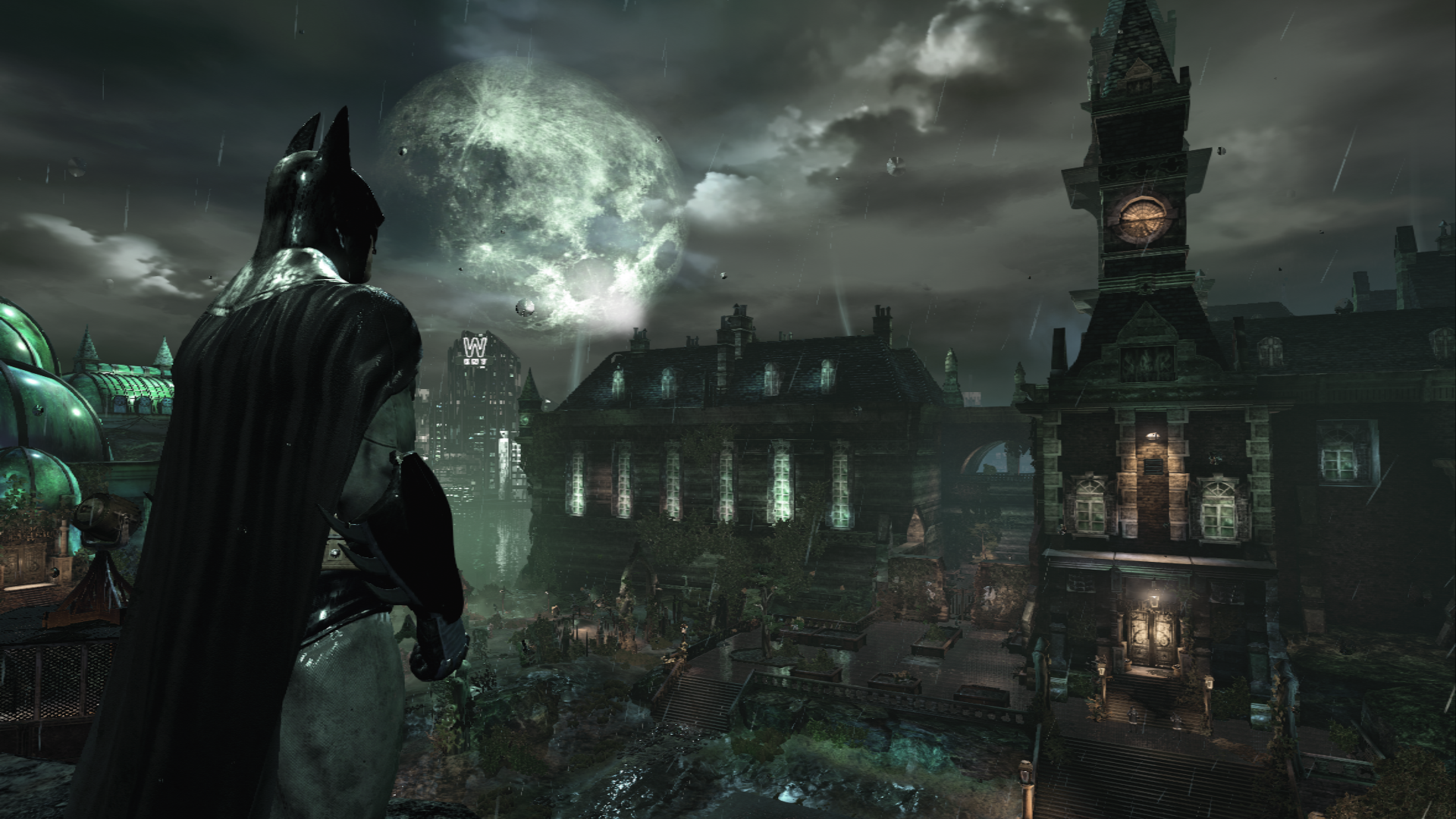
Batman: Arkham Knight looks like the superhero game everyone always wanted but never thought was possible. The rain-soaked Gotham feels alive in a way that makes every rooftop glide and street-level prowl feel cinematic, while the Batmobile integration finally lets you be Batman in a car that actually drives like it weighs three tons and costs more than a small country. Sure, the tank battles got repetitive, and the PC port was a disaster, but when you're swooping through those neon-lit streets with Kevin Conroy's voice in your ear, none of that matters. This is what peak superhero power fantasy looks like. | © Warner Bros. Interactive Entertainment

Metroid Prime took a beloved 2D series and somehow made the jump to first-person 3D without losing what made it special. The art direction transforms alien environments into these living, breathing ecosystems where every surface tells a story about the world's history. Samus's visor effects and environmental scanning create this sense that you are actually inside the suit, not just controlling a character from the outside. Twenty years later, the visual design still feels more thoughtful and immersive than most modern games trying to do the same thing. | © Nintendo

Journey strips multiplayer down to something almost primal: you meet another robed figure in the desert, and without words or usernames, you help each other reach a distant mountain. The anonymous connection feels more genuine than most games with full voice chat, because every gesture becomes intentional communication. Thatgamecompany built something that looks like moving sand art and plays like shared meditation. The whole thing lasts three hours, but those three hours stick with you longer than games ten times its size. | © Sony Interactive Entertainment

The Legend of Zelda: The Wind Waker ditched the realistic art style everyone expected and went full cartoon instead. Nintendo made Link look like he belonged in a Saturday morning anime, complete with huge expressive eyes and cel-shaded ocean waves that still look better than most modern water effects. The backlash was instant and loud, with fans calling it "Celda" as if that was somehow an insult. Twenty years later, those same cartoon graphics make every other Zelda game from that era look ancient. | © Nintendo

Cuphead looks like someone fed 1930s cartoons through a video game machine and cranked the difficulty to maximum spite. The hand-drawn animation captures every rubberhose bounce and pie-in-the-face gag from the golden age of animation, then asks you to survive boss fights that would make Dark Souls players nervous. Studio MDHR spent years drawing each frame by hand, and it shows in every screaming teakettle and dancing flower that wants you dead. The result feels like playing through a lost Disney cartoon where Mickey Mouse has been replaced by pure, unfiltered rage. | © Microsoft Studios

Okami turns every frame into a living piece of Japanese art, with a visual style that looks like someone animated ancient scroll paintings. The game's sumi-e ink wash technique creates landscapes and characters that feel hand-painted rather than digitally rendered. Combat becomes a literal act of creation as you paint brush strokes across the screen to cast spells and solve puzzles. Nearly two decades later, no game has matched this approach to turning gameplay mechanics into artistic expression. | © Capcom
Some games refuse to age. Years pass, hardware evolves, but their visuals still hold up. These are the titles that somehow look just as striking today as they did back then.