

























• EarlyGame PLUS top logo
  • Join to get exclusive perks & news!
English
    • News
    • Guides
    • Gaming
      • Codes
      • League of Legends
    • Creators
    • Entertainment
    • Careers
    • EarlyGame+
  • Login
  • Homepage My List Settings Sign out
  • News
  • Guides
  • Gaming
    • All Gaming
    • Codes
    • League of Legends
  • Creators
  • Entertainment
  • Careers
  • EarlyGame+
Game selection
Kena
Gaming new
Enterianment CB
ENT new
Influencer 5229646 640
TV Shows Movies Image
TV shows Movies logo 2
Fifa stadium
Fc24
Fortnite Llama WP
Fortnite Early Game
LOL 320
Lo L Logo
Codes bg image
Codes logo
Smartphonemobile
Mobile Logo
Videos WP
Untitled 1
Cod 320
Co D logo
Rocket League
Rocket League Text
Apex 320
AP Ex Legends Logo
DALL E 2024 09 17 17 03 06 A vibrant collage image that showcases various art styles from different video games all colliding together in a dynamic composition Include element
Logo
Logo copy
GALLERIES 17 09 2024
News 320 jinx
News logo
More EarlyGame
Esports arena

Polls

Razer blackhsark v2 review im test

Giveaways

Rocket league videos

Videos

Valorant Tournament

Events

  • Copyright 2026 © eSports Media GmbH®
  • Privacy Policy
  • Impressum and Disclaimer
 Logo
English
  • English
  • German
  • Spanish
  • EarlyGame india
  • Homepage
  • Gaming

25 Video Games That Changed The Industry Forever

1-25

Nazarii Verbitskiy Nazarii Verbitskiy
Gaming - April 12th 2026, 17:00 GMT+2
Dark Souls 1

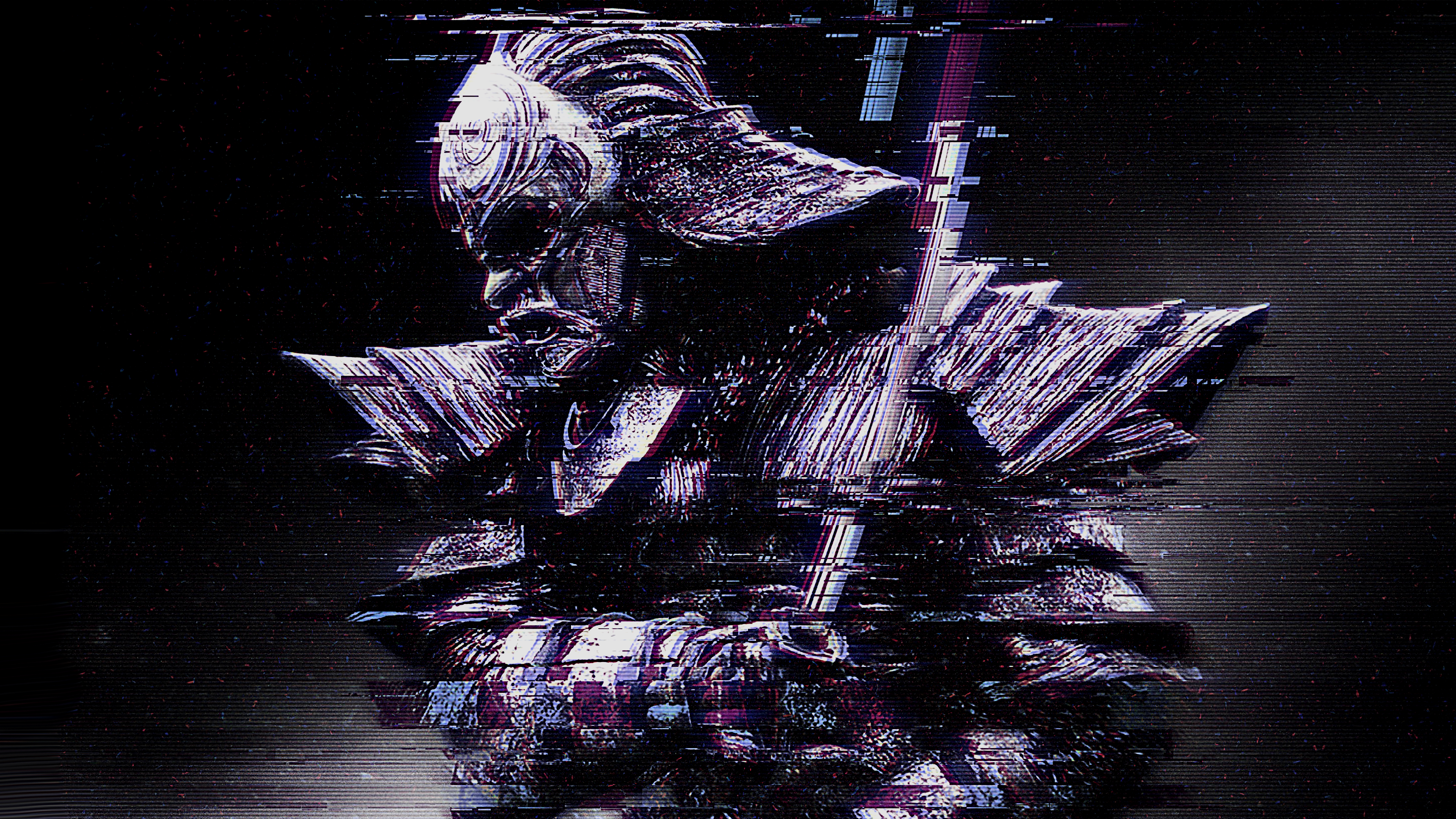
25. Dark Souls (2011) – Made punishing design and indirect storytelling commercially viable

Failure used to be treated like a wall between the player and the fun. Dark Souls reframed it as the whole point of the experience, making repetition, caution, and gradual mastery feel thrilling instead of frustrating. Its combat rhythm, environmental storytelling, and refusal to over-explain anything changed how developers talked about challenge, trust, and player discovery. That influence spread so widely that the industry ended up naming a whole subgenre after the series. Even games that have nothing to do with knights or curses still borrow its structure of tension, risk, and reward. | © FromSoftware

Fortnite

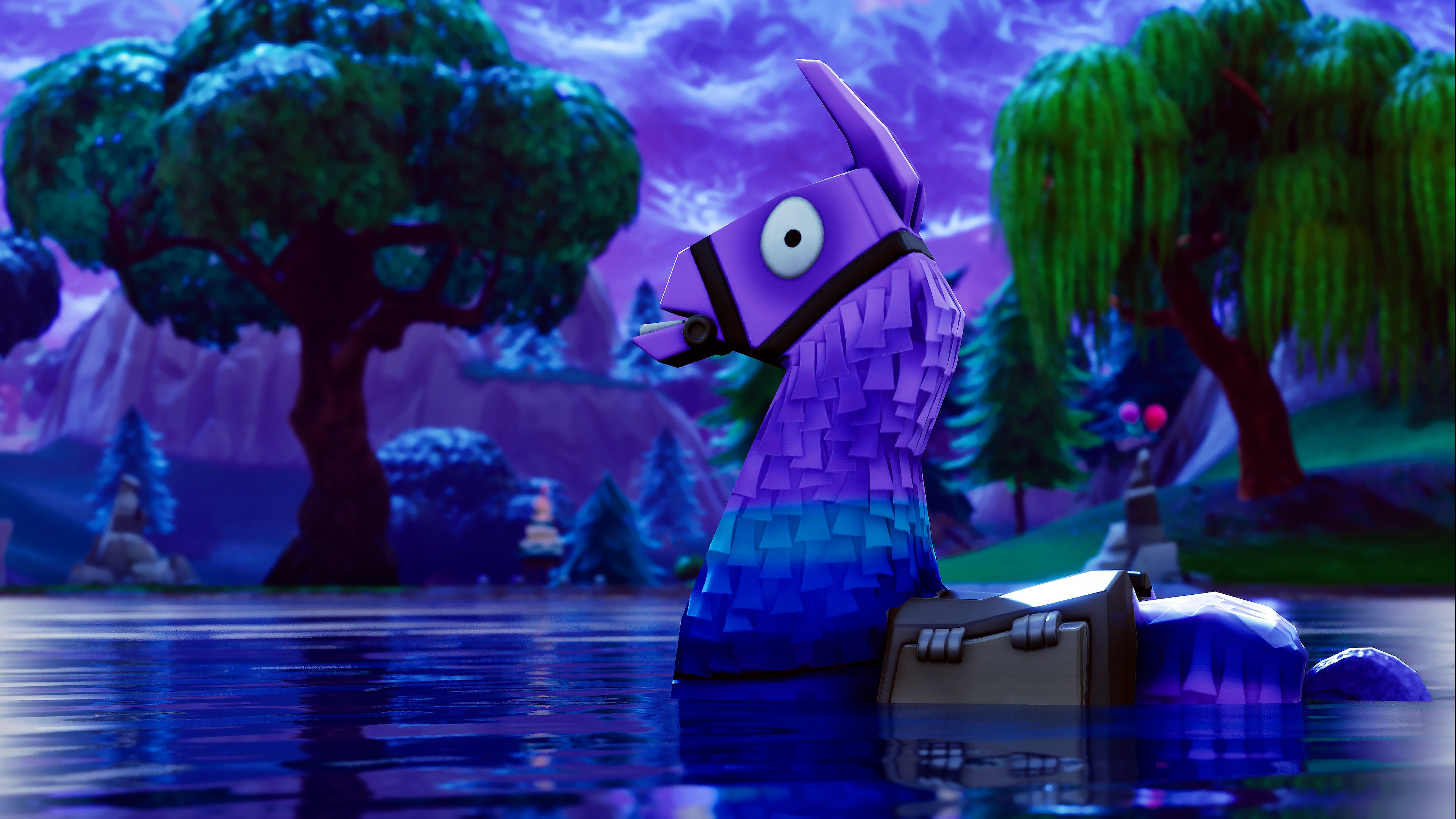
24. Fortnite (2017) – Turned live-service games into seasonal entertainment platforms

Epic did not just find a hit with Fortnite; it found a format the rest of the business could not stop copying. Seasons, constant map changes, crossover skins, and giant in-game spectacles helped turn a multiplayer shooter into a place people kept returning to even when they were not chasing wins. The battle pass structure gave publishers a cleaner, stickier way to think about recurring revenue without relying only on boxed sales or expansion packs. More importantly, it pushed the idea that a game could function like an always-on media platform, reacting to culture in real time. | © Epic Games

The elder scrolls 4 oblivion treyler video 32589

23. The Elder Scrolls IV: Oblivion (2006) – Helped define the modern open-world RPG and DLC era

Stepping out of the sewers into Cyrodiil felt like a promise about where big-budget RPGs were headed. Bethesda made scale, freedom, voiced questing, and player wandering feel luxurious in a way that many studios spent years trying to recreate. Oblivion also became part of another industry shift for less romantic reasons, because its post-launch add-ons, especially the infamous Horse Armor pack, helped drag paid DLC and microtransaction arguments into the mainstream. That combination of ambition and monetization made it impossible to ignore. The game changed how studios built worlds and how they thought about selling more of them afterward. | © Bethesda Game Studios

Mortal Kombat

22. Mortal Kombat (1992) – Forced the industry to confront violence, controversy, and ratings

Arcades already had fighting games, but Mortal Kombat hit popular culture with a different kind of force. The digitized actors, the blood, and the Fatalities made it feel dangerous in a way rival games did not, which was exactly why people could not stop talking about it. That attention eventually spilled into U.S. Senate hearings, where the panic around violent games helped push the industry toward a formal ratings system. In other words, this was not just a hit; it was a turning point in how games were publicly judged and regulated. One cabinet full of gore left a mark far beyond the arcade floor. | © Midway Games

The Legend Of Zelda

21. The Legend of Zelda (1986) – Showed console adventures could feel vast, secretive, and personal

Before sprawling console adventures became normal, Nintendo released a game that trusted players to get lost on purpose. Hidden caves, cryptic routes, and a world that rewarded curiosity made The Legend of Zelda feel larger than the hardware it lived on. Its battery-backed save function also mattered more than people sometimes remember, because it let players treat a console quest like an ongoing journey instead of a one-sitting stunt. That sense of persistence changed expectations. Designers kept chasing that blend of freedom, mystery, and ownership for decades afterward. | © Nintendo

The Sims

20. The Sims (2000) – Proved everyday life could be blockbuster game material

Not every industry-changing game arrives with boss fights and explosions. The Sims took routines, relationships, furniture, jobs, and domestic disasters and turned them into a phenomenon large enough to pull new audiences into gaming. Players were no longer just following a designer’s objective list; they were making stories, projecting personalities, and treating the game like a sandbox for self-expression. That shift widened the commercial imagination of the business. The success of Maxis’ life sim told publishers that people would absolutely buy games built around creativity, observation, and chaos in a suburban kitchen. | © Maxis

Call of Duty 4 Modern Warfare All Ghillied Up

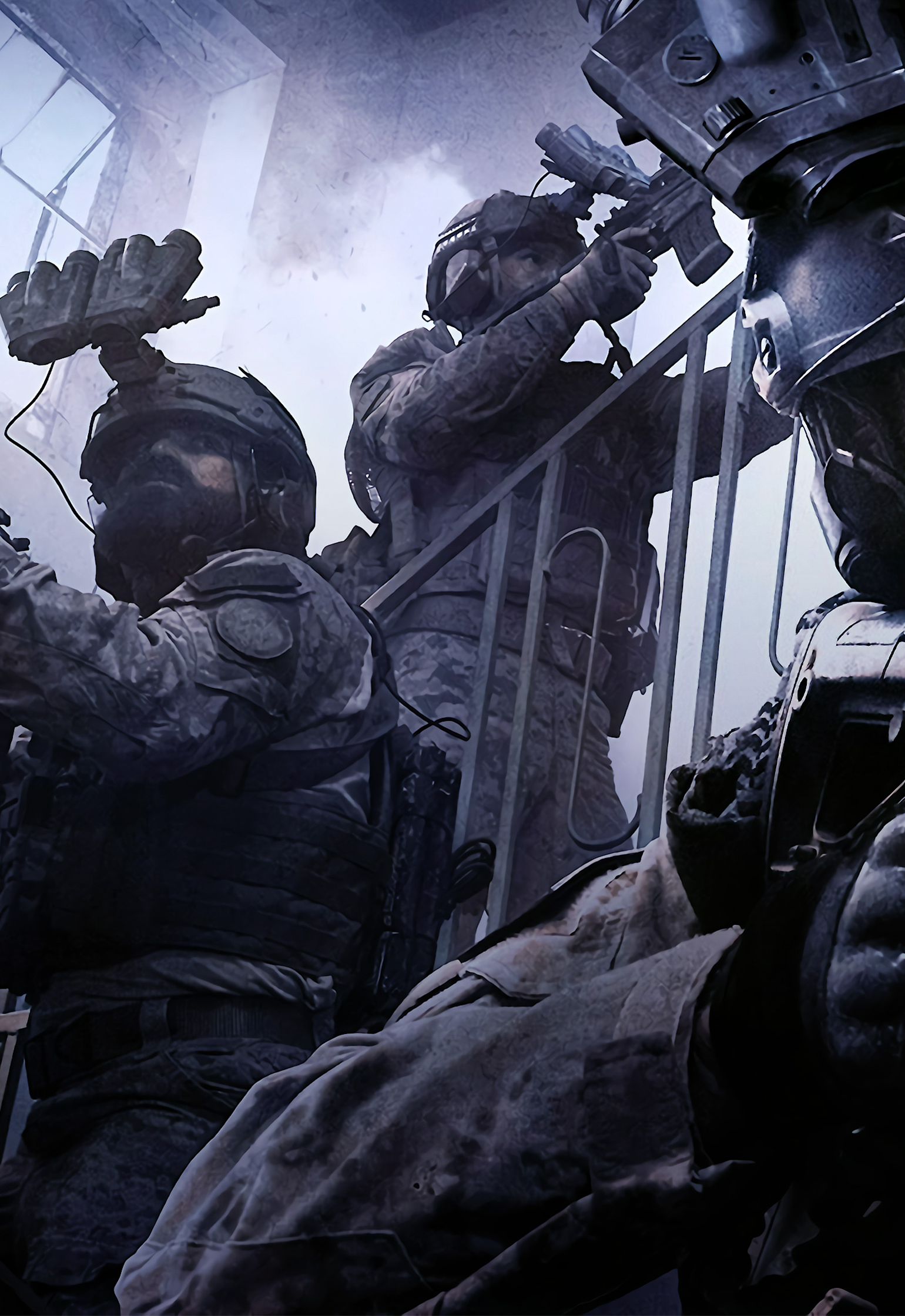
19. Call of Duty 4: Modern Warfare (2007) – Rewrote the rules for online shooter progression

Military shooters existed before Call of Duty 4: Modern Warfare, but they did not dominate online culture in quite this way. Infinity Ward fused fast, polished gunplay with persistent XP, perk loadouts, weapon unlocks, camo grinds, and Prestige mode, creating a multiplayer reward loop that countless shooters copied almost immediately. The campaign mattered too, with its modern setting and blockbuster pacing, but the larger shockwave came from how addictive the online structure was. After this, players expected progression systems to be part of the package. Publishers noticed just as quickly as the audience did. | © Infinity Ward

Super Mario 64

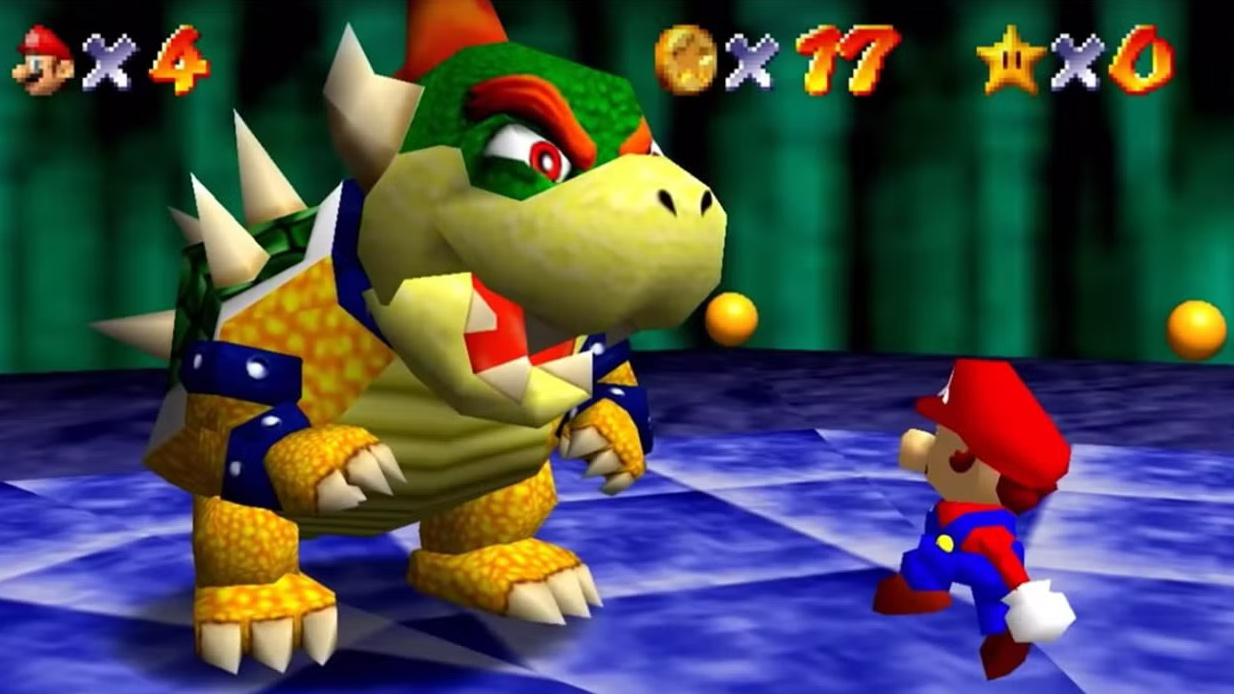
18. Super Mario 64 (1996) – Gave 3D games a control language the industry could actually use

The move from 2D to 3D could have broken platformers for years, and then Nintendo solved the problem in one swing. With camera control, analog movement, acrobatic depth, and spaces designed around real exploration rather than flat stage logic, Super Mario 64 taught players how to read and move through 3D worlds. It also taught developers how to build them. That is why the game still feels bigger than its genre label. So much of what later action and platform games considered standard began to make sense here, stick in hand, with Mario leaping across a castle foyer. | © Nintendo

Wii Sports

17. Wii Sports (2006) – Opened gaming to people who never cared about controllers

You did not need years of controller literacy to understand what Wii Sports was asking from you. Swing, bowl, punch, serve, and suddenly grandparents, kids, party guests, and lapsed players were all in the same room participating in games that felt instantly legible. That accessibility helped define the Wii era and pushed the industry to take broader audiences more seriously. It was also a showcase for motion controls done in the simplest possible language. Nintendo turned hardware novelty into a social event, and the rest of the market spent years trying to recreate that magic. | © Nintendo

Metal Gear Solid

16. Metal Gear Solid (1998) – Brought cinematic direction and stealth to the center of console gaming

Plenty of games told stories before Metal Gear Solid, but very few directed themselves with this much confidence. Hideo Kojima’s thriller blended voice acting, camera work, radio chatter, set-piece boss fights, and stealth mechanics into something that felt closer to a tense espionage film than a conventional action game. Its influence spread in two directions at once: one path led to stealth becoming a more visible commercial genre, and the other led to console blockbusters chasing more dramatic presentation. Even now, you can trace parts of modern AAA storytelling grammar back to Shadow Moses. | © Konami

Tetris

15. Tetris (1984) – Proved pure game design could travel across every market and machine

A handful of falling blocks accomplished something publishers with giant budgets still struggle to pull off: instant universal understanding. Tetris crossed language, age, platform, and even political boundaries because its appeal was mechanical at the deepest level, clean enough to be grasped in seconds and endless enough to stay compelling for years. It helped cement the idea that a game did not need spectacle or narrative to become culturally massive. It just needed perfect rules. Few releases have done more to prove that gameplay itself can be the star. | © SEGA

Ranking Every Final Fantasy Game Final Fantasy 7

14. Final Fantasy VII (1997) – Turned the cinematic RPG into a global console event

Square did not merely release a successful RPG with Final Fantasy VII; it changed the scale of what the genre looked like on consoles. Pre-rendered backgrounds, lavish cutscenes, CD-ROM scope, and an aggressive Western marketing push made the game feel like a major event instead of a niche import for genre diehards. It also helped push Japanese role-playing games much further into the mainstream outside Japan. That broader cultural reach mattered just as much as the technology. After this, publishers had a harder time pretending story-heavy RPGs were only for a small, dedicated corner of the audience. | © Square

Bio Shock

13. BioShock (2007) – Showed blockbuster shooters could be philosophical, atmospheric, and authorial

The first descent into Rapture felt like a warning shot for the industry. BioShock arrived as a shooter, but it carried itself like something stranger and more ambitious, mixing combat with atmosphere, ideological critique, audio-log storytelling, and one of the most famous twists of its generation. That blend helped legitimize the idea that big commercial games could still have a strong point of view. Players wanted mechanics, yes, but they also wanted places that felt authored and unsettling. In that sense, BioShock pushed the blockbuster space toward richer world-building and bolder narrative identity. | © 2K

Farmville

12. FarmVille (2009) – Turned social graphs, retention loops, and analytics into core business tools

A lot of modern digital habits look less surprising once you remember what FarmVille normalized. Zynga built a phenomenon around short play sessions, timed returns, social nudges, and relentless data tracking, then watched it spread across Facebook at a scale few games had ever touched. The crops were the surface; the real revolution was underneath, in the retention design and viral structure. That approach influenced not just later games, but broader app culture as well. Plenty of people who never called themselves gamers still spent part of their day managing a farm, and the industry learned a lot from that. | © Zynga

CHRONO TRIGGER

11. Chrono Trigger (1995) – Made replay value, multiple endings, and pacing feel elegant rather than bloated

Instead of stuffing itself with filler, Chrono Trigger kept moving. The game’s time-travel structure, multiple endings, and New Game Plus gave players reasons to revisit it without making the first run feel incomplete, which was a remarkably graceful trick for its era. Its development pedigree also mattered, because Square’s so-called Dream Team helped turn it into a prestige RPG before that label really carried modern meaning. Yet the lasting influence comes from design discipline. Chrono Trigger proved that complexity and momentum did not have to fight each other. | © Square

Crash Bandicoot

10. Crash Bandicoot (1996) – Helped give the PlayStation a mascot and a 3D platform identity

Sony needed a face in the mascot-war era, and Naughty Dog gave it one with a grin, sneakers, and a lot of broken crates. What made Crash Bandicoot especially important was not just the character, but the way it handled 3D movement through narrow, highly directed spaces that kept the action readable and fast. That corridor-style design became a practical answer to the question many studios were still struggling with: how do you make 3D platforming feel controlled instead of messy? For the original PlayStation, this was branding and design evolution in the same package. | © Naughty Dog

Star Fox

9. Star Fox (1993) – Brought polygonal console graphics into the living room

Console 3D did not arrive in one dramatic moment, but Star Fox was one of the clearest signals that something major had changed. Powered by the Super FX chip, Nintendo’s rail shooter made polygonal visuals part of the home-console conversation long before fully 3D gaming became standard. The technical leap mattered, but so did the confidence behind it. This was a platform holder using a first-party release to show that hardware tricks could reshape what players expected from a machine. Plenty of later console showcases owe something to that early act of ambition. | © Nintendo

Street Fighter II

8. Street Fighter II (1991) – Defined competitive fighting games as we know them

Ask enough developers and players where modern fighting game culture really took shape, and Street Fighter II will keep coming up. Capcom refined the one-on-one formula into something sharp, character-driven, and endlessly replayable, with matchups and mastery becoming part of the appeal rather than a side effect. Arcades were transformed by that design. Crowds formed, rivalries hardened, cabinets earned relentlessly, and the language of the genre became much clearer to everyone watching. Long before esports became a corporate buzzword, Street Fighter II had already shown what organized competitive obsession looked like. | © Capcom

Quake

7. Quake (1996) – Pushed shooters into true 3D, online play, and mod culture

Quake did not just extend the shooter boom; it re-engineered its future. Id Software pushed the genre further into true 3D space, gave multiplayer a more durable technical foundation, and embraced a mod-friendly culture that allowed players to start reshaping the experience for themselves. That openness mattered enormously. Competitive scenes, custom maps, total conversions, and even future careers grew out of communities that formed around games like this. If Doom blew the doors open, Quake helped wire the whole building, making the PC shooter space feel faster, more flexible, and more communal. | © id Software

Pong

6. Pong (1972) – Proved video games could become a mass-market business

Strip away the history and the mythology, and the genius of Pong is still obvious: two paddles, one ball, instant tension. That simplicity helped Atari turn a training exercise into one of the earliest great commercial success stories in the medium, proving that interactive electronic entertainment could make real money outside laboratories and novelty circles. A lot of later industry growth rests on that proof of concept. It showed operators, investors, and competitors that people would line up to play a screen-based game for fun, over and over again. The rest of the business followed that sound of the ball bouncing back. | © Atari

Grand Theft Auto III

5. Grand Theft Auto III (2001) – Made the 3D open world the industry’s favorite playground

Once Liberty City became fully explorable in Grand Theft Auto III, open worlds stopped being a novelty and started feeling like the future. Rockstar gave players a city that was not just a backdrop for missions but a toy box of movement, radio satire, incidental chaos, and criminal possibility. Countless studios spent the next two decades building variations on that idea, whether in crime games, superhero games, RPGs, or action adventures. The real shift was freedom. Players were no longer just progressing through content; they were inhabiting a system and testing what it would let them get away with. | © Rockstar North

World of Warcraft

4. World of Warcraft (2004) – Turned the MMO from a niche obsession into a global routine

Massively multiplayer worlds existed before Blizzard arrived, but World of Warcraft made the format legible to a far larger audience. Better onboarding, a smoother quest structure, cleaner art direction, and a sense of constant social presence helped it become the genre’s defining giant. Its subscription success also proved that a game could become an ongoing service with a dependable long-term relationship to its audience. Guilds, raids, auction houses, expansions, daily play habits, all of that entered mainstream gaming vocabulary through a much wider door because of this release. Azeroth did not just attract players; it trained the market. | © Blizzard Entertainment

Doom

3. Doom (1993) – Popularized the FPS, shareware distribution, and a culture of modding

Before publishers built giant hype machines around shooters, Doom spread with the force of something half-forbidden and impossible to ignore. Id Software’s release sharpened the first-person formula, embraced shareware distribution in a way that supercharged its reach, and gave players a framework that was unusually open to modification. That mattered because communities did not just consume Doom; they expanded it. Multiplayer slang, custom levels, technical benchmarking, office installs, and decades of fan work all helped turn the game into more than a hit. It became a living blueprint for how PC shooters could circulate and evolve. | © id Software

Baldurs Gate 3

2. Baldur’s Gate 3 (2023) – Reasserted the commercial power of dense, choice-driven single-player RPGs

In a market that often talks itself into safer design, Baldur’s Gate 3 succeeded by being bigger, stranger, and more reactive than many publishers seemed willing to believe was practical. Larian used years of early access feedback to shape a massive RPG built around player agency, turn-based systems, strong performances, and consequences that actually felt authored rather than cosmetic. Its awards run and mainstream reach sent a loud message across the business. Audiences were still hungry for deep single-player role-playing games with patience, complexity, and confidence. The genre did not need to simplify itself to matter in the blockbuster conversation. | © Larian Studios

Minecraft

1. Minecraft (2011) – Turned player creativity into one of the most powerful forces in gaming

No other giant in the medium has looked quite like Minecraft. Mojang built a blockbuster around tools, systems, and possibility, then watched players turn it into survival game, building toy, social platform, educational tool, streaming staple, and endless source of mods and custom worlds. That elasticity changed how the industry thought about authorship. The developer set the rules, but the audience generated a huge share of the culture, stories, and long-tail relevance. It also helped legitimize the path from early public development to global phenomenon. Entire businesses now chase the kind of open-ended lifespan Minecraft made feel natural. | © Mojang Studios

1-25

Gaming did not become a global force through neat, gradual progress. It jumped forward whenever a hit landed with ideas too big, too smart, or too commercially explosive for the rest of the business to ignore.

After that, the copycats came fast. Studios reworked their priorities, genres took new shape, and player expectations shifted almost overnight. These 25 video games did more than succeed – they changed what the industry believed was possible.

  • Facebook X Reddit WhatsApp Copy URL

Gaming did not become a global force through neat, gradual progress. It jumped forward whenever a hit landed with ideas too big, too smart, or too commercially explosive for the rest of the business to ignore.

After that, the copycats came fast. Studios reworked their priorities, genres took new shape, and player expectations shifted almost overnight. These 25 video games did more than succeed – they changed what the industry believed was possible.

Related News

More
Killers of the Flower Moon
Entertainment
15 of Leonardo DiCaprio's Most Iconic Roles in Photos
Scarface The World Is Yours 2006
Gaming
15 Movies That Got a Sequel as a Video Game
Cyberpunk 2077
Gaming
15 Video Games That Had Terrible Launches But Made Brilliant Comebacks
Freddie Got Fingered
TV Shows & Movies
15 Films With Absolutely Zero Flashbacks or Flash-Forwards
Cropped the house that jack built 2018
TV Shows & Movies
15 Most Unique Movies Since 2000
Once Upon a Time in Hollywood
Entertainment
15 of Sydney Sweeney's Most Memorable Roles in Photos
Dead Space
Gaming
15 Horror Games That Are Actually Scary
Jim Carrey
Entertainment
15 Famous Celebrities Who Are Obsessed With Pro Wrestling
The Game 1997
TV Shows & Movies
15 Movies That Will Keep You Hooked From Start To Finish
Deadpool and wolverine hes right behind me
Entertainment
15 Movies That Use the “He’s Right Behind Me, Isn’t He?” Gag
Star Wars The Last Jedi
TV Shows & Movies
15 Movies Made Purely to Push an Agenda
Pirates of the Caribbean Dead Mans Chest 2006 cgi
Entertainment
15 Movies With Old CGI That Still Look Amazing
  • All Gaming
  • Videos
  • News
  • Home

Subscribe to our Newsletter

Sign up for selected EarlyGame highlights, opinions and much more

About Us

Discover the world of esports and video games. Stay up to date with news, opinion, tips, tricks and reviews.
More insights about us? Click here!

Links

  • Affiliate Links
  • Privacy Policy
  • Impressum and Disclaimer
  • Advertising Policy
  • Our Editorial Policy
  • About Us
  • Authors
  • Ownership

Partners

  • Kicker Logo
  • Efg esl logo
  • Euronics logo
  • Porsche logo
  • Razer logo

Charity Partner

  • Laureus sport for good horizontal logo

Games

  • Gaming
  • Entertainment
  • Creators
  • TV Shows & Movies
  • EA FC
  • Fortnite
  • League of Legends
  • Codes
  • Mobile Gaming
  • Videos
  • Call of Duty
  • Rocket League
  • APEX
  • Reviews
  • Galleries
  • News
  • Your Future

Links

  • Affiliate Links
  • Privacy Policy
  • Impressum and Disclaimer
  • Advertising Policy
  • Our Editorial Policy
  • About Us
  • Authors
  • Ownership
  • Copyright 2026 © eSports Media GmbH®
  • Privacy Policy
  • Impressum and Disclaimer
  • Update Privacy Settings
English
English
  • English
  • German
  • Spanish
  • EarlyGame india