














Some games just never stood a chance. These are the releases that crashed and burned the moment they hit shelves – hyped one day, forgotten the next. The stories behind them are equal parts tragic, hilarious, and kind of hard to look away from.
Some games don’t just stumble out of the gate – they vanish. A bad first impression, a broken build, a controversial design choice, or a launch-week disaster can kill momentum so fast that even big studios can’t spin it back. That’s what this list is about: releases that looked like they had a shot, then flatlined almost immediately.
We’ll break down the launches that lost the room immediately, from multiplayer hopefuls that couldn’t keep a crowd to big-name projects that got written off before word of mouth could even form. And when you’re done with this batch, keep the streak going with part 2 of Video Games That Died Instantly After Release.
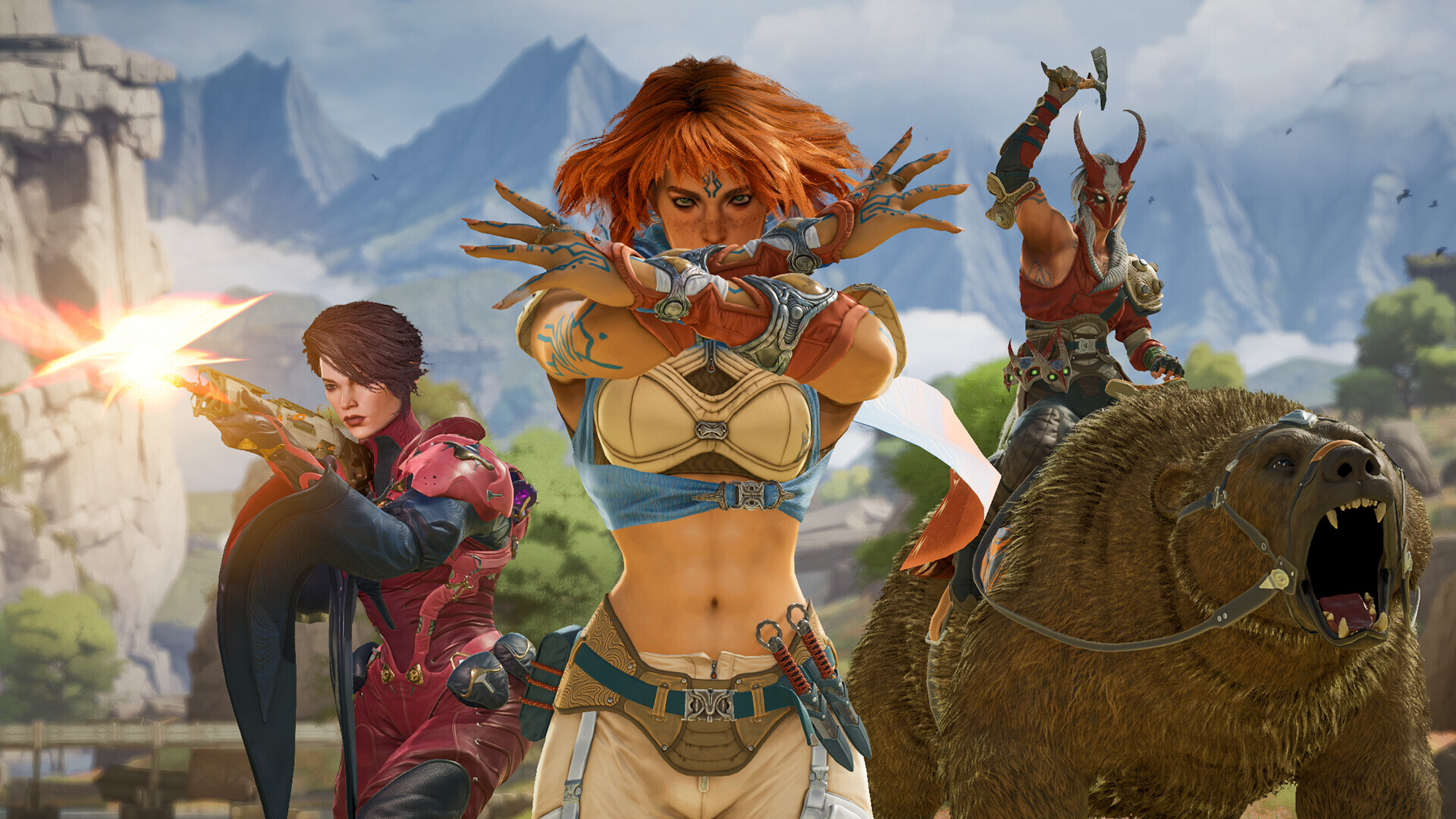
Highguard (2026)
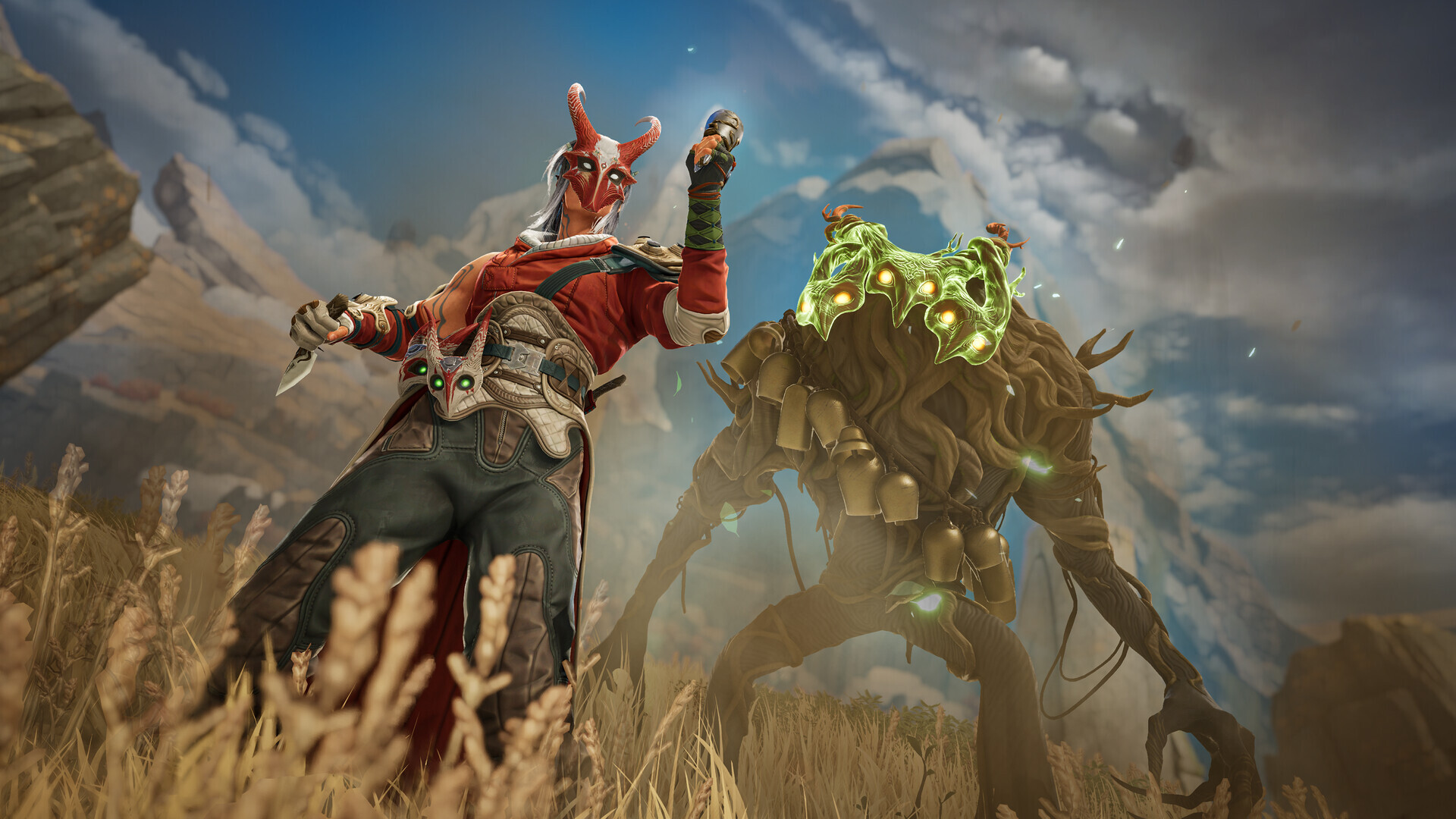
The Game Awards reveal was supposed to be a victory lap, but the internet decided it was open season instead – people immediately started calling it “Concord 2,” and the nickname stuck like gum on a shoe. Once Highguard actually launched, it didn’t get the redemption arc; it got the player-count cliff. Even after scrambling to tweak modes and add a more traditional team setup, the first impression never loosened its grip, and the conversation stayed locked on “why does this exist?” The cruel punchline is how fast the business reality hit: within weeks, Wildlight was reportedly cutting a huge chunk of staff, which is basically the loudest possible siren that the launch didn’t land.
MindsEye (2025)
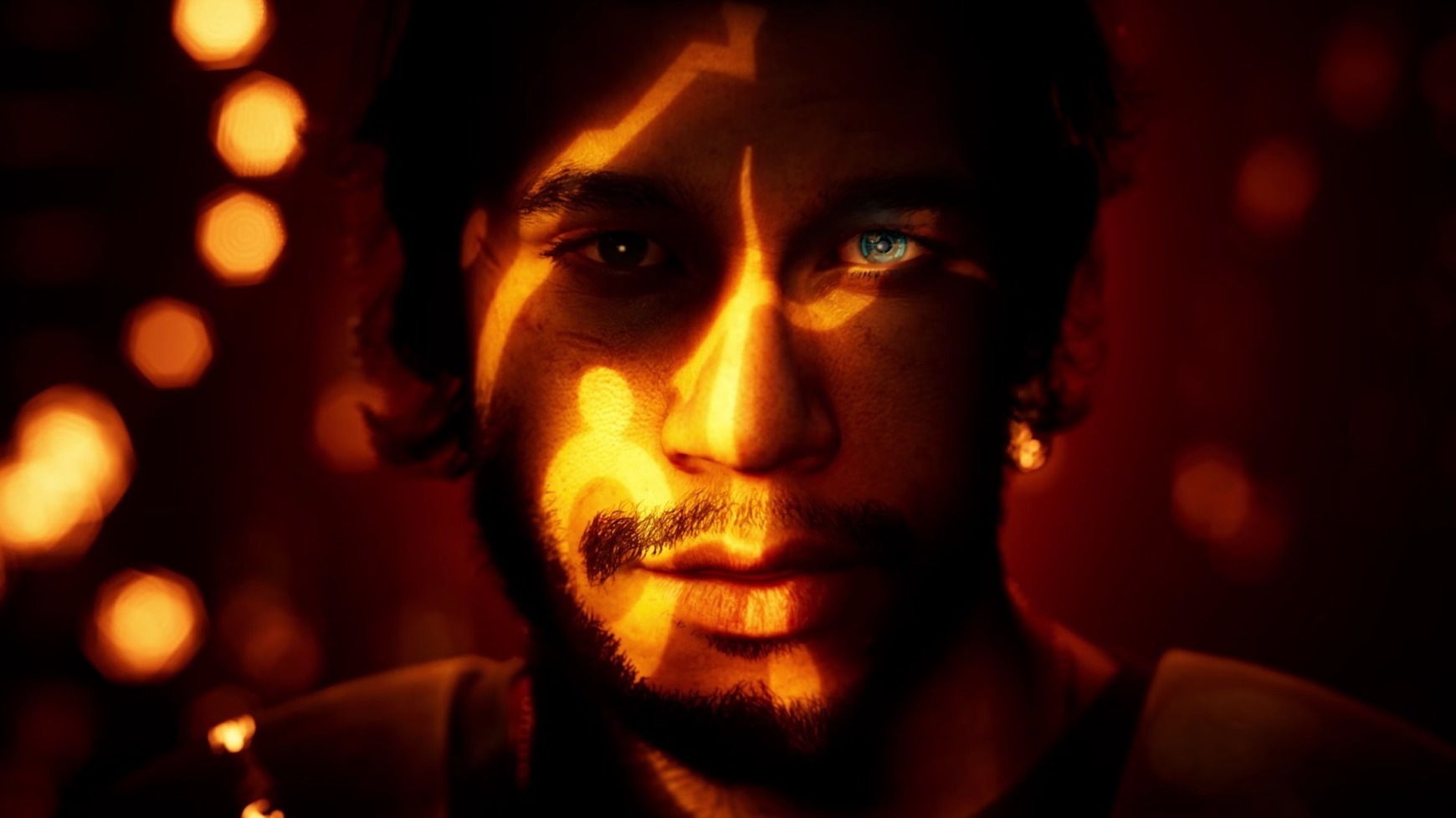
If you went in hoping for a slick, story-driven sci-fi thriller, the premise almost tricks you into optimism: a former soldier named Jacob Diaz, a mysterious neural implant, and a flashy desert metropolis that wants to swallow him whole. Then MindsEye starts running, and you realize the real antagonist is the game itself – performance problems, bugs, and that unfinished feeling that turns every cool idea into a “maybe later.” The studio pedigree didn’t help either; Build A Rocket Boy (founded by ex-GTA producer Leslie Benzies) arrived with big expectations and ate the backlash when the launch didn’t meet them. When refunds and layoff reports become part of the game’s identity, the mystery is no longer the plot – it’s how this shipped.
Splitgate 2 (2025)
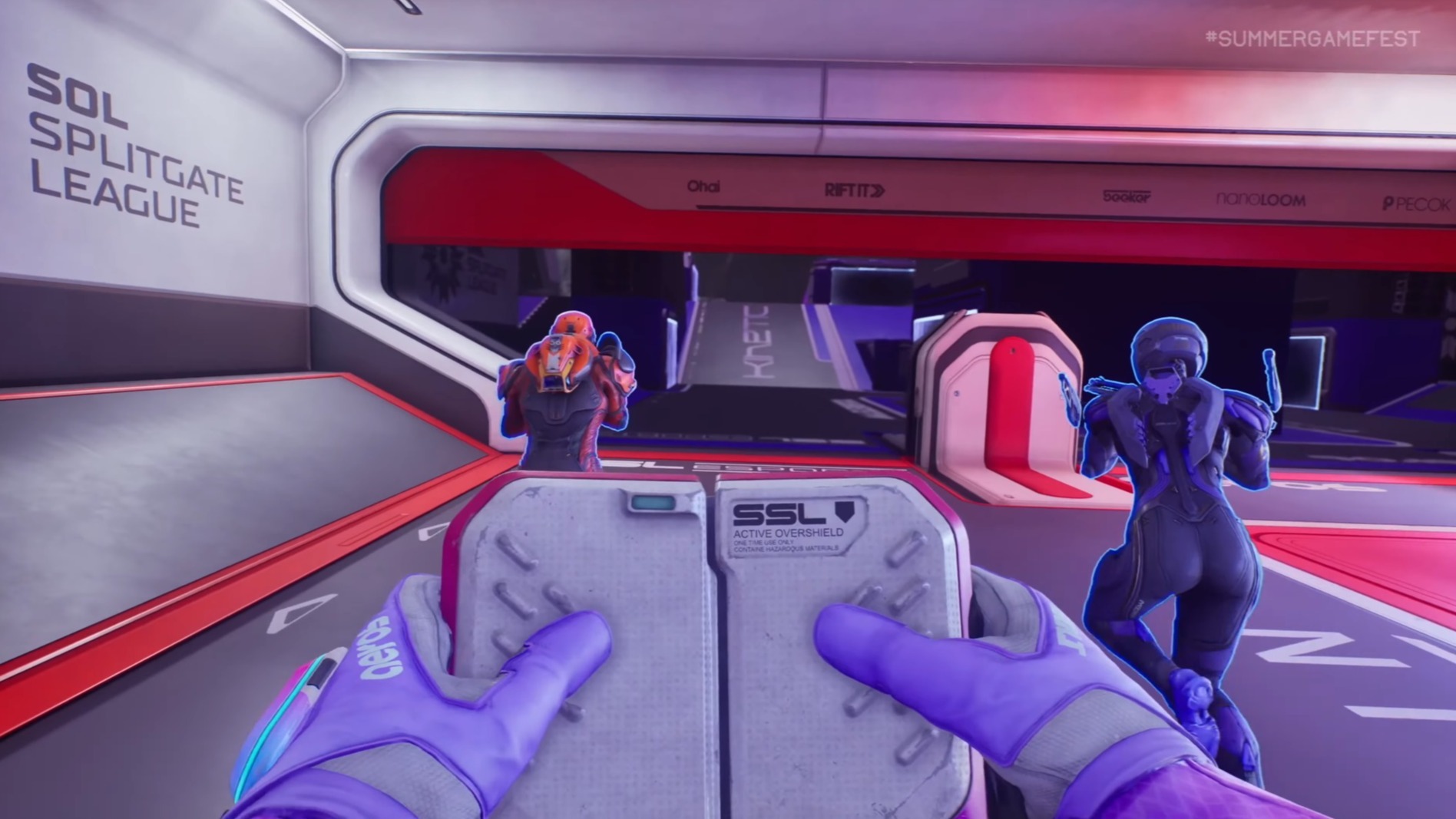
Portals are the kind of gimmick that makes even mediocre gunplay look smarter, so the sequel had one job: keep the chaos snappy and the matches addicting. Instead, Splitgate 2 stumbled so hard out of the gate that the studio basically hit the emergency stop and “unlaunched” it – the rare modern multiplayer move where the best fix is admitting you released it too early. That’s not a patch plan; that’s a do-over with bruised trust. Add the layoffs at 1047 Games and the PR self-owns surrounding the launch window, and it starts feeling less like a bold comeback and more like a public beta that accidentally charged admission. The original had momentum; the sequel spent its first weeks explaining itself.
Concord (2024)
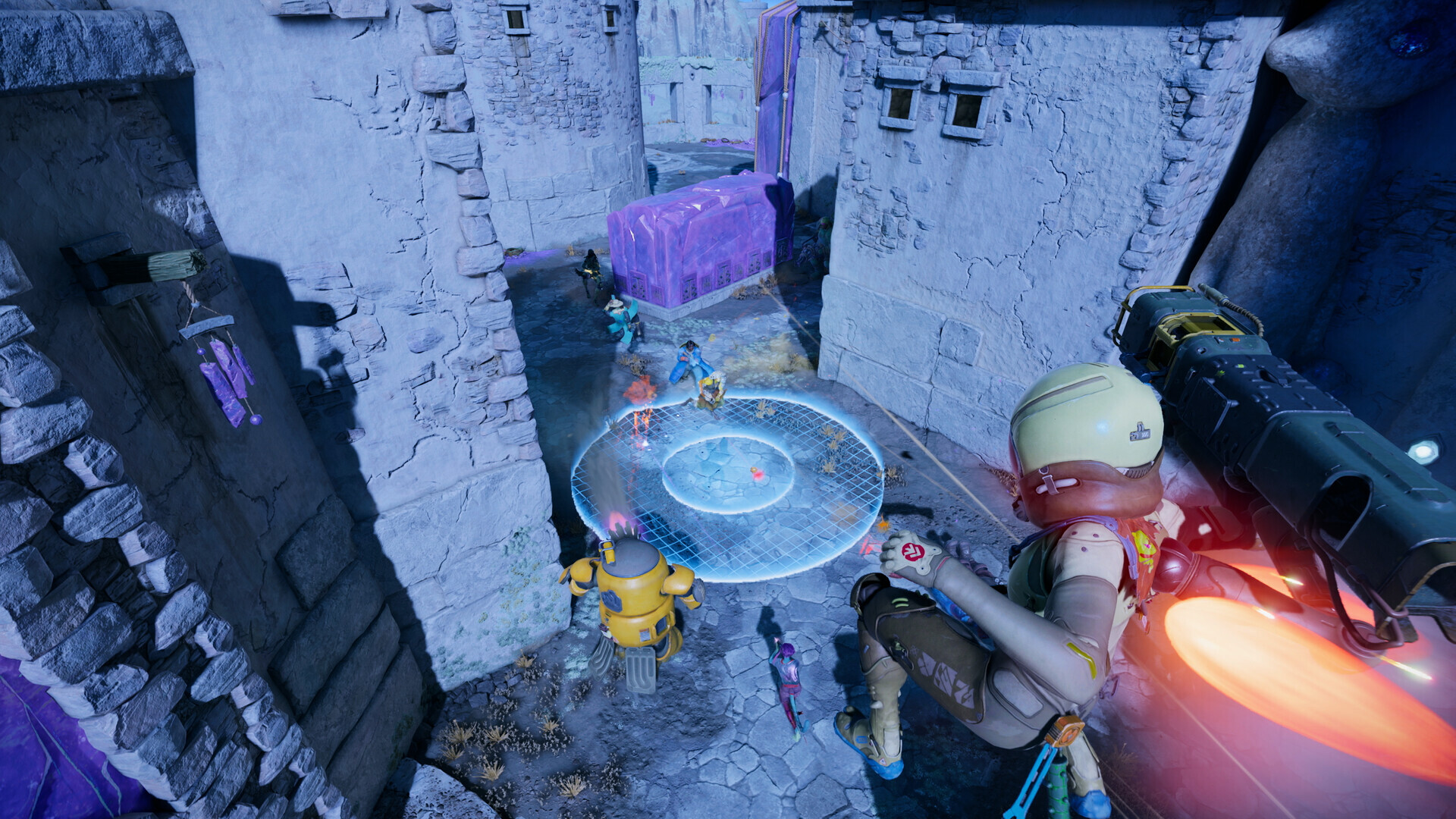
Charging full price for an online hero shooter is already a daring bet, because the competition is stacked with games that cost nothing to try and give you ten reasons to keep logging in. It didn’t bring that kind of urgency. The characters and gunplay weren’t enough to create a “you had to be there” moment, and without that, the player base evaporated at a terrifying speed. Sony’s response for Concord was as blunt as it gets: pull it from sale, offer refunds, and take the servers offline barely two weeks after launch. That’s not “we’ll fix it next season,” that’s “this isn’t happening.” The post-mortem got even harsher when Firewalk Studios was later shut down, turning one failed launch into a full-stop cautionary tale.
Star Wars Outlaws (2024)
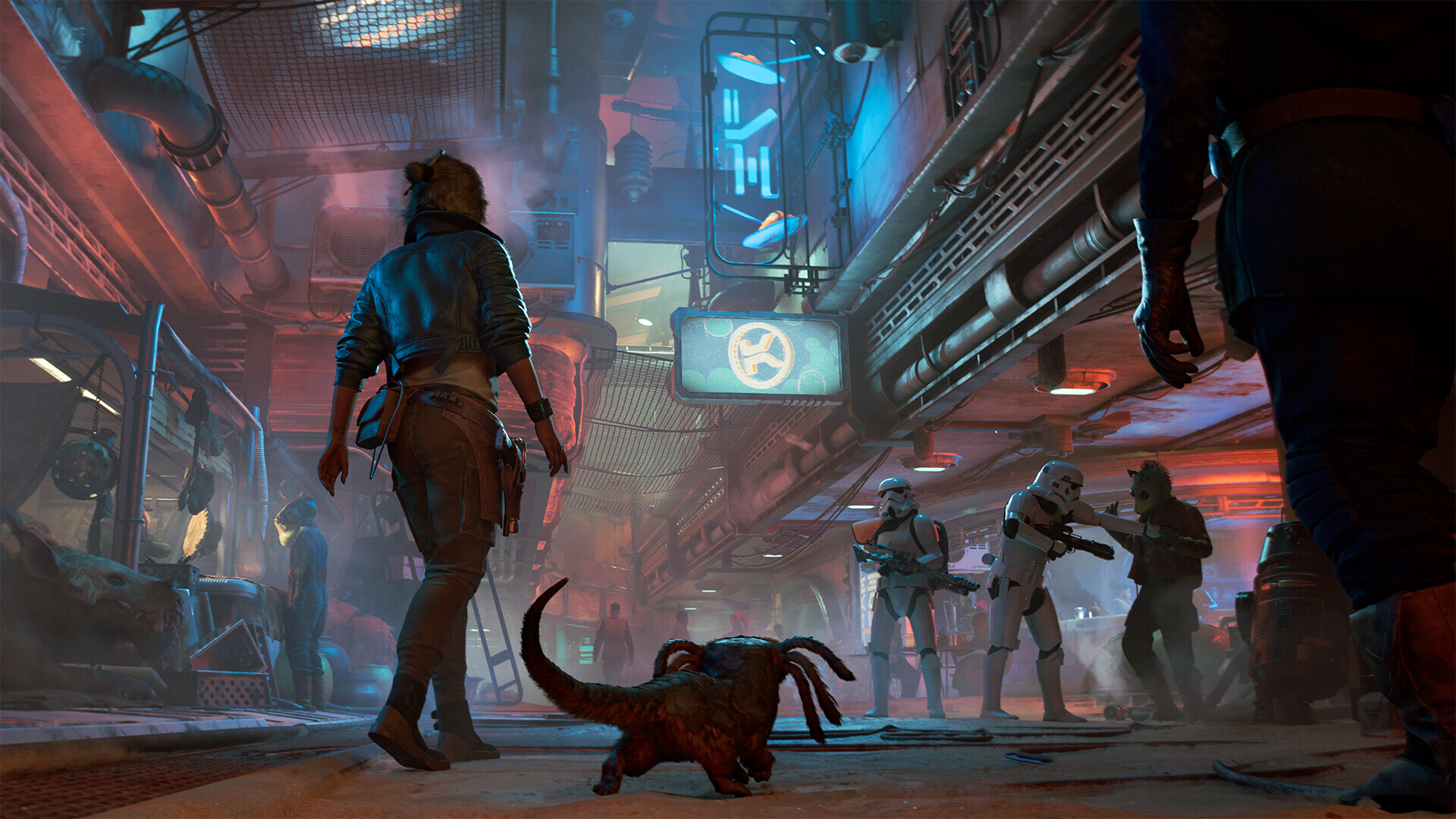
A galaxy-sized license doesn’t protect you from a rough first week, especially when players show up expecting smooth stealth, smart AI, and that “I’m really living in Star Wars” feeling. The open-world fantasy is genuinely appealing – scoundrel vibes, underworld factions, and a big playground – but the launch conversation tilted hard toward frustration instead of hype. Ubisoft ended up pushing notable tweaks and fixes pretty quickly (including changes around the game’s more polarizing stealth/instant-fail moments), which is never the headline you want for a blockbuster release. When sales talk turns into “softer than expected,” momentum dies even if Star Wars Outlaws keeps getting patched, and that’s exactly the kind of quiet stall that looks like a flop from the outside.
Skull & Bones (2024)
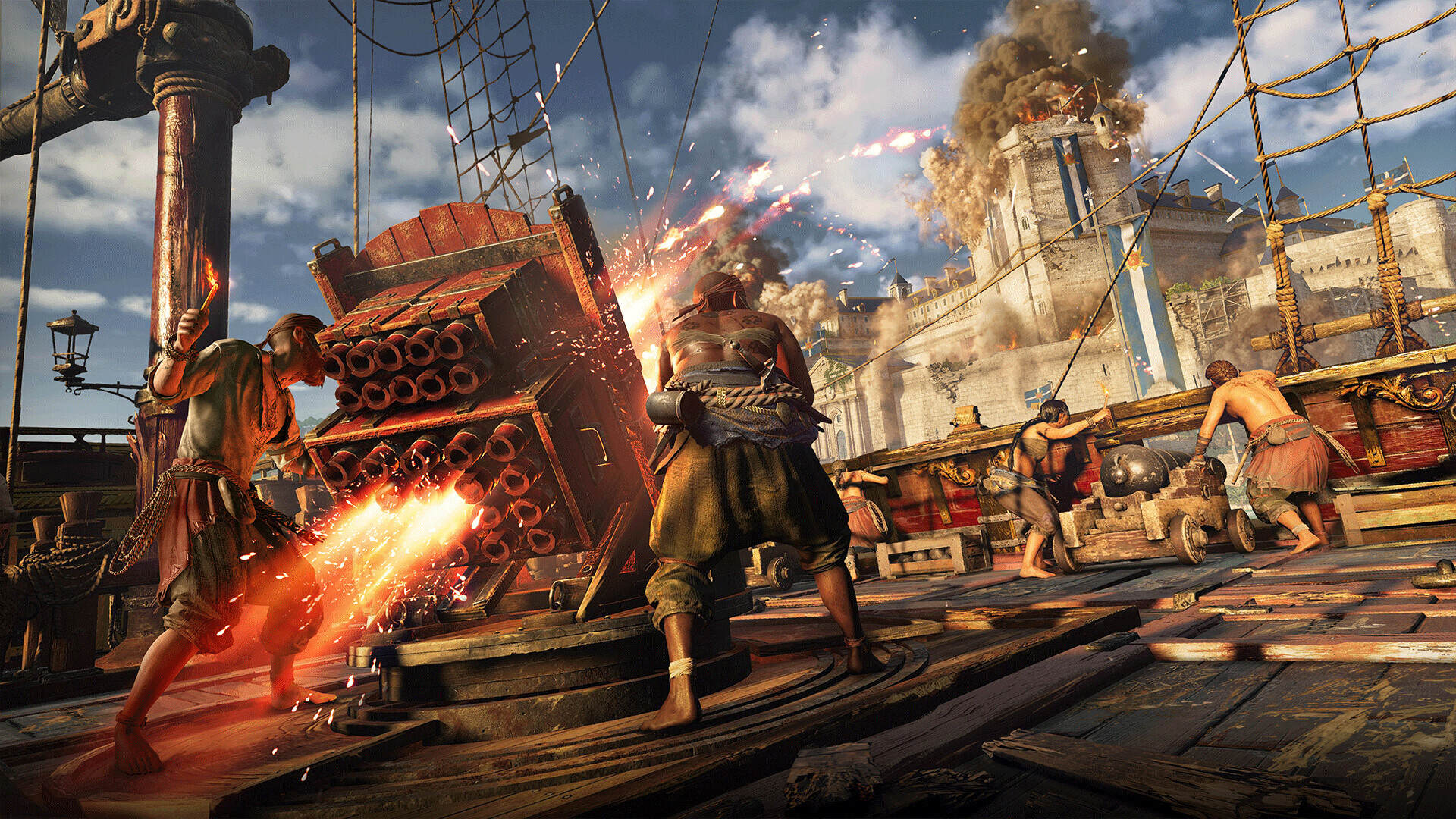
Some games don’t fail because they’re unplayable – they fail because they’re unbelievably late to their own party. After years of delays and big promises, Ubisoft finally shipped the pirate sandbox it kept teasing… and the reaction was basically, “Wait, that’s it?” The “AAAA” swagger around pricing didn’t help, because Skull & Bones landed with an identity crisis: not sim enough to satisfy the naval-nerd crowd, not wild enough to compete with the live-service chaos it clearly wanted to be. Player chatter quickly narrowed into memes, shallow endgame complaints, and the dreaded early discounts, which is the commercial equivalent of blinking twice because you know you overshot. And yet, even with ongoing updates, it still carries that stink of a launch that burned its best chance.
Suicide Squad: Kill the Justice League (2024)
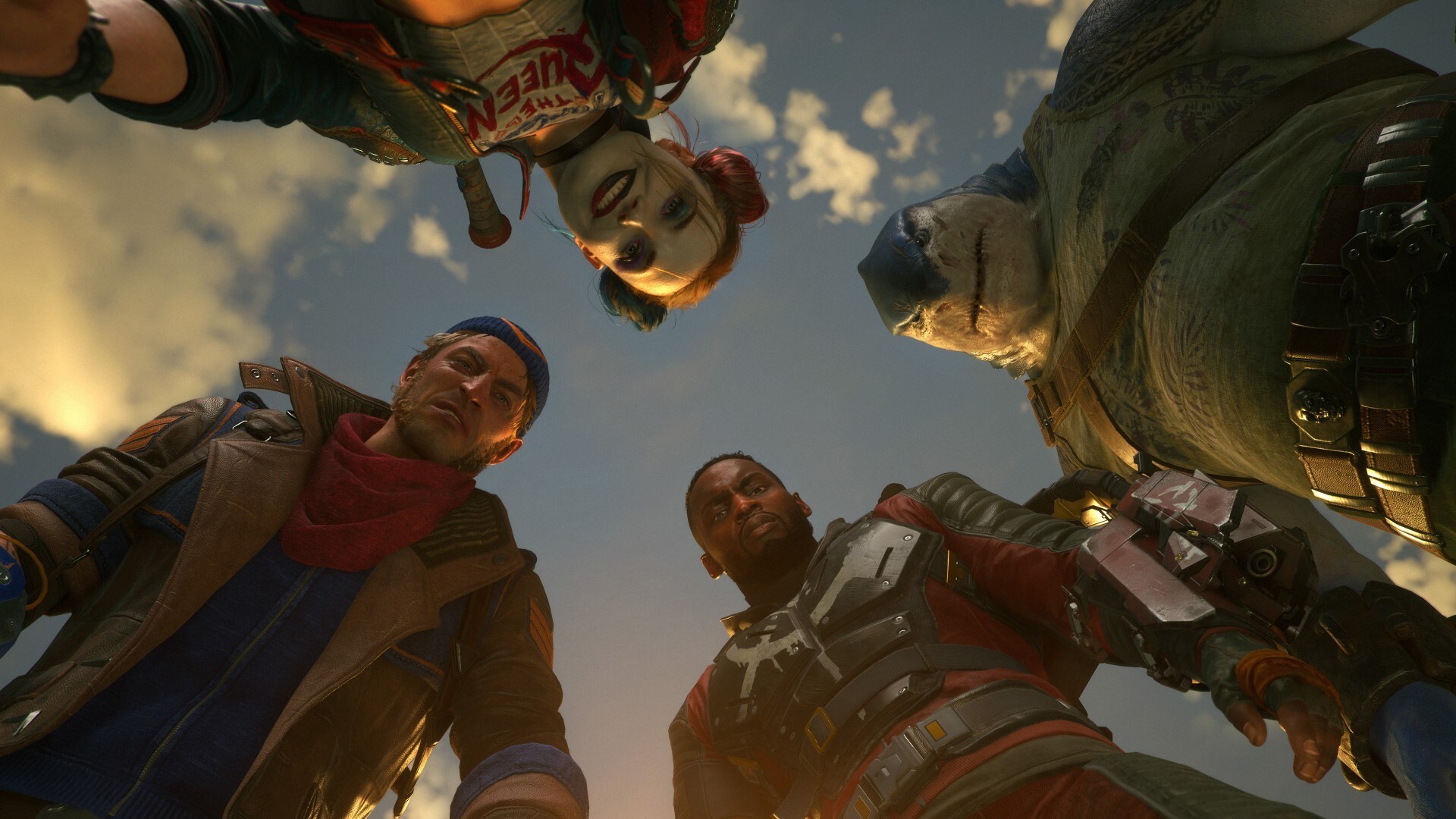
Rocksteady spent years being the studio you trusted with tight single-player design, which made the live-service pivot feel like watching a great band insist they can totally do EDM now. Suicide Squad: Kill the Justice League has moments of fun – a few fights land, the movement can pop – but the grindy structure keeps dragging everything back into repetition and loot-chasing chores. Players didn’t stick around long enough to let the seasonal plan do its slow-burn magic, because the game demanded patience while giving very little novelty in return. The clearest sign it “died instantly” is how quickly the long-term runway got shortened: support was capped to the announced seasons, and an offline mode showed up less as a bonus feature and more as a life raft so the whole thing wouldn’t sink the moment the servers stop being worth it.
XDefiant (2024)
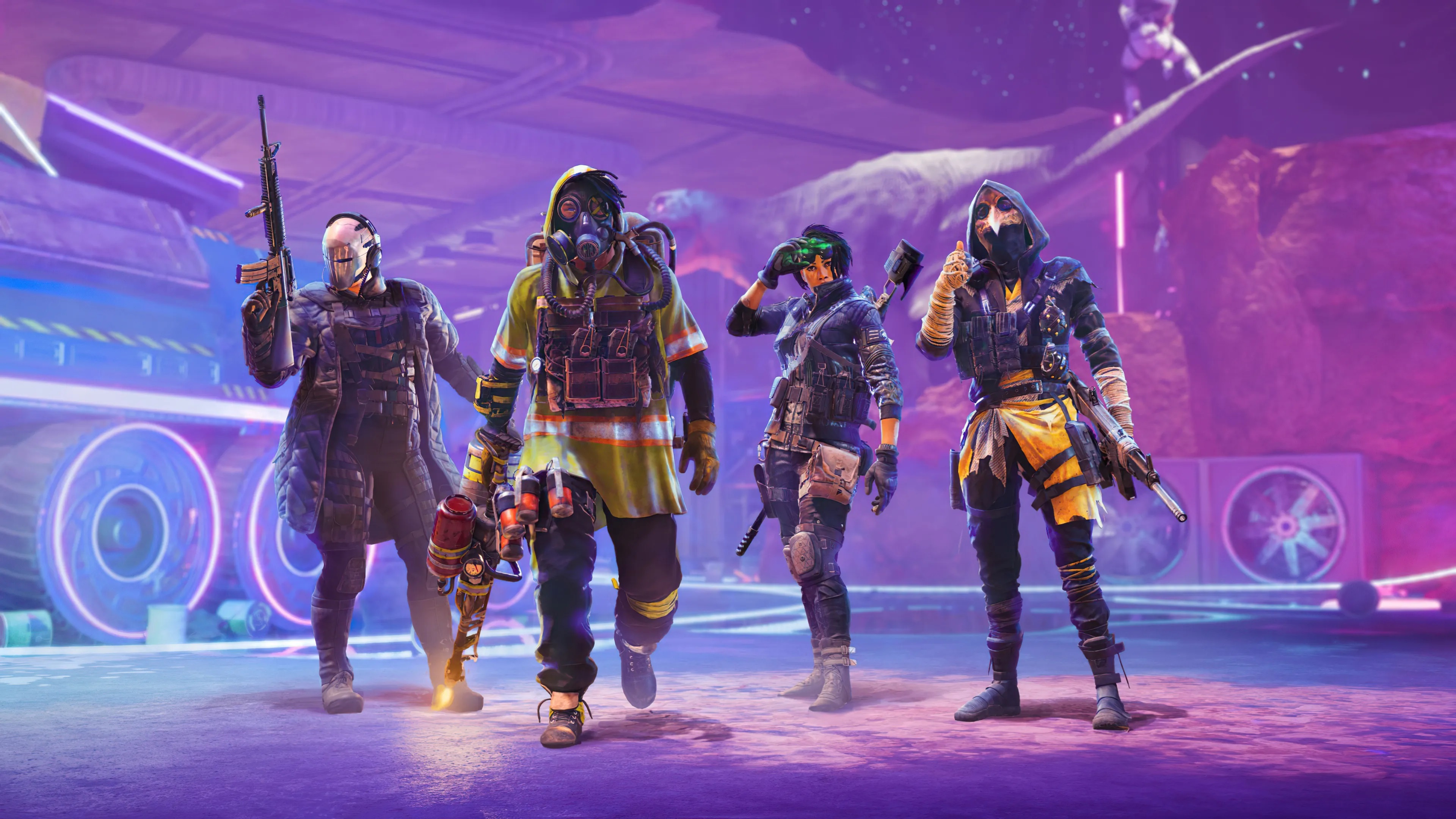
Nothing kills a free-to-play shooter faster than the moment people realize they’re not choosing to leave – they’re just… forgetting to come back. The pitch was simple: familiar Ubisoft factions, arcade gunplay, and a very loud promise that XDefiant wouldn’t mess with your matches using skill-based matchmaking. It actually opened strong, too, but the genre is a meat grinder, and “pretty good” doesn’t survive in a space where “obsessive” is the entry fee. Ubisoft eventually made it official: downloads and new registrations stopped, refunds were announced for certain purchases, and the shutdown clock started ticking. When your big differentiator turns into a footnote on a closure post, that’s an instant death in everything but the literal server uptime.
Forspoken (2023)
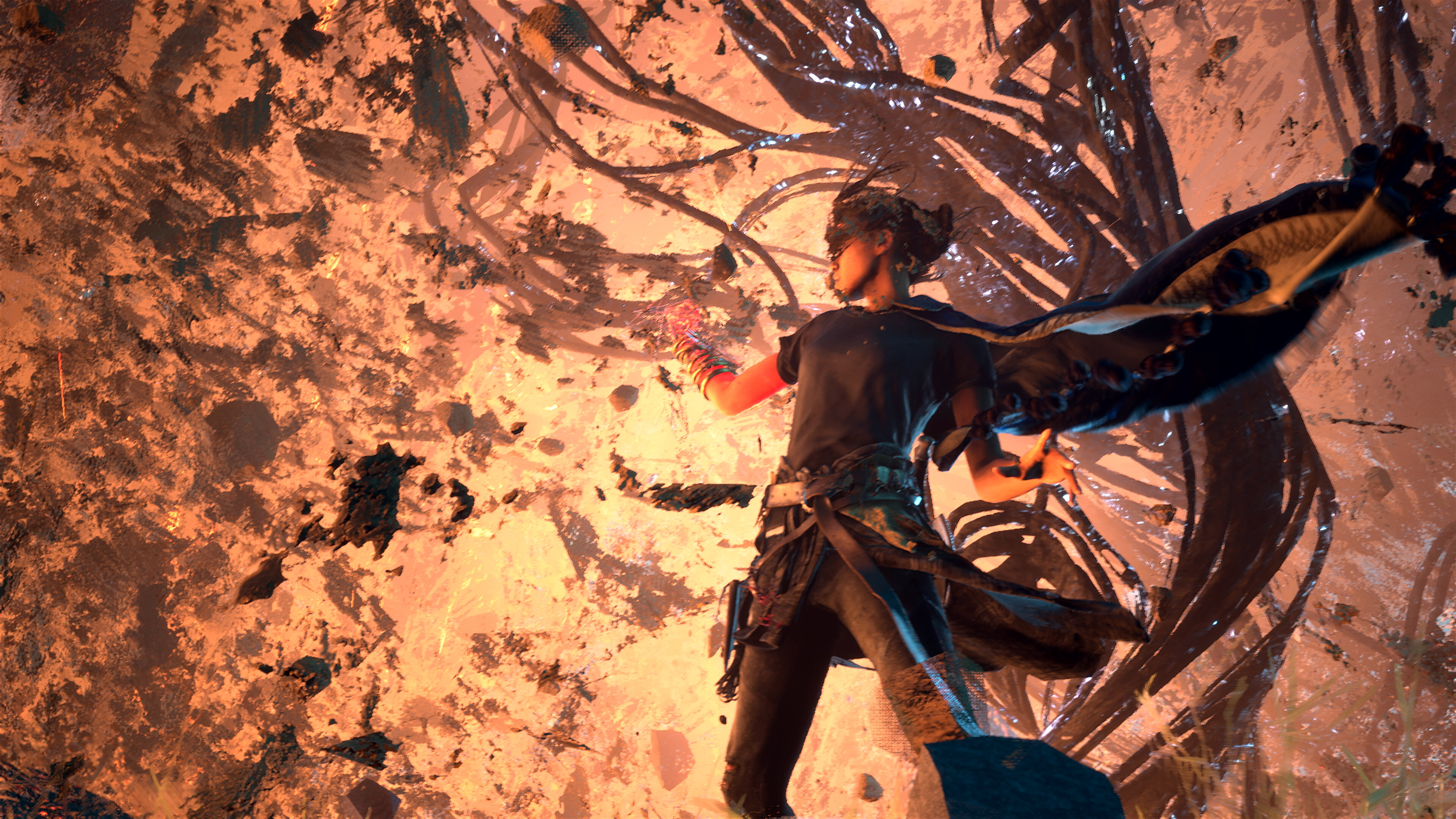
Sometimes the fall isn’t a single bug – it’s a thousand little choices that add up to “why does this feel so expensive and so awkward?” The magic-parkour idea at the center of Forspoken could’ve been a slam dunk: fast traversal, flashy spells, and a portal-fantasy setup that screams blockbuster. Instead, the writing became a punching bag, the open world got labeled bland, and the technical side didn’t do it any favors, so the game’s reputation formed before its better combat systems could convince skeptics. The corporate aftermath said plenty: Luminous Productions was folded into Square Enix not long after release, which is about as subtle as a tombstone. Even the story DLC couldn’t change the narrative – by then, the internet had already decided the joke was funnier than the game.
The Day Before (2023)
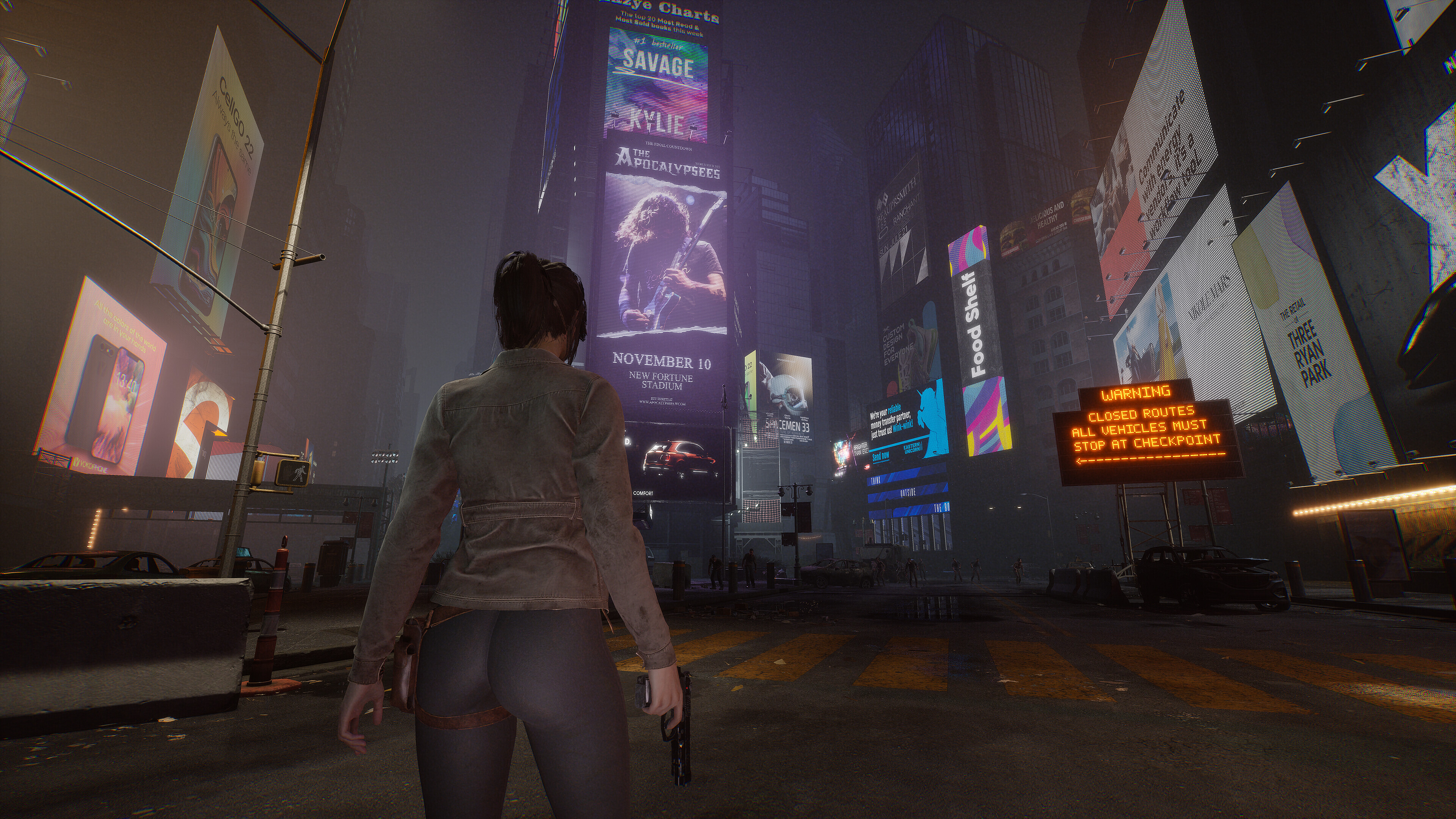
This one didn’t “die instantly” – it practically detonated on the store page. What was marketed like a gritty, high-stakes survival MMO showed up looking like a clumsy extraction shooter with none of the promised magic, and people went from suspicious to furious in record time. The most brutal part is how fast The Day Before became unbuyable and how quickly the studio behind it, Fntastic, announced it was shutting down, with refunds becoming the main thing anyone wanted to know. You can survive bad reviews; you can’t survive a launch where players feel misled, the internet has receipts, and your own studio taps out days later. It’s the rare disaster where the post-launch plan lasted shorter than some games’ preload timers.
Wanna see more? Check out Part 2!