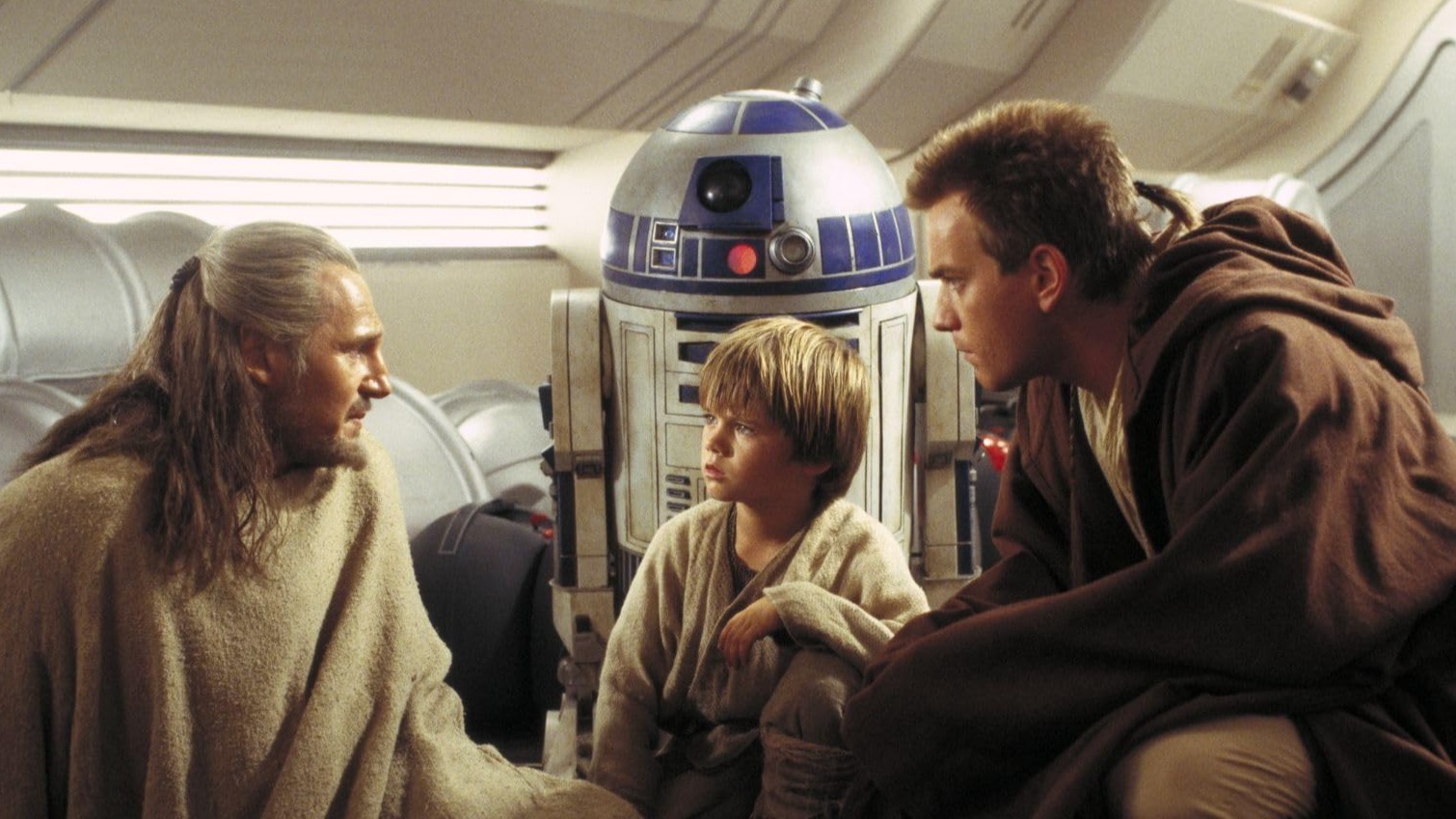
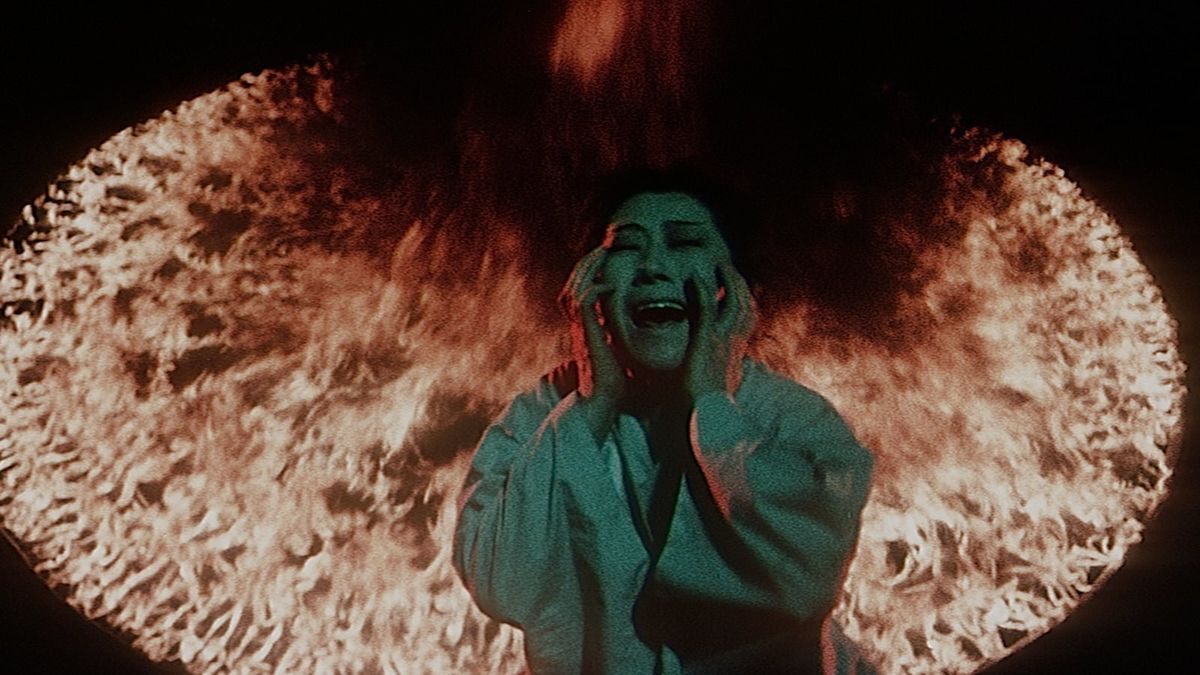
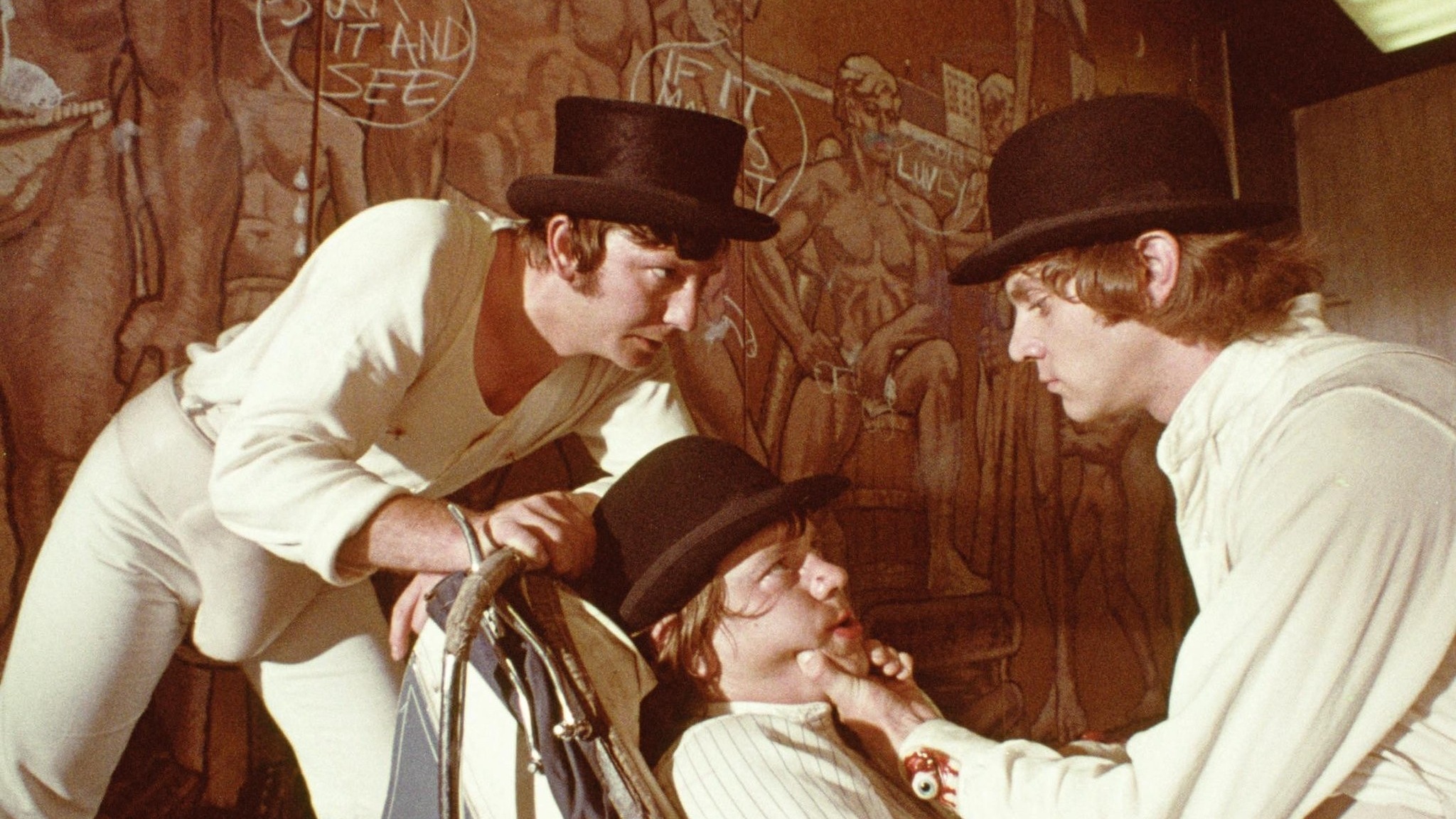
Not every villain is twirling a mustache for no reason, and some of them actually had a point buried somewhere under all the chaos and destruction. These 15 movie bad guys made arguments that were harder to dismiss than the heroes would have liked.
Principal Rooney spent an entire day chasing down a serial truant who had already missed nine days of school, and somehow became the bad guy for doing his job. Ferris Bueller's Day Off turns basic educational responsibility into comic villainy, but Rooney's frustration makes perfect sense when you consider he's dealing with a manipulative teenager who has turned skipping school into performance art. The principal's methods get increasingly desperate and illegal, but his core mission was always reasonable. A student with that many absences absolutely should face consequences, even if that student happens to be charming enough to win over an entire audience. | © Paramount Pictures
The Bourne Identity turns Alexander Conklin into the bureaucratic bad guy, but his panic about Jason Bourne makes complete sense when you think about it. A government assassin with total amnesia is wandering around Europe with all his lethal skills intact but none of the psychological conditioning that kept him loyal. Conklin knows exactly how dangerous Bourne was before he lost his memory, and now that same weapon is completely unpredictable. The CIA veteran gets painted as the villain for trying to clean up a security nightmare that could expose decades of black operations. | © Universal Pictures
Gone Baby Gone puts Jack Doyle in an impossible position where every choice leads to harm, and his solution involves kidnapping a child to save her from neglectful parents who will likely get her killed. The moral calculus gets messier when you see the four-year-old thriving in a loving home versus returning to a mother who leaves her alone to buy drugs. Doyle breaks the law but creates the only scenario where this kid might actually survive to adulthood. The film forces you to question whether following legal procedure matters more than a child's life when the system has already failed her completely. | © Miramax Films
Dr. Otto Octavius starts Spider-Man 2 as a brilliant scientist trying to solve the world's energy crisis with clean fusion power, which sounds like exactly the kind of work a genius should be doing. The mechanical arms that fuse to his spine after the accident don't make him evil, they just remove his ability to second-guess himself when people try to shut down his research. His final experiment actually works perfectly, proving that his scientific vision was sound from the beginning. The tragedy isn't that he was wrong about fusion energy, it's that he had to die to save a city that never deserved his intellect anyway. | © Sony Pictures
The Wicked Witch of the West spent years watching Dorothy's house literally crush her sister to death, then had to watch some random Kansas girl steal the ruby slippers right off the corpse. Dorothy waltzes into Oz, causes massive property damage, recruits local citizens into her personal army, and somehow becomes the hero of the story. The witch just wanted her dead sister's shoes back and maybe some accountability for the home invasion that started this whole mess. When you think about it, Dorothy was basically a magical colonizer with good PR. | © MGM
Daniel Plainview builds his oil empire through ruthless calculation, but There Will Be Blood never really asks you to hate him for it. The film drops him into the lawless scramble of early American capitalism, where nice guys finish broke and dead, then watches him play the game better than anyone else around him. His methods are brutal, but so is everyone else's, and at least Plainview is honest about what he wants instead of hiding behind false righteousness like the preacher Eli Sunday. The real horror isn't that he's evil, but that he might be the only one telling the truth about what success actually costs. | © Paramount Vantage

President Snow understood that Panem's brutal system wasn't sustainable, which is exactly why he tried to eliminate Katniss before she could spark a revolution that would destroy everything. The Hunger Games films show his warnings about chaos and civil war coming true in the most literal way possible. Mockingjay proves his point when the rebellion leads to massive casualties, the bombing of children, and Coin revealing herself as potentially worse than Snow ever was. His final conversation with Katniss carries weight because he called everything that followed. Letting children fight each other for public entertainment still isn't the way to "keep the peace" but his predictions kinda turned out to be true. | © Lionsgate
Steve Hadley spends The Cabin in the Woods calmly explaining that five college kids need to die in very specific ways to prevent ancient gods from ending all human civilization. His corporate efficiency while orchestrating ritualistic murder looks monstrous until the movie reveals he has been doing this for decades to keep billions of people alive. The facility runs like any other workplace because for Hadley and his colleagues, preventing the apocalypse really is just another day at the office. When the protagonists finally disrupt the ritual, the old gods wake up and destroy the world exactly like he warned they would. | © Lionsgate
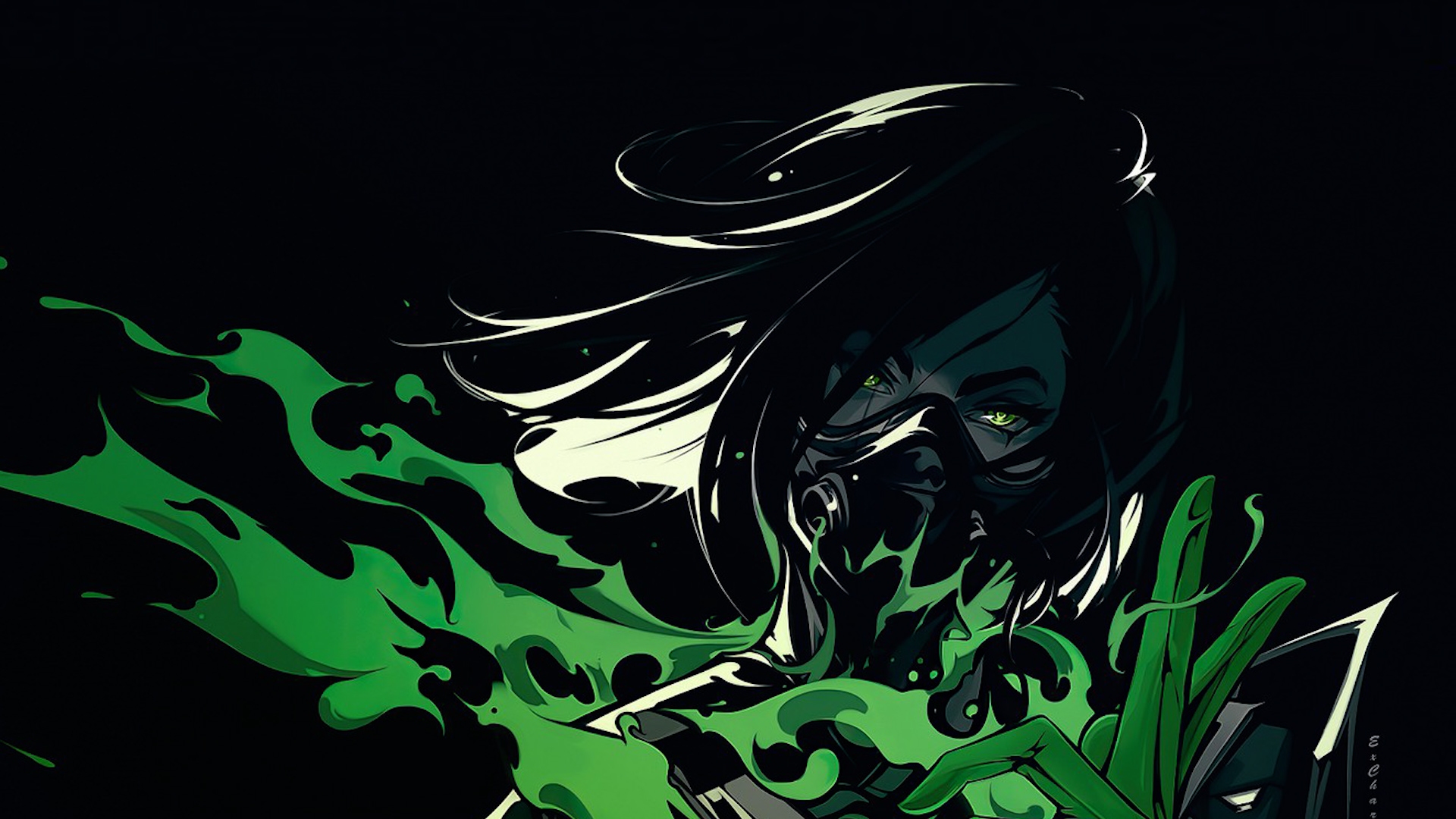

Inside Man turns the bank heist movie inside out by making the robber the most ethical person in the room. Dalton Russell breaks into a bank not for money, but to expose how it was built on Nazi gold and decades of covered-up war crimes. His elaborate scheme forces everyone to confront ugly truths that the wealthy would prefer stayed buried. The real criminals wear suits and have been stealing in plain sight for seventy years. | © Universal Pictures
Roy Batty spends Blade Runner asking for the most basic thing imaginable: more time to live. The replicants he leads aren't conquering Earth or enslaving humans, just desperately trying to extend their programmed four-year lifespan before dying. His famous "tears in rain" speech hits so hard because he articulates what every conscious being fears about mortality and meaning. The real villains are the humans who created sentient life just to exploit it and throw it away. | © Warner Bros.
Fight Club turned Tyler Durden into the poster boy for toxic masculinity, but his diagnosis of consumer culture feels more accurate every year. He saw people buying things they didn't need to impress people they didn't like, working jobs that crushed their souls, all while being told this was the good life. The methods were psychotic, but the problems he identified were real. Modern audiences keep discovering that his rants about corporate emptiness and manufactured identity hit harder than anyone expected them to. | © 20th Century Fox
Killmonger walks into Black Panther with a plan that sounds completely reasonable once you think about it for five minutes. Wakanda has world-changing technology and resources that could help oppressed people everywhere, but they choose to hide behind illusions while communities suffer. His methods involve murder and chaos, but the underlying argument about Wakanda's isolationist policies being morally indefensible hits so hard that T'Challa basically adopts a modified version of his vision by the end. The movie works because it gives its villain a point that the hero cannot actually argue against. | © Walt Disney Pictures
Watchmen's Adrian Veidt orchestrates mass murder to prevent nuclear war, and the horrible math actually works out in his favor. His plan kills millions in New York but stops the superpowers from destroying the entire planet, creating a peace built on shared trauma and a common enemy. The movie forces you to sit with the uncomfortable truth that sometimes the greater good requires monstrous choices. Veidt wins because he understands that saving humanity means becoming the kind of person humanity would normally destroy. | © Warner Bros. Pictures
Not every villain is twirling a mustache for no reason, and some of them actually had a point buried somewhere under all the chaos and destruction. These 15 movie bad guys made arguments that were harder to dismiss than the heroes would have liked.