

































When developers start cutting corners on PC ports running on UE5, you're in for an abysmal experience.
Modern game launches have become increasingly rough on PC. As last year's Soulslike Wuchang: Fallen Feathers showed, players are often left waiting weeks for performance patches while console versions run far more smoothly.
For content creators, these launch issues are more than an annoyance—they can directly impact their work. Streamers and YouTubers rely on stable performance to record videos and broadcast without dropped frames or crashes.
Photorealism Isn't the Only Problem
Unreal Engine 5 introduced technologies like Nanite and Lumen that allow developers to build far more detailed worlds. The engine itself isn't the problem.
The issue is that optimization is too often left until the very end of development. Streamers like Asmongold have discussed the growing criticism that "Unreal Engine 5 is killing games", echoing concerns shared across the PC gaming community.
Many recent UE5 releases have launched with severe shader compilation stutter, inconsistent frame pacing, and poor PC optimization.
For streamers, those problems can ruin an entire broadcast. OBS, webcams, overlays, alerts, and encoding all need GPU resources. When a game fully saturates the graphics card, the stream starts dropping frames even if the game itself is still running.
That's why many creators depend on technologies like DLSS. Rendering the game at a lower internal resolution frees up valuable GPU headroom, allowing both the game and the stream to stay smooth.
Upscaling has shifted from being an optional visual feature to a practical necessity for many creators.
Not Even Cozy Games Are Immune
You might expect these hardware demands from cutting-edge AAA shooters, but even stylized narrative games are beginning to suffer from the same optimization issues.
A good example is Life is Strange: Reunion, developed by Deck Nine and published by Square Enix. When the studio shared the official PC system requirements, one detail immediately stood out.
The recommended GPU for native 4K Ultra at just 30 FPS is an RTX 4080.
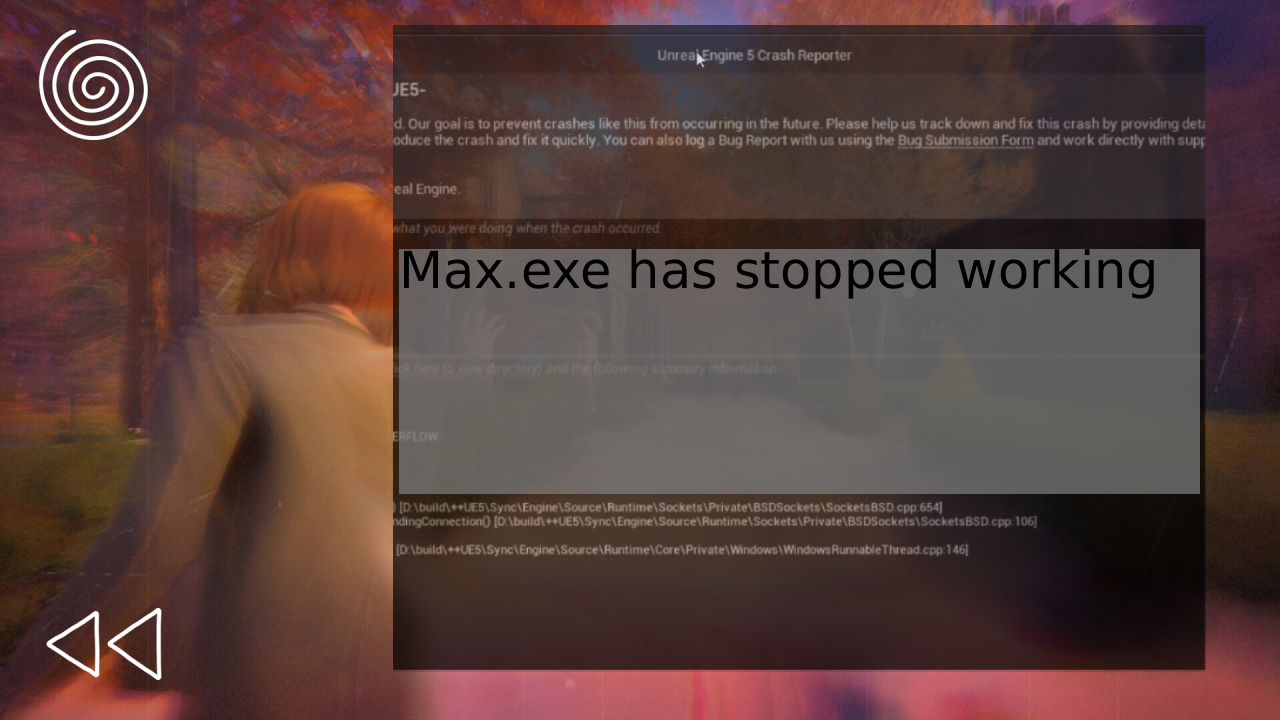
For creators, 30 FPS isn't a realistic target. To make matters worse, players are also reporting a game-breaking DX12 crash on recent Nvidia drivers whenever Max Caulfield uses her signature rewind ability.
The effect can trigger a Windows TDR (Timeout Detection and Recovery) error, crashing the graphics driver and forcing players back to the desktop. Some users have even rolled back to older GPU drivers as a temporary workaround.
Where the Industry Goes From Here
This isn't just one poorly optimized release. It's part of a wider trend affecting PC gaming.
Story-driven adventure games have traditionally prioritized strong art direction and accessibility over pushing hardware to its limits. That balance is starting to change as more studios adopt Unreal Engine 5.
Without proper optimization, even visually modest games can end up demanding flagship hardware, creating unnecessary barriers for players and creators alike.
Visual fidelity means little if performance doesn't keep up. Upscaling should enhance the experience, not become a requirement just to achieve stable gameplay and streaming performance.
