

































In 1992, Pepsi’s Number Fever promotion turned bottle cap 349 into a national crisis in the Philippines, sparking riots, lawsuits and five deaths.
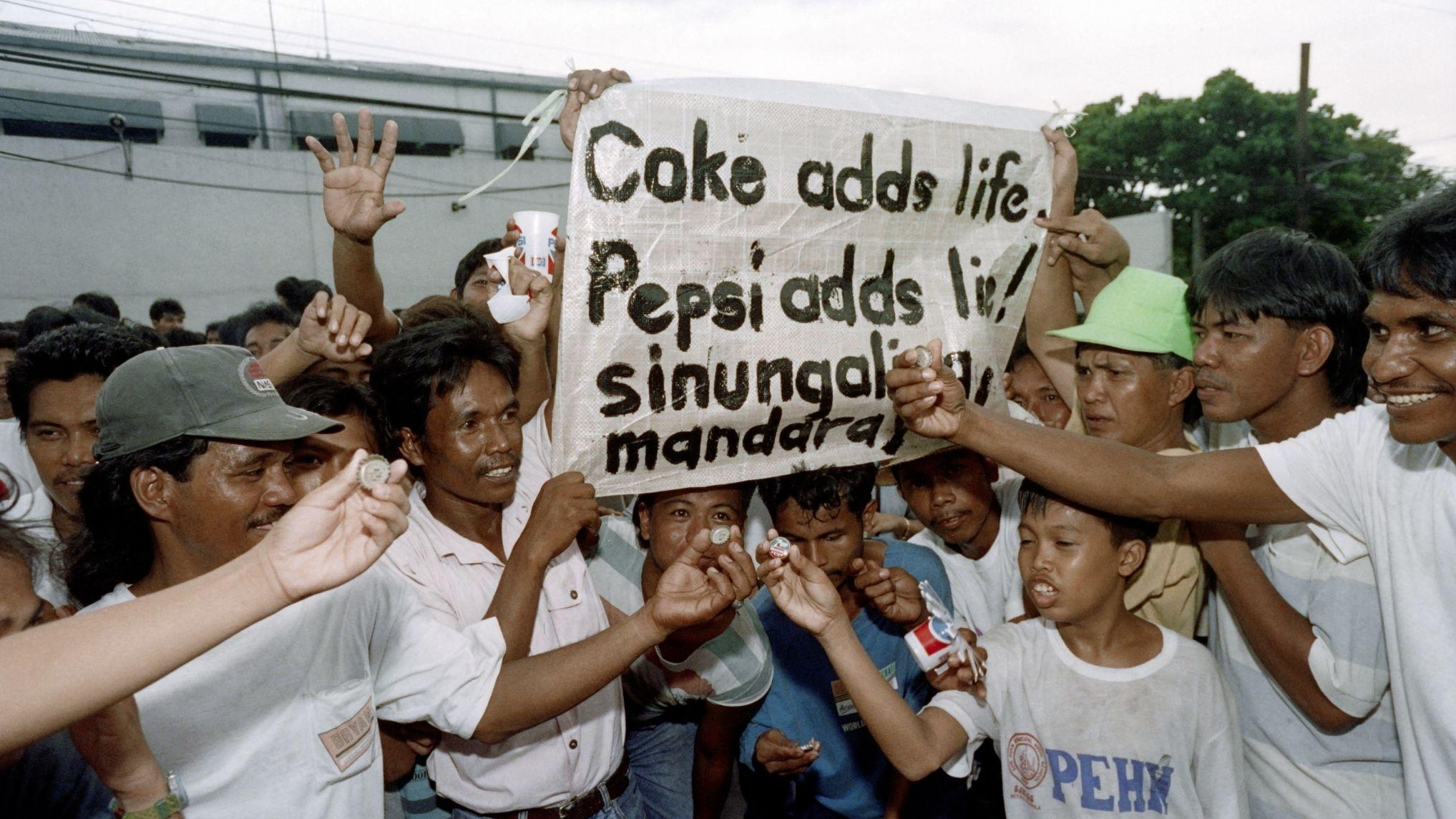
For a few minutes on May 25, 1992, the number 349 performed a miracle. Across the Philippines, families emptied bags of Pepsi caps onto kitchen tables and discovered that the rent, school fees and perhaps an entirely different life had been hiding beneath a bottle. The advertised top prize was one million pesos—about $40,000 at the time, but a staggering 611 times the average monthly wage. Then Pepsi announced that most of those “winning” caps were mistakes. The money disappeared. The caps did not.
Number Fever had begun that February as a remarkably simple weapon in Pepsi’s local fight with Coca-Cola. Three digits, a cash amount and an alphanumeric security code appeared beneath caps from Pepsi, 7-Up, Mirinda and Mountain Dew; winning numbers were revealed on television every night. Most prizes were modest, but the million-peso jackpot gave the country a daily ritual. Monthly sales jumped from $10 million to $14 million, market share climbed from 19.4 to 24.9 percent, and bottling plants reportedly ran 20-hour days. Pepsi extended the promotion by five weeks. Its success had overloaded the system before a production error broke it.
349 Won Far Too Many Times
The winning numbers and matching codes were supposed to be tightly controlled, with authentic winning caps quietly seeded throughout the country. Yet when ABS-CBN’s Channel 2 announced 349, an enormous batch bearing the same number was already in circulation. Estimates vary between 600,000 and 800,000 caps. They carried security codes assigned to non-winning crowns, but consumers had been trained to watch the large number—not parse the smaller code like forensic accountants. Had every printed promise been honored, Pepsi’s liability would have been measured in tens of billions of dollars.

Pepsi insisted that only 349 caps bearing the correct security codes qualified. Newspapers then reported that 134 was the real winner, adding another layer of apparent trickery. By the following morning, crowds were pressing against locked factory gates in Quezon City while police and soldiers held the line. Executives offered 500 pesos per invalid cap as a “goodwill gesture.” At least 486,170 holders accepted, forcing Pepsi to spend roughly $9 million on the offer alone—far beyond its original $2 million prize budget. To everyone else, a payment worth about $20 looked less like goodwill than a receipt for a broken promise.
The Prize Became a Target
Coalition 349, United 349 and Solid 349 organized marches, boycotts and legal claims. The anger also acquired explosives. Pepsi said at least 32 delivery trucks were stoned, burned or overturned; plants and offices were hit with Molotov cocktails and homemade bombs. The responsibility for individual attacks was often murky, but their victims were not.
On February 13, 1993, a grenade thrown at a parked Pepsi truck in a Manila suburb bounced off the vehicle and killed a schoolteacher and a five-year-old girl, injuring six others. Three months later, another grenade attack killed three Pepsi employees at a plant in Davao City. The violence surrounding a promotion built on the fantasy of sudden wealth had now left at least five people dead—none of whom had created the error or controlled the payout.
The Number Pepsi Could Not Retire

The argument migrated into courtrooms without becoming any cleaner. By July 1993, more than 22,000 people had filed 689 civil suits, alongside over 5,200 criminal complaints accusing Pepsi of fraud and deception. The cases dragged on for years. The Philippine Supreme Court ultimately held that 349 crowns bearing the wrong security codes were not winners and that Pepsi did not owe their holders the amounts printed on them.
The ruling settled the prize conditions; it could not make 349 ordinary again. In the Philippines, “to be 349ed” entered the language as shorthand for being cheated. Vicente del Fierro Jr., the man behind Coalition 349, never secured the grand settlement he wanted. After his death, his daughter preserved thousands of old caps in an archive. Their metal rusted, their promised value remained zero, and their three stamped digits proved more durable than Pepsi’s explanation.