
















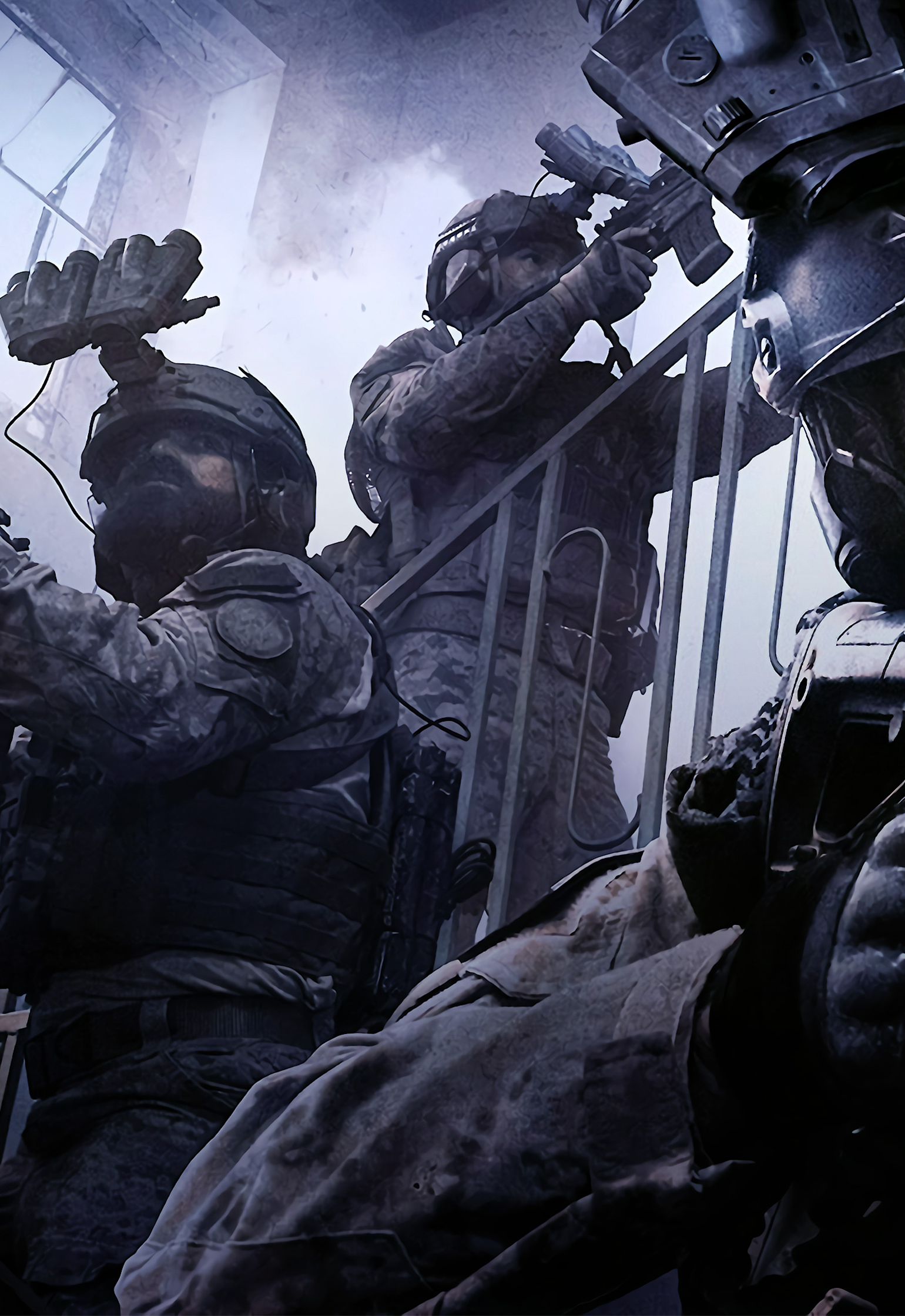



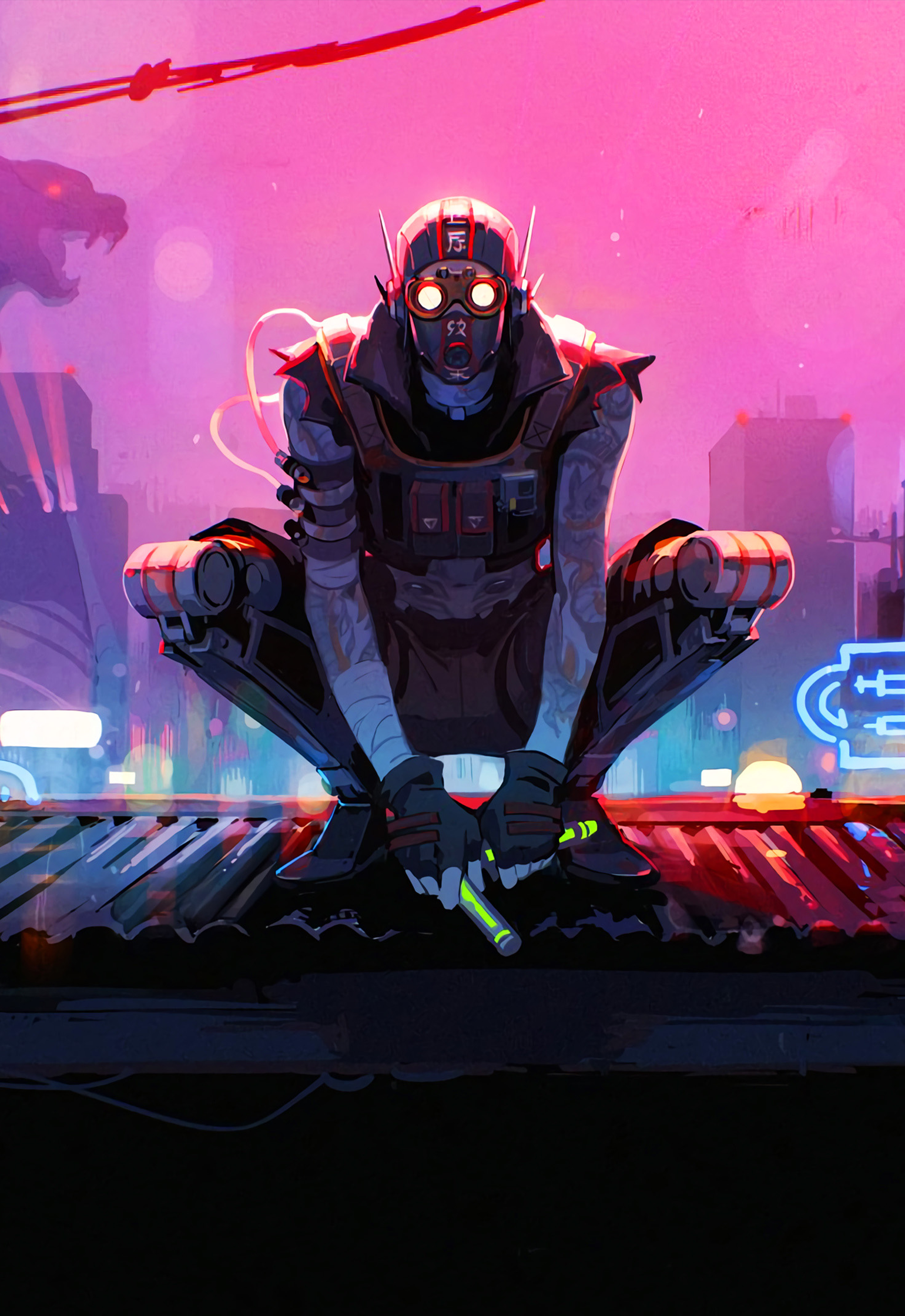










Markiplier denied using generative AI in Iron Lung, defending the artists behind the film and revealing the human effort that built its blood-soaked world.

Iron Lung contains an ocean of blood, a dying universe, and enough rusty metal to make tetanus nervous. One thing Markiplier says it does not contain is generative AI.
He had previously used ChatGPT for comedy on his Distractible podcast, drawing criticism from fans concerned about the technology’s environmental and creative impact. Before long, those complaints mutated into claims that AI had also been used for his thumbnails and even his feature film. Hard evidence, meanwhile, never materialized.
He Was Ready to Spoil His Own Movie
During an August 2025 livestream titled Markiplier vs AI: FIGHT NIGHT, Fischbach acknowledged that he had previously used ChatGPT and said he no longer did. The suggestion that AI had helped make Iron Lung, however, struck a much more personal nerve.
“I was ready to come with behind-the-scenes of all the painstaking, beautiful art,” he said, before praising the set designers, makeup artists, art department, and practical effects crew. He was even prepared to reveal material before the movie’s release rather than let their work be dismissed as something generated from a prompt.
That does not make Fischbach a blanket anti-AI campaigner. His past experimentation with ChatGPT is real, and he has discussed possible uses for the technology outside creative work. His point here was narrower: Iron Lung was made by people, and he was not about to let an accusation reduce their work to the output of a machine.
The Bathroom Was a Render Farm, Not an AI Lab
Part of the suspicion may have come from the unusual computing setup Fischbach built during post-production. When repeated revisions to outsourced blood simulations became too expensive, he bought secondhand servers and converted a bathroom into a render farm, complete with additional electrical capacity and air conditioning. It sounds like a supervillain’s weekend project, but the machines handled conventional visual-effects simulations—not generative AI.
Released on January 30, 2026, Iron Lung went on to earn more than $51 million worldwide on a reported $3 million budget. Its success does not settle the broader debate surrounding Markiplier and AI, but it leaves this particular accusation looking rather flimsy. The blood, grime, and claustrophobic submarine were shaped by human hands. Here, those fingerprints were not an inefficiency to automate away; they were the entire point.