







































As if Mike Myers' costume wasn't creepy enough already...
Anyone who looks at studies on the emotional well-being of children and teenagers at school will quickly realize that, for many students, walking into the classroom every day is anything but easy. Pressure to get good grades, bullying and similar issues weigh heavily on young minds. Having to fear for their lives because a fictional horror cat is threatening them is probably the last thing they need.
Horror Videos Featuring a Children's Book Character
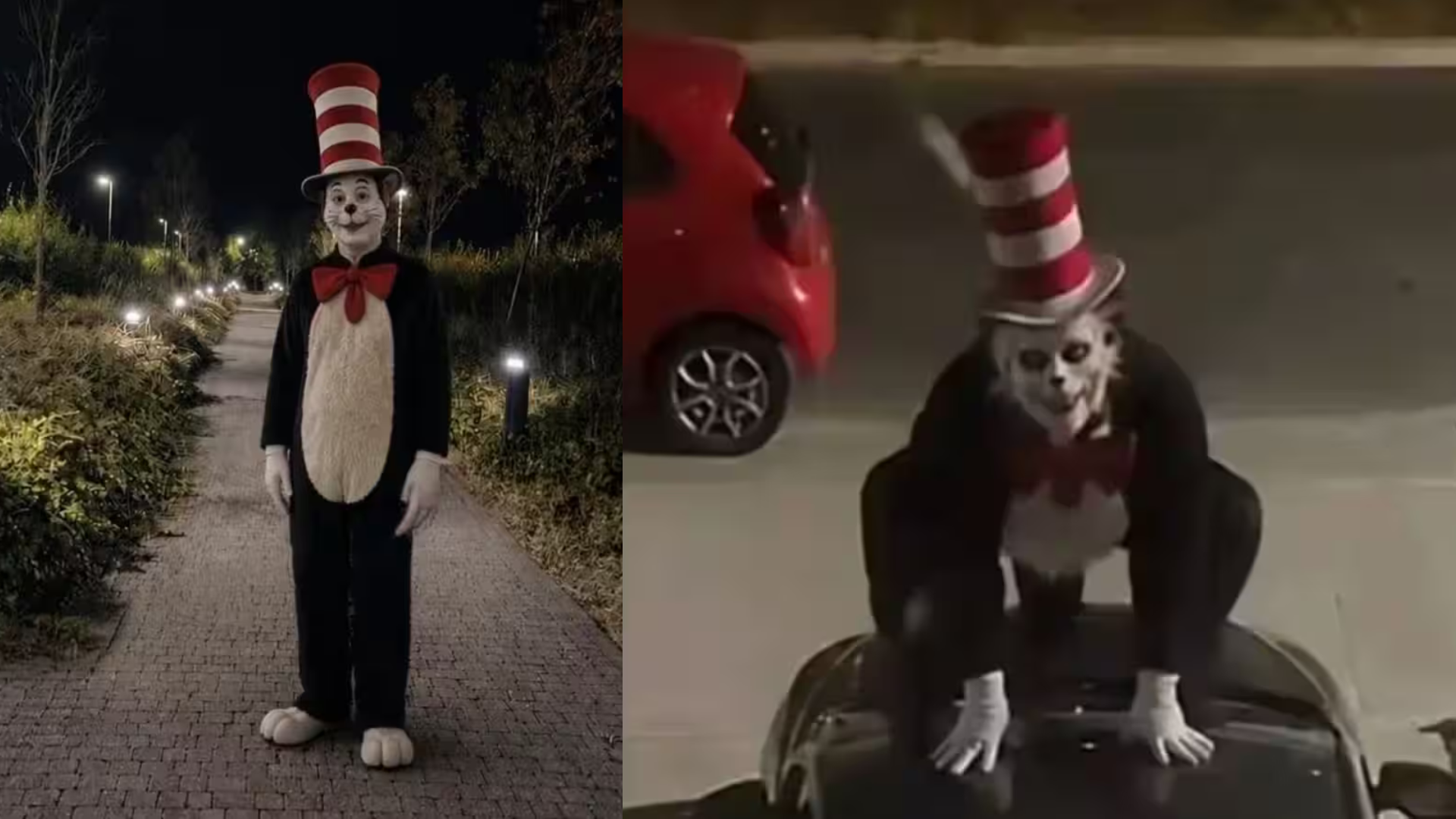
A school in Kentucky recently had to temporarily close its campus after threatening posts involving The Cat in the Hat, the character from the Dr. Seuss books portrayed by Mike Myers, began circulating. The case shows how fake images and videos can cause real fear among young people, even when no specific danger has been established.
A creepy cat outside your window, calling you by your first name and threatening you: What spreads on social media as a horror meme can quickly become a personal nightmare for those targeted. In the US, posts involving the children's book character have disrupted some students' school lives so severely that an entire school building was briefly closed.
Assumption High School in Louisville, Kentucky, closed its campus as a precaution on August 31, 2026. Classes continued online, and after-school activities were canceled. The school reopened the following day.
When a Horror Meme Targets Real Students
The trend features a sinister version of the character seemingly appearing outside homes, at schools or in residential neighborhoods at night. The videos, some manipulated using AI and others generated entirely, placed the cat outside real buildings, including the school and students' homes. In some, it was armed or grinned menacingly at the camera, naming and threatening children and suggesting that they would be "next."
Investigators were unable to identify a credible threat to the school, and according to a letter from the school administration, there was no established connection to a planned attack. The consequences were real nonetheless: The campus remained closed, events were canceled, and police investigated the content.
After extensively analyzing the data and tracing the accounts that originally shared the videos, police questioned several students. According to their own statements, they even took two into custody as a precaution, but reportedly released them shortly afterward. Authorities declined to comment on the precise status of the investigation, partly to protect the children involved.
Fake Videos, Real Fear
For young people, such a personalized threat can be particularly intimidating. Anyone who discovers their own name or school in a post like this does not have to believe in a real horror character to feel threatened. The crucial questions then become: Who is behind this, what does this person know about me, and could they actually show up?
While younger children may still see the character itself as the threat, for older students, simply knowing that someone wants to frighten or even harm them can be enough.
When Fake Footage Is Used for Blackmail
Back in 2023, the FBI warned about perpetrators manipulating photos and videos from social media to create seemingly authentic sexual images of their victims. Minors are often among those affected. The fake content is then circulated or used to demand money or further intimate images.
The pressure comes from the threat of publication. Even when victims know the material is fake, they may fear that classmates, friends or family members will believe it is real.
Anyone who gives in to this pressure and sends blackmailers money or genuine images of themselves can quickly become trapped in an increasingly damaging spiral. Experts and police around the world advise people not to give in and to turn to someone they trust, arguing that the publication of such content can put an end to the ordeal before someone becomes caught in a relentless cycle of blackmail.
Supposed Surveillance Footage Can Create False Certainty
The spread of fake footage after a crime or an attack could have particularly serious consequences. In these situations, people quickly look for information. A clip supposedly recorded by a surveillance camera can appear to provide definitive evidence.
One possible scenario: After an attack, an artificially generated video circulates, supposedly showing a particular person at the scene. A timestamp, blurry footage and a matching caption create an impression of authenticity. If the clip is shared without verification, an invented scene can turn into a public accusation.
Even genuine material can take on a different meaning through false location details, a fabricated date or a misleading excerpt. The danger therefore lies both in entirely generated videos and in the misrepresentation of authentic footage.
In the context of armed conflicts, the International Committee of the Red Cross warns about AI-generated misinformation that is becoming increasingly difficult to distinguish from genuine content. It describes potential consequences for civilians, including discrimination, abuse and attacks.
After crimes or attacks, fake videos could similarly direct suspicion toward uninvolved people, fuel rumors about further dangers or distort public perceptions of an event. Until its origin and context have been established, supposed surveillance footage remains unverified.
Report Threats and Stop Spreading Fakes
The school incident in Kentucky shows how difficult dealing with this content can be: Those responsible must investigate potential threats, even when the images used were artificially generated. At the same time, every forwarded post can cause additional fear.
Schools and authorities in the US therefore urged people to report concerning messages and avoid spreading the posts further.
Anyone who receives a threat or blackmail message should save the content and the account details and seek support from someone they trust, their school or the police. Young people affected by this should not have to face it alone.
For everyone else, the rule is simple: Before sharing a video that supposedly provides evidence, establish where it came from, whether its location and timing have been confirmed, and whether independent sources support the claim it makes. High view counts and repeated sharing do not make footage more credible.
Assumption High School was able to reopen the very next day. Nevertheless, the case remains an example of how fabricated images have real consequences: They can intimidate people, disrupt daily life and force authorities to act. In cases of blackmail or false accusations, the damage can extend far beyond a missed day of school.