



















The UK wants to ban social media for minors under the age of 16 – but could that have negative consequences too?
The United Kingdom wants to introduce a ban on social media for children under 16. Several EU countries are considering to follow the example. Social media can have a negative impact on children and adolescents for various reasons, which is why a ban seems logical at first glance. However, the fact that social media can also have a positive influence – and that a ban could actually harm young people – is rarely taken into account.
Social Media Bans Around The World
Australia is the first country in the world to have introduced a social media ban. Since December 2025, minors under the age of 16 have been blocked from accessing apps such as Instagram, TikTok, Snapchat, and YouTube. The government gave the platforms one year to implement a security system that uses technology such as facial recognition to identify users under 16 and subsequently block their accounts. By early 2026, this had already led to approximately 4.7 million deactivated accounts.
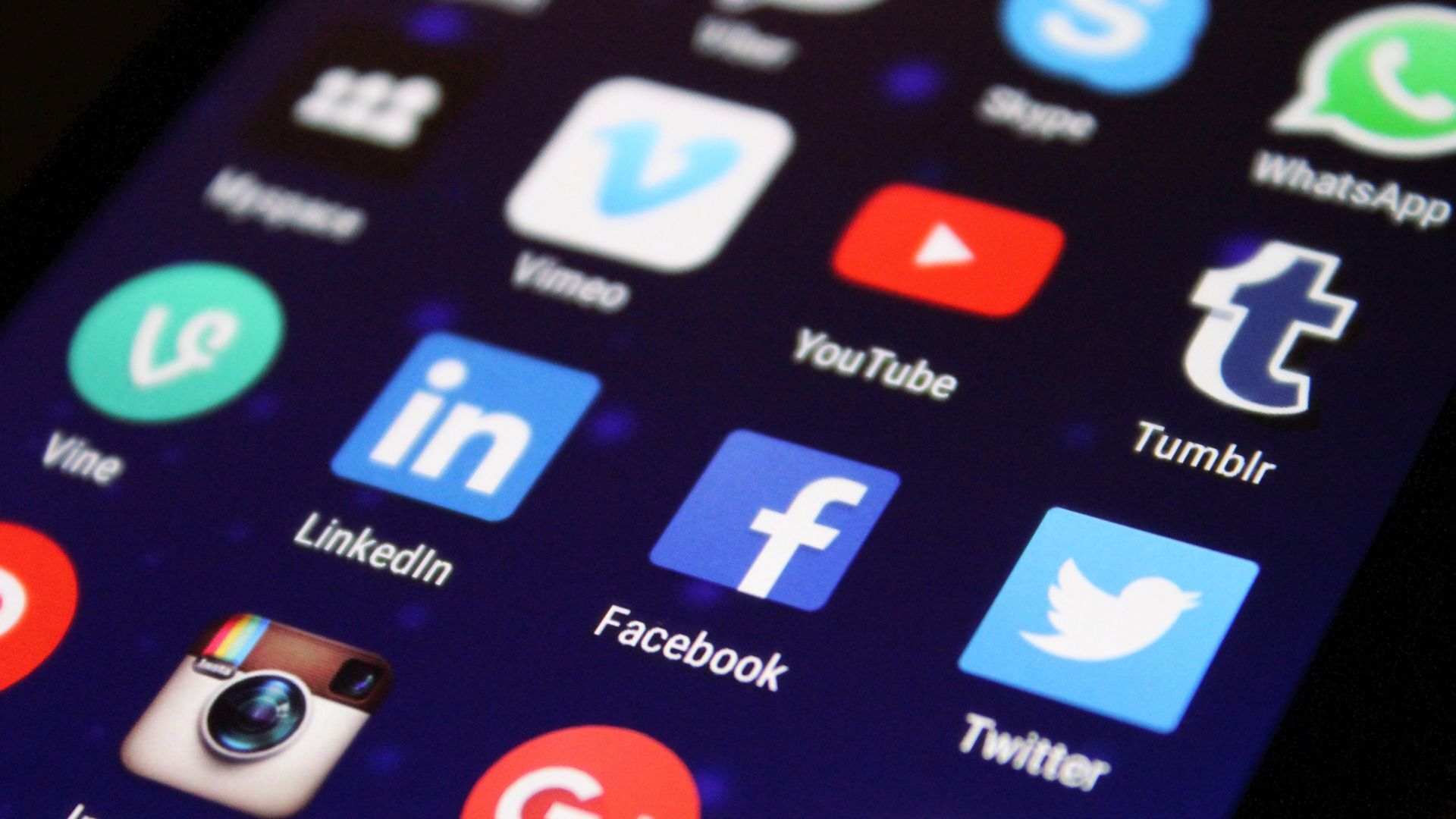
In the middle of the month, it was announced that the United Kingdom intends to implement a similar ban. It has not yet been confirmed which platforms will be affected, but the new rule will very likely include TikTok, Instagram, Facebook, X, Snapchat, Threads, Twitch, Kick, Reddit and even YouTube. Furthermore, the use of chatbots and certain features of some gaming apps is to be restricted. Messaging services such as WhatsApp are not affected.
The ban has received widespread support and was previously discussed with numerous parents, children, and representatives of the technology industry.
Why A Social Media Ban Makes Sense
The negative impact of social media on mental health and well-being is well known and has been a recurring topic of discussion for several years.
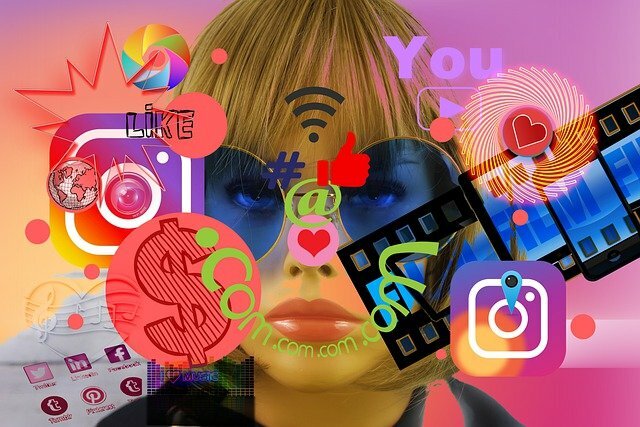
By constantly exposing users to images of “perfect” lives and “perfect” bodies, social media can lead to a distorted perception of one’s own reality and, as a result, to feelings of insecurity. Excessive use can even trigger anxiety and depression.
Furthermore, the risk of addiction is very high. Endless scrolling on apps like TikTok triggers the release of dopamine in the brain, which can lead to addiction. In addition, the constant changes in content also reduce the ability to concentrate.
Cyberbullying and the unintentional exposure to misinformation are also negative aspects.
For children and teenagers there are even more negative consequences. In addition to low self-esteem and body image issues, cyber-grooming is one of the most damaging risks of social media for minors.
It’s easy to falsely state one’s age online and even to create an entirely different persona. Adults with grooming intentions can portray themselves as much younger in order to communicate with minors and then deliberately manipulate them for their own – usually sexual – benefit.
Furthermore, social media can expose minors to groups that spread far-right ideology, which children are not yet able to fully comprehend. A good example of this is the so-called “Looksmaxxing” trend, which primarily appeals to young men.
Isolation And Loss Of Connection: The Potential Negative Consequences Of A Social Media Ban for Teens
However, a viral Instagram post with nearly 50,000 likes points out that a social media ban could also have negative effects. LGBTQ+ and neurodivergent minors, as well as young people with disabilities, are particularly affected by this. A ban would also do nothing to address the underlying issues with social media in general.
For many, social media is also a great way to find like-minded people. LGBTQ+ children who don’t receive support from those around them in real life can find it from others online. They gain access to information on topics such as trans identity, which aren’t discussed in school but are nonetheless relevant to many.
Furthermore, children and teenagers can freely talk about their interests, for which they might even be bullied in real life. They would also lose access to content that interests them.
In addition, social media is one of the most modern and effective ways to communicate and, potentially, to find help when it’s needed.
A ban on social media could therefore lead to social isolation among minors who are already struggling with this issue.
It is also commonly argued that a ban would have no educational value and would not promote media literacy. Many are also critical of the fact that age verification can be easily circumvented, which would render a ban pointless.
So, would a social media ban for teens under 16 make sense, or might the negative consequences even outweigh the positive ones? When you weigh the pros and cons, it becomes clear that there are good arguments on both sides. Perhaps the most sensible approach would be to introduce stricter guidelines for social media in general and to place greater emphasis on promoting media literacy among children and teens.
What do you think about this? Feel free to share your thoughts in the comments!
