


















Disney’s canceled animated movie Wild Life was packed with adult jokes, sexual innuendo and nightclub satire that ultimately proved too much for the studio.

Disney once spent years developing a computer-animated movie about a nightclub diva, a singing elephant, celebrity culture, fashion snobs, underground clubs and jokes that were definitely not written with six-year-olds in mind. It was called Wild Life, and for a while, the studio seemed genuinely convinced that this bizarre collision of Pygmalion and Studio 54 could become one of its next major animated films. Then Roy E. Disney watched it.
The movie never made it out of the studio.
Disney’s Very Strange Take on Pygmalion
Created by directors Howard Baker and Roger Gould, Wild Life was conceived as a satire of pop culture rather than another fairy tale or talking-animal adventure. Its world pulled from 1970s nightlife, fashion magazines and celebrity excess, with characters that echoed figures such as Andy Warhol, Anna Wintour and Diana Vreeland.
At the center was Ella Font, an elephant who could sing and dance. Nightclub personalities Kitty Glitter and Red Pittstain planned to turn Ella into a manufactured celebrity as part of a scheme against the powerful Magda, whose opinion could apparently make or destroy anyone in the city's fashionable elite. The joke, naturally, was that their deliberately ridiculous new star became an actual sensation.
Disney story artist Floyd Norman, who worked on the project, later described it as essentially a hip version of Eliza Doolittle's transformation in Pygmalion. Except Eliza Doolittle was now an elephant, the London upper class had been replaced by nightclub glitterati, and nobody involved seemed especially interested in making the result feel like Beauty and the Beast.
This Was Not Exactly Saturday Morning Material
Wild Life developed an adult streak that was difficult to hide underneath the colorful animation. Contemporary reporting described the film as containing sexual innuendo and a noticeably gay-friendly sensibility, while Norman remembered risqué dialogue and jokes about the characters' nightlife and sexuality making it into the story reels.
The most infamous example involved characters entering the sewer system on their way to an underground club. Somewhere during development, this produced a double entendre involving the word "manhole." It has since become the story everyone remembers about Wild Life: Disney made a gay manhole joke, Roy Disney heard it, and the entire movie immediately died.
The real story is messier.
Howard Baker later said that the notorious joke had already been removed before Roy saw the movie. The project's problems were much larger than a single gag. Wild Life had been designed to mock an adult world of fame, fashion and sex appeal, and attempts to make that concept feel more traditionally Disney-friendly were reportedly pulling the film in conflicting directions.
“We Can’t Release This Movie”
By the summer of 2000, this was no longer a pile of sketches sitting in somebody's office. Two sequences had been approved for production, computer-animated characters were being created, and the full story had been assembled into reels for an important internal screening.

Roy E. Disney, then vice chairman of the company and one of its most influential guardians of the animation division, came to see it.
Norman remembered the reaction being brutally short. Before the screening was even finished, Roy's verdict was: “We can't release this movie.” According to Norman's account, he left the building disgusted with what he had seen.
Reports published at the time similarly blamed the film's “adult sensibility,” sexual innuendo and tone for its abrupt collapse. Wild Life was officially shelved in September 2000.
There was, however, disagreement even inside Disney over exactly who killed it and why. Animation chief Thomas Schumacher publicly said that he had made the decision because the story simply was not strong enough. That explanation actually fits what several artists remembered: beneath all the provocative jokes and spectacular artwork was a movie that still had fundamental story problems.
Disney Had Already Gone Surprisingly Far
Its cancellation was not cheap. Contemporary reports put the amount already spent on Wild Life at as much as $20 million, an extraordinary sum for something audiences would never see. Disney had also begun assembling serious voice talent. Alan Cumming was lined up for Red Pittstain, Kathy Bates for Magda, and Debra Messing was being considered for Kitty Glitter.
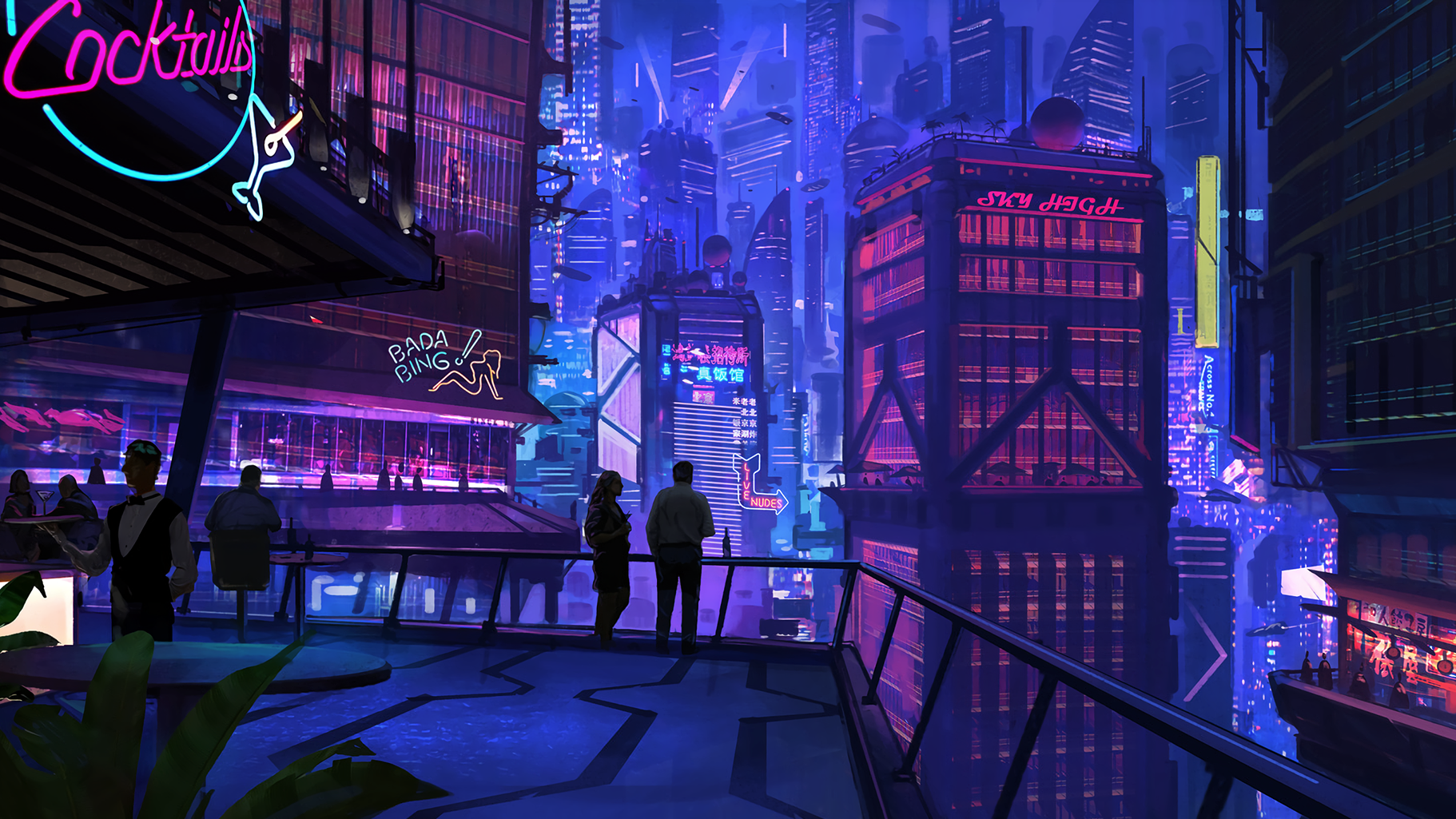
The visual side may have been even more ambitious. Production designer Hans Bacher and artists including Craig Kellman, Buck Lewis and Norman developed a world drenched in neon, exaggerated fashion and nightclub decadence. Norman later praised the artwork even while admitting the movie itself was in trouble.
And all of it was supposed to be rendered by Disney's Secret Lab, the expensive computer-animation and visual-effects operation that had worked on Dinosaur. Had Wild Life survived, it could have become Disney's first fully computer-animated feature produced without Pixar years before Chicken Little claimed that distinction.
The Disney Movie That Didn't Look Like Disney

That may ultimately have been Wild Life's biggest problem. Everyone could see what it was trying to make fun of, but nobody seemed entirely sure whose movie it was supposed to be. Its creators had built something closer to an animated Touchstone comedy than a conventional Disney feature, while the studio was still expected to sell the finished product under a family-entertainment brand.
There was even discussion that a finished version might make more sense under Touchstone or Miramax. It never survived long enough for that problem to become real.
The Secret Lab itself was dismantled not long afterward, and Wild Life became one of those Disney productions that existed just far enough into development to make its disappearance hurt. Concept art, storyboards and bits of animation have surfaced over the years, revealing a movie that looks completely alien beside most of the studio's turn-of-the-millennium output.
Whether it would actually have been good is impossible to know. Even the artists who admired its ambition remembered serious problems with the story. What makes Wild Life fascinating is that Disney got astonishingly close to making it at all: a glossy, sexually suggestive nightclub satire starring an elephant, built by the same company preparing Atlantis: The Lost Empire and Lilo & Stitch.
For once, the strangest Disney movie of its era wasn't the one audiences got. It was the one somebody finally looked at and decided Disney could never release.