






















George A. Romero almost directed a Resident Evil movie. Explore his abandoned script, the changes he planned, and why the zombie legend was dropped.
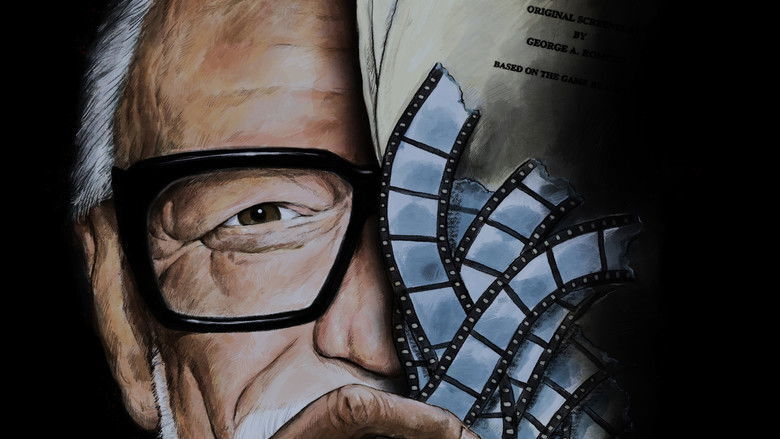
Hiring George A. Romero to direct Resident Evil should have been the easiest pitch in the room. His films helped establish the flesh-eating zombies that Capcom turned into PlayStation nightmares. Here was a chance to hand the monsters back to their maker. Instead, the project ended with a Capcom executive publicly dismissing his screenplay.
With Zach Cregger’s Resident Evil opening to a franchise-record $60 million in North America, the series is enjoying the rewards of giving a distinctive horror filmmaker a shot. Nearly three decades earlier, Romero came close enough to write several drafts. His version never reached a film set.
Romero Had Already Visited Raccoon City
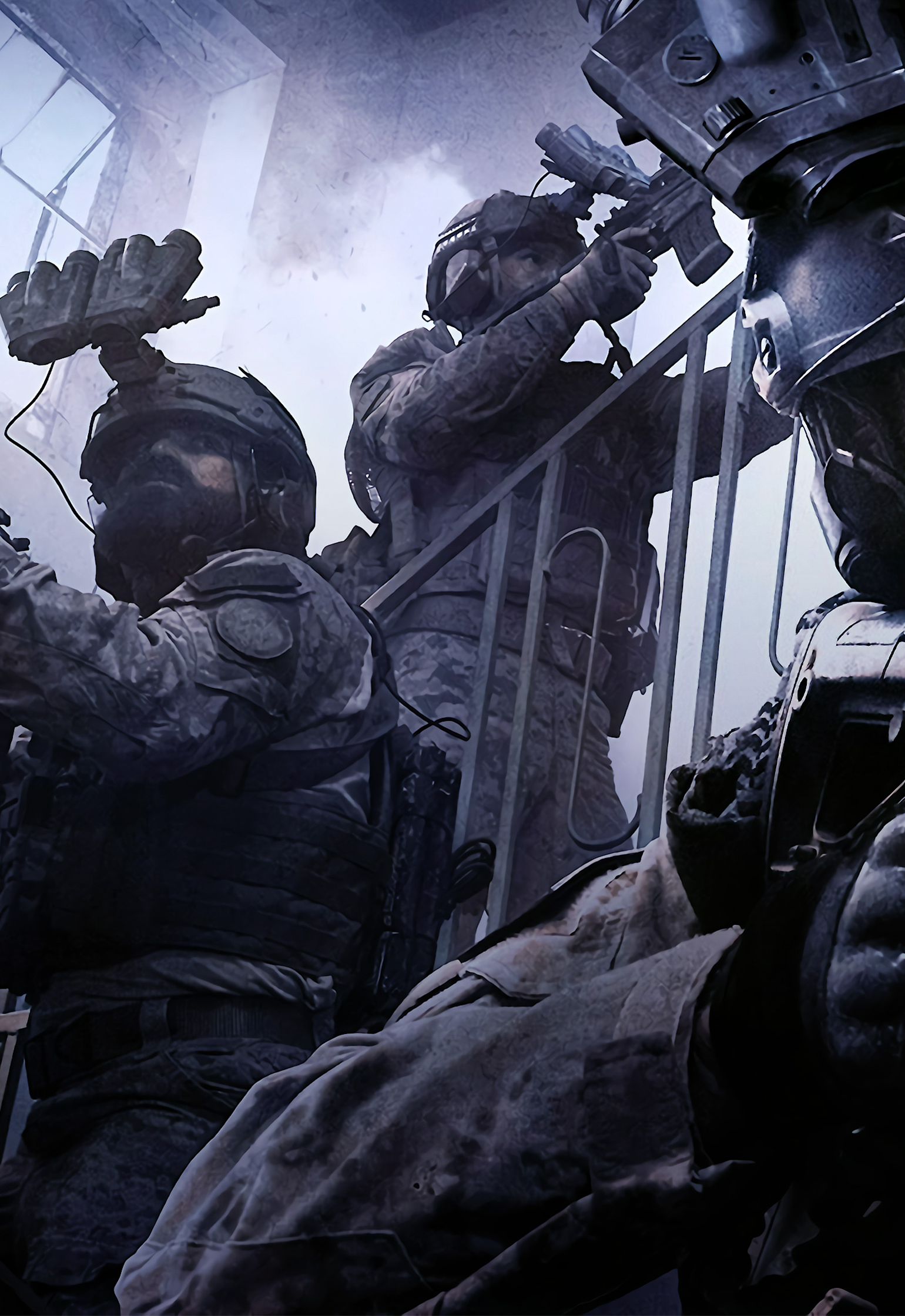
There is, however, a small piece of Romero’s Resident Evil that you can actually watch. He directed a Japanese live-action commercial for Resident Evil 2, featuring Brad Renfro as Leon Kennedy and Adrienne Frantz as Claire Redfield. It was an unusually prestigious assignment for a game advertisement: the director of Night of the Living Dead, selling you more nights with the living dead.
In 1998, Romero became attached to write and direct the feature adaptation. The surviving first draft, dated October 7, shows how different the franchise’s big-screen debut might have been.
Chris and Jill Had More Than Zombies to Worry About
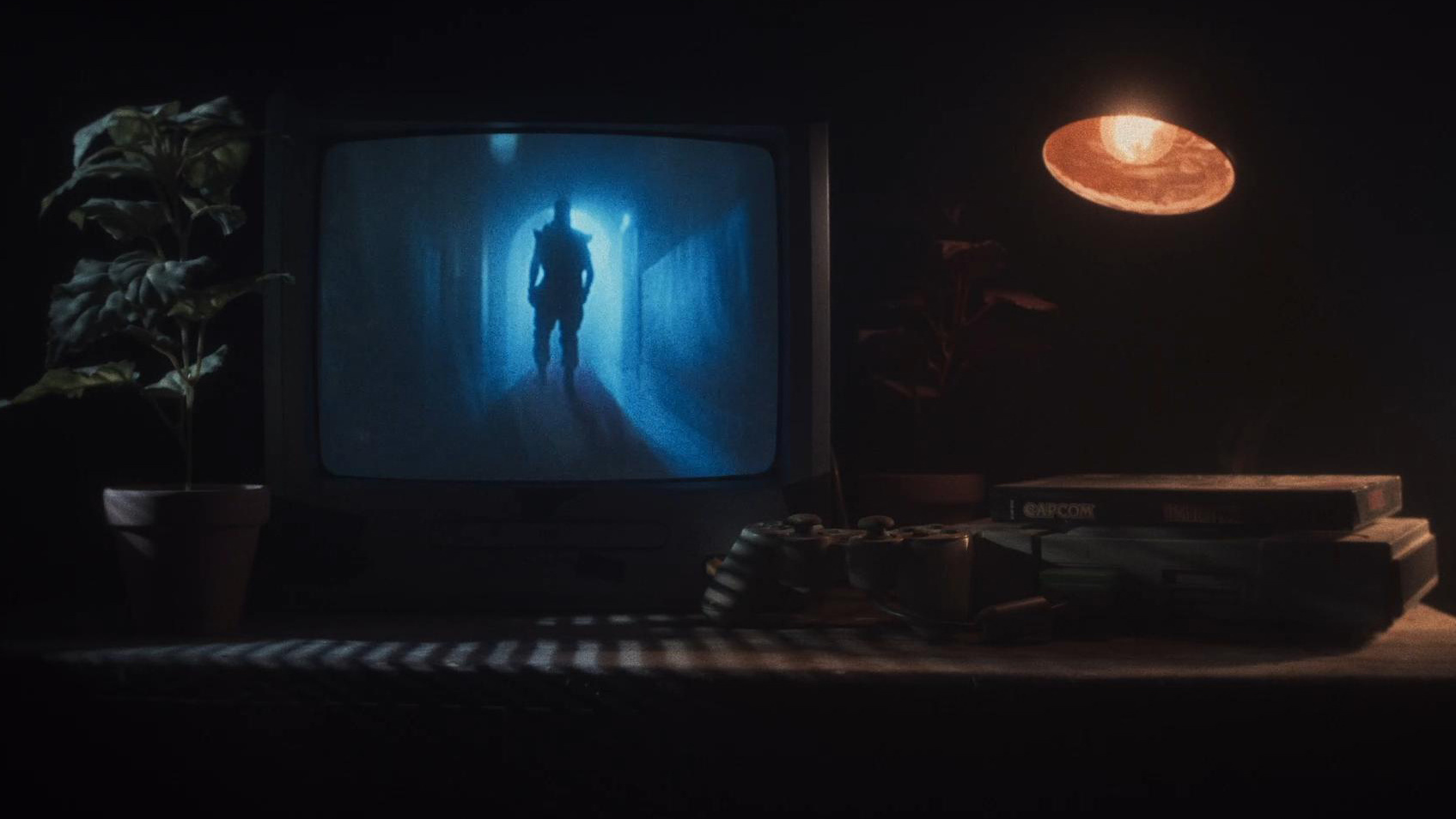
Romero built his story around the first game’s mansion nightmare, with Chris Redfield, Jill Valentine and Albert Wesker among the familiar faces. But anyone expecting a controller-to-camera transcription would have had a surprise. Chris and Jill were lovers, and Chris was a civilian with a rural life rather than the S.T.A.R.S. operative players knew.
The script introduces Chris feeding and observing eagles in the mountains. One bird refuses to approach its food, sensing something he cannot see. It is an effective little warning: the landscape knows something is wrong before the humans do. Romero was finding cinematic ways into the horror, rather than simply recreating a memorable corridor.
That makes the abandoned screenplay more interesting than its reputation as “the faithful one.” Recognizable characters and locations were there, but so was a filmmaker prepared to rewrite their relationships.
“His Script Wasn’t Good, So Romero Was Fired”
That was Capcom producer Yoshiki Okamoto’s assessment, reported by GameSpot from an interview with Electronic Gaming Monthly. For a collaboration that sounded so obvious, the public breakup was remarkably blunt.
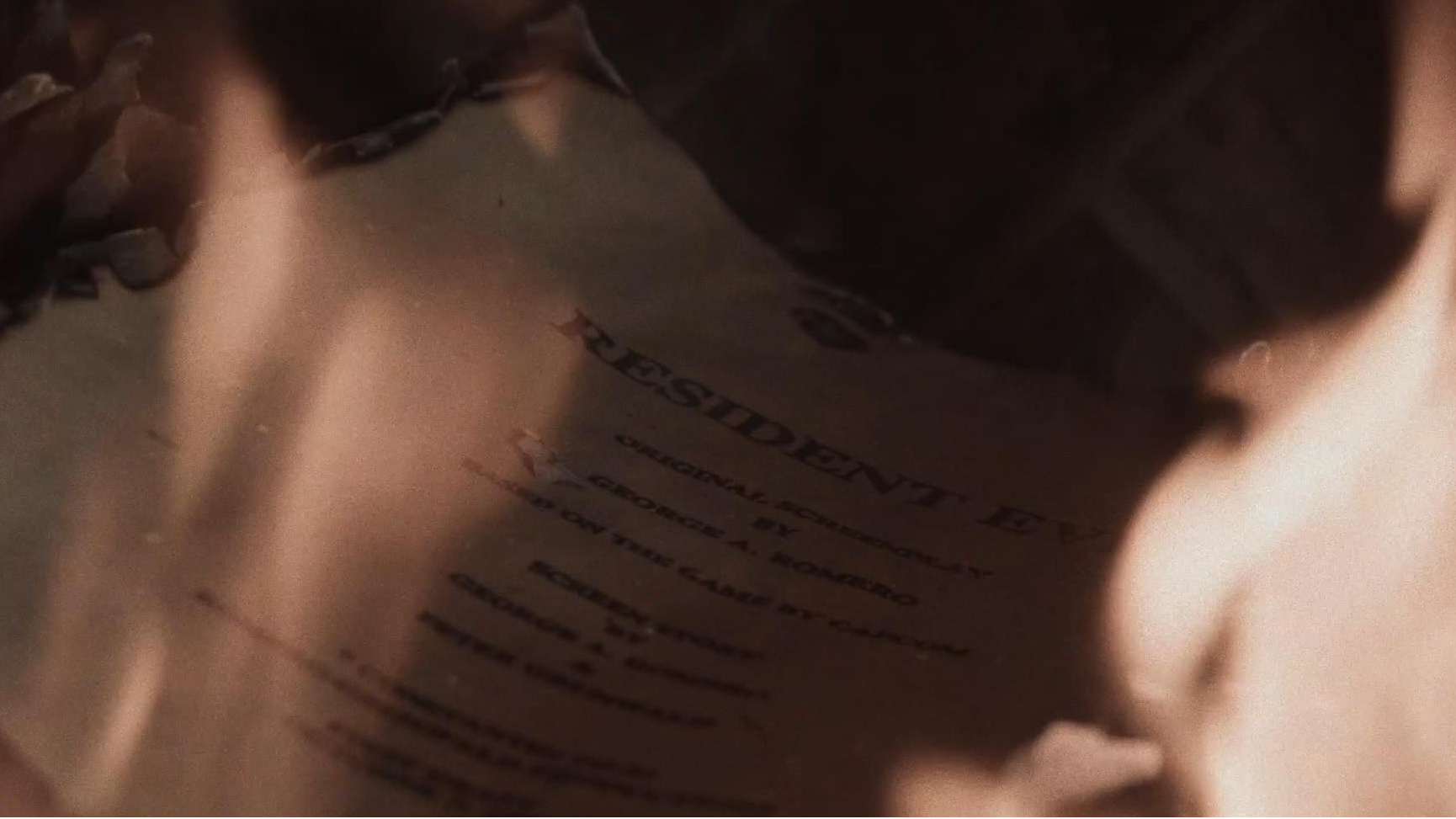
Romero’s account was more complicated. Speaking to Fangoria in 2002, he said he had written five or six drafts and identified Constantin Film boss Bernd Eichinger as the person who ultimately rejected them. Producer Robert Kulzer also raised concerns that the violence could push the film into NC-17 territory. Romero had already acknowledged publicly that an expensive adaptation would need an R rating.
Those accounts suggest disagreements over the script and its commercial viability, rather than one tidy explanation. The tempting version, in which Romero delivered a guaranteed masterpiece and executives inexplicably binned it, goes beyond what an unfilmed screenplay can prove.
Paul W. S. Anderson’s Resident Evil eventually arrived in 2002, introducing Milla Jovovich’s Alice and launching a six-film run. Romero’s unrealized alternative developed its own following, eventually becoming the subject of Brandon Salisbury’s 2025 documentary, George A. Romero’s Resident Evil.