

























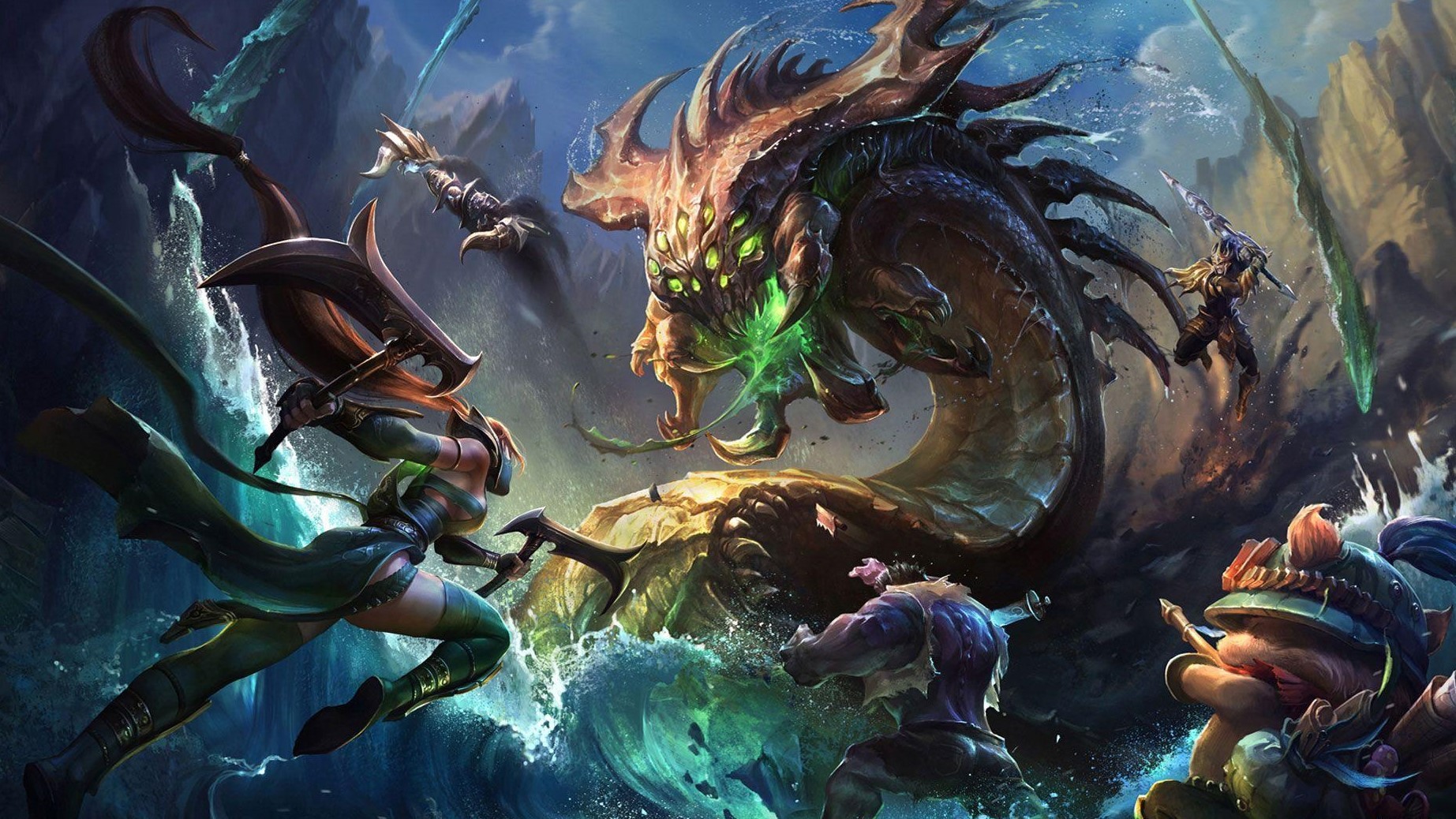





League of Legends Classic is officially in the pipeline.

For years, players have asked for a way to experience older versions of League again. Now, that idea is finally becoming a reality—not as an exact replica of a single patch, but as a curated version of League’s early years.
The new mode is expected to launch on July 29, 2026, with Patch 26.15 and will be playable directly through the existing League client. Riot describes League Classic as a "greatest hits" experience from the game’s early days. While Season 3 serves as the main anchor, Classic also includes elements from right before and after that era.
League Classic Is Not a Perfect Season 3 Snapshot
The most important takeaway: League Classic is not simply Patch 3.0, Patch 3.14, or any other historical version brought back one-to-one. Riot intentionally decided against freezing a single moment in time. Instead, the mode is designed to recreate the overall feeling of early League.
That means players get the old Summoner’s Rift, many pre-rework champion kits, classic items, old Summoner Spells, Runes, and Masteries. At the same time, certain modern quality-of-life improvements remain. Riot mentions better server infrastructure, updated matchmaking systems, pings, spell buffering, and even optional WASD controls.
This makes League Classic more of a remix than a museum piece. Riot wants to bring back the nostalgia without automatically reviving every old frustration that came with it.
Major Gameplay Changes
Classic is meant to feel slower, harsher, and less mobile than modern League. Champions have clearer strengths and weaknesses, dashes and projectiles are slower, mana management matters again, and crowd control can feel much more punishing. Spells cost more resources, but they also deal significantly more damage.
That changes the entire rhythm of the match. Anyone used to short cooldowns, high mobility, and constant skirmishing in modern League will have to adjust. In Classic, laning, resource management, positioning, and picking the right moment for an all-in matter much more.
The map is also reverting to the early Summoner’s Rift layout. Wraiths are back, buff camps have companions again, and jungle camps are more dangerous with faster respawn times. However, Riot is still updating the lighting, shadows, and textures so the visuals don't become unnecessarily muddy or hard to read.
First look at the new League of Legends Classic game mode, coming on July 29 pic.twitter.com/H4Io3RO1gP
— League of Legends Leaks & News (@LeagueOfLeaks) July 12, 2026
Runes, Masteries, and Old Items Return
One of the biggest nostalgia factors is the return of old pre-game customization. Original Rune Pages and Mastery Trees were a central part of League’s early identity. Fortunately, Riot isn't bringing back the original tedious grind to unlock them.
Runes and Masteries will be unlocked simply by playing. Runes start directly at the old Tier 3 level, meaning upgrades aren't required. Players receive three Rune Pages at launch, with two more unlockable through Classic Levels. Mastery Pages and points become fully available after reaching Classic Level 4.
Classic items and builds are also making a comeback. Riot highlighted examples like Atma’s Impaler, Frozen Mallet, Gold-per-10 items, and Metagolem setups. These nostalgic build paths are likely one of the main reasons many veterans will want to jump into Classic in the first place.
60 Champions at Launch
League Classic launches with a pool of 60 champions. This includes the original 40 launch-era characters, alongside 20 additional handpicked champions released between 2009 and 2013. Riot plans to expand the roster later, but only with champions from that early period.
The champion pool is intentionally being kept smaller to keep the barrier to entry manageable. Returning players who haven't played in years won't immediately have to relearn more than 100 different kits.
Many champions use older versions of their kits, which is especially exciting for characters that have since received massive reworks. However, skins and visuals won't always look entirely outdated. Base models will get classic ink outlines, while some champions receive adjusted VFX, animations, or audio to ensure old kits function properly in today’s client.
No Ranked Mode, But a New Progression System
At launch, players can jump into a PvP Draft queue, Co-op vs. AI, and Custom Games. A traditional ranked mode is not the primary focus right now. Riot made it clear that Classic is meant to be a fun mode to play with friends, not another intense ranked grind right out of the gate.
Even so, there is plenty of progression. Classic Levels serve as a free reward path through which players unlock Runes, Masteries, IP, Blue Essence, Rune Pages, and cosmetics. Upon reaching Classic Level 10, the Summoner’s Journey begins. There, players can work their way up from Salt to Legend—a great long-term goal for those looking for more than just a few casual nostalgia matches.
The Council Will Help Shape the Future
The Council is one of the most interesting additions. This community voting system allows players to influence which champions arrive next, which skins Riot develops for Classic, and which gameplay changes are up for discussion. The more Classic matches you play, the more influence you earn in the Council. Riot, however, will still manage overall balance and game health.
This community involvement could end up being crucial. The long-term success of League Classic depends heavily on how Riot updates the mode. If Classic becomes too modern, it loses its retro appeal; if it clings too stubbornly to legacy bugs and design flaws, the initial wave of nostalgia could fade quickly.
Ultimately, League Classic is more than just a temporary nostalgia event. It is Riot’s attempt to make an older version of League playable without simply pulling an unchanged build out of the archives. For veterans, it’s a trip back to a wilder era. For newer players, it’s a perfect look at why League became such a massive phenomenon in the first place.