


























Is Elder Dragon too strong, or just right for ending the game?

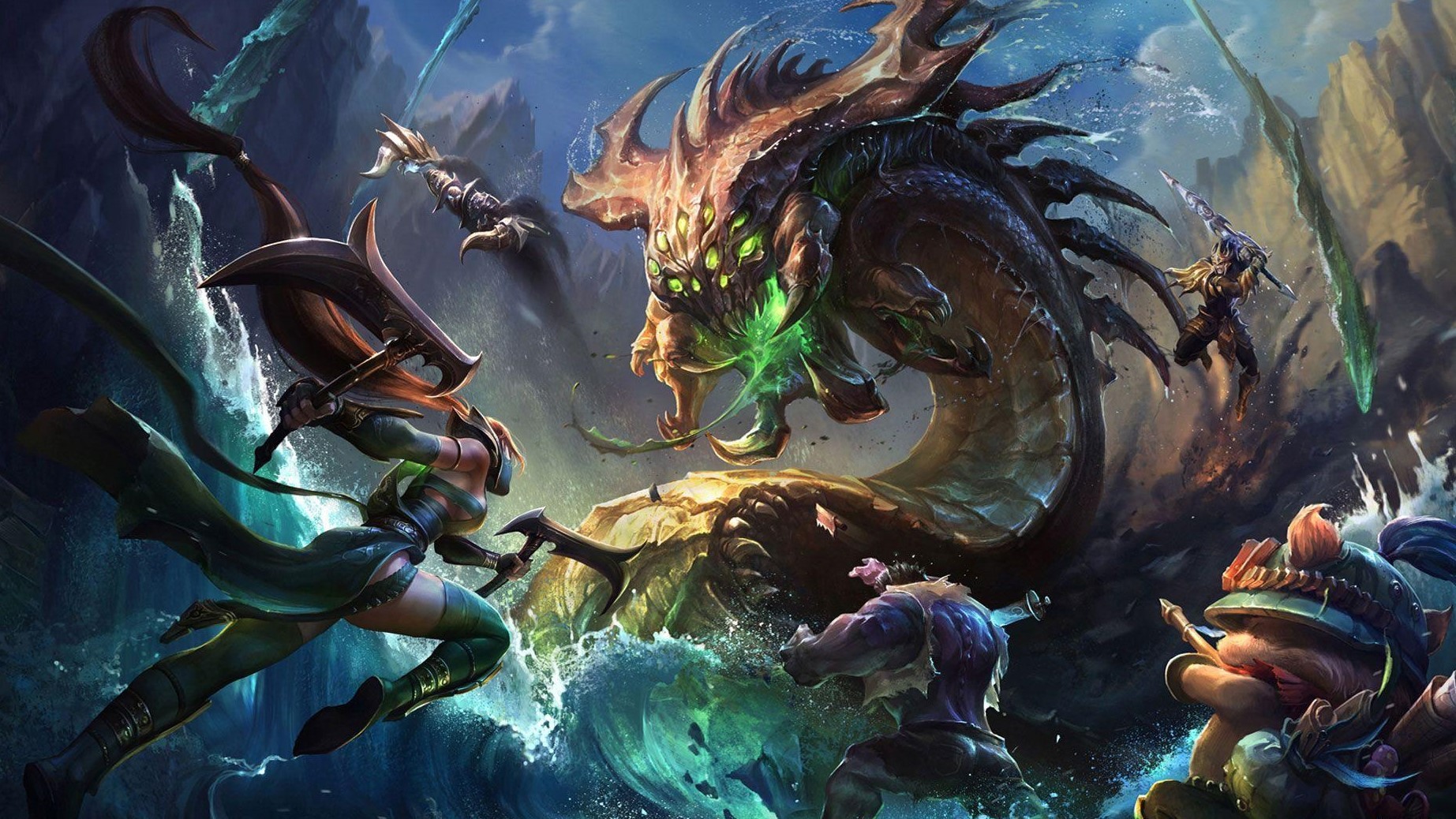
Elder Dragon is one of those League of Legends objectives that almost always feels unfair when you lose against it. A recent Reddit-Thread asked whether Elder has become too strong. But the replies were pretty clear: many players are not saying that Elder is too strong. They are saying that this level of power is exactly the point of the objective.
What Elder Dragon Actually Does
Elder Dragon is not a normal objective. While Elemental Drakes provide long-term bonuses and Dragon Soul creates a permanent power spike, Elder Dragon is a temporary late-game buff designed to end games. Its most important effect is the execute mechanic: when a champion with the Elder buff damages an enemy who falls below a certain health threshold, that enemy is executed after a short delay.
That is why Elder feels so brutal. It is not just extra damage. It changes the rules of a fight. If you drop too low, you die. In late-game teamfights, that changes everything. Tanks can no longer survive forever, carries cannot play out close situations the same way, and a team with Elder almost always forces the opponent into defense or desperation plays.
But that is not an accident. Riot designed Elder as a "game-ending" objective. The buff is not supposed to be just another small advantage. It is supposed to create a moment that breaks open a long game.
Why Elder Can Still Feel Unfair
The criticism from the Reddit thread is still understandable. The most frustrating scenario is when one team stacks four dragons, gets Dragon Soul, controls the map for most of the game – and then loses Elder to a steal. Suddenly, the enemy team might win the decisive fight and end the game, even though they had almost no dragon control before that point.
Emotionally, that feels wrong. If you controlled dragons for 25 or 30 minutes, you expect that advantage to matter more than one Smite fight at the end. That is why the Reddit post suggests tying Elder more directly to previous dragon kills, for example through a lower execute threshold for teams with no dragons and a higher one for teams with more dragon stacks.
The idea makes sense at first glance: if a team has earned dragon control throughout the game, that should be rewarded when Elder appears as well. At the same time, a team without Soul would not immediately receive the same massive endgame buff off a single steal.
Why the Community Mostly Disagrees
Still, many players in the thread clearly disagreed. The main argument is simple: if a team has four dragons and Soul but still loses Elder, Elder is probably not the real problem. That team likely failed to set up properly, failed to control the enemy jungler, or flipped an objective it did not need to flip.
That is an important point. Elder is not just a buff. It is also a test of objective setup. If you are ahead, you should control vision, push the enemy out of river, and make sure the opposing Smite cannot easily enter the play. If the enemy jungler still gets into the pit and steals Elder, that is not just bad luck. It is often a macro mistake.
That is why many replies essentially say the same thing: Elder is supposed to be that strong. If a game lasts long enough for Elder to spawn, there needs to be an objective that forces both teams to decide the game. Without mechanics like this, many matches would drag on much longer or get stuck in endless waveclear stalemates.
Should Elder Scale With Dragon Stacks?
The proposed solution sounds fair at first, but it would create its own problems. If Elder became stronger based on previous dragon kills, the team that is already ahead would be rewarded even more. That might feel logical, but it would also make comebacks much harder.
Historically, that is exactly what Riot moved away from. Elder was not meant to only empower the team that had already taken every dragon. It was also meant to give a losing team a real chance if it plays the most important late-game fight better. That can be frustrating for the team with Soul, but it is good for tension and comeback potential.
If Elder were only truly powerful for the team with more dragons, a game could feel almost decided after Dragon Soul. Elder would become less of a final risk objective and more of another reward for the team that is already winning.
Elder Is Not Too Strong – But It Is Extremely Unforgiving
In the end, the discussion feels fairly one-sided because many of the counterarguments are strong. Elder Dragon is not designed to feel fair in a small, moment-to-moment sense. It is designed to end the game. The team that gets Elder should have a massive advantage. The team playing against it should not be allowed to simply keep farming as if nothing happened.
That does not mean Elder is perfect. The buff can feel brutal, especially when a single steal overwrites 30 minutes of dragon control. But that is also why Elder is a skill check: the leading team has to prove that it can turn map control into the most important objective fight of the game.
Maybe Elder is not too strong. Maybe it is exactly as strong as a late-game final boss in League needs to be. If you have four dragons and Soul, you should not automatically win the game. But you should have enough tools to avoid flipping Elder. And if you lose that fight anyway, that is less of an Elder problem and more of an objective setup problem.