



























Patch 26.21 is Riot’s first post-Worlds patch.
While Worlds 2026 is still being played on Patch 26.20, Riot is already planning for what comes next. Patch 26.21 is, according to Matthew “Phroxzon” Leung-Harrison, Lead Gameplay Designer for League of Legends, the first real post-Worlds patch. The focus therefore shifts clearly: less pro-play balance, more stability for Solo Queue and the final Ranked climb of the season.
Pro-Play Champions Get Some Breathing Room Again
Perhaps the most important point is that Riot wants to bring several champions back up after their win rates were pushed down for months because of pro-play balance. Phroxzon explicitly names Azir, Orianna and Ryze.
That is a very typical pattern after a major international tournament. Before Worlds, champions like Orianna or Ryze are often treated carefully because they offer significantly more value in coordinated drafts than they do in regular Solo Queue. Once the tournament window is over, Riot can shift its attention back toward average players.
That is exactly why 26.21 is interesting. Riot no longer has to worry about a champion suddenly reaching 90% draft presence at Worlds. Instead, it can ask a different question again: is this champion actually fun and strong enough for normal players to use meaningfully?
Lee Sin and Qiyana Are Being Pulled Back
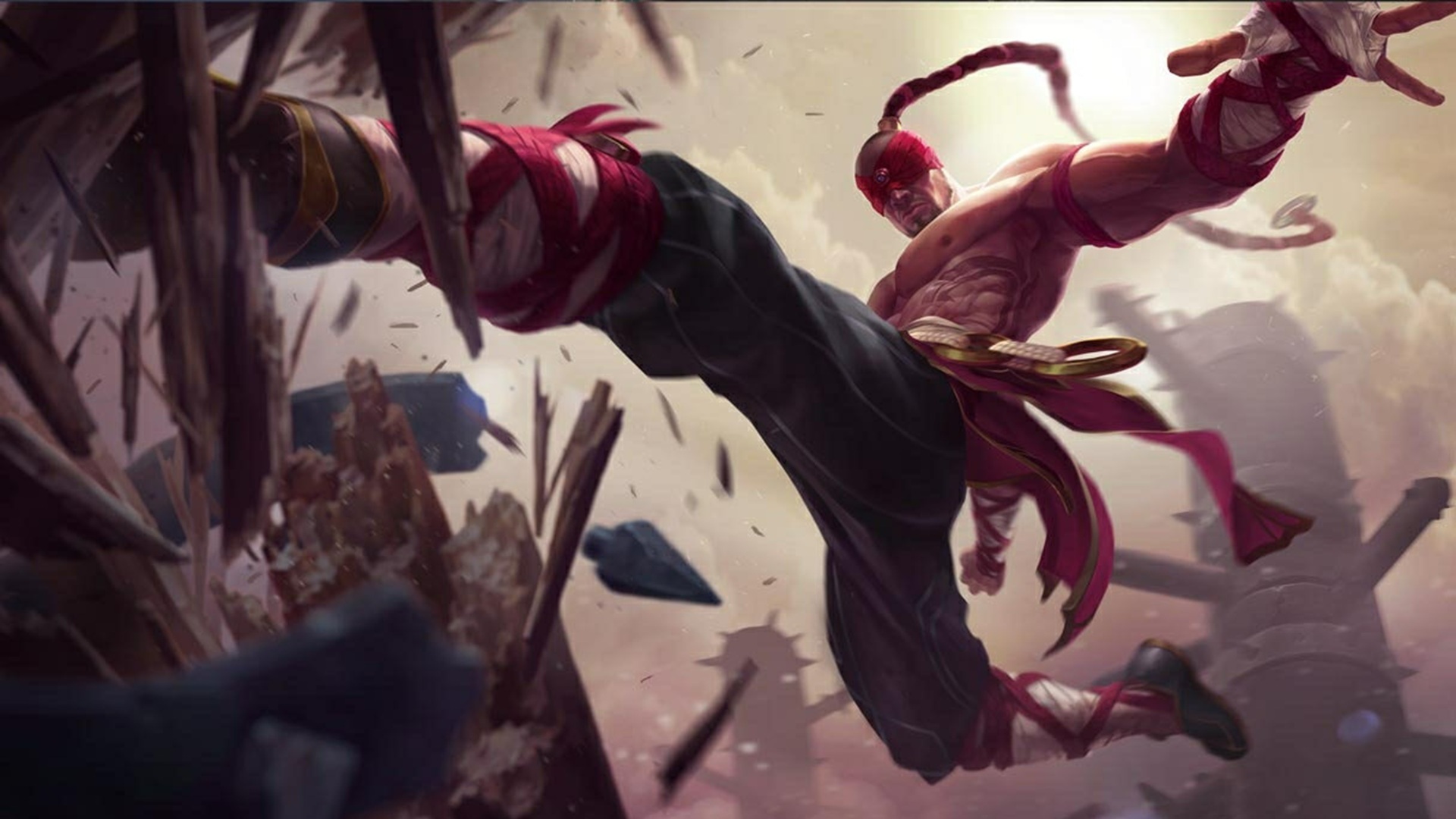
On the other side, two junglers are under focus: Lee Sin and Qiyana.
Phroxzon describes both as two of the strongest junglers, especially in higher skill brackets and in certain regions. Both are therefore being nerfed. Riot is being careful with Qiyana, though, because Bastionbreaker is also being nerfed and she will lose power indirectly through that change as well.
That is exactly the kind of double nerf that can go too far very quickly. If a champion is directly weakened while also losing one of their strongest items, they can move from “too strong” to “basically gone” in one patch.
Riot seems very aware of that this time.
Yasuo and Yone Get a Clearer Weak Point
Yasuo and Yone are also interesting cases. Both have increasingly been buying Immortal Shieldbow as their first item – and Riot actually likes that in principle.
Phroxzon explains that early synergy with their passive fits their champion fantasy well. At the same time, Riot does not like how much lane sustain they already get through Vampiric Scepter before completing the item. That makes the laning phase too safe and reduces the opportunities to punish both champions before their first full item spike.
The idea is therefore pretty clear: Yasuo and Yone are allowed to feel strong once they complete their first item, but they should be more vulnerable before that point.
That is an interesting balance approach. Riot is not simply taking power away across the board, but trying to define their power curve more clearly: a weaker lane before the spike and a stronger payoff after item completion.
Bastionbreaker Becomes More Strategic Instead of Simply Strong
The biggest system topic is Bastionbreaker.
The item is currently just too efficient. Especially its high lethality allows assassins to kill champions while also creating strong map and structure pressure. Riot therefore wants to remove some power from the raw stats and move more of it into the Sabotage passive.
The wildest part is that Riot is testing what is essentially an unlimited duration for Sabotage. That is meant to make Bastionbreaker more of a true strategic item and less of a generic Lethality stat stick.
The idea fits Riot’s current item philosophy pretty well. Strategic items should be purchased because of their unique effect – not because they also happen to offer the best raw stats.
Hubris, Dawncore and Gluttonous Greaves Are Also Being Adjusted
Several other items are changing as well.
According to Phroxzon, Gluttonous Greaves are especially strong on marksmen and are therefore being toned down slightly. Hubris is getting nerfed for ranged champions, while melee users are actually being buffed. Riot wants to stop the item from shining mainly on picks like Jhin or Miss Fortune while its intended assassin users get less value from it.
Dawncore is going in the opposite direction. Right now, the item is mostly purchased when an enchanter is already far ahead. Riot wants it to become a real capstone item again that is attractive even in more normal game states.
That is a good indication of what 26.21 is trying to do: not radical changes, but structural ones. Riot is pushing items toward more clearly defined identities.
More Than 20 Champions Are on the List
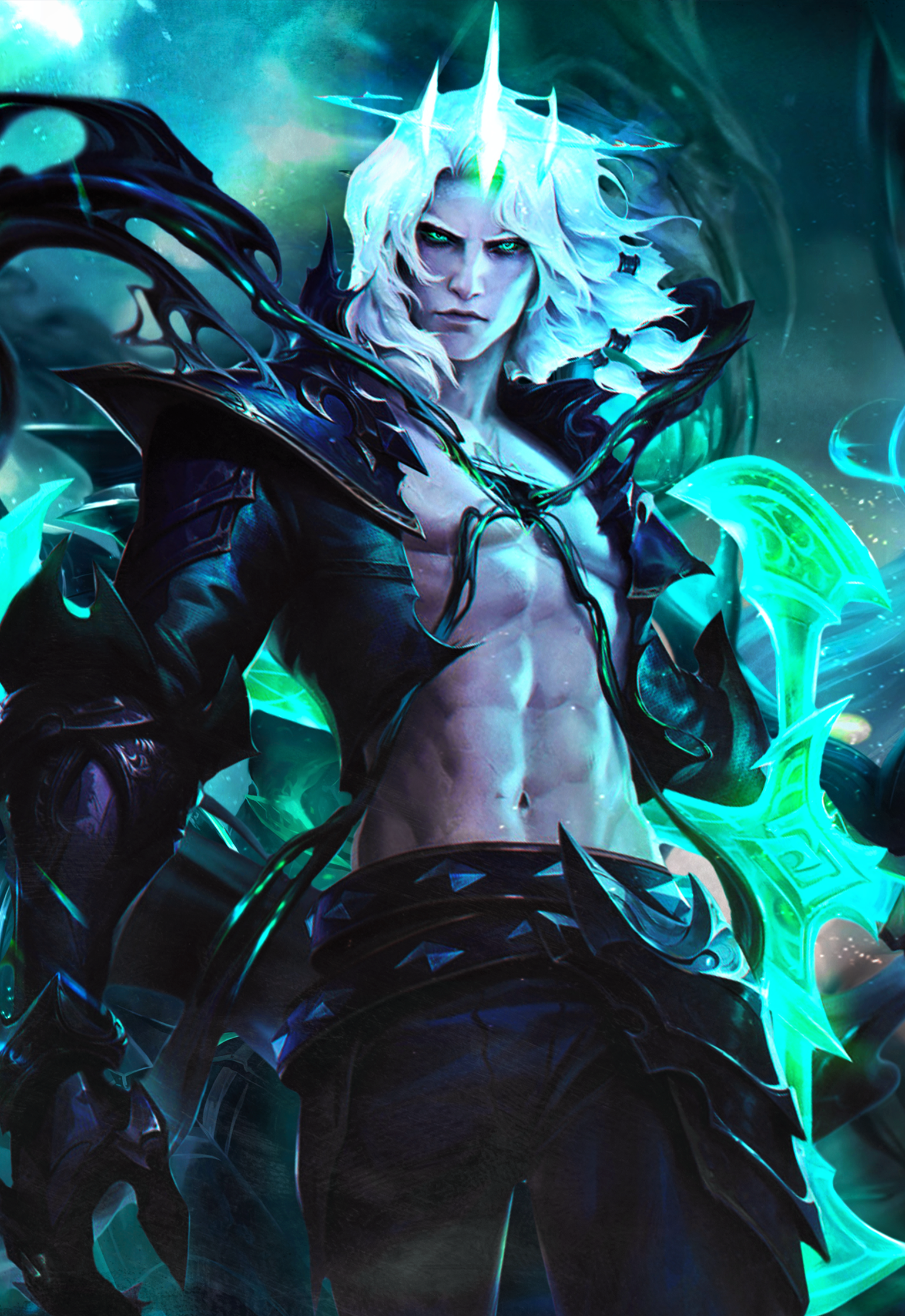
Patch 26.21 is still shaping up to be fairly large. Beyond the cases mentioned above, a wide range of buffs, nerfs and adjustments are planned. Buffs include Azir, Orianna, Ryze, Nunu, Sion, Taliyah, Vel’Koz, Xin Zhao and Zyra. Nerfs are planned for champions such as Caitlyn, Jinx, Lee Sin, Nidalee, Qiyana, Rammus, Tristana, Viktor, Wukong, Yasuo and Yone.
There are also adjustments planned for Locke, Renekton, Varus and Zaahen, plus quality-of-life changes for Taric and Twisted Fate. Taric should once again be able to apply Q and R to untargetable allies, while Twisted Fate’s ultimate is set to reveal untargetable units as well.
Those changes may sound small, but in Solo Queue they can still make a noticeable difference.
26.21 Is the Anti-Worlds Patch
The best way to describe 26.21 is probably this: it is the opposite of the Worlds patch.
Patch 26.20 was built to keep pro play stable, diverse and fair. Patch 26.21 can once again focus more on what League feels like for regular players. That is why Riot is lifting former pro-play victims, nerfing dominant Solo Queue junglers, correcting item outliers and trying to balance champions around clearer strengths and weaknesses.
Phroxzon’s overall philosophy is pretty clear: Riot wants to preserve champion strengths, but redistribute power in a way that makes weaknesses visible again and makes champions healthier overall.
That is what makes 26.21 interesting. Worlds are not even over yet – but Riot is already preparing League for the normal Ranked grind that comes after them.