




































Almost 300,000 bans, and that’s not all.

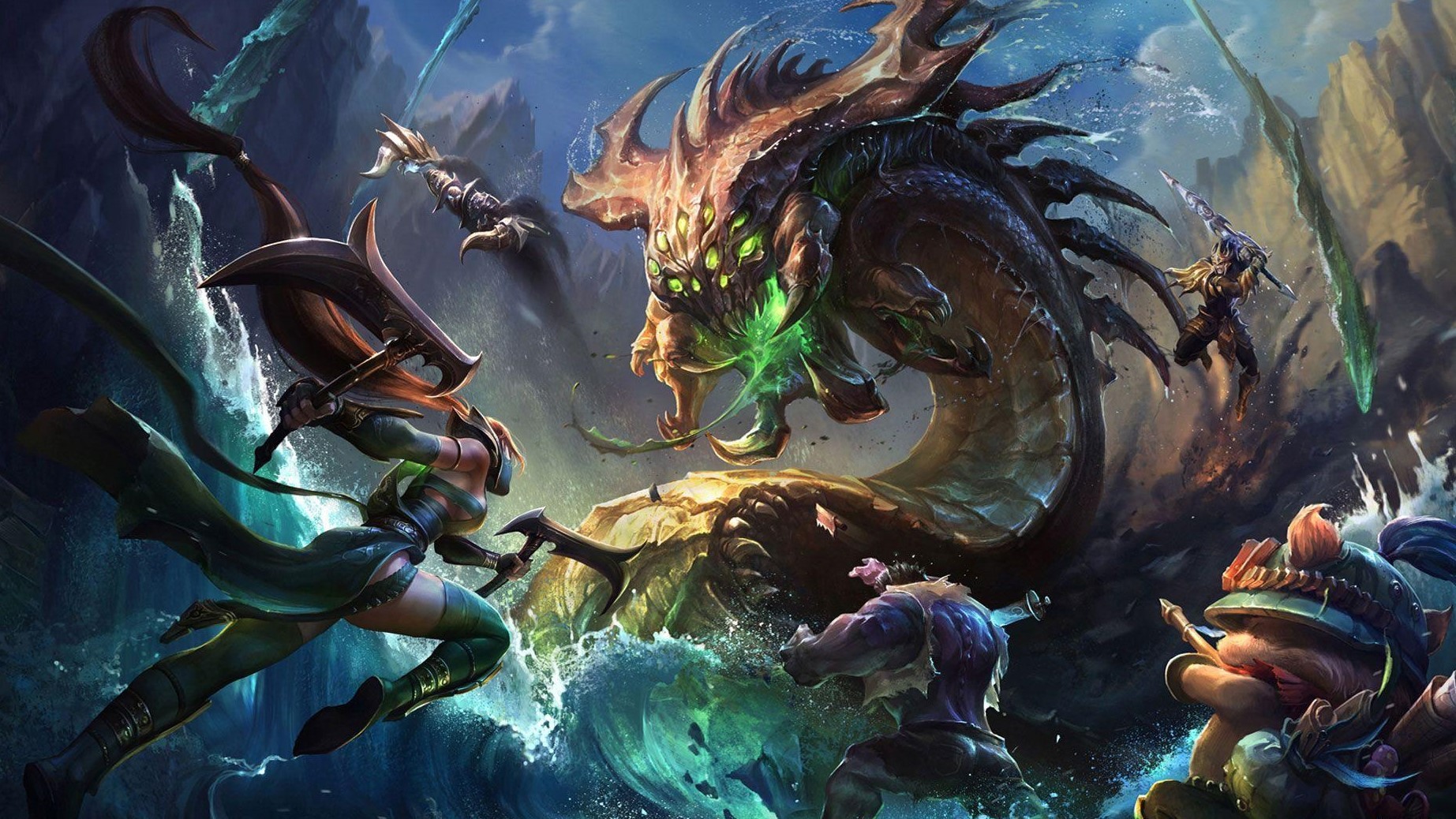
Riot Games is taking a much harder stance against rank manipulation. Since late 2025, a total of 296,416 accounts across League of Legends and VALORANT have been actioned. The focus is on boosting, purchased or botted accounts, and players deliberately getting carried by stronger accounts. For League of Legends, it is the clearest evidence yet that Riot’s anti-boosting push is more than just a promise.
What Riot Actually Considers Rank Manipulation
The most important distinction first: not every smurf account is automatically against the rules.
Riot still allows alternate accounts as long as players create and level them themselves and genuinely play Ranked at their real skill level. A second account for another role, a one-trick account, or an alt used with friends is generally allowed. Problems begin when accounts are purchased, botted, shared, or deliberately kept at an artificially low MMR.
Boosting is one of Riot’s main targets, referring to a stronger player logging onto someone else’s account and playing Ranked to artificially increase its MMR and rank.
Then there is hitchhiking, or bussing. Here, the actual account owner may still be playing, but deliberately queues with a booster or manipulated smurf to climb more easily. Riot can remove the undeserved rank and apply penalties in those cases as well.
For League of Legends, that matters because these accounts have contributed to Ranked frustration for years: low-level accounts with suspicious match histories, massive skill differences, and players whose actual ability clearly does not match their visible Elo.
Vanguard Can Target Boosters on Their Main Accounts
The most important new part is that Riot is no longer looking only at the individual account used for boosting.
In Riot’s latest Vanguard update, Phillip Koskinas explained that purchased accounts or accounts with no genuine owner can be permanently banned. If Riot identifies a known booster and can reliably connect additional accounts—including a main account—escalating suspensions can also be applied there.
That attempts to solve one of the biggest weaknesses of traditional account bans. Banning a cheap disposable account does very little if the player simply moves to the next one five minutes later. A punishment that can reach the actual main account changes the risk significantly.
Riot says it is deliberately cautious here, noting in its enforcement FAQ that sharing an IP address alone is not enough to link accounts. The company says it checks multiple signals before making that kind of decision.
Almost 300,000 Bans – But Riot Is Not Done
The figure of 296,416 accounts is impressive, but it needs context, covering both League of Legends and VALORANT since late 2025. Riot does not provide a breakdown of how many of those accounts specifically came from League of Legends.
Still, the number matters because Riot says the system is not yet operating at full power. Rank removal is expected to become more aggressive in the coming months, while Riot also plans additional technical barriers against disposable accounts.
Those include stronger account and device verification through tools such as Multi-Factor Authentication, TPM 2.0, and Vanguard hardware attestation. The idea is straightforward: the harder it becomes to constantly generate fresh Ranked accounts, the less attractive the business model behind boosting and account selling becomes.
The Community Is Still Asking: Is It Enough?
The initial League of Legends community reaction is predictably mixed. The current Reddit discussion attracted plenty of attention, while some players still ask why suspicious low-level accounts remain so common in their games. Others point out that almost 300,000 penalties clearly cannot only be targeting streamers or high-profile boosters.
Traditional smurfing remains another point of debate. Riot draws the line differently from some parts of the community. If a player levels a fresh account themselves and genuinely plays to win, that is not automatically against the rules—even if they are initially much better than their opponents. It becomes punishable when players intentionally derank, buy accounts, or otherwise manipulate matchmaking.
That leaves an obvious tension: to a Silver player, a legitimate Diamond smurf can feel just as miserable to face as someone on a purchased account, though Riot treats them as two different situations.
It Is Still an Important Step for Ranked
Rank manipulation will probably never disappear completely from League of Legends. As long as rank has value, some players will try to find shortcuts.
The more interesting change is therefore not only the number of bans. Riot is increasingly trying to make the infrastructure behind manipulation unattractive: removing botted accounts, tracking boosters across multiple accounts, punishing hitchhikers, and making new accounts harder to use as disposable products.
Nearly 300,000 actions across League of Legends and VALORANT will not fix Ranked overnight, but they show that Riot is aggressively targeting a long-standing player complaint.
For legitimate players, the rule remains fairly simple: use your own account, level it yourself, and play it yourself. Anything designed to artificially manipulate rank is becoming increasingly risky.