


























Tenebris Somnia blends pixel art and live action in an Argentine survival horror game with a compelling story, inventive encounters, and a love of cinema.
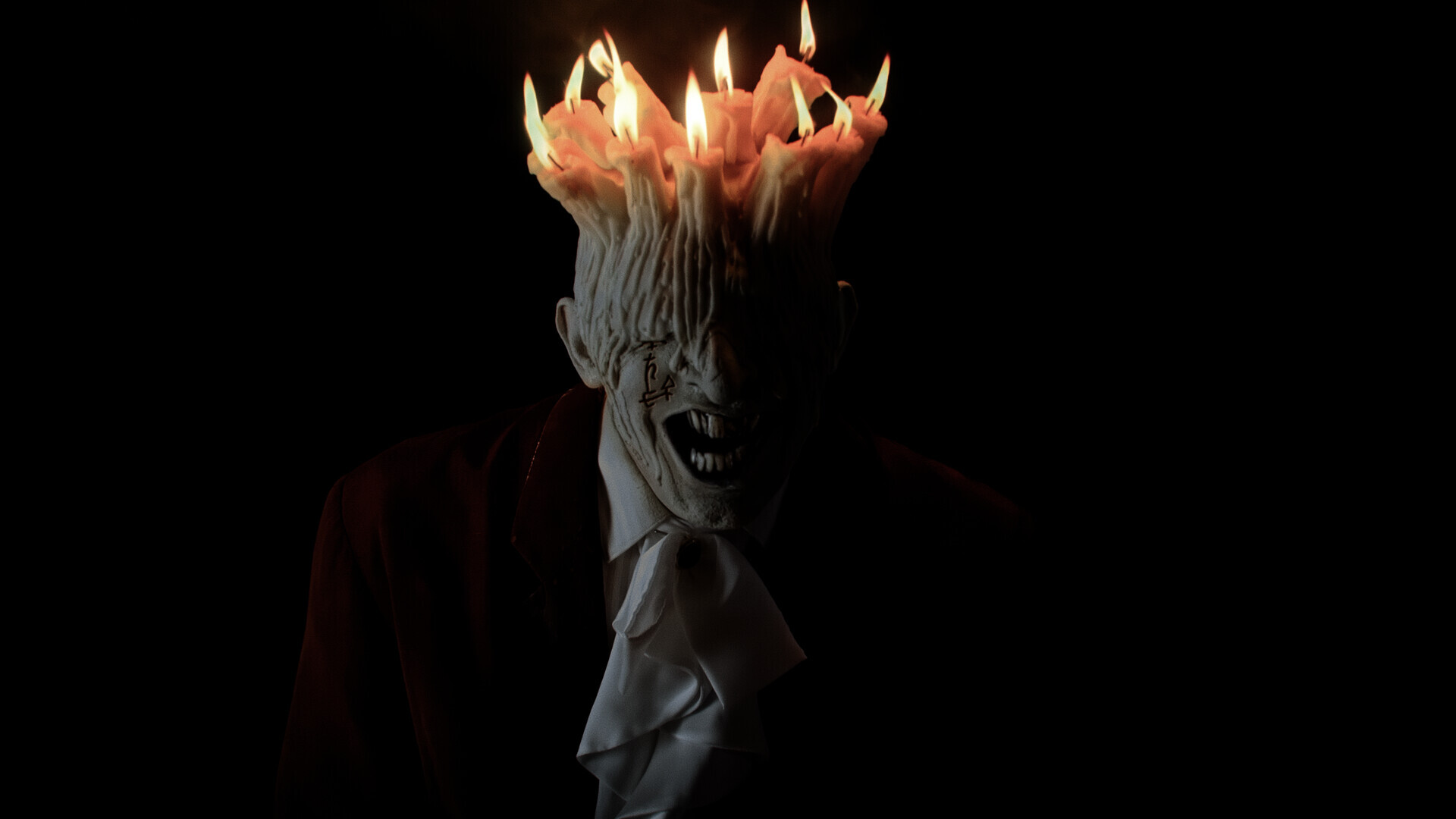
Pixelated monsters have one advantage: however unpleasant they look, our imagination still has to do some of the work. Tenebris Somnia uses that distance to pull us closer whenever it sees fit. Suddenly, the image changes, real actors appear, and something we could watch with relative composure has flesh, physical dimensions, and a much more unsettling presence. It makes a terrific first impression for a horror game, though what ultimately hooked me was the story behind those creatures.
Andrés Borghi and Saibot Studios may have made one of the year's most original games. Its blend of retro survival horror and live-action sequences immediately catches the eye, but there's also a story about demonic cults, artistic passion, and toxic relationships worth discovering. I came in curious about how the experiment would work and found myself invested in something far more human than its abominations initially suggested.
| Rating | 9/10 |
|---|---|
| Platforms | PC |
| Price | $14.99 |
Horror Knows a Thing or Two About Toxic Relationships
Our protagonist, Julia, has nightmares in which her ex-boyfriend meets a gruesome fate. Worried, she decides to check on him. From that visit onward, Tenebris Somnia begins tangling the personal with the supernatural, and you're better off knowing little more before going in.
The influence of Silent Hill is particularly apparent in the way the game approaches its monsters. Their deformed bodies are grotesque expressions of a horror that exists outside nightmares, too: the harm we can inflict on one another. That connection gives the story weight and ensures its most disturbing images have something to say.
I especially liked how the toxic relationships, artistic creation, and cult elements fit together. On paper, combining all of that could result in a collection of ideas competing for attention. Here, the different elements feed into one another, building a story that can be surprising and moving in equal measure. Without getting into the endings, certain twists hit hard both because of what they reveal and what they mean to Julia.
When Pixels Become Flesh
The live-action sequences are Tenebris Somnia's biggest draw, and it would have been easy to turn them into a jump-scare delivery system. Thankfully, there's a clear interest in filmmaking within the game: staging, imagery, and the way this nightmare translates into a physical space all matter. The shift in format has a narrative purpose and a personality that go well beyond showing a monster in greater detail.
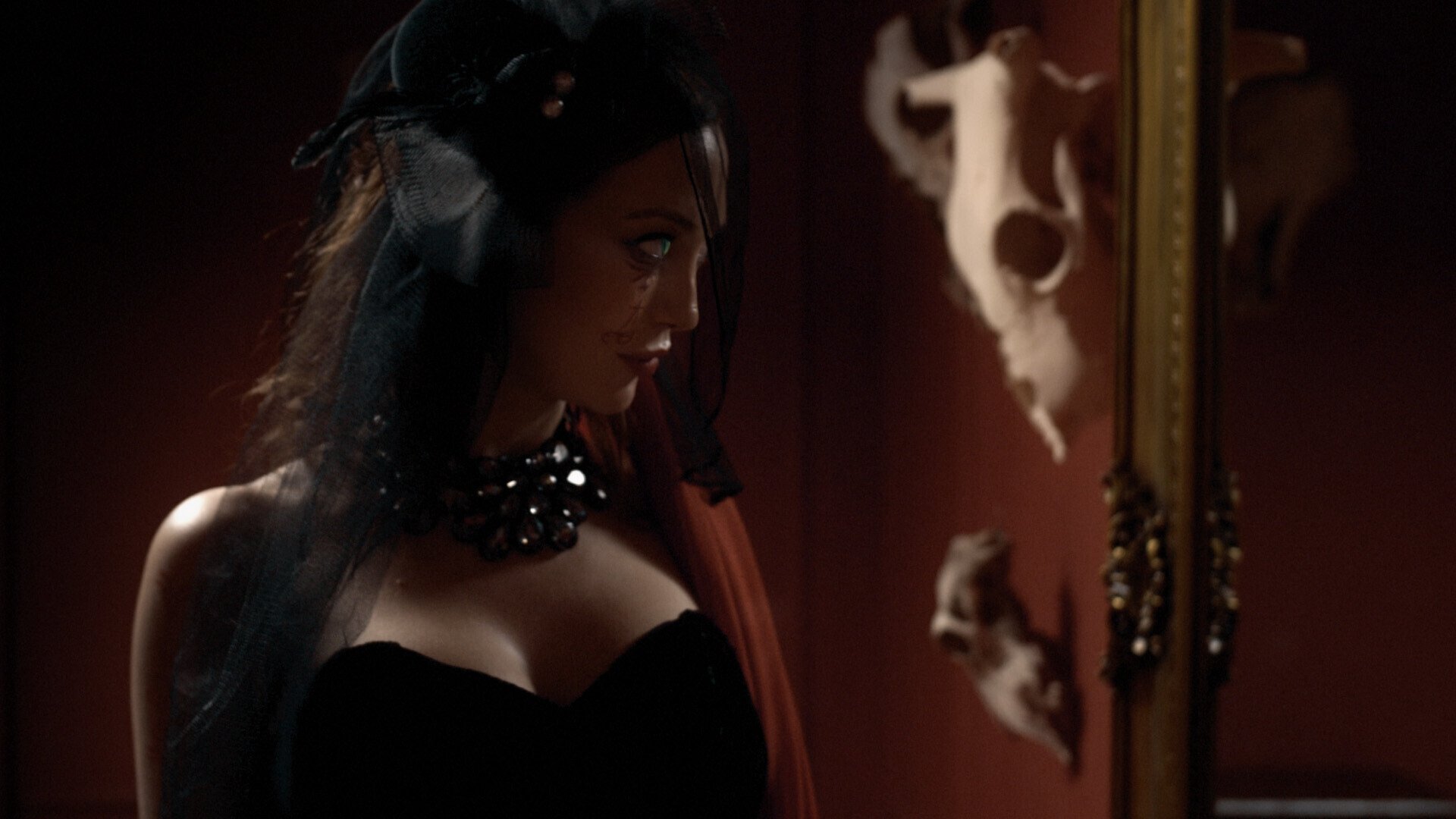
Their presence also starts to infect the playable sections. Once you know the game can abandon its pixels to show you something much more tangible, every corner becomes suspicious. Waiting for the next visual shift creates tension all on its own.
That doesn't mean the pixel art needs the filmed sequences to hold its own. The environments are full of thoughtful details that kept me alert even when nothing particularly threatening was happening. Mirrors reflect Julia, for example, and I spent an unreasonable amount of time watching them, waiting for something horrible to appear behind her. Sometimes a well-placed reflection is all you need to start inventing your own problems.
The Sound Does Much of the Damage
Walking on a carpet sounds different from stepping on broken glass. It's a small detail, but it neatly captures the care that went into building this world. The environment responds to our footsteps, giving it a presence its retro appearance might otherwise lead us to overlook.
The sound design is even more effective when it comes to the creatures. That harsh, compressed texture we associate with older consoles fits the pixel art and produces some truly unsettling noises. It reminded me a lot of FAITH: The Unholy Trinity, another game capable of doing horrific things with a seemingly simple presentation.
Airdorf, the creator of FAITH, serves as executive producer here, though you don't need to credit him with every similarity to recognize a shared sensibility. Both games understand how disturbing a sound can be when the image leaves room for imagination. In Tenebris Somnia, listening to your surroundings is as much a part of the fear as looking at them.
Fighting Takes More Than Aiming at the Monster
The combat is competent without being extraordinary. Its basic mechanics work, but what I enjoyed most was the creativity of the situations in which you use them. The game finds ways to make life difficult that go beyond locking Julia in a room with something that wants to kill her.
In some encounters, a television lets you locate enemies; in others, you need to watch a reflection. You'll also have to defend a statue of yourself against an invasion of small creatures. These ideas change how you interact with the environment, forcing you to understand what's happening before trying to solve it with a swing or a shot.
The puzzles offer a breather between those encounters and strike a comfortable balance in difficulty. They made me stop and think without becoming frustrating roadblocks or busywork with solutions obvious the moment I walked in. They fit the adventure's pacing well, giving exploration, puzzle-solving, and survival their share of attention.
Too Many Bullets, Too Few Bullets, and No Peace of Mind
My main issue is the ammunition balance. For much of the game, I swung between carrying a full inventory because I was reluctant to waste bullets on regular enemies and running practically dry after a boss. Hoarding resources "just in case" comes naturally to many survival horror fans, but here I found myself at those two extremes too often.
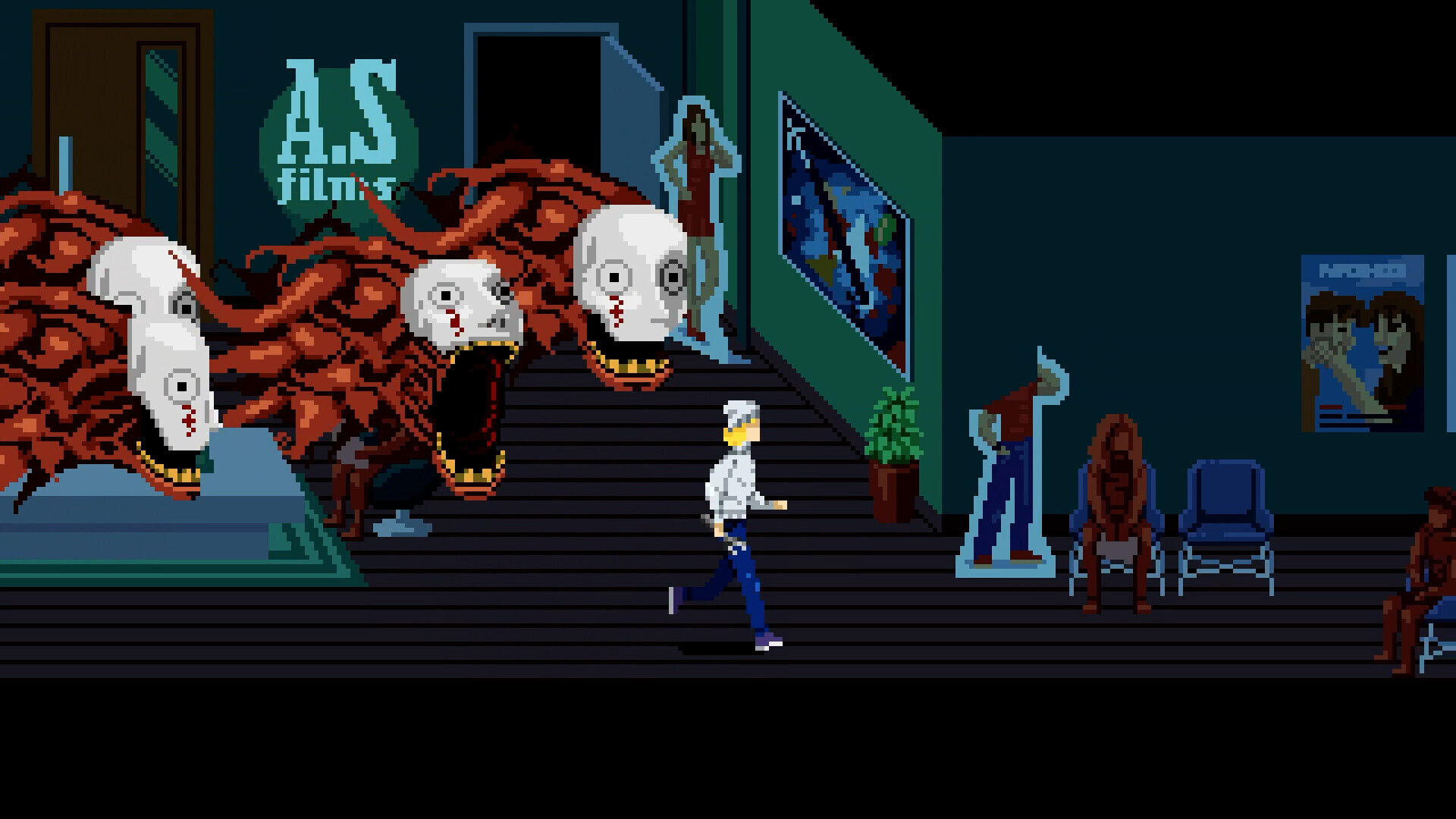
I would have preferred a distribution that made those supplies dwindle more gradually. When one encounter burns through everything you've spent ages stockpiling, resource management loses some of its appeal: you go from saving almost instinctively to spending because you have no other choice.
Healing items, on the other hand, kept me exactly where the game wanted me. I never felt entirely confident that I'd be able to recover from the next encounter. That uncertainty sustained the tension even when I was well armed, because having ammunition and being in any condition to survive are very different concerns.
An Argentine Nightmare With a Love of Cinema
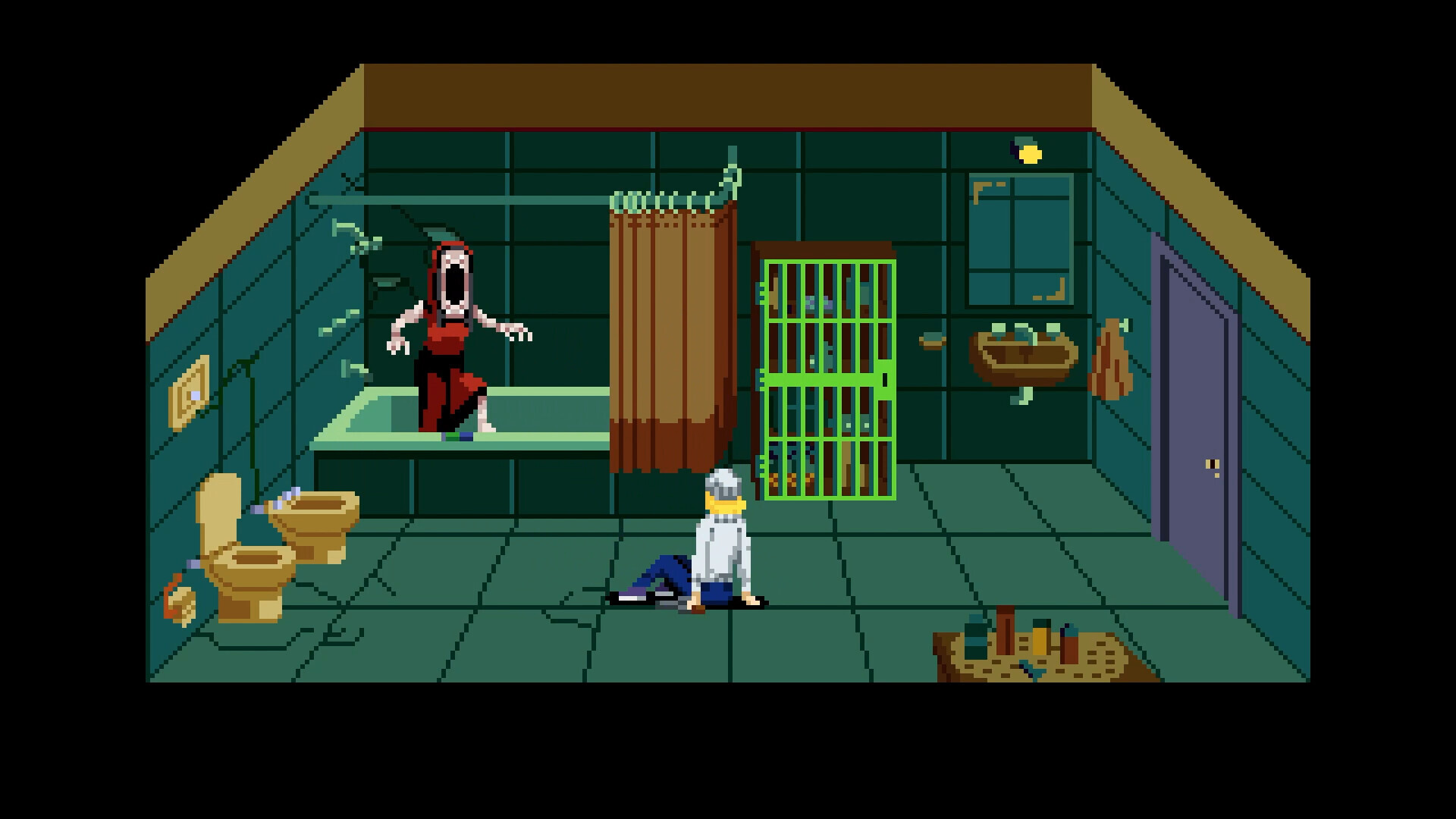
Among all the creatures and darkness, there's also a recognizable local identity. Mate, references to film industry figures, and nods to areas of Buenos Aires give the game a distinctly Argentine character. For those of us familiar with these references, spotting them adds an unusual sense of familiarity in the middle of such a nightmare.
A love of cinema runs through the experience, too. Posters invite you to stop and identify the films, while the film-school background and passion for the classics connect the setting to the story's themes. You can feel the enthusiasm of people who enjoy making movies and talking about them, even when the conversation ends up covered in blood.
Across my roughly eight hours of play, I never felt the game was dragging things out for the sake of it. The story gives its ideas room to develop and delivers emotionally resonant endings without exhausting the appeal of its mixed formats. There's even room for a joke ending: another nod to Silent Hill that fits its affection for the genre's classics.
Verdict: 9/10
Tenebris Somnia is a little indie horror gem. Its blend of pixel art and live action opens the door to a worthwhile story, supported by excellent sound design, imaginative combat encounters, and details that keep you uneasy even in quieter moments. The ammunition distribution could be better balanced, and the basic combat isn't its greatest strength, but I ended up far more concerned with Julia, her nightmares, and what they meant. It's an easy recommendation for anyone who enjoys survival horror and appreciates a game that has something to say alongside its scares.