



























From Old Hollywood icons to modern powerhouses who’ve reshaped what leading roles can be, these are the best 15 actresses of all time.

Making a “best actresses of all time” list is basically volunteering to get yelled at by film Twitter, your uncle who only watches westerns, and that one friend who thinks acting peaked in 1974. Fair. But it’s also a fun excuse to talk about the performers who didn’t just play roles – they moved the medium forward.
This isn’t a math problem where awards = greatness. It’s about screen presence, craft, risk, range, and that hard-to-define thing where a single look can tell a whole backstory. From Old Hollywood icons to modern monsters-of-the-craft, here are 15 actresses whose work still sets the standard.
15. Kate Winslet
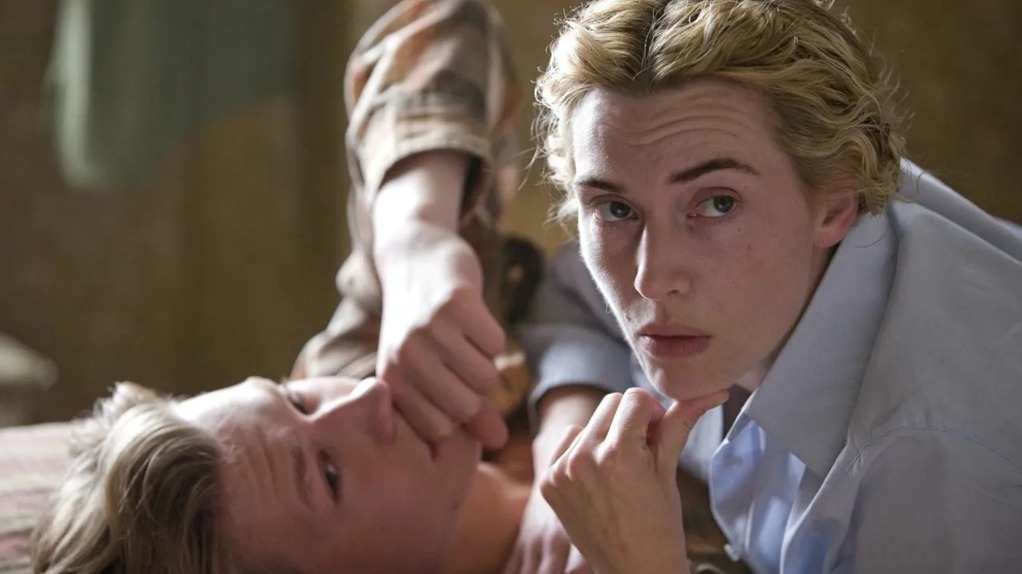
Kate Winslet could’ve lived forever on the glow of Titanic. Instead, she made a habit of picking the thorny option: messy people, messy feelings, messy consequences. There’s a bravery in how unvarnished she is – she’ll make a character unlikable for several days straight if it means one single important moment lands true. Winslet isn’t interested in being admired in a scene; she’s interested in making the scene work. That’s why she stays essential, decade after decade.
14. Julianne Moore
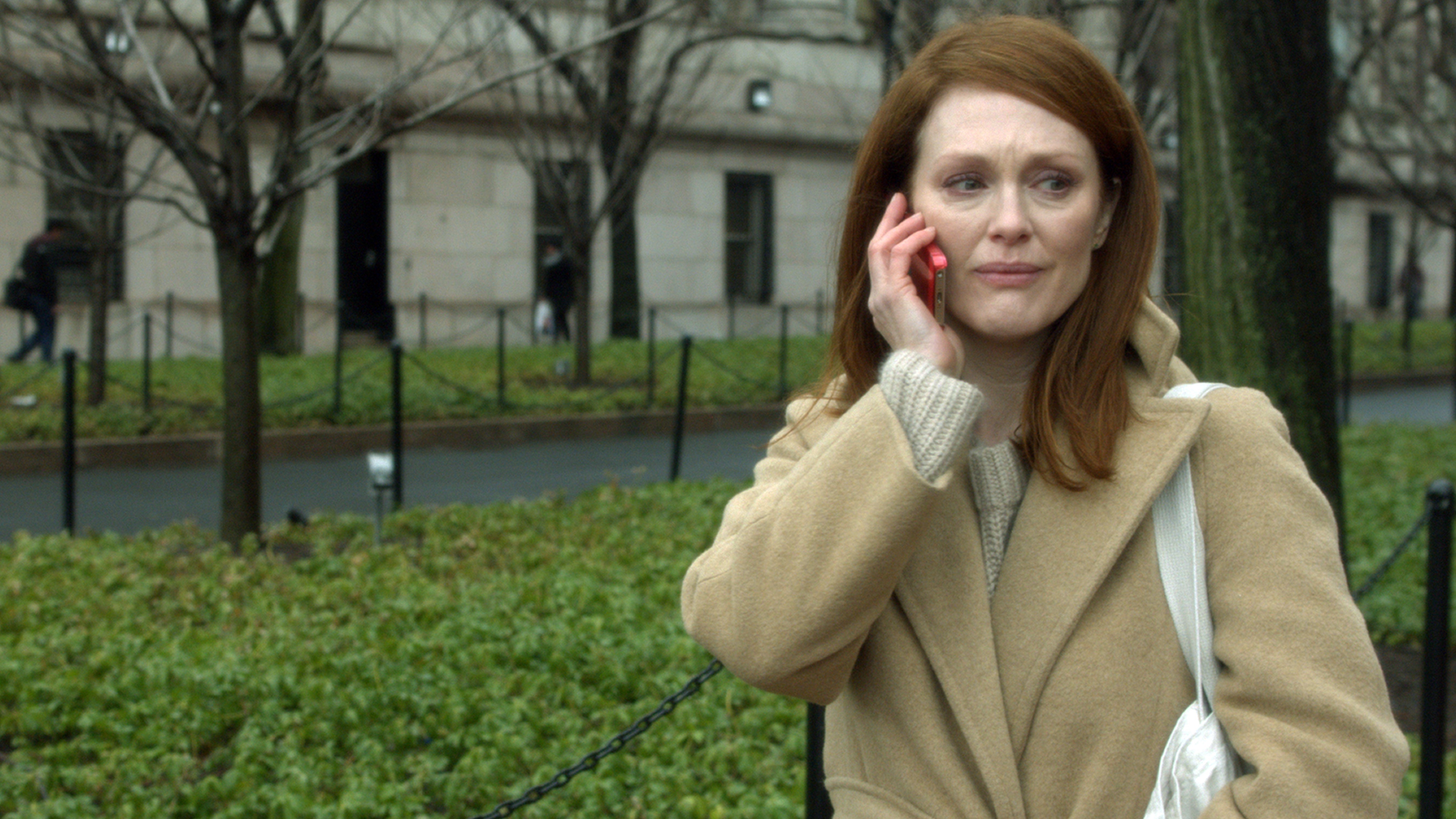
Julianne Moore can do devastation at a whisper. She’s one of the rare stars who makes emotional chaos feel specific instead of dramatic – like she’s letting you in on a private thought you weren’t supposed to hear. Whether she’s operating in the glossy weirdness of Boogie Nights or the intimate unraveling of Still Alice, she brings the same unsettling honesty: no polish, no safety net. Moore’s superpower is clarity – she shows you exactly what a character wants, and then lets you watch that want destroy them in slow motion.
13. Sophia Loren

Sophia Loren didn’t just define Italian cinema – she became its soul. With that smoky voice and impossible elegance, she could turn a line of dialogue into poetry. But beneath all the glamour, there was grit: Two Women earned her an Oscar for portraying maternal strength in wartime, and it remains one of the most wrenching performances ever put to film. Loren’s charm wasn’t the Hollywood kind – it was earthy, confident, proudly unpolished. She brought sensuality without pretense, and intelligence without needing to announce it. Even decades later, her presence radiates the same timeless quality – part movie star, part living memory of an era when cinema itself was learning how to feel.
12. Natalie Portman

Natalie Portman’s career is a long-running experiment in how far you can push intensity without tipping into melodrama. She’s drawn to characters with obsession in their bloodstream – performers, prodigies, people who are one bad day from self-destruction. Black Swan is the obvious headline, but the pattern runs deeper: she likes roles where control is the illusion and the cracks are the point. Portman doesn’t just “go dark” – she goes precise, letting you see the mechanics of a person coming undone.
11. Viola Davis

Viola Davis walks into a movie and suddenly it has a heartbeat. The power isn’t volume – it’s authority. She can turn a pause into a threat, a monologue into a reckoning, a single tear into a whole history. From Doubt to Fences to The Woman King, she brings a kind of lived-in truth that makes everything around her either rise to the occasion or get exposed. Watching her act feels like watching someone refuse to lie, even for a second.
10. Tilda Swinton
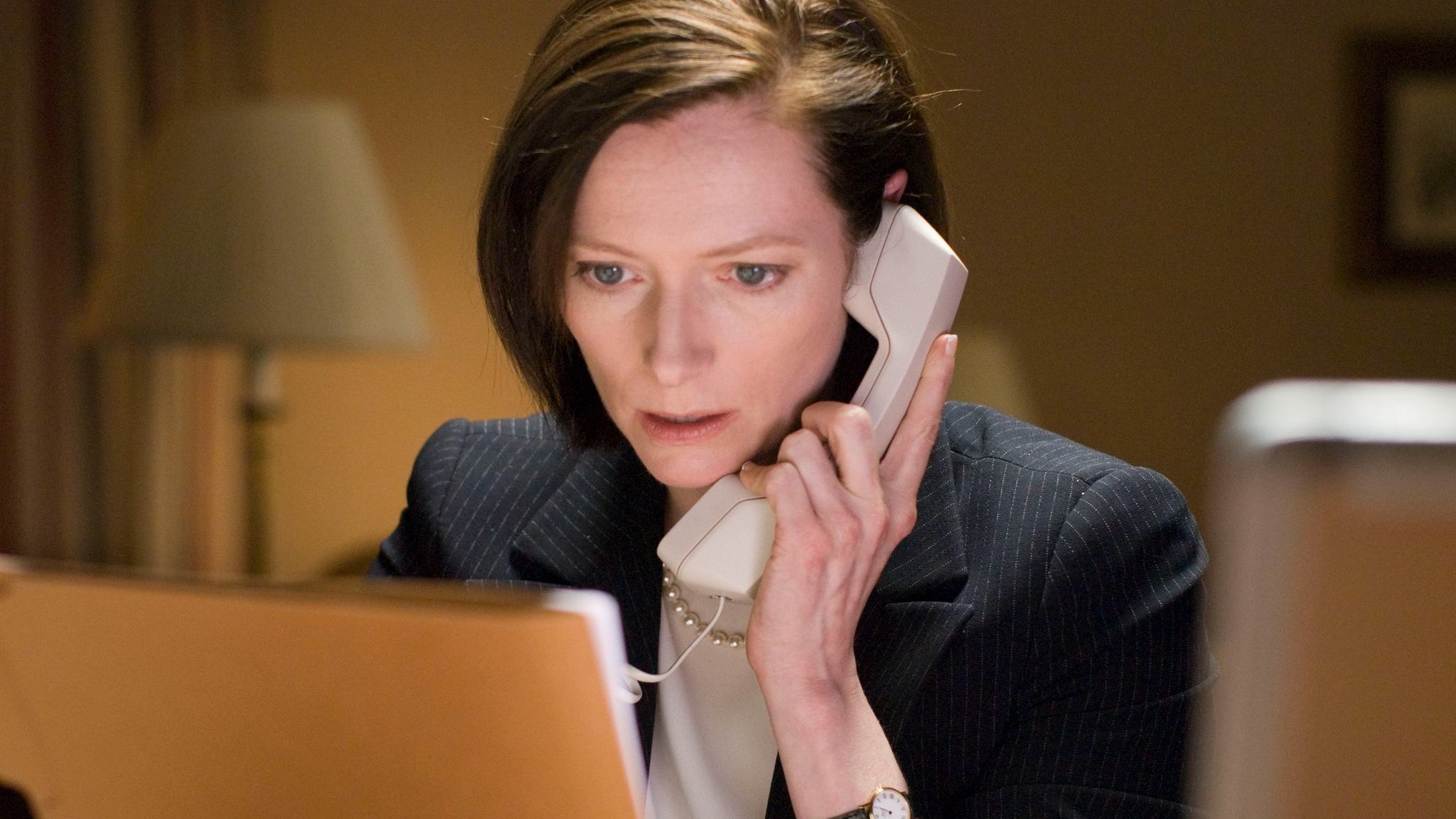
Tilda Swinton treats cinema like a shape-shifting playground. She’s not a performer you “cast” so much as a force you invite into your film and hope you can contain. One role she’s pure elegance; the next she’s a fever dream; the next she’s something that looks human but feels slightly mythological. Swinton’s genius is that the weirdness never becomes a gimmick – it’s always tethered to intention. Even her smallest choices feel like they were made by someone who understands the whole frame.
9. Frances McDormand

Frances McDormand doesn’t “perform” so much as she occupies a character like it’s the most natural thing in the world. She’s the patron saint of plain-spoken brilliance – the kind of actor who can make a shrug feel like a moral argument. Whether she’s all steel and dry humor in Fargo, turning grief into something tender and combustible in Three Billboards Outside Ebbing, Missouri, or quietly observing the edges of America in Nomadland, she’s always grounded, always real. McDormand’s greatness is anti-glamour: she refuses the usual movie-star tricks and still ends up being the most magnetic person on screen.
8. Elizabeth Taylor

Elizabeth Taylor is proof that a tabloid life doesn’t cancel out serious craft – if anything, it sharpened it. She had the face of a legend, sure, but the acting was the real weapon: fearless, volatile, and emotionally blunt. In Cat on a Hot Tin Roof she’s all heat and hurt; in Who’s Afraid of Virginia Woolf? she’s practically daring the camera to look away. Taylor made glamour look dangerous, and she made pain look strangely powerful. Nobody wore movie stardom like her, but nobody fought for the scene like her either.
7. Ingrid Bergman

Ingrid Bergman had that rare ability to make classic Hollywood romance feel like actual human longing instead of a studio product. She brought honesty into big, sweeping stories – the kind of honesty that survives decades of rewatching. In Casablanca, she’s iconic without ever acting “iconic.” In thrillers and dramas, she could turn purity into complexity, vulnerability into strength. She didn’t just glow; she connected. That’s why her work still feels close, even when the films are a lifetime away.
6. Nicole Kidman

Nicole Kidman’s filmography reads like someone spinning the “choose chaos” wheel on purpose. She’ll do grand romantic spectacle and then pivot into psychological dread without blinking. Kidman’s best work has a quietly unnerving quality – she can be poised and transparent at the same time, like you’re watching someone maintain control while their world tilts. The Oscar moment matters, sure, but the real story is her curiosity: she chases directors, tones, and characters that feel risky. That willingness to leap is why she’s still unpredictable.
5. Audrey Hepburn

Audrey Hepburn’s legacy is often reduced to style, which is funny – because the acting is what made the style matter. She had immaculate timing, a natural warmth, and a hidden melancholy that gave her characters dimension beneath the charm. Whether she’s sparkling in a romantic classic or carrying something heavier, Hepburn made sincerity feel like a superpower. She didn’t bulldoze scenes; she made you lean in. Even now, she’s the blueprint for a kind of screen presence that feels gentle without ever being weak.
4. Cate Blanchett

Cate Blanchett has the rare gift of making mastery look like play. She can be regal, ridiculous, terrifying, tender – sometimes within the same scene – and it all feels earned. There’s an intelligence to her choices that never becomes cold; she uses it to build characters with real inner weather. From the grandeur of historical roles to the modern precision of performances like TÁR, she’s a reminder that “range” isn’t about accents or costumes – it’s about control, risk, and fearless specificity.
3. Bette Davis

Bette Davis didn’t ask for permission – she took the role and dared you to handle it. She specialized in women with sharp edges and complicated motives, long before Hollywood was comfortable letting actresses be “difficult.” Her intensity wasn’t decorative; it was confrontational. In films like All About Eve and What Ever Happened to Baby Jane?, she turns insecurity, ambition, and cruelty into something almost operatic. Davis helped invent the idea that a woman on screen could be brilliant and ugly and fascinating all at once – and the industry has been catching up ever since.
2. Meryl Streep
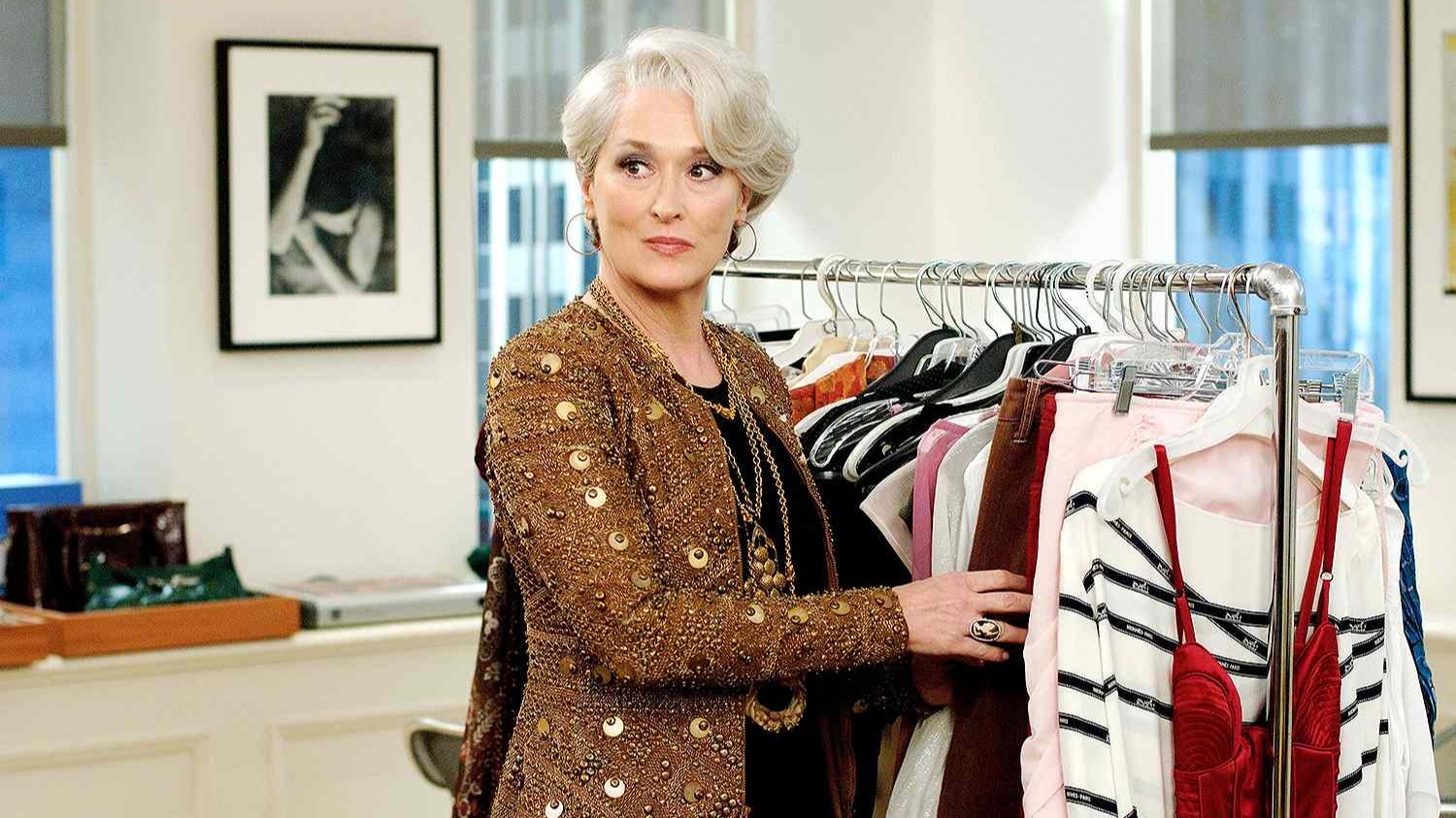
Meryl Streep became the measuring stick because she can do almost anything and still make it feel human. Comedy, tragedy, intimidation, tenderness – she doesn’t just switch modes; she finds the pulse of the character and builds outward. People joke about the nominations, but the real achievement is longevity without stagnation. Even in roles that could’ve been caricature, she finds a strange emotional logic. Streep’s work is proof that technique doesn’t kill feeling – it can actually make it sharper.
1. Katharine Hepburn

Katharine Hepburn didn’t just break the mold – she made sure nobody could glue it back together. She brought wit, spine, and a kind of fearless independence that still feels modern. In an era when actresses were expected to be soft and ornamental, she was sharp and idiosyncratic and unapologetically herself. The performances span comedy, romance, and late-career heartbreak, but the throughline is unmistakable: she plays women with minds, with agency, with heat. Hepburn’s influence is everywhere. If you’ve ever cheered for a character because she refused to shrink, you’re cheering in her shadow.