Plenty of older games look their age the moment you boot them up, but some feel just as sharp now as they did on release. These 15 hold up beautifully today, proving that great design ages a lot better than fancy graphics ever could.
Age hasn't slowed them down.
Most games give you goals and expect you to chase them, but SimCity hands you an empty plot of land and asks what you want to build. The genius lies in how it makes urban planning feel like play, turning traffic patterns and tax rates into genuine puzzles worth solving. Thirty-five years later, watching your little digital citizens complain about pollution or celebrate a new stadium still hits the same way. No other city builder has matched that perfect balance between simulation depth and pure creative sandbox freedom. | © Maxis
Dungeon Keeper lets you play as the villain for once, building underground lairs and commanding armies of creatures that most fantasy games would have you slaying. The twist comes from how genuinely fun it feels to be evil, especially when your imps are slapping each other around or your creatures are demanding better working conditions in between torture sessions. Bullfrog's design makes management feel personal rather than mechanical, because every room you carve and every monster you recruit has personality baked right into the animation. Most strategy games take themselves seriously, but this one knows exactly how ridiculous it is. | © Electronic Arts
Max Payne turned third-person shootouts into noir poetry by slowing down time and letting bullets trace elegant arcs through the air. The bullet-time mechanic wasn't just a gimmick; it made every gunfight feel like a John Woo movie where you controlled the choreography. Remedy Entertainment wrapped this revolutionary combat system in a genuinely dark story about loss and revenge, complete with graphic novel cutscenes that actually enhanced the mood instead of interrupting it. Twenty years later, no game has quite captured that same mix of stylish violence and genuine melancholy. | © Gathering of Developers
Grand Theft Auto III dropped players into Liberty City with one simple promise: you could steal any car, hurt any person, and ignore every rule that other games insisted you follow. The freedom felt genuinely shocking in 2001, not because the violence was particularly graphic, but because the game refused to apologize for letting you be the villain. Twenty years later, the shooting feels clunky, and the graphics look rough, but that core thrill of total criminal freedom still hits the same way. Nothing since has matched the pure anarchic joy of walking up to a nice car and just taking it. | © Rockstar Games

Crysis arrived asking one simple question that haunted PC gamers for years: "But can it run Crysis?" The game's technical demands were so extreme that it basically served as an unofficial benchmark tool, pushing hardware to its limits while delivering visuals that still hold up today. Beyond the graphics showcase, the open-ended approach to combat let you tackle enemies as a super-soldier, a stealth ghost, or something in between. What looked like a tech demo actually had teeth. | © Electronic Arts
Fallout 3 dropped players into a nuclear wasteland and told them to figure out how to survive, explore, and make choices that actually mattered. The game's strength came from how it balanced complete freedom with genuine consequences, letting you wander into situations you weren't ready for or talk your way out of fights you couldn't win. Bethesda took the classic Fallout formula and made it work in real-time 3D without losing the dark humor or moral complexity that made the series special. Every abandoned building and random encounter felt like it was hiding something worth finding. | © Bethesda Softworks
Day of the Tentacle turns time travel into the most ridiculous puzzle game ever made, where flushing a hamster down a toilet in the past somehow prevents a purple tentacle from taking over the world. The cartoon logic makes perfect sense within its own twisted reality, letting you bounce between three time periods to set up elaborate cause-and-effect chains that would make Rube Goldberg jealous. LucasArts built this thing like a comedy machine designed to reward the most sideways thinking possible. Twenty-five years later, adventure games still haven't figured out how to be this funny and this clever at the same time. | © LucasArts
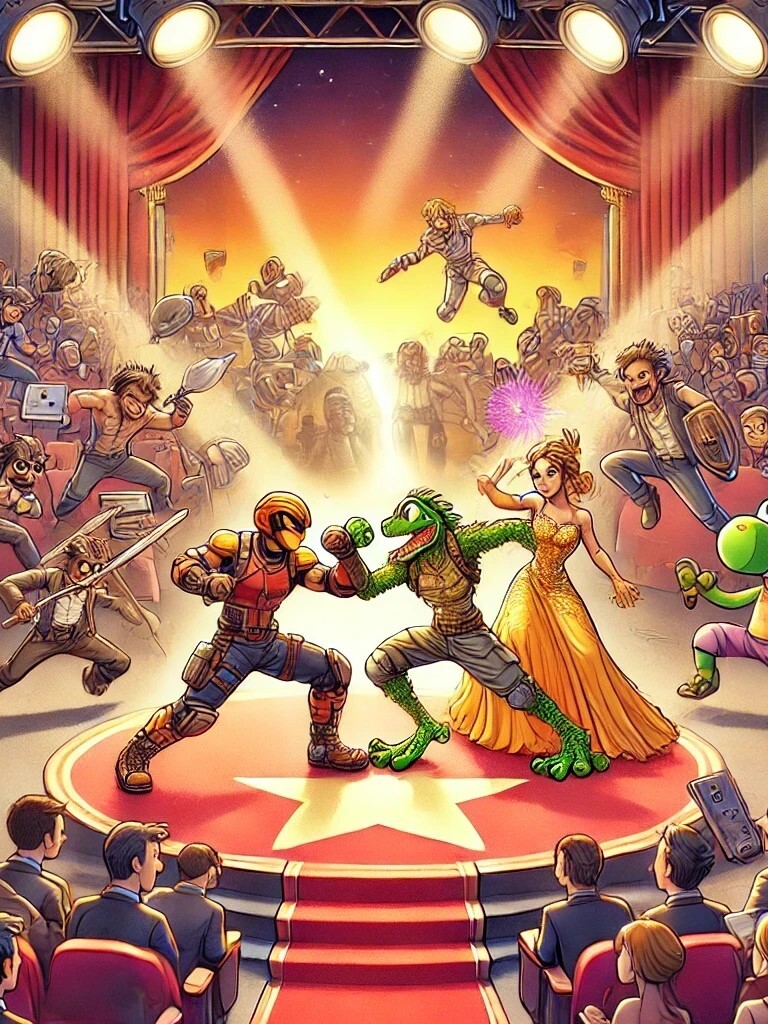
StarCraft turned real-time strategy into a sport before anyone knew that was possible. The three playable races feel completely different, rather than just cosmetically swapped, forcing players to master distinct styles of thinking and resource management. Blizzard built something so perfectly balanced that professional players are still discovering new strategies twenty-five years later. Korea turned it into a national obsession, but the rest of the world caught up once they realized the game rewards genuine skill over button mashing. | © Blizzard Entertainment
Diablo II perfected the art of making players chase one more rare drop, one more level, one more perfectly rolled piece of gear. The game turns grinding into a compulsion by making every enemy death feel like a lottery ticket, where the next swing might finally produce that legendary weapon you have been hunting for months. Twenty-four years later, people still boot up their old characters to run the same dungeons they have cleared thousands of times. Nothing quite captures that specific addiction the way Diablo II does. | © Blizzard Entertainment
Age of Empires II turns medieval warfare into something that feels like solving a puzzle and painting a masterwork at the same time. The game gives you just enough resources to make every decision matter, whether you're building up defenses or rushing cavalry across enemy farmland. Twenty-five years later, it still hooks players because the balance between economics, military strategy, and pure timing never gets old. Nothing quite matches the satisfaction of watching your carefully planned siege finally crack open a rival's walls. | © Microsoft
Final Fantasy VII arrived when JRPGs were still niche in the West and proved that turn-based combat could hook mainstream audiences if the story hit hard enough. The game builds around Cloud's fractured identity and a planet-killing corporation, but the real punch comes from watching Aerith die halfway through, breaking the unspoken rule that party members stay safe. Those pre-rendered backgrounds still look gorgeous because they were painted with actual artistic intent, not just technical showing off. Twenty-six years later, people still argue about whether the remake captures what made the original special. | © Sony Computer Entertainment


Portal proves that the best puzzle games don't just challenge your brain—they mess with your expectations about what a game can be. The entire experience runs maybe four hours, but every room teaches you something new about thinking with portals while a passive-aggressive AI delivers some of the funniest writing in gaming history. Most puzzle games feel like work disguised as entertainment, but Portal makes spatial reasoning feel like magic. The cake jokes became memes for a reason, but the real genius is how the game makes you feel clever for solving problems it designed you to solve. | © Valve

Doom turned shooting demons into a visceral art form that still feels immediate thirty years later. The game throws you into Mars facilities overrun by hellspawn with nothing but increasingly satisfying weapons and a soundtrack that sounds like heavy metal filtered through a computer. Most early shooters felt clunky or academic, but this one understood that speed and violence could be their own kind of poetry. Every shotgun blast and chainsaw rev hits with the same brutal satisfaction today as it did in 1993. | © id Software
Most games give you a problem and exactly one way to solve it, but Deus Ex hands you a toolbox and trusts you to figure out what works. You can hack through a security system, sweet-talk a guard, find an alternate route, or just start shooting, and the game respects every choice equally. The conspiracy plot about shadowy organizations and technological control feels less like science fiction and more like reading tomorrow's news. Twenty-four years later, nothing else has matched its faith in player creativity. | © Eidos Interactive
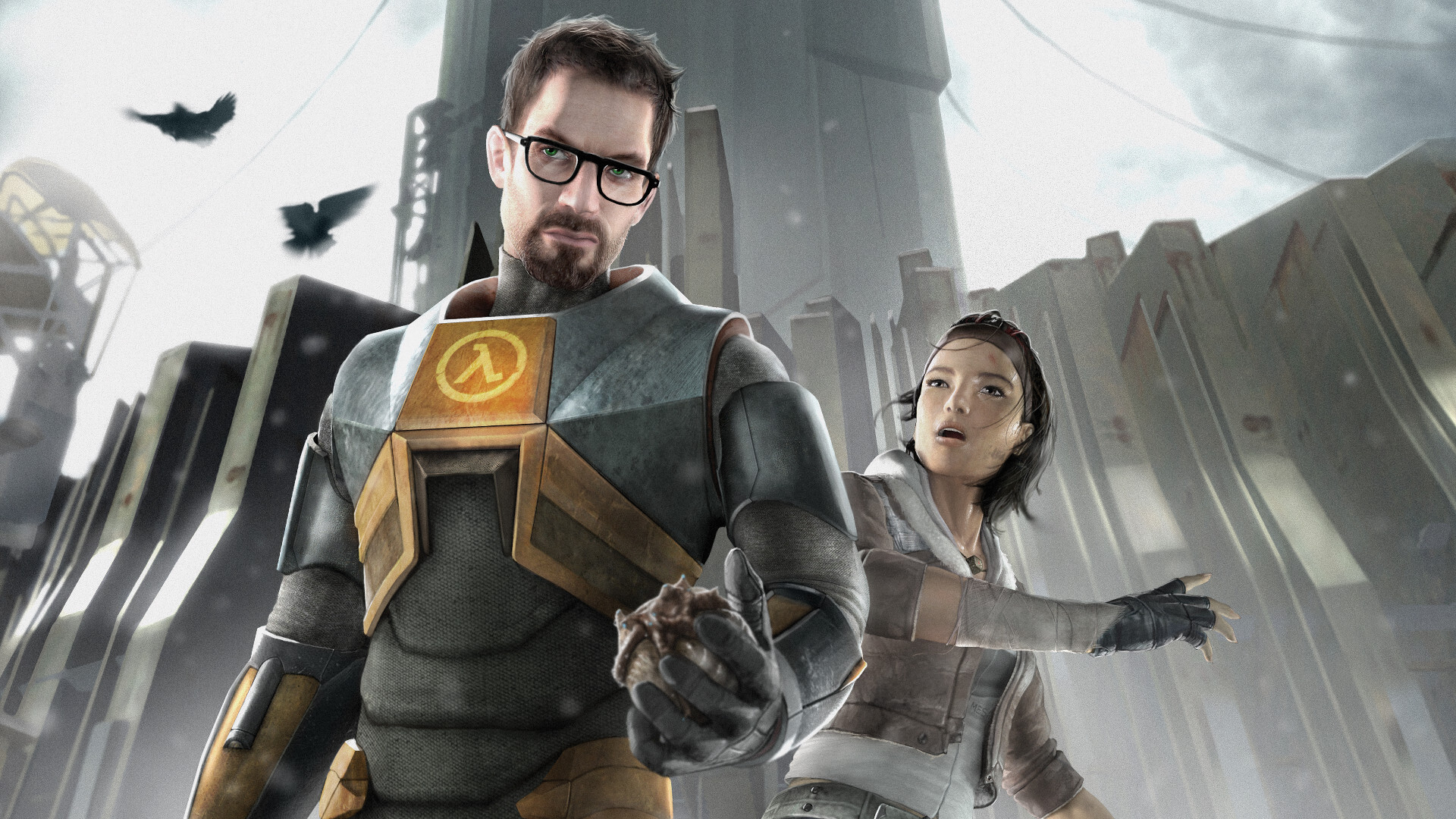
Half-Life doesn't announce itself with a cutscene or opening credits. Instead, you ride a tram through Black Mesa while scientists discuss mundane research problems, then spend twenty minutes doing actual lab work before everything goes catastrophically wrong. The genius lies in how Valve makes you complicit in the disaster, then forces you to solve problems with crowbars, physics, and environmental storytelling rather than just shooting everything that moves. Most games from 1998 feel ancient today, but this one still teaches modern developers how to pace tension and build atmosphere. | © Valve
Plenty of older games look their age the moment you boot them up, but some feel just as sharp now as they did on release. These 15 hold up beautifully today, proving that great design ages a lot better than fancy graphics ever could.