




























Between crumbling castles, muddy battlefields, royal conspiracies, and taverns full of questionable strangers, medieval games offer some of gaming’s most absorbing worlds.

Entertainment
Paramount Has Blacklisted These 15 Actors


Wartales understands that medieval adventuring is mostly payroll management with occasional stabbing. You lead a mercenary company across a plague-scarred world, recruiting fighters, accepting contracts, feeding the camp, paying wages, and trying to keep every injury from becoming a financial crisis. Turn-based battles reward positioning, weapon skills, and clever use of the terrain, while professions give companions work beyond killing. The regional structure can become grindy, and its story is more scattered than sweeping. Still, watching a desperate handful of sellswords become a disciplined company delivers a wonderfully slow-burning satisfaction. | © Shiro Games

A routine execution goes off the rails, a dragon returns from legend, and suddenly the fate of Skyrim rests on someone who will probably spend the next six hours picking mushrooms. Bethesda’s open-world RPG remains dangerously easy to inhabit: join the Companions, study magic at the College of Winterhold, choose a side in the civil war, or ignore destiny and furnish a lakeside house. Combat has aged more visibly than its mountains, but the freedom still works. Every cave, ruin, and suspiciously placed journal offers another excuse to postpone meeting the Greybeards. | © Bethesda Game Studios

Geralt’s search for Ciri supplies the urgency, but The Witcher 3 earns its reputation in the detours: a haunted island, a missing wife, or a routine monster contract that becomes a family tragedy. Velen, Novigrad, and Skellige feel bruised by war rather than decorated for tourism, and even minor quests regularly leave a moral splinter behind. Swordplay is serviceable instead of spectacular, while inventory management can resemble clerical work. The writing, performances, and beautifully sour worldview carry it past those wrinkles, especially once Hearts of Stone and Blood and Wine enter the picture. | © CD Projekt Red

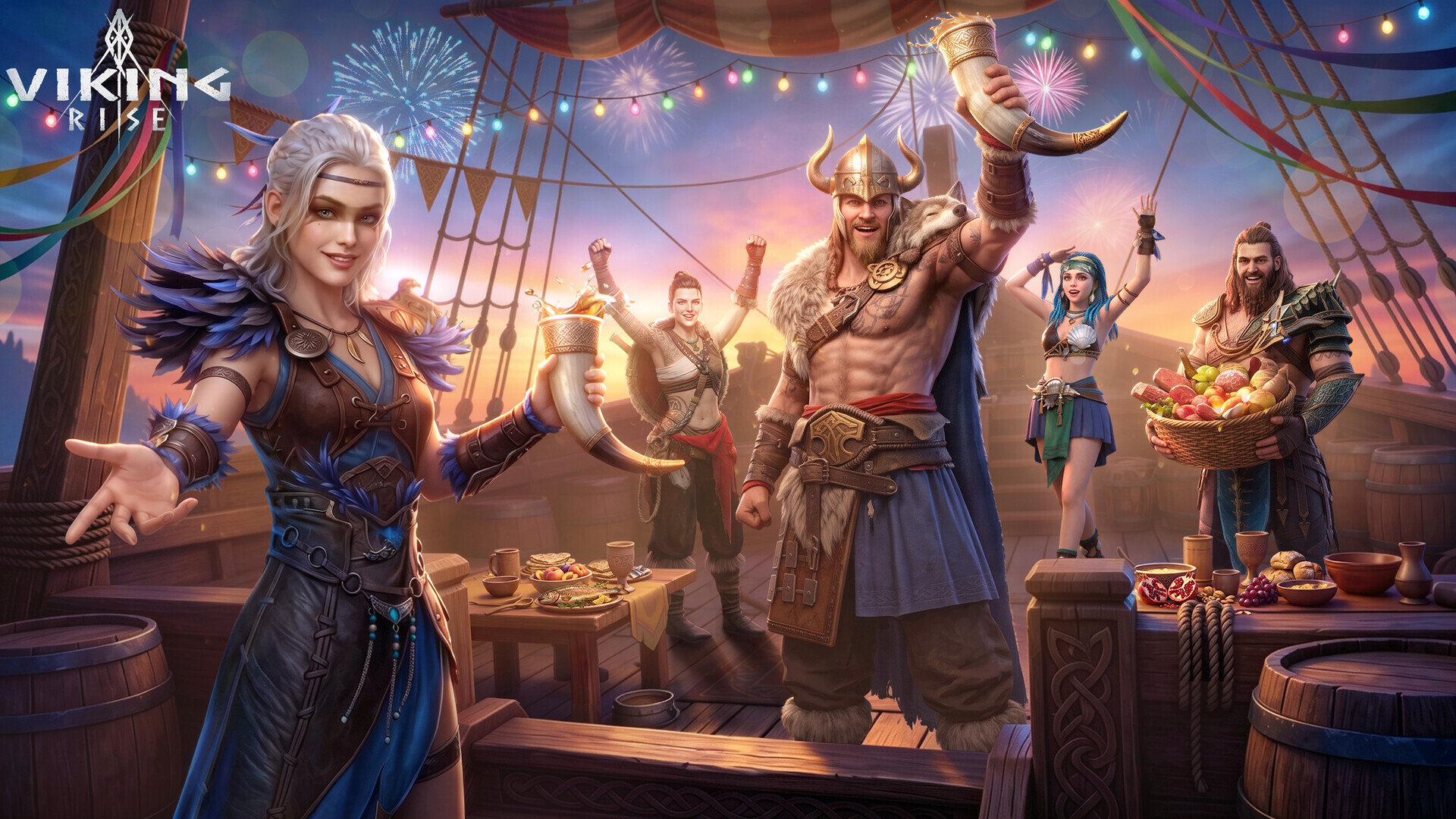
Assassin’s Creed Valhalla hands Eivor an axe, a longship, and a patch of English mud with instructions to build a future. Raids provide supplies for Ravensthorpe, regional alliances carry the story across fractured kingdoms, and hunting the Order of the Ancients keeps the hidden-blade business alive beneath all the Viking politics. Combat is weighty, exploration uncovers entertaining miniature sagas, and the settlement gives the conquest a welcome sense of home. The campaign is undeniably bloated—apparently every ealdorman in England needs a personal favor—but its strongest arcs convincingly capture a violent, changing age. | © Ubisoft

Elden Ring weaponizes curiosity. A tower on the horizon becomes a tunnel beneath a swamp, which becomes an underground city, which ends with something enormous using your spine as a percussion instrument. The Lands Between reward observation rather than checklist obedience, allowing the Tarnished to tackle demigods, legacy dungeons, and obscure side stories in almost any order. Its combat is exacting but remarkably flexible, with sorcery, colossal weapons, summons, and strange hybrid builds all viable. The plot rarely explains itself politely, yet the ruined castles and broken families tell plenty if you slow down and look. | © FromSoftware

Turning into a mind flayer should create a clear sense of priorities. Instead, Baldur’s Gate 3 immediately tempts you with goblin politics, suspicious livestock, romantic complications, and a self-appointed expert who absolutely should not operate on anyone. Larian translates Dungeons & Dragons into tactical turn-based combat without sanding away the tabletop chaos: shove enemies from rafters, talk past a fight, poison the drinks, or improvise something much worse. The companions supply the emotional weight, and the branching decisions genuinely survive into later acts. Its freedom can be messy, but that mess is exactly why every campaign develops its own folklore. | © Larian Studios

Lordran does not welcome visitors; it hands them a useless sword hilt, points toward a demon, and waits for the lesson to sink in. Across Dark Souls, Dark Souls II, and Dark Souls III, FromSoftware built crumbling kingdoms where combat demands patience and lore hides in item descriptions, architecture, and the muttering of deeply unwell strangers. The trilogy’s difficulty became its loudest marketing hook, but the real achievement is atmosphere: bonfires feel safe because everything beyond them feels ancient, hostile, and terminally sad. Even its rough edges have personality, although certain swamps qualify as personal grudges. | © FromSoftware

Thedas is splitting open, demons are falling through the sky, and Dragon Age: Inquisition somehow still finds time to ask whether you have collected enough ram meat. BioWare’s enormous fantasy RPG works best when it focuses on companions, religious power, mage–templar politics, and the uncomfortable business of turning a survivor into a symbol. Its open zones are gorgeous but overstuffed with errands, so the famous advice remains sound: leave the Hinterlands. Once the Inquisition reaches Skyhold and the cast starts colliding properly, the game recovers the sharp character drama that made the series worth caring about. | © BioWare

Henry of Skalitz begins as a blacksmith’s son who can barely swing a sword, read a page, or survive a disagreement with two bandits. The Kingdom Come: Deliverance games make that incompetence the foundation of an unusually satisfying journey through fifteenth-century Bohemia. Armor must be layered, clothes become dirty, crimes damage reputation, and combat punishes wild button-mashing; the sequel then refines those systems without sanding away their stubborn personality. Historical authenticity occasionally becomes friction for its own sake, but riding into Kuttenberg after dozens of muddy village hours feels like entering an actual medieval metropolis. | © Warhorse Studios

Albion treats heroism less as a sacred calling than as an excuse to give one person property deeds, magical powers, and unrestricted access to the poultry. Fable combines fairy-tale forests and medieval villages with broad British comedy, morality choices, marriages, jobs, and a hero whose appearance shifts with their behavior. Their promises were famously larger than what Lionhead could always deliver, and the good-versus-evil decisions rarely required a philosophy degree. Even so, the series remains charming because it lets epic destiny coexist with pub games, landlord greed, and the social consequences of kicking a chicken. | © Xbox Game Studios

Fort Joy sounds like a holiday resort designed by someone with a cruel sense of irony. It is actually the prison island where Divinity: Original Sin 2 begins stripping Source users of their power before launching its Godwoken into a wonderfully reactive fantasy campaign. Turn-based battles encourage chemical mischief—oil burns, water conducts electricity, poison heals the undead—and nearly every encounter can collapse into elemental slapstick. Outside combat, quests accept persuasion, theft, teleportation, violence, or lateral thinking that probably surprised the writers. The armor system can be restrictive, but Rivellon itself remains one of the genre’s finest toy boxes. | © Larian Studios

One hour into Mount & Blade II: Bannerlord, you may be trading mules and losing tournaments; fifty hours later, you are arranging marriages, starving castles, and commanding cavalry charges large enough to make the frame rate nervous. TaleWorlds blends hands-on medieval combat with a strategy sandbox where clans rise, kingdoms fracture, caravans fail, and yesterday’s employer becomes tomorrow’s siege target. The scripted story is barely the attraction, and diplomacy can feel mechanical once the campaign settles into endless war. Its unscripted climb from anonymous wanderer to ruler, however, produces stories no conventional questline could plan in advance. | © TaleWorlds Entertainment

Dragon’s Dogma 2 believes fantasy travel should be inconvenient enough to become memorable. Roads turn dangerous after dark, oxcarts get ambushed, and a routine walk can end with a griffin carrying the Arisen toward an entirely different problem. The Pawn system gives every expedition a party of player-created, AI-controlled companions, while vocations transform combat from shield work and archery into acrobatic theft or gravity-defying spear magic. Repeated enemies, uneven performance, and an undercooked story keep the adventure from matching its best ideas. When its physics, monsters, and wandering systems collide, though, Capcom creates chaos that more polished RPGs rarely permit. | © Capcom

Medieval Dynasty begins with Racimir looking for a new life; he quickly discovers that feudal independence involves chopping an industrial quantity of trees. Render Cube mixes survival systems with village management, letting players hunt, farm, build homes, recruit workers, pay taxes, start a family, and prepare an heir to continue the settlement. The quests and characters are functional rather than unforgettable; the real narrative emerges from watching a lonely cabin become a working community across changing seasons. Progress is deliberately slow, but anyone who finds spreadsheets relaxing may lose entire evenings assigning villagers to the woodshed. | © Render Cube
Between crumbling castles, muddy battlefields, royal conspiracies, and taverns full of questionable strangers, medieval games offer some of gaming’s most absorbing worlds.