



















• EarlyGame PLUS top logo
  • Join to get exclusive perks & news!
English
    • News
    • Guides
    • Gaming
      • Codes
      • League of Legends
    • Entertainment
      • TV & Movies
    • Careers
    • EarlyGame+
  • Login
  • Homepage My List Settings Sign out
  • News
  • Guides
  • Gaming
    • All Gaming
    • Codes
    • League of Legends
  • Entertainment
    • All Entertainment
    • TV & Movies
  • Careers
  • EarlyGame+
Game selection
Kena
Gaming new
Enterianment CB
ENT new
TV Shows Movies Image
TV shows Movies logo 2
Fifa stadium
Fc24
Fortnite Llama WP
Fortnite Early Game
LOL 320
Lo L Logo
Codes bg image
Codes logo
Smartphonemobile
Mobile Logo
Videos WP
Untitled 1
Cod 320
Co D logo
Rocket League
Rocket League Text
Apex 320
AP Ex Legends Logo
DALL E 2024 09 17 17 03 06 A vibrant collage image that showcases various art styles from different video games all colliding together in a dynamic composition Include element
Logo
Logo copy
GALLERIES 17 09 2024
News 320 jinx
News logo
More EarlyGame
Esports arena

Polls

Razer blackhsark v2 review im test

Giveaways

Rocket league videos

Videos

Valorant Tournament

Events

  • Copyright 2026 © eSports Media GmbH®
  • Privacy Policy
  • Impressum and Disclaimer
 Logo
English
  • English
  • German
  • Spanish
  • EarlyGame india
  • Homepage
  • Gaming

The 15 Best Video Games Where Player Choices Matter

1-15

Nazarii Verbitskiy Nazarii Verbitskiy
Gaming - March 4th 2026, 22:00 GMT+1
Detroit Become Human

15. Detroit: Become Human (2018)

Detroit: Become Human treats choice like the core gameplay loop, not a cosmetic dialogue wheel. Every chapter is a branching map where tiny calls – spare someone, hesitate, investigate the wrong thing – can reroute whole storylines or remove characters entirely. The hard decisions usually aren’t heroic; they’re pragmatic, like whether Connor should follow orders to stay useful or risk everything by acting on empathy. Markus can push a movement toward peaceful protest or escalation, and the tone of the world changes with him instead of snapping back to a “default” plot. What makes it work is commitment: the game doesn’t rewind to protect you from consequences, it just keeps going. | © Quantic Dream

Dragon Age

14. Dragon Age: Inquisition (2014)

Building an army is easy; deciding who gets power afterward is the part that sticks with you. Early on, Dragon Age: Inquisition forces you to take sides in conflicts that don’t come with clean “good” outcomes, and those alliances echo across the campaign. One of the most brutal calls asks who you’re willing to leave behind during a mission when saving everyone isn’t an option, and the game doesn’t play it for shock – it changes relationships and the emotional temperature going forward. Even “judgments” you hand down can feel like politics disguised as morality, because mercy, exile, and punishment all have different costs. Companion loyalty isn’t window dressing either; your stance on faith, control, and sacrifice can push people closer – or quietly split the team. | © BioWare

Life is Strange

13. Life is Strange (2015)

Rewinding time sounds like a superpower until it turns into a microscope for regret, letting you see how words land and then making you choose whether to stand by them. The smartest trick Life is Strange pulls is showing that the ability to redo a moment doesn’t erase consequences – it just shifts them onto someone else, or to later. A standout gut-check involves talking a classmate down from a crisis, where the “right” response depends on what you learned about her and how you’ve treated her up until that point. The game also tracks your smaller choices – privacy, honesty, loyalty – and uses them to shape friendships in ways that feel painfully believable. It all builds toward an ending decision that’s simple to describe and difficult to live with. | © Dontnod Entertainment

Stray Gods

12. Stray Gods: The Roleplaying Musical (2023)

Here, choices aren’t just what you say – they’re what you sing, and the tone you pick can turn the same scene into a confession, a confrontation, or a dodge. The story plays like a murder-mystery wrapped in modern mythology, so your decisions matter because they control what you learn, who opens up, and which suspects you can even pressure. The toughest moments often come down to social risk: call someone out now and lose their trust, or keep it gentle and let a lie breathe longer. It’s also built for replay value, since different emotional routes can unlock entirely different lyrical branches and character dynamics. That structure comes from RPG DNA (the studio was co-founded by veteran writer David Gaider), and it shows in Stray Gods: The Roleplaying Musical. | © Summerfall Studios

Cropped Until Dawn

11. Until Dawn (2015)

Horror choices hit harder when you don’t get time to think, and this game thrives on that pressure. Conversations, quick-time reactions, and snap priorities (“go back” vs. “run”) can snowball into a character being in the wrong place hours later, with no easy way to undo it. The nastiest dilemmas are the ones that force you to pick who gets protected in the moment, because saving one person can directly expose another. It also rewards attention: clues and relationships can change how characters interpret danger, which alters who trusts whom when things spiral. Until Dawn caps it off with a rare promise it actually keeps – every main character can live or die depending on your decisions. | © Supermassive Games

Wasteland 3

10. Wasteland 3 (2020)

Colorado doesn’t care about your intentions – it cares about results, and that’s why the decision-making lands so well. In the second hour you’re already weighing whether stability is worth empowering awful people, and Wasteland 3 keeps that pressure on with faction reputations, companion reactions, and towns that remember what you did. A lot of the toughest calls aren’t “shoot or don’t shoot,” but who you’re willing to back when every option has blood on it: play nice with the Patriarch for resources, or undermine him and accept the chaos you might unleash. The game also rewards follow-through, because choices echo across multiple quests instead of resolving in a single scene. It’s the kind of RPG where a “smart” compromise can still blow up later – and that’s the point. | © inXile Entertainment

Cropped Fallout New Vegas

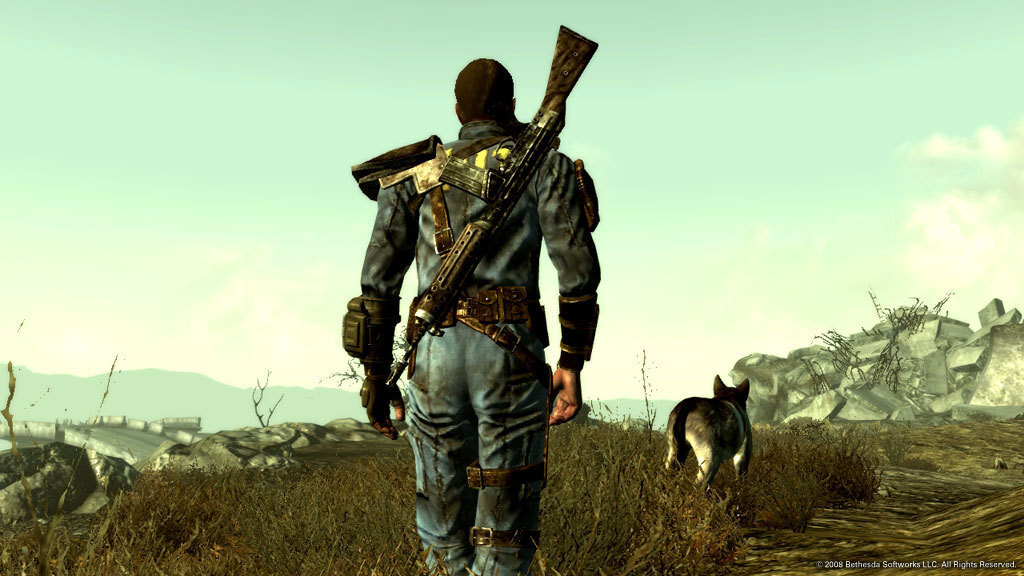
9. Fallout: New Vegas (2010)

Every major quest feels like a political negotiation you can botch on purpose – or accidentally – and the Mojave will absolutely keep score. You’re constantly deciding who deserves control: a strict republic, a brutal empire, a corporate autocrat, or a chaotic free-for-all, and the game supports those routes with different alliances, outcomes, and epilogues. The most difficult choices tend to be the ones where everyone makes a decent argument until you dig deeper, like deciding the fate of a community after learning what they’ve done to survive. Even side stories can fork in surprising ways, where a small decision (who you spare, what you reveal, which evidence you hand over) changes an entire settlement’s future. By the time it ends, your version of the wasteland feels authored – because Fallout: New Vegas commits to consequences. | © Obsidian Entertainment

Skyrim

8. The Elder Scrolls V: Skyrim (2011)

Freedom here is less about branching endings and more about stacking consequences onto the person you’re roleplaying. In The Elder Scrolls V: Skyrim, the civil war alone forces a commitment that reshapes cities, guards, and how people talk to you, and you don’t get to pretend it was “just a questline.” Some of the most uncomfortable choices hide inside faction stories, where loyalty means endorsing methods you may hate, or betraying people who treated you like family. The game also lets you solve problems through persuasion, stealth, bribery, violence, or restraint, so your build becomes part of the decision-making. It’s a world that keeps reacting long after the objective marker disappears. | © Bethesda Game Studios

Cyberpunk 2077

7. Cyberpunk 2077 (2020)

Cyberpunk 2077 is at its best when choices aren’t framed as morality tests, but as leverage – who you trust, what you admit, and when you decide to walk away. Night City’s strongest quests put you in situations where the “compassionate” option can still ruin someone’s life, while the colder play might protect them in the short term. Some of the hardest calls come in character arcs where you’re forced to pick between a person’s autonomy and their survival, and the fallout shows up in later scenes instead of a quick karma popup. The big endings also lean on what you built earlier – relationships, loyalties, and lines you refused to cross – so the finale feels earned, not random. | © CD Projekt Red

Mass Effect 3

6. Mass Effect 3 (2012)

This is what choice looks like when an entire galaxy has receipts from your past decisions. War pushes you into brutal tradeoffs: secure an alliance by sacrificing another group’s future, or gamble on unity and risk losing everything you need right now. The game’s toughest moments hit because they’re tied to species conflicts and friendships that have been building for years, so the “best” option is often the one you prepared for earlier. Even without perfect outcomes, it’s satisfying to see how much changes based on who’s alive, who trusts you, and what you’ve prioritized across the journey. The weight lands hardest in the final stretch of Mass Effect 3. | © BioWare

The Wolf Among Us

5. The Wolf Among Us (2013)

Fabletown runs on secrets, so the smallest slip in an interrogation can snowball into a totally different suspect list. The game constantly tests how far you’ll push Bigby Wolf to get answers – lean into intimidation, keep things controlled, or pick the “right” lie to protect someone you might still need later. A lot of the tension comes from choices that feel good in the moment but poison relationships afterward, especially when you’re navigating trust with Snow White and the community’s fragile politics. Even when two scenes end in the same place, the way you got there can change who helps you, who fears you, and what information you’re allowed to hear. That slow-burn reactivity is the real magic of The Wolf Among Us. | © Telltale Games

Witcher 3

4. The Witcher 3: Wild Hunt (2015)

The Witcher 3: Wild Hunt thrives on decisions that don’t announce themselves as “big choices” until it’s too late to take them back. Many quests make you weigh the lesser evil with incomplete information, then live with the outcome when the truth shows up later – sometimes in the form of an emptied village, a broken family, or a friend who won’t look at you the same way. The Bloody Baron storyline is the go-to example because it’s packed with morally ugly tradeoffs, but the pattern repeats across the map: rulers get crowned, communities survive or collapse, and key characters land radically different fates based on what you prioritized. It’s not about “correct” answers – just consequences that stick. | © CD PROJEKT RED

Disco Elysium

3. Disco Elysium (2019)

Solving the case is only half the battle; the other half is deciding what kind of person crawls out of the wreckage with the badge still on. Disco Elysium makes choice matter through conversations, internal debates, and skill-driven instincts that can either save you or sabotage you mid-sentence, often in ways you didn’t plan. Political identity, empathy, cruelty, sobriety, self-destruction – each path shapes what you can say, what you notice, and how NPCs respond to your mess. Some of the hardest calls are deceptively quiet, like whether you accept help, admit weakness, or double down on a persona that’s clearly failing. The result feels personal because the story keeps reflecting your version of the detective back at you. | © ZA/UM

Dispatch

2. Dispatch (2025)

A former hero stuck behind a desk sounds like a joke setup – until the job turns into a daily referendum on who gets saved and who gets managed. You’re balancing mission outcomes with people problems, assigning a chaotic team to emergencies while also dealing with egos, trust, and the politics of keeping the operation looking competent. Choices matter because every episode is built around tradeoffs: cover for someone’s mistake to preserve morale, call them out and risk losing them, or prioritize public image over doing the messy right thing. The story’s tone leans workplace comedy, but the decisions can get sharp when you realize “good management” isn’t the same as justice. That push-and-pull is what makes Dispatch feel genuinely reactive. | © AdHoc Studio

Baldurs Gate 3

1. Baldur's Gate 3 (2023)

The game’s big flex is that it doesn’t funnel your decisions back into the same “main path” – it lets you break scenes, outsmart quests, or make them worse on purpose, and the story adapts. Baldur’s Gate 3 makes choices matter at every layer: who you recruit (or kill), which companions you influence, what bargains you accept, and how far you lean into the mind flayer parasite for power. A brutally hard example is when a “practical” decision can cost an innocent life or permanently twist a companion’s future, and the fallout isn’t just a different cutscene – it can change entire questlines and who stands with you later. Even the way you solve problems (talking, sneaking, brute force, magic loopholes) alters what the game considers possible, so you’re constantly rewarded for committing to your version of the party. It’s rare to see this much reactivity over such a long campaign, especially when the consequences keep paying off hours later. | © Larian Studios

1-15

That little pause before you hit confirm – when you know a single line of dialogue could torch an alliance or save a stranger you’ll regret meeting later – is where choice-driven games really live. The best ones don’t treat decisions like flavor text; they treat them like dominoes.

Whether it’s branching quests, reputation systems, relationships that fracture, or endings that refuse to neatly merge back together, the games below are built around consequences that stick. If you’re chasing stories that bend around your calls (and sometimes punish them), you’re in the right headspace.

  • Facebook X Reddit WhatsApp Copy URL

That little pause before you hit confirm – when you know a single line of dialogue could torch an alliance or save a stranger you’ll regret meeting later – is where choice-driven games really live. The best ones don’t treat decisions like flavor text; they treat them like dominoes.

Whether it’s branching quests, reputation systems, relationships that fracture, or endings that refuse to neatly merge back together, the games below are built around consequences that stick. If you’re chasing stories that bend around your calls (and sometimes punish them), you’re in the right headspace.

Related News

More
Nirvana
Entertainment
The 15 Best Rock Bands of All Time
Jared Leto in House of Gucci 2021
Entertainment
15 Good Actors Who Ruined Movies With Their Performances
Big Fish 2003
TV Shows & Movies
15 Movies That Bring Strong Spring Vibes
Inside Out 2
TV Shows & Movies
15 Greatest Animated Movie Masterpieces of the 21st Century
Tony hawk underground shrek cropped processed by imagy
Gaming
Top 10 Most Absurd Guest Characters in Video Games
Mads Mikkelsen
Entertainment
15 Famous Actors Who Live Like Regular People
Existential Understandings Meltdown Steins Gate
Entertainment
The 15 Saddest Anime Episodes Of All Time
Mary Kate and Ashley Olsen
Entertainment
15 Actors Who Retired Too Early
Red Dead Redemption
Gaming
Who Deserved It Most? The Last 15 Game of the Year Winners
Gothika
Entertainment
15 Overlooked Flops That Deserve A Second Chance
Minority Report
TV Shows & Movies
15 Worst Sci-Fi Remakes Ever Made
House of the Dragon cropped processed by imagy
Entertainment
The 15 Most Expensive TV Shows Per Episode
  • All Gaming
  • Videos
  • News
  • Home

Subscribe to our Newsletter

Sign up for selected EarlyGame highlights, opinions and much more

About Us

Discover the world of esports and video games. Stay up to date with news, opinion, tips, tricks and reviews.
More insights about us? Click here!

Links

  • Affiliate Links
  • Privacy Policy
  • Impressum and Disclaimer
  • Advertising Policy
  • Our Editorial Policy
  • About Us
  • Authors
  • Ownership

Partners

  • Kicker Logo
  • Efg esl logo
  • Euronics logo
  • Porsche logo
  • Razer logo

Charity Partner

  • Laureus sport for good horizontal logo

Games

  • Gaming
  • Entertainment
  • TV Shows & Movies
  • EA FC
  • Fortnite
  • League of Legends
  • Codes
  • Mobile Gaming
  • Videos
  • Call of Duty
  • Rocket League
  • APEX
  • Reviews
  • Galleries
  • News
  • Your Future

Links

  • Affiliate Links
  • Privacy Policy
  • Impressum and Disclaimer
  • Advertising Policy
  • Our Editorial Policy
  • About Us
  • Authors
  • Ownership
  • Copyright 2026 © eSports Media GmbH®
  • Privacy Policy
  • Impressum and Disclaimer
  • Update Privacy Settings
English
English
  • English
  • German
  • Spanish
  • EarlyGame india