













Not every classic needs a second attempt. Some remakes arrive with bigger budgets and modern effects, yet lose the very spark that made the original unforgettable. Here are 15 sci-fi remakes that prove newer does not always mean better.
Sci-fi remakes.
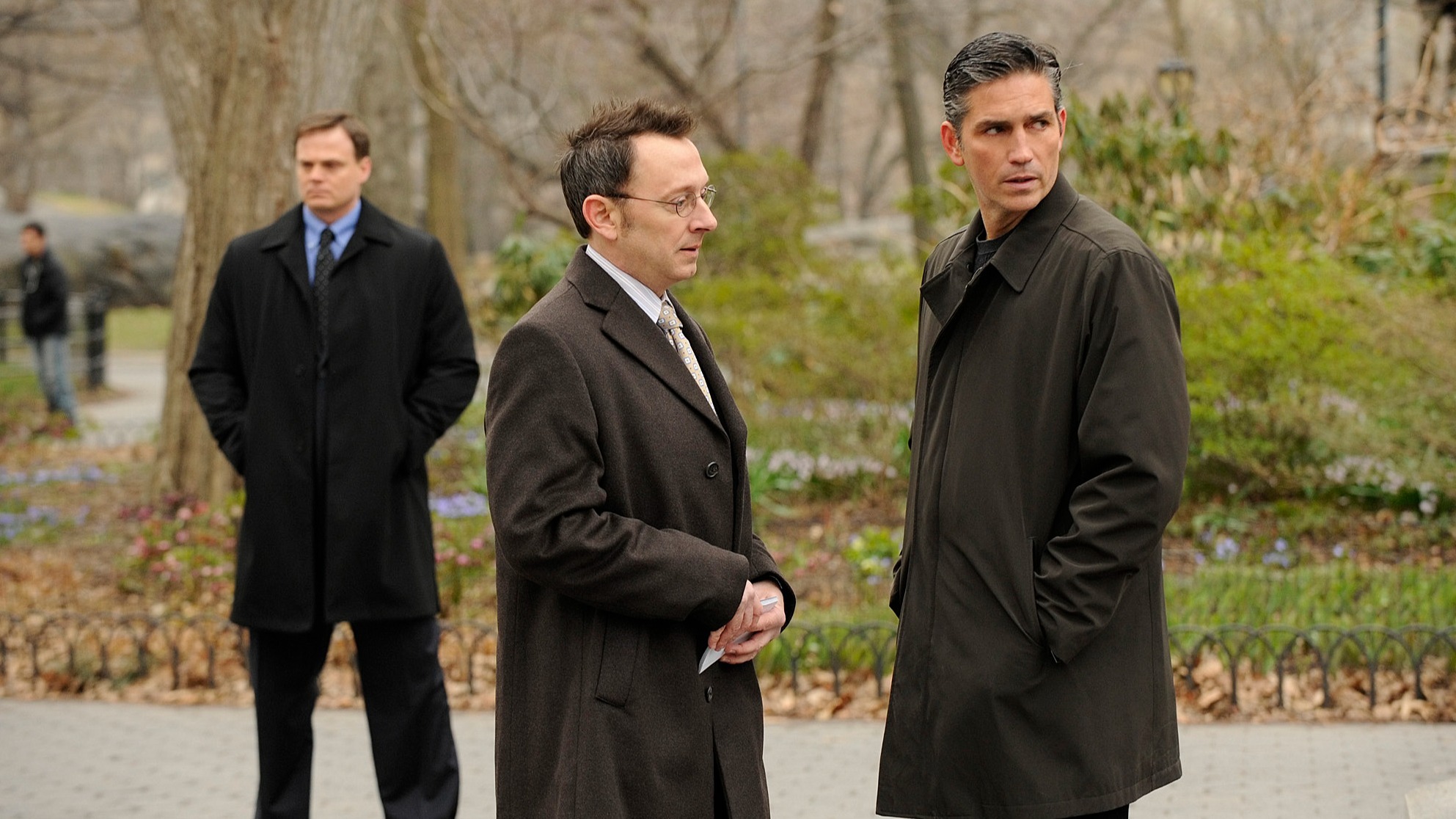
Minority Report, in its 2015 TV remake, turns a sharp, morally complex sci-fi thriller into a fairly routine police procedural. The original film wrestled with free will and state control in a way that felt urgent, while the series mostly settles for weekly crime solving with futuristic window dressing. Even with a fresh cast and a new angle, it lacks the tension and intellectual weight that made the movie stand out. | © Fox Network
The Stepford Wives in 2004 had a strong cast and glossy production, yet it misses the dark bite that made the original unsettling. By leaning harder into broad comedy and smoothing out the satire, the remake drains the story of its sinister edge. Even the softened, feel-good ending undercuts the sharp social commentary that once made the premise so disturbing. | © Paramount Pictures
The Time Machine from 2002 upgrades the visuals but loses the quiet wonder and creeping tension that defined earlier versions. The emotional hook about love and loss is rushed aside once the story jumps into loud action and heavy CGI spectacle. For a tale built on big ideas about humanity’s future, the remake feels strangely hollow, all style and not enough substance. | © Warner Bros. Pictures
Star Trek: Into Darkness starts as a slick, high-energy sequel, but it stumbles when it tries to echo The Wrath of Khan. The surprise reveal turns the film into an unofficial remake, forcing it to compete with one of the most beloved entries in the franchise. Instead of standing confidently on its own, it ends up feeling like a lesser replay of a story that was already done better. | © Paramount Pictures
Rollerball in 2002 takes a divisive but idea-driven original and strips it down to loud, empty spectacle. The remake barely engages with the themes of media control or corporate power, leaving behind little more than chaotic sports violence. Even the game sequences, which should have been the highlight, feel messy and forgettable rather than thrilling. | © MGM
The Thing from 2011 is not terrible on its own, but it struggles under the shadow of John Carpenter’s 1982 masterpiece. The remake delivers a few solid scares, yet it never recreates that suffocating paranoia where no one can trust anyone. Without the same practical effects magic or creeping tension, it ends up feeling unnecessary when the superior version is still right there. | © Universal Studios
Death Race in 2008 takes a cult exploitation concept and turns it into a wall of noise. The idea of prisoners forced into deadly car battles could have been sharp or satirical, yet the remake buries everything under relentless metal crunching and grim visuals. Even with Jason Statham behind the wheel, the film feels more exhausting than thrilling. | © Universal Pictures
Godzilla in 1998 tries to reinvent the iconic monster for Western audiences, but it strips away much of what made the character endure in the first place. The creature design, tone, and story all feel disconnected from the larger legacy, leaving fans with something that barely resembles the symbol it is named after. Even the action, which should have been the saving grace, lands as oddly weightless and forgettable. | © Sony Pictures Releasing
Flatliners revisits a fascinating premise about students who stop their hearts to glimpse the afterlife, yet the 2017 version barely expands on it. Instead of digging deeper into the moral and psychological fallout, the remake repeats the same beats while smoothing them into generic horror territory. The result feels like another missed opportunity for a story that still has far more potential than either version has explored. | © Sony Pictures Releasing
RoboCop from 2014 looks slick and expensive, but it never matches the bite of the 1987 original. The action is competent, yet the sharp satire about media, power, and corporate greed is softened to the point of being almost invisible. What remains feels like a safer, sanitized version of a film that was once fearless and confrontational. | © Sony Pictures Releasing
The Day the Earth Stood Still updates the 1951 classic with bigger effects and a modern polish, but it forgets what made the original resonate. The remake leans heavily on spectacle while losing the quiet, unsettling intelligence that gave the story its moral weight. Even with Keanu Reeves in the lead, the film feels oddly hollow, more concerned with visuals than ideas. | © 20th Century Fox
The Invasion takes a classic paranoia thriller and blows it up to a global scale, which sounds bigger but feels less personal. By turning the threat into a widespread infection rather than focusing on one tight-knit community, the remake loses the creeping, intimate dread that made earlier versions so unsettling. Slick production and a strong cast cannot make up for the fact that the core horror feels strangely diluted. | © Warner Bros. Pictures
Planet of the Apes in 2001 had the budget and the director to make a bold reinvention, yet it never finds the spark that made the 1968 film iconic. The story feels oddly flat, offering spectacle without the sharp social commentary or emotional punch that defined the original. Even the final twist, meant to shock, lands as confusing rather than profound, leaving the whole remake feeling hollow. | © 20th Century Studios
I Am Legend has atmosphere to spare and a committed lead performance from Will Smith, but it never fully lives up to the power of its source material. The empty city visuals are haunting at first, yet the tension fades as the scares feel routine and the CGI creatures undercut key moments. By changing the novel’s devastating ending, the film trades a bold, unsettling idea for something safer, and that choice is hard to ignore. | © Warner Bros. Pictures
Total Recall tries to modernize the 1990 classic with sleeker visuals and heavier action, but it never captures the strange, paranoid edge that made the original so memorable. The remake plays things safer, sanding down the ambiguity and philosophical bite in favor of straightforward chase scenes. Without fresh ideas or a bold new angle, it ends up feeling like a polished copy that exists in the shadow of what came before. | © Columbia Pictures
Not every classic needs a second attempt. Some remakes arrive with bigger budgets and modern effects, yet lose the very spark that made the original unforgettable. Here are 15 sci-fi remakes that prove newer does not always mean better.