


















• Lootday.com logo
  • Join today to claim your daily loot
English
    • News
    • Guides
    • Gaming
      • Codes
      • League of Legends
      • Lootday
    • Creators
    • Entertainment
    • Careers
    • Lootday
    • EarlyGame+
  • Login
  • Homepage My List Settings Sign out
  • News
  • Guides
  • Gaming
    • All Gaming
    • Codes
    • League of Legends
    • Lootday
  • Creators
  • Entertainment
  • Careers
  • Lootday
  • EarlyGame+
Game selection
Kena
Gaming new
Enterianment CB
ENT new
Influencer 5229646 640
TV Shows Movies Image
TV shows Movies logo 2
Fifa stadium
Fc24
Fortnite Llama WP
Fortnite Early Game
LOL 320
Lo L Logo
Codes bg image
Codes logo
Smartphonemobile
Mobile Logo
Videos WP
Untitled 1
Cod 320
Co D logo
Rocket League
Rocket League Text
Apex 320
AP Ex Legends Logo
DALL E 2024 09 17 17 03 06 A vibrant collage image that showcases various art styles from different video games all colliding together in a dynamic composition Include element
Logo
Logo copy
GALLERIES 17 09 2024
News 320 jinx
News logo
Lootday bg
Guides
More EarlyGame
Logo copy

Galleries

Lootday bg

lootday

News

News

Codes bg image

Codes

Razer blackhsark v2 review im test

Giveaways

  • Copyright 2026 © eSports Media GmbH®
  • Privacy Policy
  • Impressum and Disclaimer
 Logo
English
  • English
  • German
  • Spanish
  • EarlyGame india
  • Homepage
  • Gaming

20 Video Game Franchises with No Bad Games

1-20

Ignacio Weil Ignacio Weil
Gaming - October 6th 2026, 18:30 GMT+2
Cropped Metal Gear

20. Metal Gear (1987)

Metal Gear has spent most of its life making stealth games far stranger than they have any right to be. What began with avoiding guards eventually became a cocktail of military conspiracies, nuclear anxiety, hour-long conversations and bosses who practically demand their own Wikipedia pages. The remarkable part is that the experimentation rarely came at the expense of good game design, with each major entry finding another clever way to make hiding in plain sight feel exciting. | © Konami

Cropped Wario Land

19. Wario Land (1994)

Mario jumps on enemies; Wario would rather shoulder-charge through the entire building. That difference gave Wario Land an identity strong enough to survive several wonderfully odd reinventions, including games where taking damage actually transforms Wario into something useful. Nintendo kept treating the series like a playground for platforming ideas that were too weird for its flagship mascot, and even decades later, Wario Land 4 and Wario Land: Shake It! remain terrific arguments for bringing the greedy little menace back. | © Nintendo

Cropped Persona

18. Persona (1996)

Persona did not begin as the stylish high-school life simulator many players know today. Its early games were darker, stranger dungeon crawlers before Persona 3 reshaped the formula around calendars, friendships and the deeply unhealthy hobby of fighting monsters after class. Since then, Atlus has refined that mixture rather than simply making it bigger, with Persona 4 and Persona 5 giving their casts enough everyday humanity that saying goodbye to them can feel genuinely unpleasant. | © Atlus

Cropped Doom

17. Doom (1993)

Doom has changed speed, technology and even philosophy without ever forgetting the important part: demons need shooting. The originals helped define first-person shooters, Doom 3 turned the formula into something closer to survival horror, and the modern games transformed combat into a ferocious rhythm exercise where standing still is basically a resignation letter. Most franchises would struggle to survive one major identity shift; Doom has gone through several and somehow kept the shotgun feeling sacred. | © id Software

Cropped GTA

16. Grand Theft Auto (1997)

Grand Theft Auto went from tiny top-down criminals running between city blocks to an open-world behemoth capable of making every new release feel like an industry event. The technology obviously grew, but Rockstar's real trick was learning how to make each city recognizable through radio stations, pedestrians, architecture, satire and thousands of ridiculous details. Even the older games have a nasty little personality of their own, long before Liberty City and Los Santos became virtual places people could practically navigate from memory. | © Rockstar Games

Cropped Donkey Kong Country

15. Donkey Kong Country (1994)

Rare could have treated Donkey Kong Country as a flashy showcase for pre-rendered graphics and called it a day. Instead, it built three SNES platformers bursting with secrets, personality and some of the best music Nintendo ever put on a cartridge. Years later, Retro Studios picked up the name and somehow made mine carts even more stressful. Donkey Kong Country Returns and Tropical Freeze modernized the formula without sanding away its teeth, proving those bananas were apparently worth protecting after all. | © Rare

Cropped Baldurs Gate

14. Baldur's Gate (1998)

Baldur's Gate disappeared long enough that its return could easily have become an exercise in selling nostalgia back to people who owned the original big-box PC release. Larian had more ambitious plans. Baldur's Gate 3 took the freedom and party dynamics that made BioWare's classics special and translated them into a modern RPG where absurd player ideas are frequently legitimate solutions. Different developers, different decades, same dangerous promise: your carefully planned evening is about to disappear. | © BioWare / Larian Studios

Cropped Quake

13. Quake (1996)

Quake is almost several different franchises wearing the same logo, and somehow that worked. The original buried players in gothic corridors and Lovecraftian nightmares, Quake II pivoted toward industrial science fiction, while Quake III Arena stripped away nearly everything except movement and multiplayer combat. What holds them together is the extraordinary physicality of id Software's shooting. Strafing, rocket jumping and flying around arenas at irresponsible speeds still feel fantastic, even when the surrounding game changes completely. | © id Software

Cropped Pikmin

12. Pikmin (2001)

Pikmin disguises stressful resource management beneath flowers, chirping creatures and the face of a tiny astronaut who looks permanently one bad afternoon away from disaster. Losing a squad because you misjudged a Bulborb still hurts, which is precisely why every successful expedition feels so satisfying. Nintendo has spent the main series tweaking time limits, exploration and squad management without losing that strange tension between adorable gardening and ruthless efficiency. Pikmin 4 proved the formula still had plenty left to grow. | © Nintendo

Half Life 2

11. Half-Life (1998)

Valve apparently discovered the easiest way to avoid making a bad sequel: simply refuse to release games very often. Jokes aside, Half-Life has an absurd hit rate. The original changed how shooters handled storytelling, Half-Life 2 made physics part of the language of combat, the Episodes pushed that formula further, and Half-Life: Alyx demonstrated that virtual reality could support something far more substantial than a tech demo. Gordon Freeman may barely speak, but his series rarely wastes a word. | © Valve

Cropped Sly Cooper

10. Sly Cooper (2002)

Sly Cooper understood that a stealth game starring a cartoon raccoon thief should probably enjoy itself. Sucker Punch built the original trilogy around sneaking across rooftops, pickpocketing guards and planning elaborate jobs with Bentley and Murray, wrapping everything in the look of a Saturday morning caper. Even when later games experimented with larger areas and more playable characters, that effortless criminal charm survived. Gaming has produced plenty of thieves since, but very few have stolen things with this much style. | © Sucker Punch Productions

Cropped Super Smash

9. Super Smash Bros. (1999)

Super Smash Bros. started with the sort of playground question children had been asking forever: who would win if Mario fought Link? Each sequel answered by inviting several dozen more people to the argument. Super Smash Bros. Melee became a competitive obsession, Brawl embraced spectacle, and Ultimate turned licensing negotiations into what appears to be a martial art. Yet Smash still works at its simplest level: hand someone a controller, explain that falling off the screen is bad, and chaos handles the rest. | © HAL Laboratory

Cropped God of War

8. God of War (2005)

Kratos could easily have become trapped in the era of enormous swords, quick-time events and protagonists whose primary emotion was shouting. Instead, God of War pulled off one of gaming's better reinventions. The Greek games remain spectacular action titles built around aggression and scale, while the Norse chapters slowed Kratos down, gave combat more weight and forced him to deal with the consequences of being Kratos. Somehow, becoming a sad dad made the god-slaying even better. | © Santa Monica Studio

Cropped Animal Crossing

7. Animal Crossing (2001)

Animal Crossing turns chores into recreation with alarming efficiency. Paying a mortgage, collecting furniture, digging up fossils and talking to the same neighbors every morning should resemble a list of responsibilities, yet Nintendo makes the routine feel oddly comforting. The main games have gradually expanded what players can control without destroying the fantasy that life continues when the console is switched off. Somewhere, a villager you have ignored for eight months is waiting to make you feel absolutely terrible about it. | © Nintendo

Cropped Uncharted

6. Uncharted (2007)

Uncharted arrived when cinematic games were becoming an industry obsession, then showed everyone how much harder the trick was than simply adding explosions. Naughty Dog's set pieces work because Nathan Drake, Elena and Sully keep talking, arguing and joking their way through them like people instead of action figures waiting for the next cutscene. The gunplay and climbing evolved across the series, but the chemistry did most of the heavy lifting. Even Uncharted: The Lost Legacy proved Drake himself was never the only reason it worked. | © Naughty Dog

Cropped Yakuza

5. Yakuza (2005)

Yakuza can move from organized crime, murder and shattered friendships to a karaoke performance involving backup dancers without asking permission. The miracle is that neither half feels fake. Ryu Ga Gotoku Studio understands that ridiculous side stories work because the central drama is played completely straight, while Kamurocho and its recurring locations accumulate history from game to game. Whether the combat involves street brawling or turn-based RPG systems, the series keeps finding new reasons to wander down the same familiar streets. | © Sega

Cropped Batman Arkham

4. Batman: Arkham (2009)

Batman: Arkham Asylum finally solved a problem superhero games had been fumbling for years: Batman should not merely look like Batman, he should make players think like him. Freeflow combat handled the fists, Predator rooms handled the fear, and Detective Mode made every corridor feel like a crime scene waiting to be dismantled. Later Arkham games expanded Gotham and the gadget box, occasionally almost too much, but the central fantasy remained remarkably strong. Countless action games are still borrowing Rocksteady's combat homework. | © Rocksteady Studios

Cropped The Witcher

3. The Witcher (2007)

The first The Witcher is clunky enough that introducing it to a modern player may require a small disclaimer, but underneath the awkward combat was already the thing CD Projekt Red understood best: interesting choices should hurt a little. Every sequel became more polished and expansive while keeping Geralt trapped between monsters, politics and people whose problems rarely have clean solutions. The Witcher 3 perfected that philosophy so thoroughly that even a routine monster contract could end with players reconsidering what the monster actually was. | © CD Projekt Red

Cropped Dark Souls

2. Dark Souls (2011)

Dark Souls becoming shorthand for “difficult video game” almost undersells what FromSoftware actually accomplished. The trilogy is memorable because punishment comes with curiosity attached: another locked door, another suspicious NPC, another ruined kingdom whose history has to be assembled from scraps. Dark Souls II remains the sibling fans argue over at dinner, but even that divisive entry is packed with ideas other action RPGs would happily steal. Three games entered the arena, and none left with anything resembling a bad reputation. | © FromSoftware

Cropped Bioshock

1. Bioshock (2007)

BioShock never needed a long string of sequels because every entry arrived with enough ideas for several other games. Rapture turned Objectivist utopia into a leaking nightmare, BioShock 2 found unexpected humanity inside a familiar city, and BioShock Infinite traded the ocean floor for Columbia without making its politics any less ugly. Guns and plasmids provide the immediate entertainment, but these are games people still argue about years later because their worlds refuse to sit quietly in the background. | © Irrational Games

1-20

Keeping a video game series alive for decades usually means eventually producing one entry fans would rather forget. These franchises somehow dodged that fate, delivering games that range from solid to genuinely exceptional without a true disaster hiding in the catalog. Some are remarkably consistent; others simply knew when to stop. Either way, picking the “worst” game here is harder than it sounds.

  • Facebook X Reddit WhatsApp Copy URL

Keeping a video game series alive for decades usually means eventually producing one entry fans would rather forget. These franchises somehow dodged that fate, delivering games that range from solid to genuinely exceptional without a true disaster hiding in the catalog. Some are remarkably consistent; others simply knew when to stop. Either way, picking the “worst” game here is harder than it sounds.

Related News

More
Monica Belluci best Roles
Entertainment
Monica Bellucci’s Top 15 Movies, Ranked From Worst to Best

Toni Collette
Entertainment
15 Successful Actresses Who Didn't Make It Because Of Their Looks
Parks and Recreation
TV Shows & Movies
15 TV Shows Narratives That Changed After Real-Life Events
Bill Burr
Entertainment
13 Actors Who Pushed Back Against 'Woke' Scripts
Dracula keanu
TV Shows & Movies
15 Actors Who Ruined Great Movies
Cropped Lucy
Entertainment
15 Movies That Pretend to Be Deep but Really Aren’t
Chloë Sevigny
Entertainment
15 Famous Actress Who Were Discovered by Accident
The Room
TV Shows & Movies
15 Worst Romantic Movies of All Time
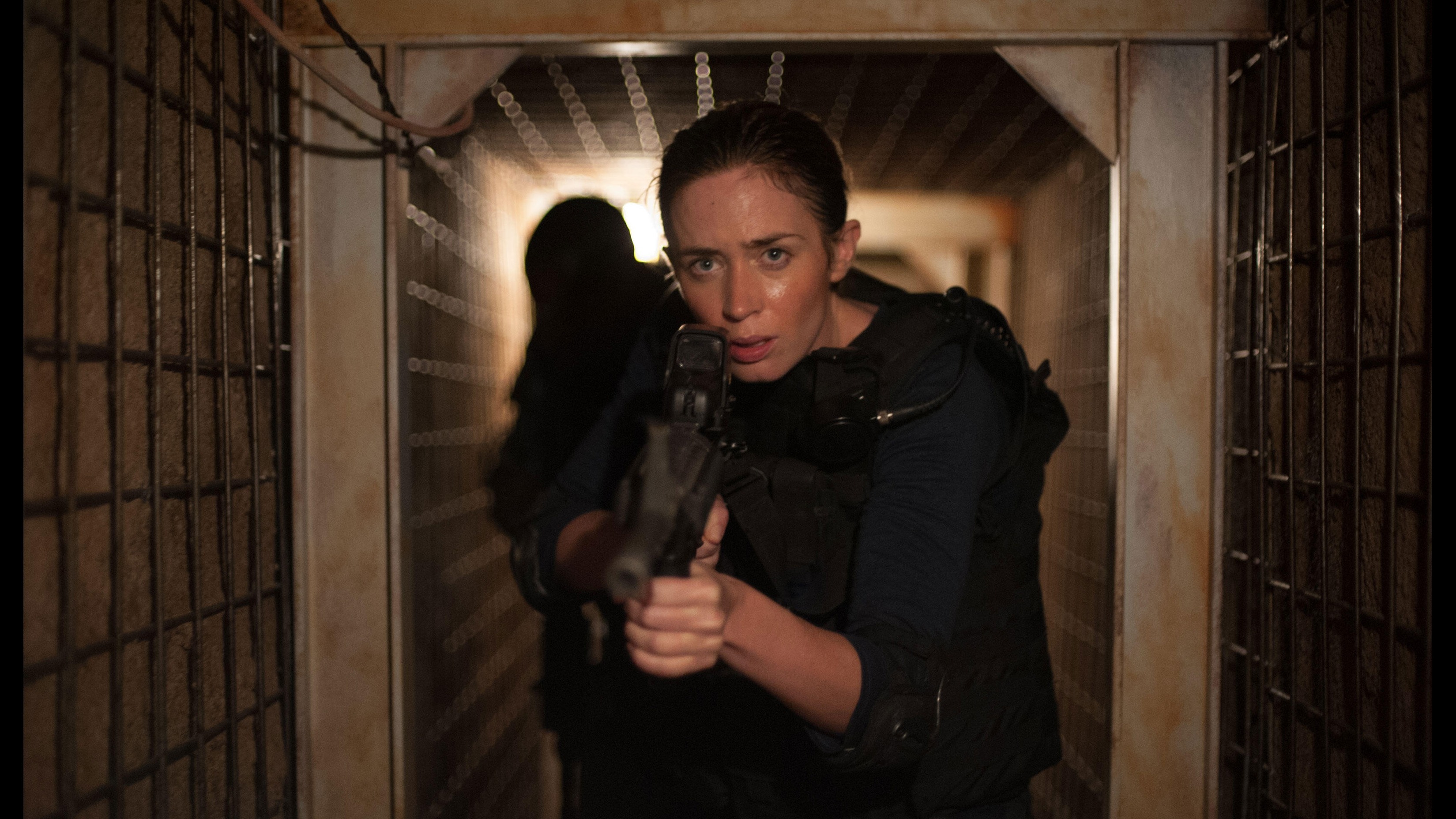
Cropped Sicario
TV Shows & Movies
15 Greatest Spy Thriller Movies Of All Time
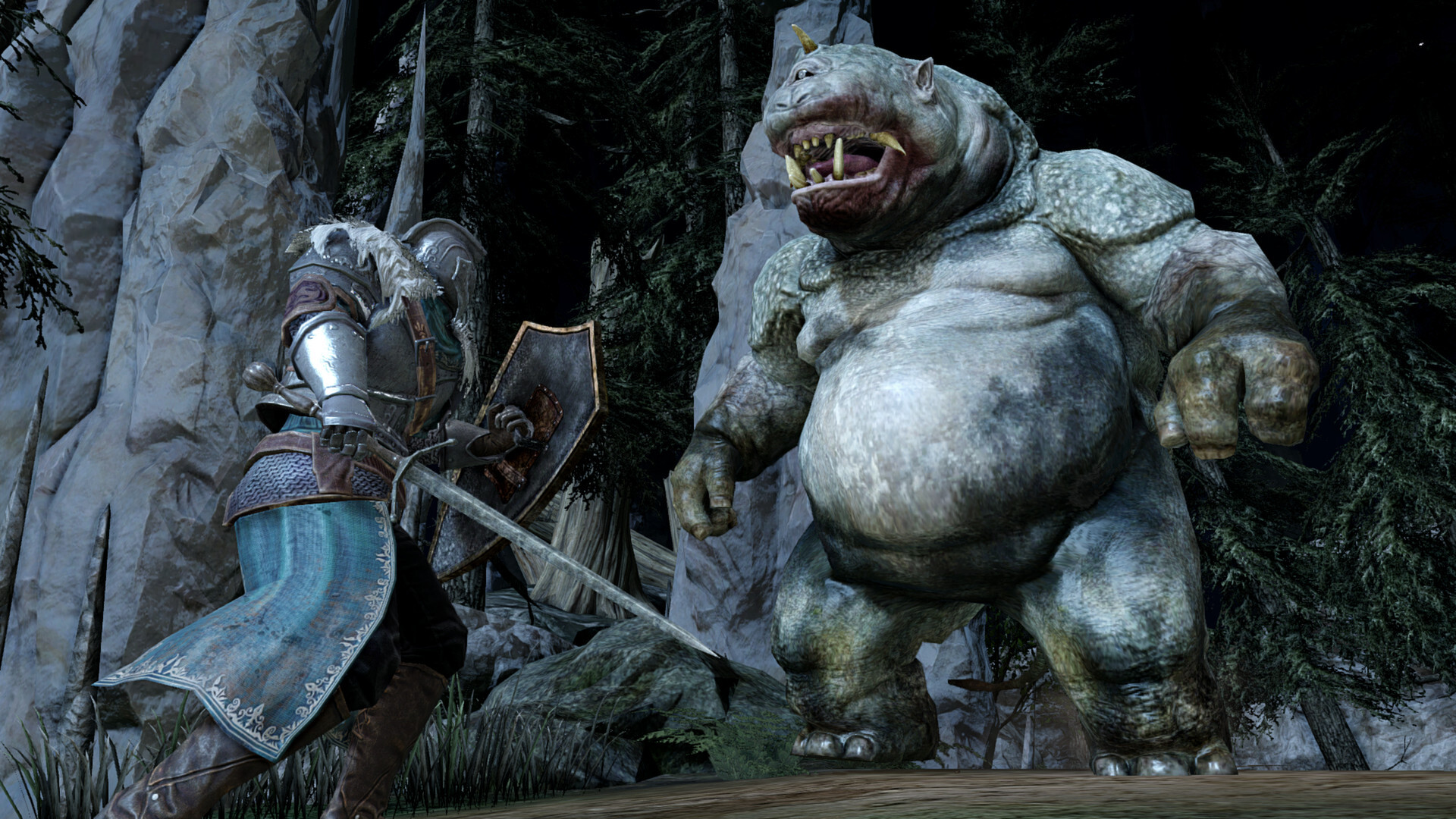
Dark Souls II
Gaming
15 Games People Defend More Than They Actually Enjoy
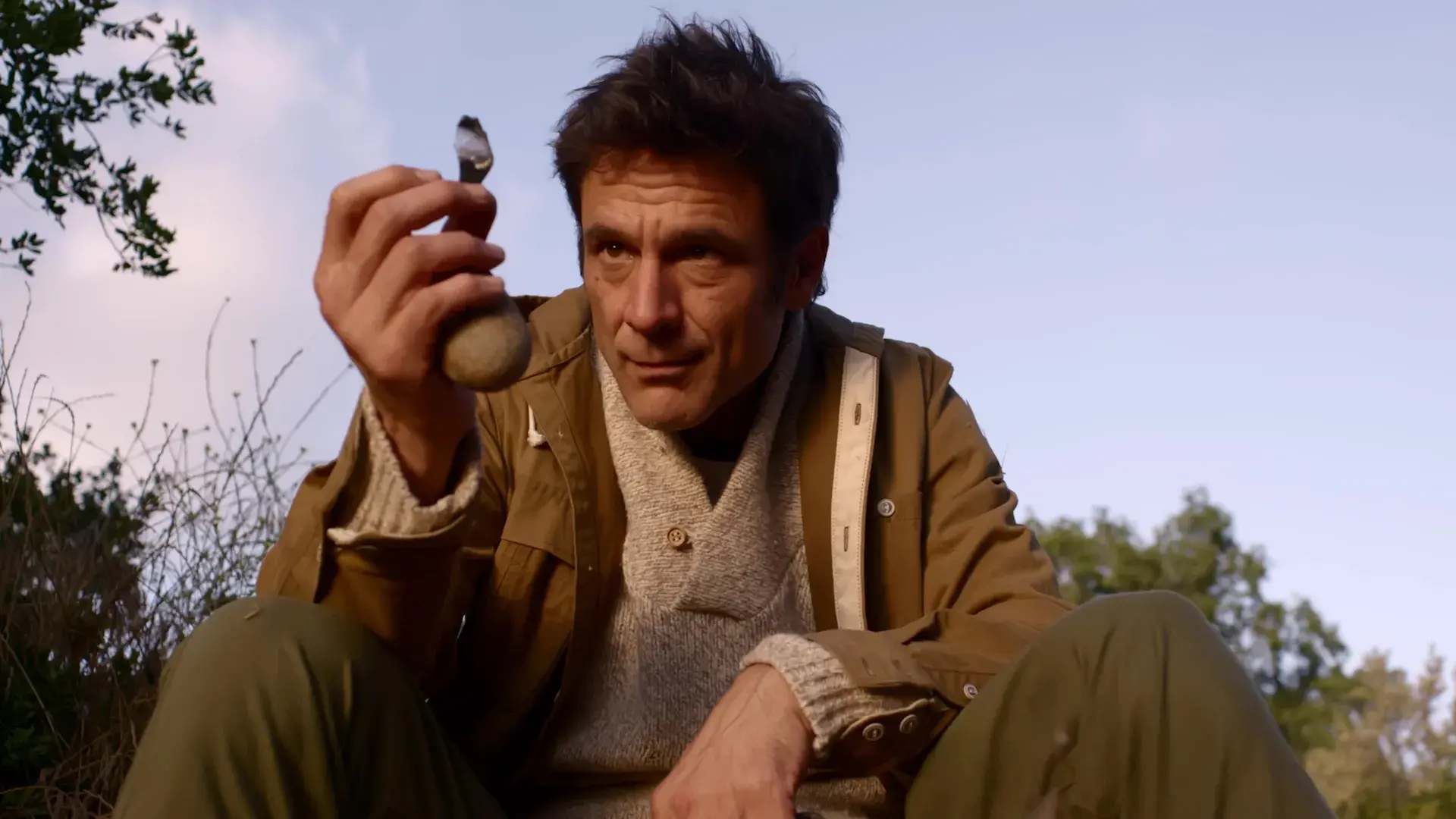
The Man From Earth
TV Shows & Movies
15 Movies That Most People Never Reach
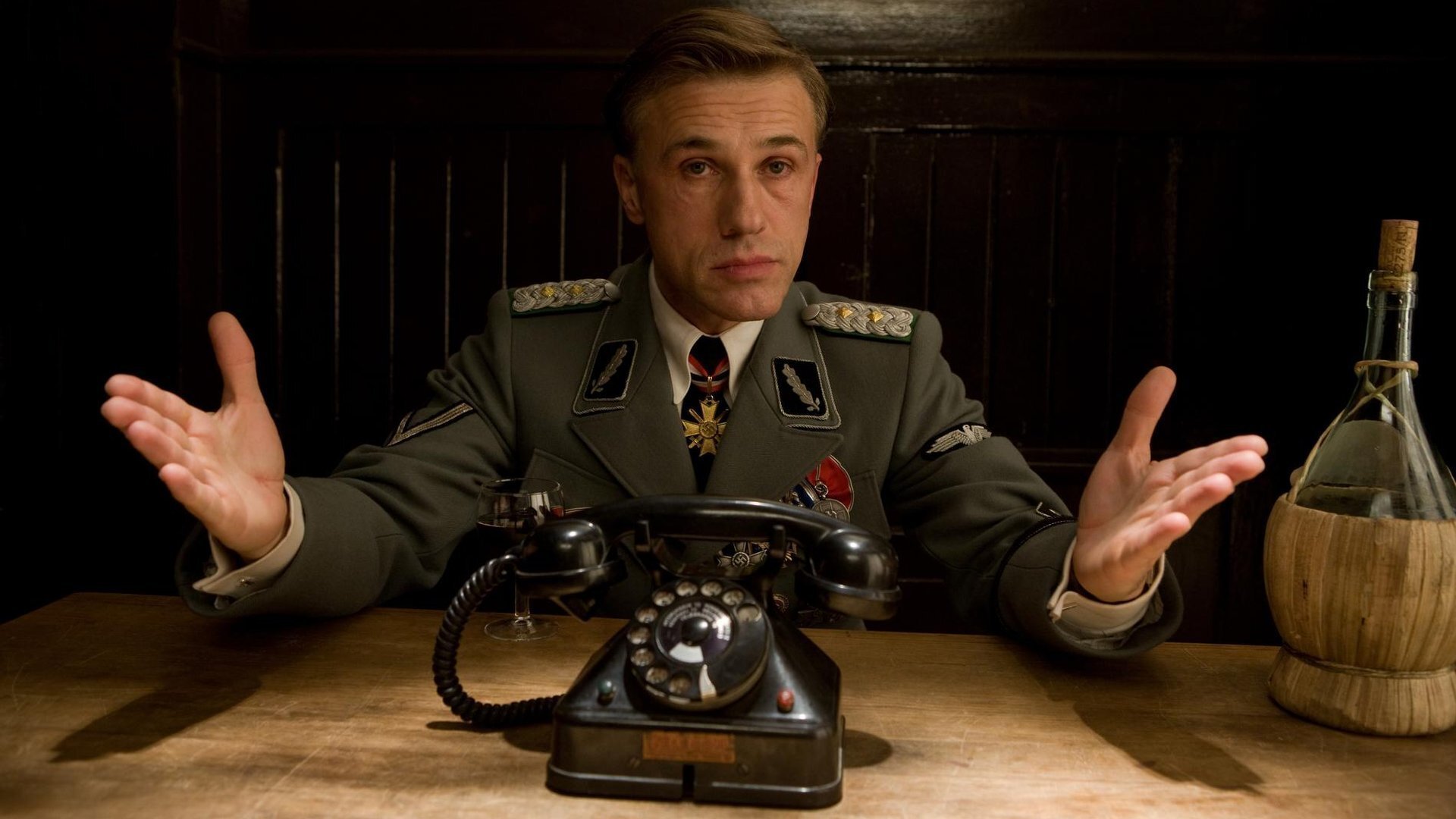
Inglourious Basterds
TV Shows & Movies
25 Essential Movies You Should Watch at Least Once
  • All Gaming
  • Videos
  • News
  • Home

Subscribe to our Newsletter

Sign up for selected EarlyGame highlights, opinions and much more

About Us

Discover the world of esports and video games. Stay up to date with news, opinion, tips, tricks and reviews.
More insights about us? Click here!

Links

  • Affiliate Links
  • Privacy Policy
  • Impressum and Disclaimer
  • Advertising Policy
  • Our Editorial Policy
  • About Us
  • Authors
  • Ownership

Partners

  • Kicker Logo
  • Efg esl logo
  • Euronics logo
  • Porsche logo
  • Razer logo

Charity Partner

  • Laureus sport for good horizontal logo

Games

  • Gaming
  • Entertainment
  • Creators
  • TV Shows & Movies
  • EA FC
  • Fortnite
  • League of Legends
  • Codes
  • Mobile Gaming
  • Videos
  • Call of Duty
  • Rocket League
  • APEX
  • Reviews
  • Galleries
  • News
  • Your Future
  • Lootday
  • Guides

Links

  • Affiliate Links
  • Privacy Policy
  • Impressum and Disclaimer
  • Advertising Policy
  • Our Editorial Policy
  • About Us
  • Authors
  • Ownership
  • Copyright 2026 © eSports Media GmbH®
  • Privacy Policy
  • Impressum and Disclaimer
  • Update Privacy Settings
English
English
  • English
  • German
  • Spanish
  • EarlyGame india