
































If Greenland hooked you with its mix of massive destruction and personal stakes, these films hit a similar nerve. Each one puts people first, then drops disaster right on top of them.

Survival takes over.
Independence Day isn’t trying to be serious science fiction, and that’s exactly why it works. It’s built around massive explosions, suspense, and gloriously cheesy one-liners, all delivered with total confidence. If you take it for what it is, you get two and a half hours of loud, crowd-pleasing fun that still knows how to keep you on the edge of your seat. | © 20th Century Studios
The Perfect Storm tells a tragic story with a sincerity that makes it easy to get swept up in, even if the real events were more complicated. Strong performances from a stacked cast help sell the emotional weight, turning the storm into something more than just spectacle. It’s the kind of movie you might remember seeing on a rental shelf years ago, then wonder why you waited so long to finally watch it. | © Warner Bros. Pictures
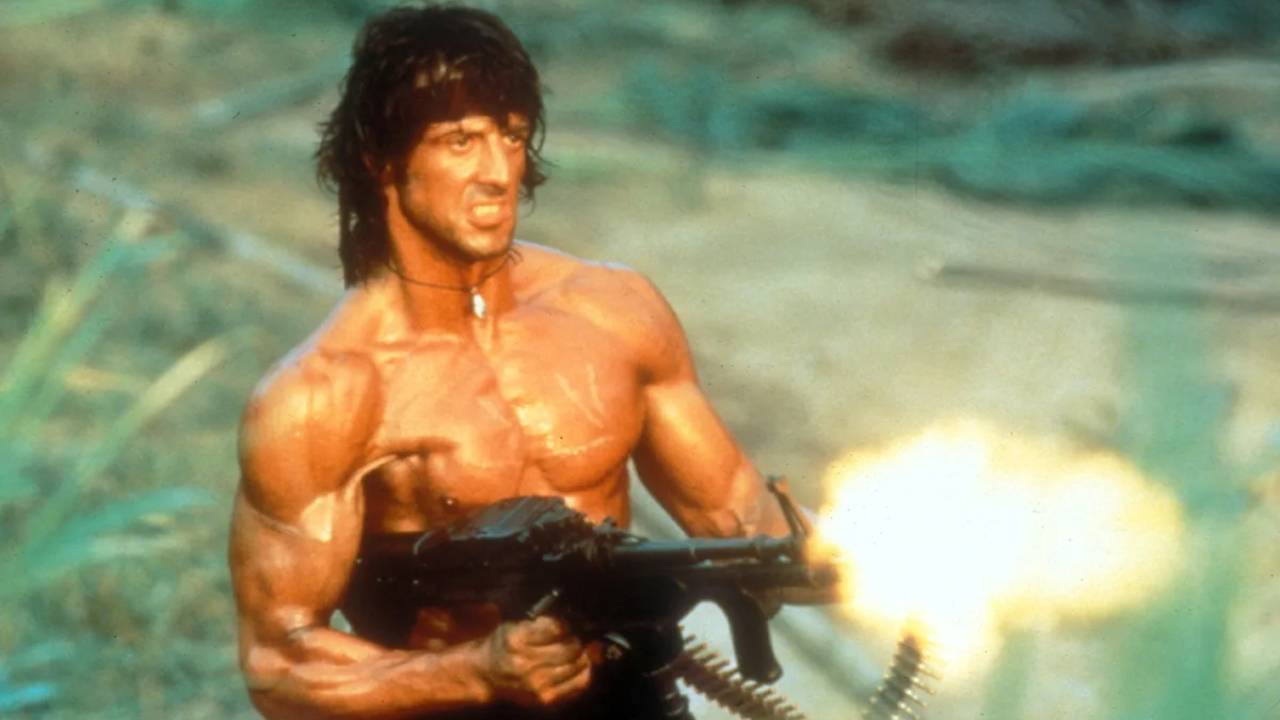
Daylight leans hard into survival tension, throwing its characters into a claustrophobic nightmare where every escape feels earned. Stallone carries the film with grit rather than invincibility, and the action keeps enough pressure on the story to stay engaging even if you’re a bit cynical about the setup. It’s rough around the edges, but the stakes feel real, and some images linger longer than you might expect. | © Universal Pictures
San Andreas plays things safely but still checks the right boxes for a modern disaster movie. The effects do most of the heavy lifting, and Dwayne Johnson carries enough of the film to keep it moving even when the drama feels sanitized. It may pull its punches with the danger, but if you’re in the mood for large-scale destruction and straightforward thrills, it gets the job done. | © Warner Bros. Pictures
2012 is messy, loud, far too long, and completely unconcerned with scientific accuracy, and that’s kind of the point. Roland Emmerich goes all in on city-level destruction, piling on spectacular chases and collapsing landmarks with the confidence of someone who knows exactly why people showed up. It sags as it goes, sure, but as a pure popcorn disaster movie that just wants to watch the world break in increasingly wild ways, it absolutely delivers. | © Columbia Pictures
Knowing takes an intriguing idea and lets the mystery drive the experience, following numbers that somehow predict humanity’s worst catastrophes. Nicolas Cage and Rose Byrne keep things grounded with solid, believable performances even when the script plays it safe. Not every moment lands, but an unexpected ending gives the film its edge and makes it a more interesting watch than its reputation suggests. | © Summit Entertainment
Volcano runs with an over-the-top premise and commits to it, dropping a sudden eruption right into the middle of Los Angeles. The focus stays on first responders and city officials scrambling to protect civilians, which gives the chaos a clear human center. Beneath the spectacle, the film leans into a simple idea about people coming together when it matters, making it an easy and entertaining watch. | © 20th Century Fox
The Day After Tomorrow kicks off with a killer premise and some genuinely impressive large-scale destruction that still holds up as spectacle. The first half leans hard into classic disaster-movie thrills, helped along by Dennis Quaid’s steady presence and Roland Emmerich keeping things surprisingly focused. It loses some momentum once it shifts into rescue mode, but even unevenly, it remains an easy and rewatchable entry in the genre. | © 20th Century Fox
The Wave takes a simple premise and squeezes real tension out of it, letting dread build long before the disaster finally hits. Instead of a constant spectacle, the film focuses on suspense and the emotional pull of a family trying to escape once something feels very wrong. It may lean on familiar beats, but strong visuals and patient pacing make it gripping and easy to recommend. | © Nordisk Film
The Core doesn’t aim for grand sci-fi seriousness, and that’s exactly why it works. The effects are fun, the movie even pokes at its own logic gaps, and the characters don’t magically have every answer ready. It’s the kind of disaster flick you throw on, relax, and enjoy for what it is: loud, silly, and genuinely entertaining. | © Paramount Pictures
Geostorm knows exactly what it is and doesn’t pretend otherwise, a full-on science fiction ride built on imagination, not realism. The fun comes from leaning into the absurd weather tech and global chaos instead of nitpicking the science behind it. If you’re in the mood for a flashy, brain-off disaster movie that just wants to entertain, it delivers that without apology. | © Paramount Pictures
Deep Impact often gets written off next to louder blockbusters, but it hits in a completely different, more human way. The film focuses less on spectacle and more on relationships, purpose, and the quiet weight of knowing time is limited, which makes its emotional punches land harder than expected. By the end, it’s less about the comet and more about what and who makes life worth saving. | © Paramount Pictures
Greenland 2: Migration builds on what worked in the first film, especially early on, with the Greenland section delivering strong visuals and grounded survival drama. Once the story moves on, it starts jumping through side characters too quickly, which makes it harder to emotionally latch onto anyone outside the core family. Even with a few missteps, it’s still a solid continuation, and if the original Greenland worked for you, this one is easy to recommend. | © Lionsgate
Thirteen Lives gets straight to the rescue and never loses focus, telling its story with urgency rather than spectacle. Ron Howard keeps the drama grounded, letting the Thai setting and its people feel fully present while the cast quietly supports the mission instead of overpowering it. The underwater sequences are tense and claustrophobic, and even though you know how it ends, the film still grips you all the way through. | © United Artists
Children of Men drops you into a world that’s harsh, violent, and relentlessly bleak, but so carefully realized that it’s impossible to look away. The camerawork and staging pull you straight into the chaos, and Clive Owen’s worn-down, reluctant hero feels credible in a way that slowly sneaks up on you. Somehow, despite all the darkness, the film ends on a quiet, uncertain sense of hope that lingers after you leave the screen. | © Universal Pictures
If Greenland hooked you with its mix of massive destruction and personal stakes, these films hit a similar nerve. Each one puts people first, then drops disaster right on top of them.