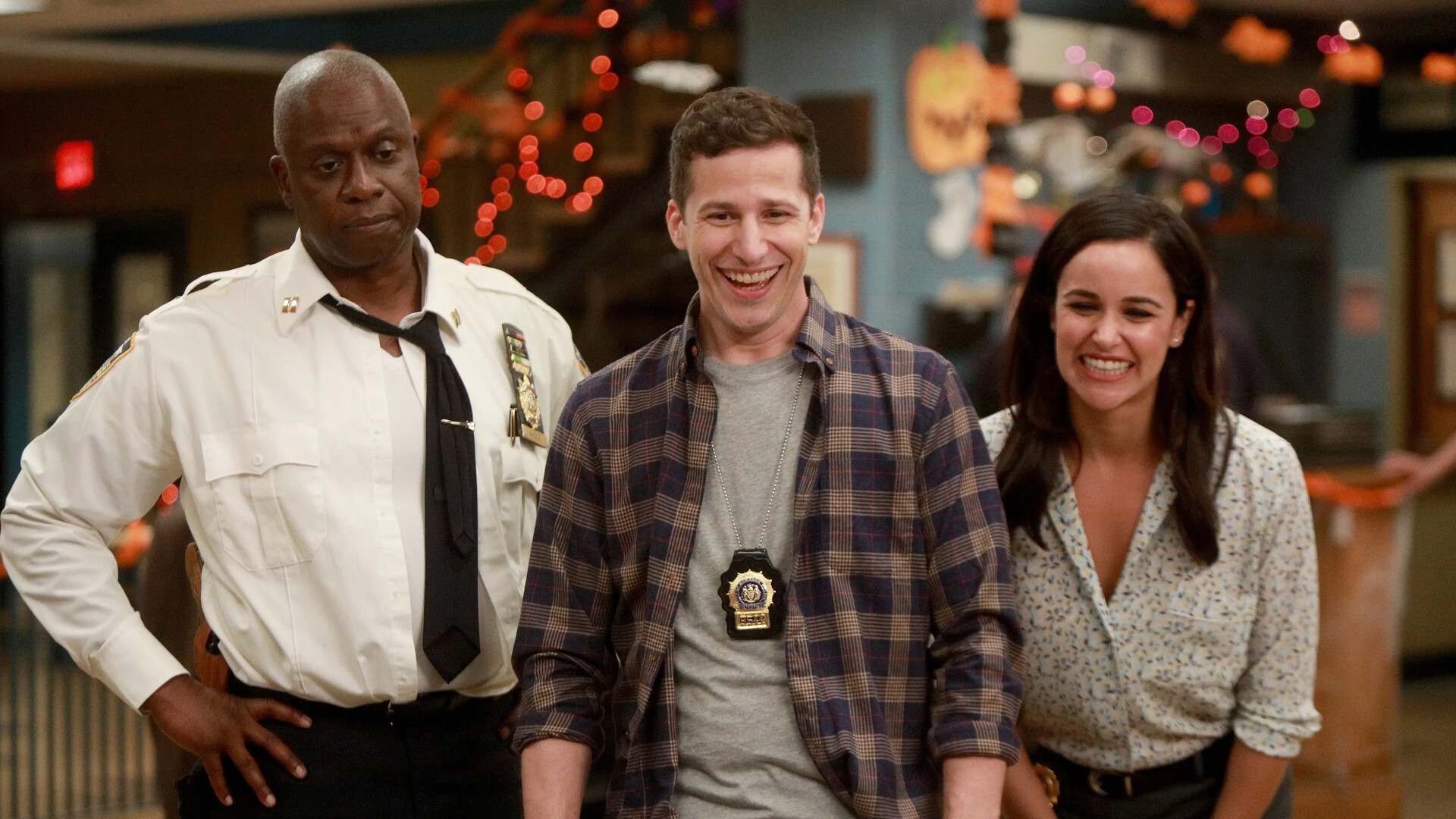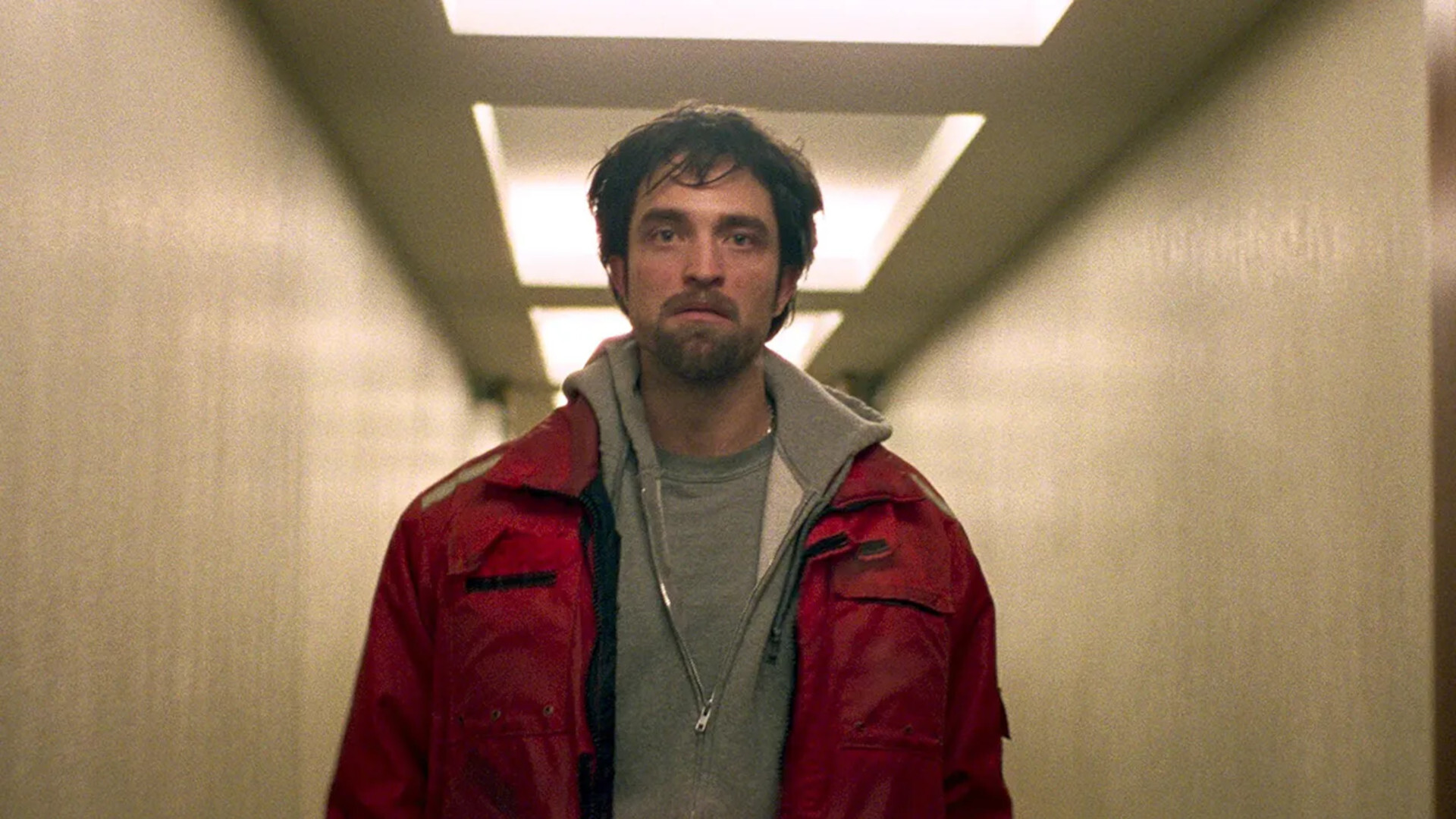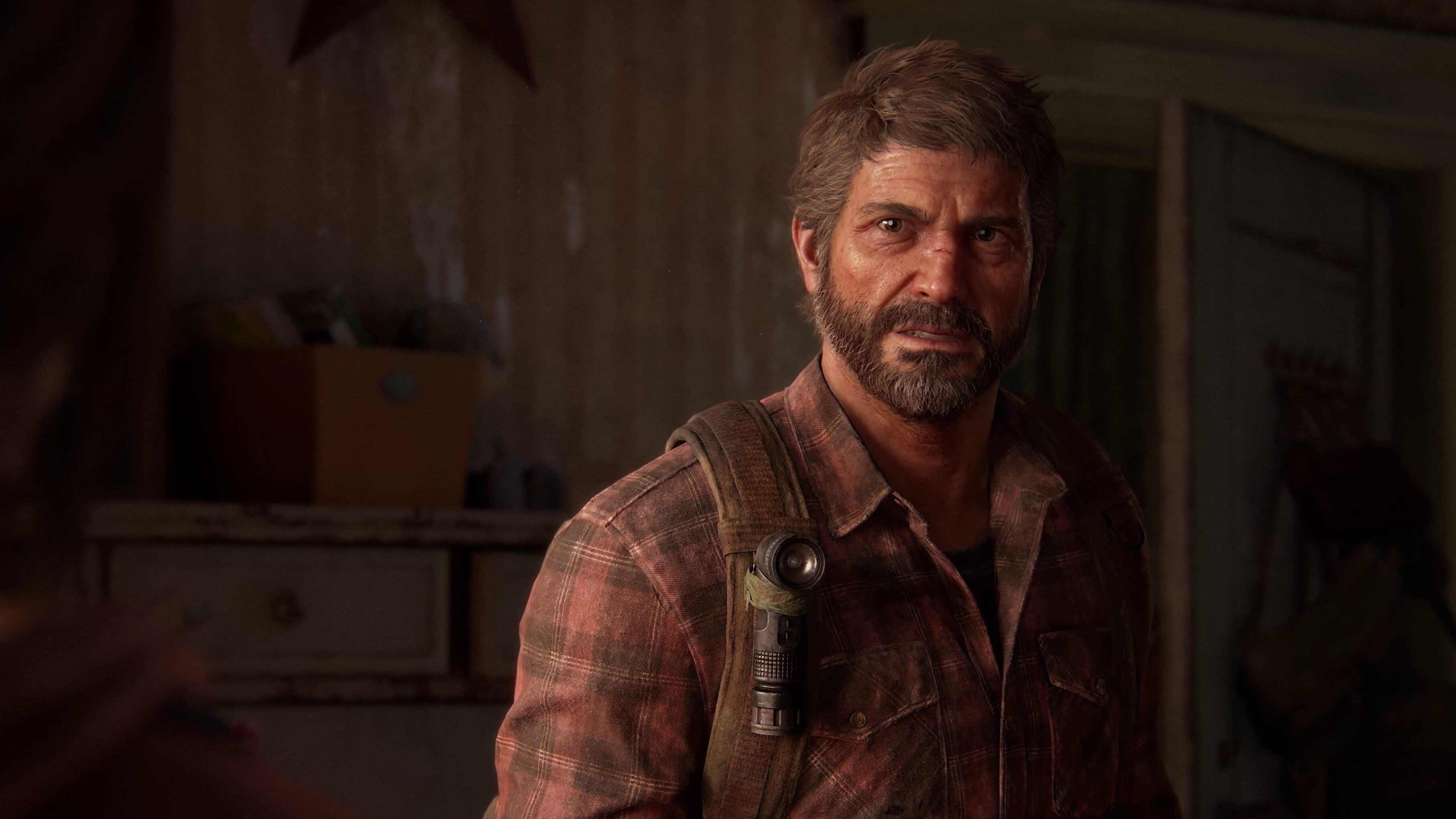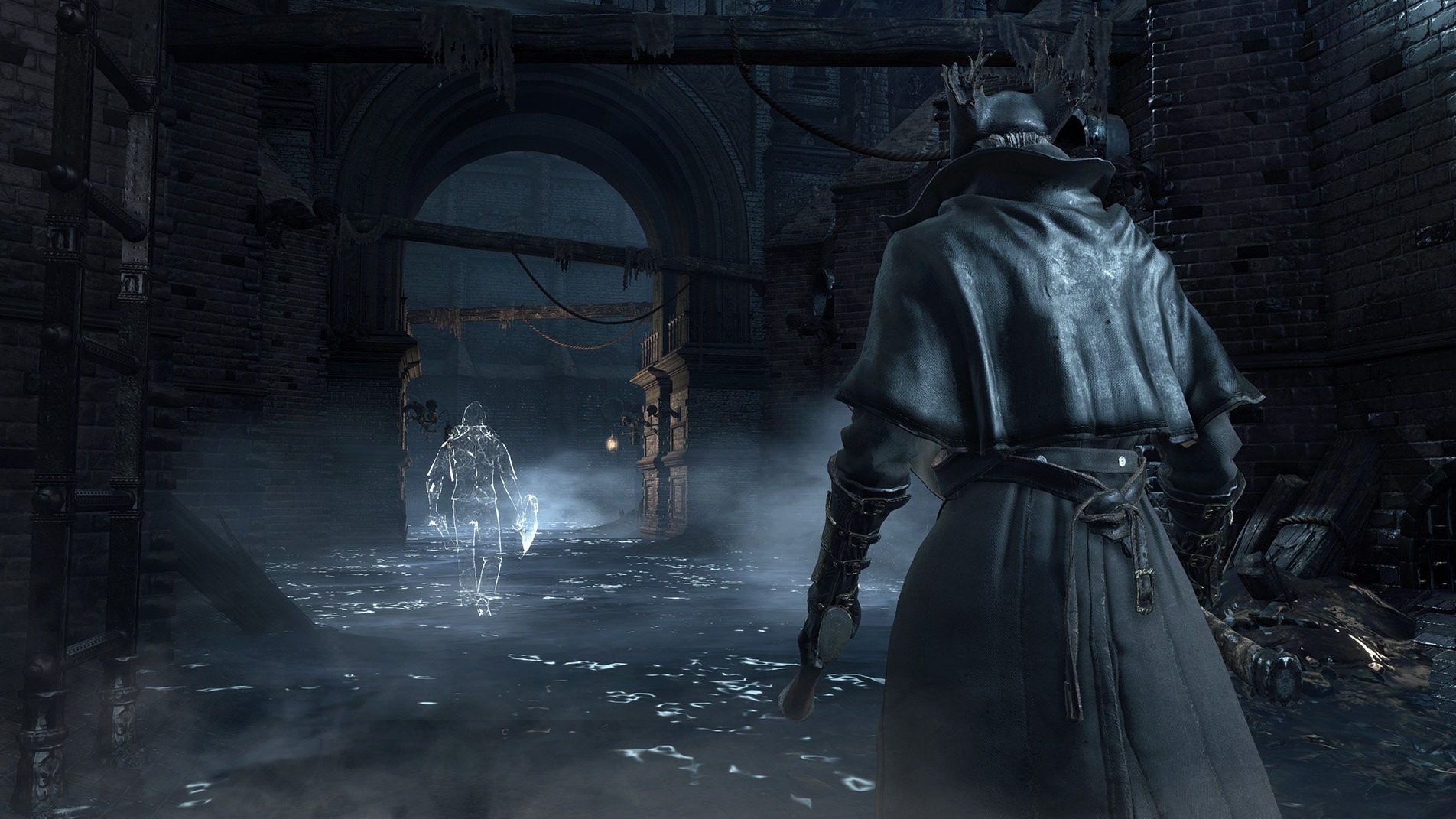
















Some movie deaths are tragic, inevitable, and gut-wrenching for all the right reasons. These 15 were just frustrating, because one sensible decision at the right moment would have meant everybody got to go home.
Carter Horton spends most of Final Destination being exactly the kind of aggressive jerk who deserves whatever the universe throws at him. He survives a plane explosion, dodges death's elaborate Rube Goldberg traps, and makes it all the way to Paris before getting flattened by a falling neon sign. The whole franchise built its reputation on impossibly complex death sequences, but Carter's end feels almost insulting in its simplicity. All he had to do was not stand directly under obvious street hazards while arguing with his girlfriend. | © New Line Cinema
Marvin gets his head blown off in Pulp Fiction because Vincent Vega can't handle basic gun safety while riding in a moving car. The whole sequence plays out with Tarantino's signature mix of dark comedy and sudden violence, but this death stands apart because it happens by complete accident. Vincent is literally just turning around to ask Marvin a question when the gun goes off, creating one of cinema's most absurdly preventable fatalities. John Travolta's "Oh man, I shot Marvin in the face" delivery somehow makes the whole thing even more ridiculous. | © Miramax Films
Billy Loomis spends most of Scream playing the perfect boyfriend while secretly orchestrating a killing spree, but his downfall comes from pure arrogance. After revealing himself as one of the Ghostface killers, he gets so caught up in explaining his elaborate revenge plot that he completely drops his guard around Sidney. The guy who planned every murder down to the smallest detail somehow forgets that final girls don't stay down easy. One moment of gloating costs him everything when Sidney puts a bullet in his head. | © Dimension Films
Bing's death in Zombieland happens because he can't resist ringing that bell in the gift shop, basically announcing his location to every zombie in the area. The whole thing unfolds like a perfect example of horror movie logic: one moment of curiosity leading to instant regret, then chaos. It's the kind of death that makes you want to yell at the screen, because survival rule number one should be "don't make noise in zombie territory." The timing makes it even more frustrating since he was so close to making it through the apocalypse with his quirky optimism intact. | © Sony Pictures
Boromir spends most of The Fellowship of the Ring making terrible decisions, so when three arrows finally take him down, it feels like the natural end to his corruption arc. The frustrating part is how easily he could have survived if he had just stayed with the group instead of trying to steal the Ring from Frodo. His death becomes heroic when he defends Merry and Pippin, but that redemption moment only exists because he created the problem in the first place. One conversation about his fears for Gondor might have prevented the whole tragic spiral. | © New Line Cinema
Bing Bong jumps off that wagon in the Memory Dump knowing exactly what will happen, and the whole tragedy stems from one simple fact: he could have just thrown some of his rainbow collection overboard instead. Inside Out builds this imaginary friend as pure joy and silly cotton candy logic, then forces him into the most adult sacrifice possible. The movie needed someone to stay behind, but it didn't need to be the character whose entire existence was about finding creative solutions to impossible problems. Pixar made audiences watch childhood innocence literally fade away when a few discarded memories could have lightened the load just enough. | © Walt Disney Pictures
Quicksilver spends most of Avengers: Age of Ultron proving he can outrun bullets, missiles, and pretty much anything Ultron throws at the team. The guy literally has enough speed to relocate entire crowds of people in seconds, but somehow gets taken down by regular gunfire while pushing Hawkeye out of the way. It's the kind of death that makes you wonder if he just forgot about his powers for thirty seconds. A character who moves faster than sound getting killed by something he could have easily dodged feels more like a script decision than an actual limitation. | © Walt Disney Studios Motion Pictures
The Amazing Spider-Man 2 kills Gwen Stacy in a sequence that feels engineered for maximum tragedy rather than narrative necessity. Peter Parker has multiple opportunities to web her to safety during the fall, but the film holds back his powers just long enough to ensure the worst possible outcome. The death arrives as a direct consequence of Spider-Man bringing her into the danger zone in the first place, making it less about heroic sacrifice and more about poor decision-making. What should have been a devastating emotional climax instead feels like the movie manipulating its own rules to hit a predetermined plot point. | © Sony Pictures
Rue's death in The Hunger Games feels especially cruel because she had the best survival instincts of any tribute in the arena. She moved through trees like a ghost, knew which berries were safe, and understood the tracker jacker nests better than the Careers who trained their whole lives for this moment. The alliance with Katniss gave her the protection she needed, but one poorly thrown spear from Marvel undid all that clever strategy in seconds. What makes it worse is how obvious the fix was – if Katniss had just stayed closer during the explosion plan, Rue could have made another day. | © Lionsgate
The Lion King turns a simple succession dispute into pure devastation by making one character too noble for his own good. Mufasa had every advantage over Scar – size, strength, loyalty from the pride, and the high ground during that stampede scene – but his fatal flaw was trusting family who had already shown murderous jealousy. A quicker climb or a healthy dose of suspicion about his brother's motives would have saved the Pride Lands decades of drought and tyranny. Instead, Disney built their biggest emotional gut-punch around a father who died because he couldn't imagine anyone being that ruthless. | © Walt Disney Pictures
Jack Dawson's death in Titanic represents one of cinema's most infuriating examples of basic physics being ignored for dramatic effect. The door was clearly big enough for two people, and even if weight distribution was the issue, they could have taken turns or found literally any other floating debris in the wreckage. Instead, Jack chose to freeze to death in the water while Rose floats comfortably on her makeshift raft, making viewers want to throw things at the screen for over two decades. The tragedy works emotionally, but the logic is so flimsy that it turned a heart-wrenching moment into an ongoing internet debate about door buoyancy. | © Paramount Pictures
Some movie deaths are tragic, inevitable, and gut-wrenching for all the right reasons. These 15 were just frustrating, because one sensible decision at the right moment would have meant everybody got to go home.