



































Grief is one of those things that's hard to talk about but somehow easier to sit with when the right movie puts it on screen. These 15 films don't pretend loss is simple, but they have a way of making it feel a little less lonely.
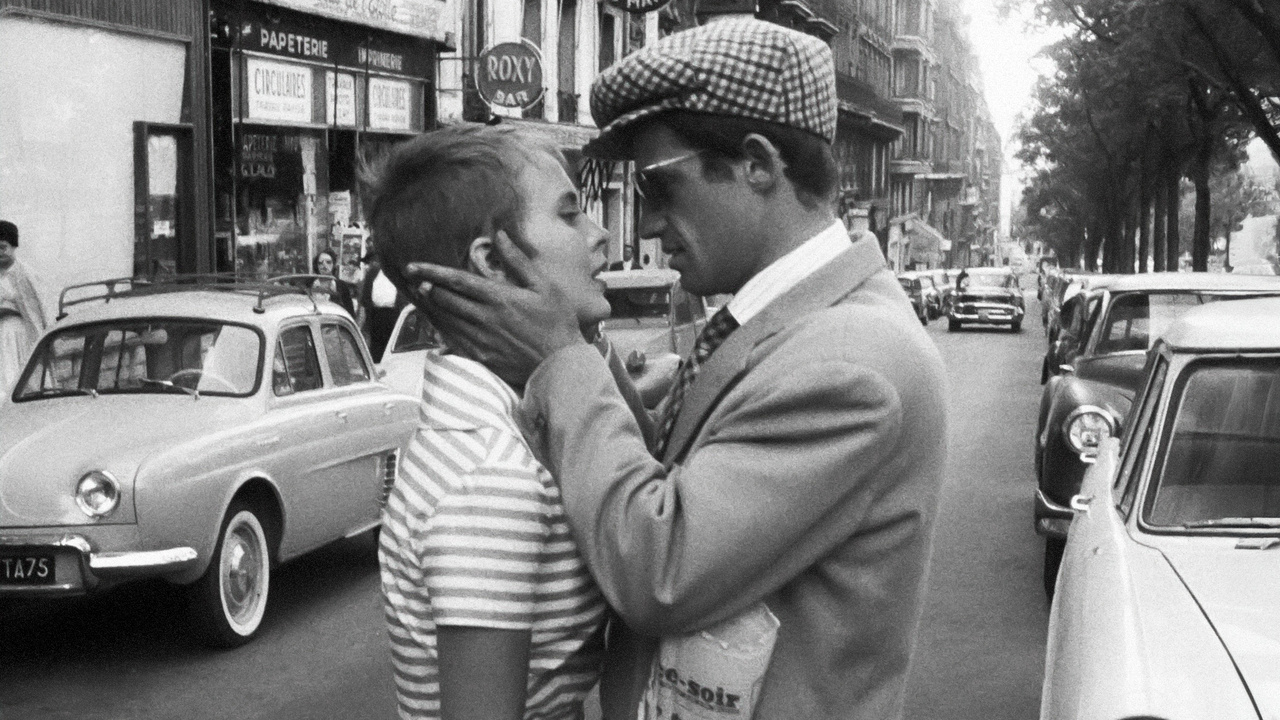
The Intouchables builds an entire friendship around the idea that grief doesn't always need gentle handling. Philippe, a wealthy quadriplegic, finds unexpected healing through Driss, a caregiver who refuses to treat him like fragile glass and instead brings irreverent humor to their daily routines. The French comedy-drama works because it shows how laughter can coexist with loss without diminishing either one. Sometimes the best medicine for a broken life is someone who won't let you stay broken. | © The Weinstein Company
The Pursuit of Happyness turns homelessness into something that feels less like poverty spectacle and more like a test of will that could happen to anyone. Will Smith strips away his usual charm to play a father whose life keeps collapsing in small, realistic ways that add up to sleeping in subway bathrooms with his young son. The movie never pretends that positive thinking alone fixes everything, but it does show how someone can keep moving forward when the only other option is giving up. What makes it work for grief is how it treats rock bottom as a place you can actually climb out of, one terrible day at a time. | © Sony Pictures
Paddington 2 turns a prison sentence into an opportunity for kindness, watching the marmalade-loving bear transform Knuckles McGinty and his fellow inmates through nothing more than decent sandwiches and genuine care. The film never mentions grief directly, but it understands how small acts of compassion can pull people back from their darkest moments. When Paddington's extended family rallies to clear his name, the movie shows how love spreads outward in ways that feel earned rather than forced. It proves that hope works best when it comes wrapped in good humor and better intentions. | © Warner Bros. Pictures
The Hoover family's road trip to a children's beauty pageant becomes a masterclass in how broken people can still function as a unit. Little Miss Sunshine lets every character carry their own specific damage without turning anyone into a villain or a saint. The van breaking down feels like the perfect metaphor, but the movie is smart enough to never actually say that out loud. When the final dance scene arrives, it works because you have watched this family choose each other over everything else that seemed more important. | © Fox Searchlight Pictures
The therapy scenes in Good Will Hunting work because they feel like actual breakthroughs instead of movie moments. Robin Williams delivers his "it's not your fault" speech with the kind of repetitive insistence that real healing requires, not the single perfect line that fixes everything. Matt Damon's Will starts as the smartest guy in every room who uses that intelligence to keep people away, which makes his slow surrender to connection feel earned rather than inevitable. The movie understands that grief over a damaged childhood doesn't disappear with one conversation, but it can start to loosen its grip. | © Miramax Films
About Time disguises itself as a romantic comedy about a guy who can travel back in time to fix awkward moments with girls. The real story sneaks up on you later when the time travel becomes less about getting the perfect date and more about spending extra moments with his dying father. Richard Curtis builds something that feels light and funny until it quietly teaches you that the ordinary Tuesday dinner or random walk to the beach might be the thing you miss most. The film never announces its shift from whimsical to wise, which is exactly why it hits so hard. | © Universal Pictures
Her turns the weirdest premise into something that feels completely natural: a man falls in love with his operating system after his divorce. Joaquin Phoenix makes Theodore's loneliness so specific and raw that by the time he's having deep conversations with Scarlett Johansson's voice, it stops feeling strange and starts feeling necessary. The movie understands that grief makes you reach for connection anywhere you can find it, even if that place is a smartphone. What could have been a gimmicky sci-fi romance becomes something much quieter about learning to be alone with yourself. | © Warner Bros.
Ordinary People refuses to let anyone off the hook, especially not the grieving mother who cannot forgive her surviving son for living when his brother died. Mary Tyler Moore plays against type as a woman whose perfectionism becomes cruelty, while Timothy Hutton's teenage Conrad drowns in guilt that no one else seems equipped to handle. The movie strips away any comfortable distance between the audience and a family that is quietly destroying itself. Robert Redford directs like he knows that some wounds never stop bleeding, they just get better at hiding. | © Paramount Pictures
Blue Valentine refuses to soften the edges of a marriage falling apart, showing love as something that can die slowly and then all at once. Ryan Gosling and Michelle Williams play a couple whose relationship gets dissected through time jumps that reveal how passion can curdle into resentment without anyone being the villain. The film treats divorce like a death, complete with the same stages of denial and bargaining. Watching it feels like witnessing an autopsy of intimacy. | © The Weinstein Company
Dancer in the Dark turns a musical into something that feels more like emotional surgery than entertainment. Lars von Trier puts Björk through a relentless tragedy about a mother losing her sight while trying to save her son from the same fate, then punctuates her suffering with sudden bursts of elaborate song and dance numbers. The musical sequences don't provide escape from the pain. They make it harder to bear by showing what joy looks like right before it gets destroyed. | © Fine Line Features
Never Let Me Go builds its heartbreak slowly, revealing that the boarding school students we follow are actually clones raised to donate their organs. The film asks you to watch these characters fall in love, make art, and dream about futures they will never have. Carey Mulligan, Keira Knightley, and Andrew Garfield make you care deeply about people whose entire existence is designed around an inevitable, institutional death. It turns science fiction into something quietly devastating about accepting what cannot be changed. | © Fox Searchlight Pictures
Synecdoche, New York follows a theater director who decides to create a brutally honest play about his life, then builds an enormous warehouse where actors recreate his actual existence in real time. The concept spirals into something that feels both absurd and devastatingly accurate about how we process loss and meaning. Charlie Kaufman turns grief into a puzzle that keeps expanding until the boundaries between performance and reality completely dissolve. Most movies about death try to comfort you, but this one captures the exhausting, recursive nature of actually living with it. | © Sony Pictures Classics
Breaking the Waves asks you to watch a woman destroy herself for love, and somehow makes that feel like a form of grace. Emily Watson plays Bess, whose devotion to her paralyzed husband leads her into increasingly dangerous sexual encounters that she believes will heal him. Lars von Trier shoots it with handheld cameras that make everything feel raw and immediate, like you're witnessing something too private to watch. The film turns religious faith into something so extreme it becomes indistinguishable from madness. | © October Films
Eternal Sunshine of the Spotless Mind asks what would happen if you could erase someone from your memory completely, then spends two hours proving why that might be the worst possible solution. Jim Carrey and Kate Winslet play ex-lovers who undergo a procedure to forget each other, only to discover that even painful memories contain something worth keeping. The film turns the inside of a breaking mind into a surreal playground where past and present collide in increasingly desperate ways. Michel Gondry's direction makes heartbreak feel like both a nightmare and a fever dream you never want to wake up from. | © Focus Features
Manchester by the Sea refuses to offer easy answers about moving forward after a devastating loss. Casey Affleck plays a janitor forced to return to his hometown and confront the tragedy that drove him away, but the film never pushes him toward healing or redemption. Instead, it sits with the weight of grief that some people carry forever, showing how trauma can make even basic human connection feel impossible. The movie understands that sometimes the most honest thing grief can do is simply endure. | © Amazon Studios
Grief is one of those things that's hard to talk about but somehow easier to sit with when the right movie puts it on screen. These 15 films don't pretend loss is simple, but they have a way of making it feel a little less lonely.