



















• EarlyGame PLUS top logo
  • Join to get exclusive perks & news!
English
    • News
    • Guides
    • Gaming
      • Fortnite
      • League of Legends
      • EA FC
      • Call of Duty
      • Reviews
    • TV & Movies
    • Codes
      • Mobile Games
      • Roblox Games
      • PC & Console Games
    • Videos
    • Forum
    • Careers
    • EarlyGame+
  • Login
  • Homepage My List Settings Sign out
  • News
  • Guides
  • Gaming
    • All Gaming
    • Fortnite
    • League of Legends
    • EA FC
    • Call of Duty
    • Reviews
  • TV & Movies
  • Codes
    • All Codes
    • Mobile Games
    • Roblox Games
    • PC & Console Games
  • Videos
  • Forum
  • Careers
  • EarlyGame+
Game selection
Kena
Gaming new
Enterianment CB
ENT new
TV Shows Movies Image
TV shows Movies logo 2
Fifa stadium
Fc24
Fortnite Llama WP
Fortnite Early Game
LOL 320
Lo L Logo
Codes bg image
Codes logo
Smartphonemobile
Mobile Logo
Videos WP
Untitled 1
Cod 320
Co D logo
Rocket League
Rocket League Text
Apex 320
AP Ex Legends Logo
DALL E 2024 09 17 17 03 06 A vibrant collage image that showcases various art styles from different video games all colliding together in a dynamic composition Include element
Logo
Logo copy
GALLERIES 17 09 2024
News 320 jinx
News logo
More EarlyGame
Esports arena

Polls

Razer blackhsark v2 review im test

Giveaways

Rocket league videos

Videos

Valorant Tournament

Events

  • Copyright 2026 © eSports Media GmbH®
  • Privacy Policy
  • Impressum and Disclaimer
 Logo
English
  • English
  • German
  • Spanish
  • EarlyGame india
  • Homepage
  • Gaming

The 50 Best Games With An Amazing Story

1-50

Ignacio Weil Ignacio Weil
Gaming - January 12th 2026, 17:00 GMT+1
Disco Elysium cropped processed by imagy

Disco Elysium

There’s no noble heroism here, just a broken person in a broken city trying to assemble a self out of bad choices and worse habits. Disco Elysium delivers story through voice – political, funny, tragic, vicious – turning your own thoughts into characters you have to negotiate with. It’s not just well-written; it’s confidently strange, and it makes every conversation feel like it could change who you are. | © ZA/UM

Clair obscur expedition 33

Clair Obscur: Expedition 33

Belle Époque elegance shouldn’t feel this ominous, and that contrast is exactly what gives the narrative its bite. The hook in Clair Obscur: Expedition 33 isn’t just the premise – it’s how it turns a doomed mission into a character-driven sprint against time, where every bond matters because the clock is literally built into the world. It’s stylish, melancholic, and surprisingly intimate when it wants to be. | © Sandfall Interactive

Red Dead Redemption 2

Red Dead Redemption 1 & 2

The moment a story makes you miss a fictional place is when you know it’s working, and that’s exactly what happens across the dying frontier of Red Dead Redemption and the sprawling tragedy of Red Dead Redemption 2. The writing isn’t just about outlaws and lawmen – it’s about loyalty, reinvention, and the slow collapse of a way of life you can’t stop trying to save. By the time the credits roll, the emotional aftermath has already taken its toll. | © Rockstar Games

God of war

God of War

Violence in games is common; consequence is rarer. What makes God of War stand out is how it turns spectacle into character work – every fight feels tied to grief, restraint, and the awkward labor of becoming someone your child can trust. The mythic scale is there, sure, but the real hook is the tension between who Kratos was and who he’s trying to be, scene by scene. | © Santa Monica Studio

DEATH STRANDING

Death Stranding

Not much in modern gaming commits this hard to mood, rhythm, and solitude, and that’s why Death Stranding lingers. It’s a story that dares you to sit with loneliness, then answers it with connection – literal, mechanical, and emotional – until helping a stranger starts to feel like the point of everything. The weirdness isn’t decoration; it’s the language the game uses to talk about loss and hope. | © Kojima Productions

Ghost of Tsushima

Ghost Of Tsushima

Wind, steel, and a code you can’t fully live up to – Ghost of Tsushima turns classic samurai drama into something tactile and personal. The most memorable moments aren’t only the duels, but the quiet reckonings: what honor costs, what it protects, and what it asks you to sacrifice when survival demands you change. By the end, the island feels like it remembers what you did. | © Sucker Punch Productions

Alan Wake

Alan Wake

Wind, steel, and a code you can’t fully live up to – Ghost of Tsushima turns classic samurai drama into something tactile and personal. The most memorable moments aren’t only the duels, but the quiet reckonings: what honor costs, what it protects, and what it asks you to sacrifice when survival demands you change. By the end, the island feels like it remembers what you did. | © Sucker Punch Productions

Shenmue

Shenmue

Ambition is baked into every awkward pause, every detour, every stubborn insistence that the everyday matters. Shenmue isn’t just a revenge tale – it’s a slow-burn coming-of-age story told through routine, curiosity, and a world that keeps moving whether you’re ready or not. Even now, its narrative charm comes from treating small details like they’re worth your time. | © Sega

Sleeping Dogs

Sleeping Dogs

Hong Kong at night, neon smeared across wet pavement, and a double life that keeps narrowing your options – that’s the pulse that drives Sleeping Dogs. The story lands because it treats undercover work as erosion: loyalty becomes blurry, victories feel compromised, and friendships come with an expiration date. It’s crime drama with real emotional bruises, not just cool set pieces. | © United Front Games

Final Fantasy

Final Fantasy

If you’ve ever chased a story for the feeling of a perfectly timed payoff, the Final Fantasy series has been delivering those highs for decades. The best entries mix intimate character arcs with world-ending stakes, then hit you with themes of memory, identity, duty, and chosen family when you least expect it. Every era has its standouts, but the signature is the same: big feelings, earned. | © Square Enix

Cropped The Last of Us

The Last of Us

There’s a reason people still argue about specific scenes years later: The Last of Us refuses to hand you easy comfort. These games treat love as something complicated and sometimes destructive, then ask you to sit with the fallout instead of smoothing it over. Whether you agree with every turn or not, the storytelling is confident, sharp, and painfully human. | © Naughty Dog

Mass Effect

Mass Effect

Since we are talking about legendary franchises, of course we have to go with Mass Effect. Although the ending of the third installment went against the company's philosophy of letting your decisions affect the world (no, a single ending with 3 different colors doesn't count), the universe presented to us with its first installment gave us a taste of a genre mix, between space fantasy and science fiction, creating scenarios that test your morals. | © Bioware

The Witcher

The Witcher

The fantasy is grimy, political, and inconvenient in the best way – where doing the “right” thing usually means picking which disaster you can live with. The Witcher earns its storytelling reputation through messy moral tradeoffs, sharp character writing, and a world that reacts like it has its own agenda. Even when the plot turns epic, it never forgets the human stakes under the monster contracts. | © CD Projekt Red

Dragon Age

Dragon Age

Power isn’t the point; responsibility is, and that’s why so many arcs in Dragon Age land with real weight. It’s a series that treats ideology like a live wire – mages, templars, faith, empire – then threads it through companions who feel opinionated and vulnerable rather than “party slots.” The strongest moments come when your alliances stop feeling theoretical and start costing you something. | © BioWare

Fallout

Fallout

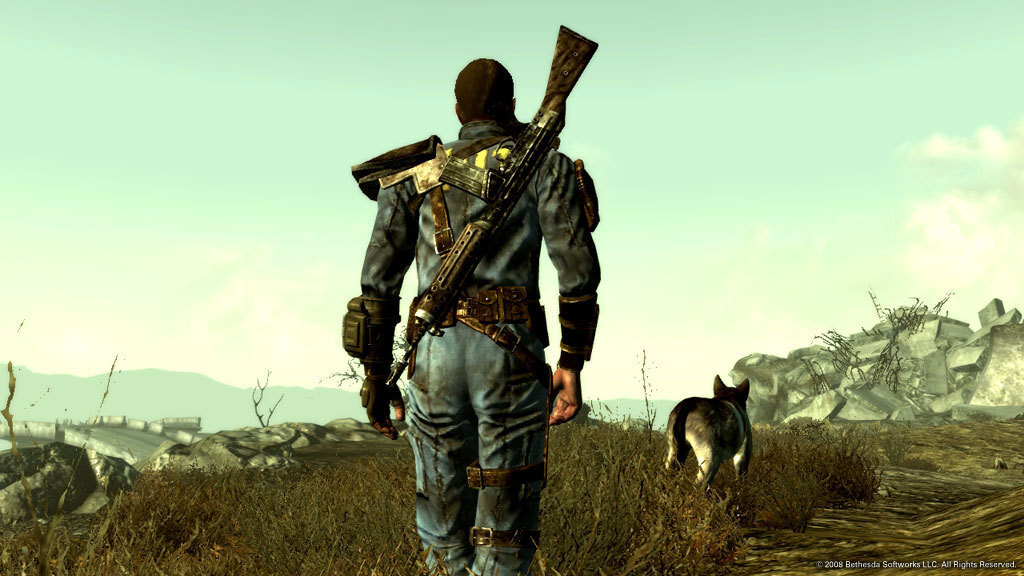
Post-apocalypse stories often lean on spectacle, but the best Fallout tales work because they’re about people rebuilding – badly – under pressure. You wander into a town expecting a quick quest and leave with a moral hangover, because the writing loves consequences more than heroics. Across its eras, the series keeps asking what “civilization” even means when everyone’s improvising. | © Bethesda Game Studios

Persona 5

Persona

A calendar can sound like a constraint until it becomes the engine that makes every day feel charged. Persona stories thrive on the push and pull between ordinary life – classes, friendships, awkward hangouts – and the hidden dramas bubbling underneath. The best entries make you care about the quiet conversations as much as the climactic showdowns, so the finale feels like the end of a year you actually lived. | © Atlus

Nie R Automata

NieR: Automata

It’s the kind of narrative that stares straight at the player and refuses to let you stay comfortable. With NieR: Automata, the action is slick, but the real punch comes from shifting perspectives, recontextualizing what you thought you understood, and turning empathy into a mechanical requirement. By the time it’s done, it’s less a plot you watched and more a question you’ve been answering. | © PlatinumGames

Chrono Trigger

Chrono Trigger

Time travel is easy to pitch and hard to land, yet Chrono Trigger makes it feel effortless – like every era matters because the characters do. The pacing rarely drags, the party dynamics stay warm, and the story keeps rewarding curiosity with small payoffs that add up to something huge. It’s a classic not just for what happens, but for how cleanly it’s told. | © Square Enix

Baldurs Gate 3

Baldur’s Gate 3

Instead of treating choice as decoration, this one makes it a social reality – people remember, judge, and sometimes surprise you. Baldur’s Gate 3 shines when it lets character motives breathe, giving companions room to be funny, messy, principled, or terrifying depending on what you encourage. The result is a story that feels authored but still personal, like your decisions left fingerprints on the world. | © Larian Studios

Divinity

Divinity: Original Sin 1 & 2

Some RPGs hand you a plot; these hand you a toolbox and let the story emerge from how you solve problems. In Divinity: Original Sin and Divinity: Original Sin 2, the writing leans into consequence, dark humor, and moral gray zones where “victory” can look suspiciously like compromise. It’s narrative built for experimentation – every clever idea feels like it belongs in the canon of your run. | © Larian Studios

Knights of the Old Republic

Star Wars: Knights Of The Old Republic 1 & 2

The most memorable Star Wars stories aren’t always the loudest, and Star Wars: Knights of the Old Republic proves it by making philosophy feel as thrilling as a lightsaber. The first game’s structure is iconic, the second is more bruised and introspective, and together they explore identity, loyalty, and belief with unusual bite. Even decades later, the twists work because the characters sell them. | © BioWare / Obsidian Entertainment

Planescape Torment

Planescape: Torment

Forget tidy hero’s journeys – this is a story about identity, regret, and the weird weight of words, told with a confidence that doesn’t need cutscenes to be loud. Planescape: Torment turns dialogue into the main event, where every conversation feels like it could change who you are, not just what you do. It’s introspective without being precious, and haunting without trying too hard. | © Black Isle Studios

Arcanum

Arcanum: Of Steamworks and Magick Obscura

Victorian manners and back-alley brutality share the same streets here, and the setting never lets you forget it. Arcanum: Of Steamworks and Magick Obscura is at its best when it uses that collision – industry versus mysticism – to shape every choice, faction, and conversation. The writing rewards roleplay in a way that still feels rare, letting your worldview steer the story rather than just your stats. | © Troika Games

Skies of Arcadia

Skies of Arcadia

There’s a specific kind of adventure tone that feels almost extinct now: bright skies, earnest friendships, and danger that still leaves room for wonder. Skies of Arcadia nails it with a globe-trotting story that’s more about discovery than cynicism, without ever getting weightless. The characters give the journey its heart, so the plot twists land like personal setbacks, not just “next objectives.” | © Overworks

The Banner Saga

The Banner Saga

War stories usually chase big hero moments; this one finds its power in exhaustion, compromise, and the slow grind of leadership. In The Banner Saga, the narrative keeps tightening the screws until even your best option feels like damage control, and that tension never really lets up. It’s grim without being empty – every hard call adds texture to the world instead of just punishing you. | © Stoic Studio

Legacy of Kain

Legacy of Kain

The best tragedies don’t sprint to the heartbreak – they build a mythology around it, then let you walk through the ruins. Legacy of Kain thrives on operatic dialogue, doomed bonds, and the kind of time-bending fate that turns victories into setup for the next loss. Whether you came in through Blood Omen or Soul Reaver, the series’ storytelling sticks because it treats destiny like a personal insult. | © Silicon Knights / Crystal Dynamics

Wolfenstein The New Order

Wolfenstein: The New Order

If you expected a straightforward alt-history shooter, the surprise is how much it cares about the people living inside the nightmare. Wolfenstein: The New Order gives its action real fuel by grounding it in trauma, resistance, and small, private moments that make the larger fight feel earned. The tonal balancing act shouldn’t work, but it does – and that’s the secret sauce behind its story. | © MachineGames

Bioshock

Bioshock

Under the surface spectacle, the real hook is how the game keeps daring you to question the place you’re exploring. BioShock turns Rapture into a character – seductive, decaying, self-justifying – so the story unfolds like a guided tour through someone else’s ideology. It’s smart about pacing, sharper about motives, and still famous for a reason when that pivotal reveal hits. | © Irrational Games

Spec Ops

Spec Ops: The Line

The first time it pushes you into doing something you don’t want to do, you might try to rationalize it – until the point is impossible to miss. What makes Spec Ops: The Line memorable isn’t just its plot beats, but how it uses guilt, denial, and escalating moral rot to reframe the entire shooter fantasy. It’s a story that weaponizes discomfort and then refuses to apologize for it. | © Yager Development

Metal Gear Solid

Metal Gear Solid

Espionage thrillers love clean competence; this one thrives on paranoia, contradiction, and theatrical misdirection. Metal Gear Solid delivers a narrative that’s constantly shifting gears – politics, personal history, identity, betrayal – yet still lands emotionally when it counts. The codec calls aren’t filler; they’re where the game builds its world, one strange confession at a time. | © Konami

Deus Ex

Deus Ex

Before “choice-driven narrative” became marketing language, this game was already making decisions feel like philosophy in motion. Deus Ex ties its story to distrust – governments, corporations, conspiracies, even your own assumptions – so every conversation feels loaded with consequences. The brilliance is how the plot stays flexible while still saying something pointed about power and control. | © Ion Storm

Silent Hill 2

Silent Hill

Some horror stories rely on what you see; this one gets under your skin with what you think you saw. Silent Hill turns fog, radio static, and uneasy silence into narrative tools, building dread that feels psychological before it’s ever physical. The town isn’t just a backdrop – it behaves like a judgment, reshaping familiar places into traps that echo guilt, grief, and denial. The result is a story that stays unsettling because it rarely explains itself, it just keeps tightening the pressure. | © Konami

Pathologic 2

Pathologic

This is the rare game that makes you feel late to everything, like the tragedy started before you arrived and you’re only catching fragments of what went wrong. Pathologic turns narrative into survival – every conversation is bargaining, every errand is a moral compromise, and time is the enemy you can’t outfight. It’s oppressive by design, and the story hits hardest when you realize “winning” mostly means choosing what to lose. | © Ice-Pick Lodge

SOMA

SOMA

Fear doesn’t come from monsters here; it comes from ideas that won’t stop unfolding once they enter your head. SOMA uses sci-fi horror to interrogate identity, continuity, and what it means to be “you” when the body is optional. The writing keeps the tension tight without cheap tricks, and by the end the dread feels existential, not just situational. | © Frictional Games

Lobotomy Corporation

Lobotomy Corporation

Corporate bureaucracy has rarely been this nightmarish... or this oddly compelling. Lobotomy Corporation and Library of Ruina build their stories through repetition and revelation, where each new “rule” is really a clue about the world’s cruelty. Between the management-sim grind and the escalating lore, the narrative lands because it treats suffering as systemic, not accidental, and keeps peeling back the cost of control. | © Project Moon

Decarnation

Decarnation

There’s a queasy intimacy to how this story unfolds, like you’re flipping through someone’s memories and finding pages stuck together. Decarnation blends coming-of-age unease with body horror and surreal turns that make ordinary life feel suddenly unsafe. The emotional core – identity under pressure, the desire to escape yourself – gives the disturbing imagery a purpose instead of just shock value. | © Atelier QDB

Undertale

Undertale

It starts like a quirky RPG and quietly becomes a test of how you treat people when the game stops rewarding cruelty. Undertale earns its reputation through playful subversions, sharp character writing, and the way it remembers what you’ve done without making a big show of it. The story’s real trick is empathy as a mechanic – choices feel personal because the world reacts like it cares. | © Toby Fox

Hades

Hades

The most impressive part isn’t how stylish the fights are – it’s how naturally the relationships grow between runs. In Hades, failure isn’t a reset; it’s progress, because every escape attempt feeds new dialogue, new tensions, and new warmth in the House of Hades. The narrative wraps myth around a family drama, then makes you work for the moments of tenderness in a way that feels earned. | © Supergiant Games

Outer Wilds

Outer Wilds

The magic isn’t a twist; it’s the slow realization that the entire universe is a puzzle that respects your intelligence. Outer Wilds tells its story through discovery – reading, listening, experimenting – until knowledge becomes the only upgrade that matters. When the pieces finally click, the emotional payoff is enormous, because you didn’t “reach” the ending so much as you understood it. | © Mobius Digital

The Forgotten City

The Forgotten City

A good mystery makes you curious; a great one makes you responsible. The Forgotten City uses a time-loop structure to turn investigation into empathy, because every new insight changes how you see the people trapped with you. The writing stays tight and purposeful, and the moral questions land because the game keeps pushing you to understand motives, not just solve clues. | © Modern Storyteller

Firewatch

Firewatch

Sometimes the most gripping stories happen when nothing is happening – just two voices trying to fill the silence. Firewatch builds its narrative through conversation, letting humor, loneliness, and suspicion mix in a way that feels genuinely lived-in. It’s less about big plot mechanics and more about the fragile stories people tell themselves when they’re far from everyone else. | © Campo Santo

To the Moon

To The Moon

Sometimes the ugliest stories are the gentlest ones, told without noise or spectacle. To The Moon builds its emotional punch through small details, quiet regrets, and a sci-fi setup that never distracts from the human core. By the end, it feels less like you “beat” a game and more like you sat with a life – messy, tender, and unfinished in the way real memories are. | © Freebird Games

What Remains of Edith Finch

What Remains of Edith Finch

A creaking house, a family tree that reads like a dare, and a story that keeps changing its shape mid-sentence. What makes What Remains of Edith Finch unforgettable is how each vignette finds a new voice – playful, tragic, surreal – while still adding up to something coherent and aching. It’s narrative craft on display, the kind that makes you slow down just to catch what it’s doing. | © Giant Sparrow

Hellblade Senuas Sacrifice

Hellblade: Senua's Sacrifice

The best portrayal of fear here isn’t what’s chasing you – it’s what your mind does when it has nowhere to run. In Hellblade: Senua’s Sacrifice, myth and psychosis are woven so tightly that the story feels physical, like it’s pressing on your ribs. It’s a relentless character journey, and the intimacy of it is what makes the brutality land instead of blur. | © Ninja Theory

Pentiment

Pentiment

There’s a particular pleasure in a mystery that doesn’t rush you, and this one trusts the audience to keep up. Pentiment turns a small town’s tensions into a slow-burning drama about faith, class, art, and the stories people tell to survive. The writing is sharp without being flashy, and the choices sting because they feel social, not mechanical. | © Obsidian Entertainment

Portal

Portal 1 & 2

Comedy, dread, and perfect pacing are a hard trio to balance, but the Portal games make it look effortless. Portal 1 & 2 wrap their story around the puzzles so neatly that the narrative feels like part of the level design – every new room is another clue, another escalation, another punchline with teeth. Few series do “funny” and “unsettling” with this much control. | © Valve

The Wolf Among Us

The Wolf Among Us

Noir usually means cynicism, but here it’s more like exhaustion – people trying to keep it together while the world keeps turning ugly. The Wolf Among Us sells its story through tone and character: Bigby’s constant tightrope walk, the simmering distrust, the sense that every choice has a social cost. It’s tense, stylish, and way more heartfelt than its setup initially lets on. | © Telltale Games

Danganrompa

Danganronpa

Bright colors, sharp humor, and a setting that feels like a prank – then the story starts tightening the screws. The Danganronpa series thrives on whiplash, bouncing from absurdity to genuine despair while still keeping its mysteries satisfyingly structured. It’s not just shock for shock’s sake; the best entries use the madness to test loyalty, identity, and what people will do to stay alive. | © Spike Chunsoft

Double Fine Productions

Grim Fandango

A skeletal travel agent shouldn’t be one of gaming’s most charming leads, yet here we are. Grim Fandango tells its story like a noir wrapped in Day of the Dead iconography – funny, romantic, and surprisingly sincere when it counts. The world-building is so confident it feels timeless, and the dialogue has that rare snap that makes every scene feel staged, not merely written. | © LucasArts

The Stanley Parable

The Stanley Parable

It’s a game about choices that immediately starts messing with the idea of choice, and it never stops poking at you for wanting a neat ending. The Stanley Parable works because the narration isn’t just flavor – it’s the story engine, turning obedience, rebellion, and curiosity into punchlines that spiral into something existential. You leave feeling like the joke was on you, but also that it meant something. | © Galactic Cafe

1-50

The best game stories don’t rely on noise – they earn your attention through sharp writing, unforgettable characters, and moments that hit when you least expect them. You finish a chapter, set the controller down, and realize the story is still running in your head.

These are the games that get narrative right, whether they’re massive epics or intimate character dramas. Each one delivers the kind of storytelling that makes the journey feel personal, and the ending feel like it actually means something.

  • Facebook X Reddit WhatsApp Copy URL

The best game stories don’t rely on noise – they earn your attention through sharp writing, unforgettable characters, and moments that hit when you least expect them. You finish a chapter, set the controller down, and realize the story is still running in your head.

These are the games that get narrative right, whether they’re massive epics or intimate character dramas. Each one delivers the kind of storytelling that makes the journey feel personal, and the ending feel like it actually means something.

Related News

More
Pv P isnt the focus of Arc Raiders
Gaming
"The Game Isn't About Shooting Other Players": Embark CEO Says No To PvP Leaderboards
Assasins creed
Gaming
AAA Games Have A Problem With Large Team Sizes Says Former Assassin's Creed Director
Baby Chicken Minecraft
Gaming
New Minecraft Baby Mob Update Gave Birth To A Superstar
Dandadan
Entertainment
15 Best Anime From the Past 5 Years
Sentenced to Be a Hero
Entertainment
15 Most Anticipated New Anime of 2026
Subnautica 2
Gaming
15 Most Anticipated Indie Games of 2026
Matthew Mc Conaughey
Entertainment
15 Celebrities Who Don’t Lean Into Hollywood Propaganda
Cropped Harry Potter and the Deathly Hallows Part 2 2011 snape
Entertainment
20 Movies Where the Villain Becomes the Good Guy
Napoleon
TV Shows & Movies
15 Overhyped Movies That Flopped Hard
The Irishman
TV Shows & Movies
15 Worst Movies That Are Over 2 Hours Long
Call of Duty 3 cropped processed by imagy
Gaming
The Worst Call of Duty Games of All Time
Fortnite
Gaming
25 Video Games That Changed The Industry Forever
  • All Gaming
  • Videos
  • News
  • Home

Subscribe to our Newsletter

Sign up for selected EarlyGame highlights, opinions and much more

About Us

Discover the world of esports and video games. Stay up to date with news, opinion, tips, tricks and reviews.
More insights about us? Click here!

Links

  • Affiliate Links
  • Privacy Policy
  • Impressum and Disclaimer
  • Advertising Policy
  • Our Editorial Policy
  • About Us
  • Authors
  • Ownership

Partners

  • Kicker Logo
  • Efg esl logo
  • Euronics logo
  • Porsche logo
  • Razer logo

Charity Partner

  • Laureus sport for good horizontal logo

Games

  • Gaming
  • Entertainment
  • TV Shows & Movies
  • EA FC
  • Fortnite
  • League of Legends
  • Codes
  • Mobile Gaming
  • Videos
  • Call of Duty
  • Rocket League
  • APEX
  • Reviews
  • Galleries
  • News
  • Your Future

Links

  • Affiliate Links
  • Privacy Policy
  • Impressum and Disclaimer
  • Advertising Policy
  • Our Editorial Policy
  • About Us
  • Authors
  • Ownership
  • Copyright 2026 © eSports Media GmbH®
  • Privacy Policy
  • Impressum and Disclaimer
  • Update Privacy Settings
English
English
  • English
  • German
  • Spanish
  • EarlyGame india